


China FCL Warehouse Consolidation to Italy: A 2025 Logistics Guide
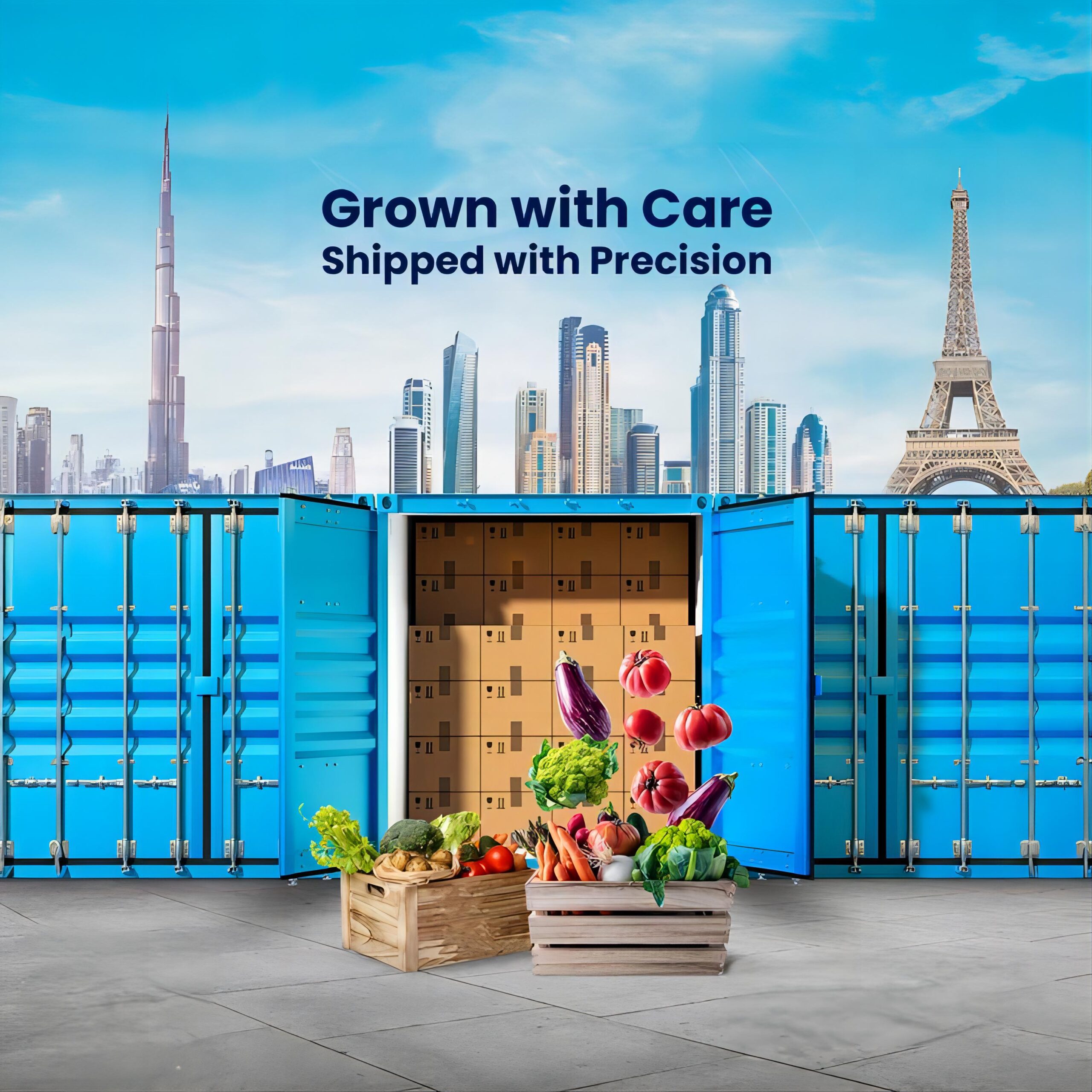
Managing multiple suppliers across different Chinese provinces often leads to logistical headaches and inflated costs for Italian importers. Top China Freight offers a streamlined solution through China FCL warehouse consolidation to Italy, ensuring your goods are handled with precision. By combining various shipments into a single full container, you can significantly enhance your operational efficiency and bottom line. This strategy effectively addresses the complexities of modern international trade while providing superior security for your valuable cargo.
Why Choose China FCL Warehouse Consolidation to Italy?
Choosing FCL consolidation allows businesses to leverage the full capacity of a container even when purchasing from multiple vendors. Effectively, this method transforms several smaller shipments into one cohesive unit, reducing the risk of damage and loss during transit. Furthermore, consolidating your goods in a central Chinese warehouse simplifies the tracking process significantly compared to managing individual LCL shipments.
Logistics managers often prefer this approach because it provides greater control over the loading sequence and cargo handling. While individual suppliers might use different packing standards, a professional consolidation center ensures uniform quality across the entire container. Consequently, Italian businesses can maintain a more predictable supply chain and reduce overall administrative burdens.
How the Consolidation Process Optimizes Your Supply Chain
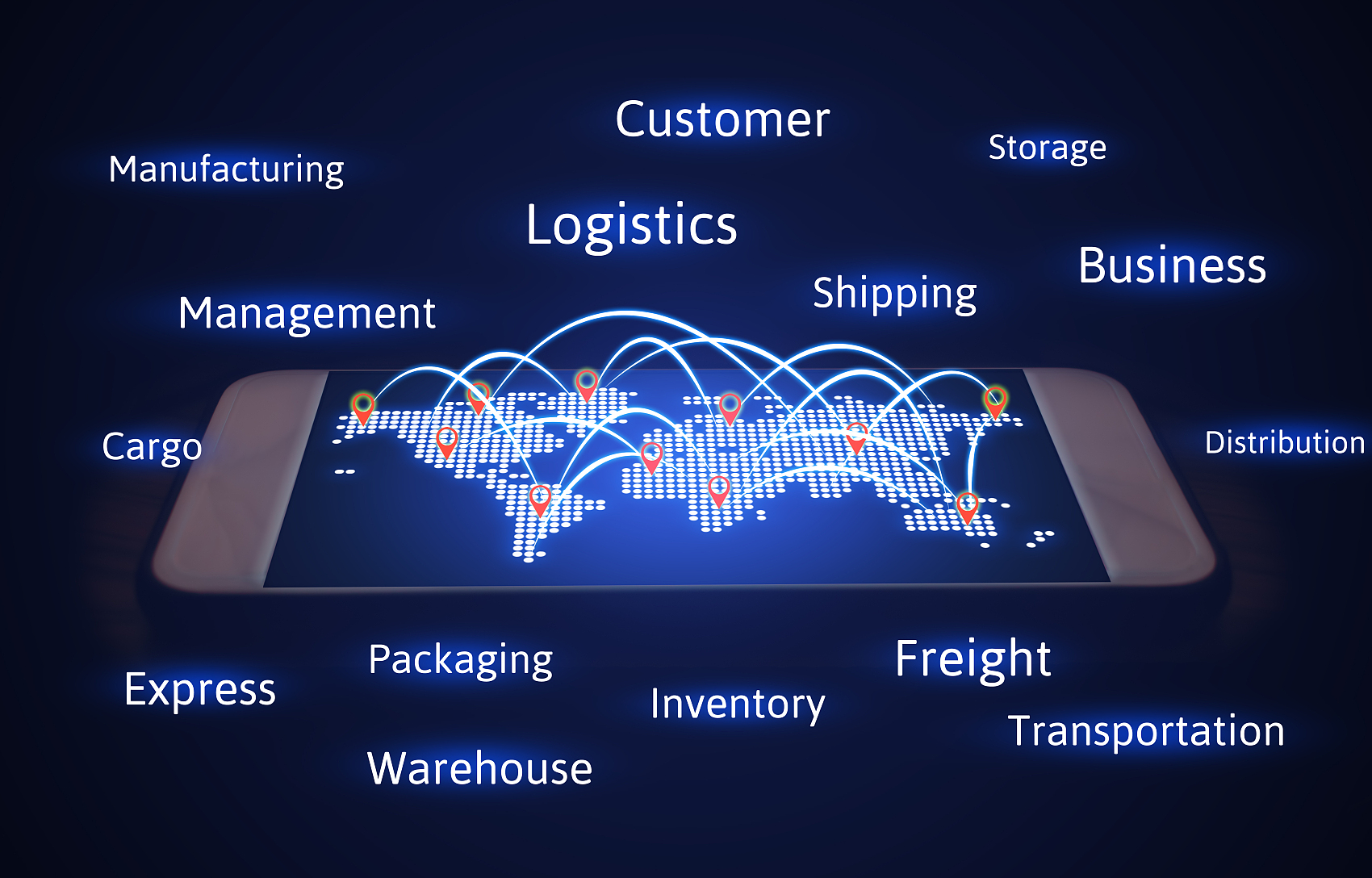
Consolidation begins when your various suppliers deliver goods to a centralized facility near major ports like Shanghai or Shenzhen. Using a specialized sea freight service ensures that these items are inspected and inventoried upon arrival. Subsequently, experts plan the container layout to maximize space utilization and ensure the safety of fragile items.
Shipping a full container generally results in faster transit times because the cargo does not require sorting at intermediate hubs. However, the success of this process depends heavily on the synchronization of supplier delivery schedules. Accordingly, working with an experienced freight forwarder helps mitigate delays and ensures that the container departs on the earliest possible vessel.
How Does FCL Consolidation Compare to Other Shipping Options?
Selecting the right transport method requires a thorough understanding of the trade-offs between speed and cost. While FCL consolidation is highly efficient for large volumes, some businesses might consider rail freight as a middle-ground alternative for inland destinations. Each method serves a specific strategic purpose depending on the urgency and nature of the cargo.
Moreover, air freight remains the fastest option but carries a significantly higher price tag that may not suit bulky industrial goods. In contrast, sea-based consolidation offers the most competitive rates for high-volume shipments destined for Italian markets. To help you decide, we have provided a detailed comparison of the primary shipping methods currently available.
| Shipping Method | Cost Range | Transit Time | Best For | Limitations |
|---|---|---|---|---|
| FCL Consolidation | $3,000 – $4,500 | 30-40 Days | High Volume | Requires Coordination |
| LCL Shipping | $50 – $120/CBM | 35-45 Days | Small Shipments | Higher Damage Risk |
| Rail Freight | $4,500 – $6,500 | 18-24 Days | Urgent Bulk | Limited Capacity |
| Air Freight | $5 – $9 / KG | 5-8 Days | High Value | Very Expensive |
Which Option Should You Choose?
Deciding between these methods involves evaluating your specific budget constraints and delivery deadlines. If your priority is cost reduction, FCL consolidation is almost always the superior choice for shipments exceeding 15 cubic meters. On the other hand, if you are shipping perishable items or high-tech electronics, the speed of air or rail might justify the extra expense.
Volume thresholds play a critical role in this decision-making framework. For instance, once your total volume from all suppliers reaches approximately 60 percent of a 20GP container, switching from LCL to FCL consolidation becomes financially advantageous. Indeed, the reduced handling fees and lower risk of port congestion make FCL a more resilient choice for long-term growth.
Essential Documentation for Importing to Italy
Navigating Italian customs requires meticulous attention to detail and accurate paperwork. Using a professional customs brokerage service can prevent costly delays and ensure compliance with European Union regulations. Specifically, the Italian Customs Agency (Agenzia delle Dogane) requires specific documents to clear your consolidated container.
Moreover, any errors in the packing list or commercial invoice can lead to inspections and additional storage fees at the port of discharge. Therefore, it is essential to verify that all supplier documents match the final consolidated manifest before the vessel departs China. The following table summarizes the key documents you will need for a smooth entry into Italy.
| Document Name | Purpose | Source | Requirement |
|---|---|---|---|
| Bill of Lading | Title of Goods | Carrier | Mandatory |
| Commercial Invoice | Value Declaration | Suppliers | Mandatory |
| Packing List | Cargo Details | Consolidator | Mandatory |
| Certificate of Origin | Duty Assessment | CCPIT China | Recommended |
Real Case Studies: China FCL Warehouse Consolidation to Italy
Case studies provide practical insights into how consolidation solves real-world logistics challenges. These examples reflect actual shipments handled during the 2024-2025 period, showcasing various routes and cargo types. By reviewing these scenarios, you can better understand the potential cost savings and timelines for your own operations.
Case Study 1: Electronics Consolidation from Shenzhen to Milan. Route: Shenzhen to Genoa. Cargo: Consumer electronics from 4 suppliers, 28 CBM. Container: 40GP. Shipping Details: Direct sea service via MSC. Cost Breakdown: Ocean Freight $3,850, Origin Charges $450, Destination Charges $600. Total Landed Cost: $4,900. Timeline: 5 days loading, 32 days transit, 3 days clearance. Total: 40 days. Key Insight: Consolidating 4 LCL shipments into one FCL saved the client 22 percent in total freight costs.
Case Study 2: Furniture Shipment from Ningbo to Naples. Route: Ningbo to Naples. Cargo: Luxury furniture and home decor, 55 CBM. Container: 40HQ. Shipping Details: Transshipment via Singapore. Cost Breakdown: Ocean Freight $4,200, Origin Charges $500, Destination Charges $750. Total Landed Cost: $5,450. Timeline: 7 days loading, 38 days transit, 4 days clearance. Total: 49 days. Key Insight: Professional packing at the warehouse prevented damage to fragile marble components during the long sea voyage.
Managing Transit Times and Schedules
Transit times for sea freight from China to Italy generally range between 30 and 45 days depending on the specific port of call. Choosing a door to door service can further streamline this process by including inland trucking in both countries. Consequently, you can avoid the hassle of coordinating with separate local hauliers upon the container’s arrival.
Direct routes to ports like Genoa or Trieste are typically faster than those requiring transshipment in Mediterranean hubs. Nevertheless, seasonal peaks such as the Chinese New Year or the Golden Week can add significant delays to standard schedules. To ensure timely delivery, it is advisable to book your space at least three weeks in advance during these high-demand periods.
| Origin Port | Destination Port | Direct Transit | Transshipment |
|---|---|---|---|
| Shanghai | Genoa | 32 Days | 40 Days |
| Shenzhen | La Spezia | 28 Days | 35 Days |
| Ningbo | Trieste | 34 Days | 42 Days |
| Qingdao | Naples | 36 Days | 45 Days |
Market Trends and Intelligence for 2025
As of early 2025, the shipping corridor from China to Europe has faced various challenges, including fluctuating fuel costs and regional stability issues. However, freight rates have stabilized compared to the extreme volatility seen in previous years. Indeed, many carriers are now introducing more eco-friendly vessels to meet new European carbon emission standards.
Digitalization is also transforming how warehouse consolidation operates, with real-time tracking becoming a standard expectation for Italian importers. Furthermore, many warehouses in China now use automated sorting systems to speed up the consolidation process. Staying informed about these trends allows you to adapt your procurement strategy and maintain a competitive edge in the Italian market.
Final Thoughts on FCL Consolidation
In summary, China FCL warehouse consolidation to Italy represents a strategic advantage for businesses looking to scale their operations efficiently. By centralizing your cargo handling and leveraging professional expertise, you can navigate the complexities of international trade with total confidence. This method not only saves money but also provides the security and reliability required for modern supply chains.
Ultimately, the success of your import business depends on choosing the right logistics partner who understands both the Chinese and Italian markets. Whether you are shipping electronics, furniture, or industrial parts, consolidation offers a flexible and robust solution. Start optimizing your freight strategy today to ensure long-term sustainability and growth.

Ready to streamline your logistics?
Streamline your international logistics today by leveraging our expert China FCL warehouse consolidation to Italy. Contact Top China Freight to receive a customized quote and discover how our tailored solutions can reduce your shipping costs. Visit our website to start your inquiry and secure your container space for the upcoming season.
Request Quote