FCL Shipping for Medical Equipment from China to California: Logistics Guide
Managing complex medical supply chains requires absolute precision and reliable transport partners to ensure patient safety and regulatory compliance. Consequently, choosing FCL shipping for medical equipment from China to California provides the security and dedicated space necessary for high-value diagnostic tools. Top China Freight specializes in navigating these sensitive routes to provide seamless logistics solutions for healthcare providers and distributors. This comprehensive guide explores the nuances of ocean freight, customs requirements, and cost-saving strategies for your medical cargo.
Why Choose FCL Shipping for Medical Equipment from China to California?
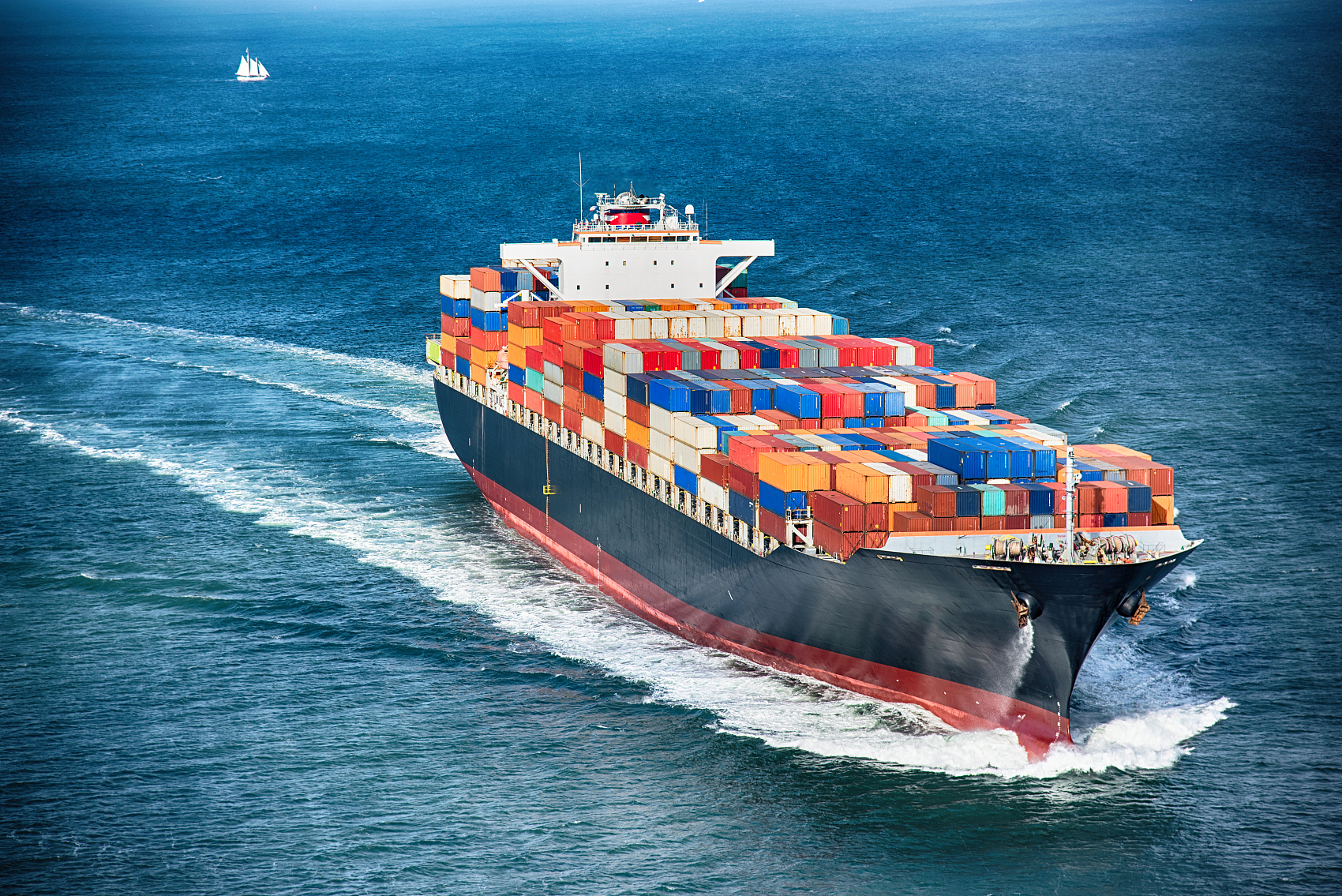
Reliability stands as the primary reason why healthcare manufacturers prefer full container loads for their sensitive shipments. When you utilize sea freight in an FCL capacity, your equipment remains inside a sealed container from the factory to the final destination. This significantly reduces the risk of damage caused by frequent handling or contamination from other goods.
Furthermore, FCL shipping offers superior cost-effectiveness for large volumes of medical supplies like hospital beds or imaging machines. Because you pay for the entire container, the cost per unit often drops significantly compared to smaller shipment methods. Most diagnostic equipment requires specific environmental controls, which are easier to manage in a dedicated FCL environment.
Additionally, the transit time from major Chinese hubs like Shanghai or Shenzhen to California ports is relatively stable. Carriers prioritize full containers during the unloading process at busy terminals like Long Beach or Oakland. Consequently, this leads to more predictable delivery schedules for critical healthcare projects.
Moreover, the security of a dedicated container prevents tampering and unauthorized access during the transpacific voyage. Medical devices often contain proprietary technology and sensitive components that require maximum protection. Therefore, FCL remains the gold standard for high-stakes medical device logistics.
Understanding Medical Equipment Freight Rates and Costs
Calculating the total landed cost of your medical equipment involves more than just the ocean freight rate. You must account for origin charges, fuel surcharges, and destination handling fees at California ports. Historically, rates fluctuate based on seasonal demand and carrier capacity across the Pacific trade lane.
Specifically, the current market for 2025 shows a stabilization of prices after previous global disruptions. Shippers should anticipate higher costs during the peak season from August through October. Below is an estimate of typical freight rates for FCL shipping for medical equipment from China to California based on recent market data.
Note: Freight rates are subject to change based on fuel costs, carrier capacity, and seasonal demand. Contact us for a current quote tailored to your specific shipment.
| Container Type | Estimated Rate (USD) | Transit Time | Recommended For |
|---|---|---|---|
| 20GP Container | $1,500 – $2,200 | 14-18 Days | Heavy medical parts |
| 40GP Container | $2,500 – $3,500 | 15-20 Days | General medical supplies |
| 40HQ Container | $2,800 – $3,800 | 15-20 Days | Bulky imaging machines |
| Reefer Container | $4,500 – $6,500 | 14-18 Days | Temperature-sensitive |
How Does FCL Shipping Compare to Other Shipping Options?
Evaluating different transport modes is essential for optimizing your medical supply chain. While FCL is excellent for volume, air freight remains the preferred choice for urgent or life-saving equipment. However, the cost difference between sea and air can be astronomical for heavy machinery.
In contrast, Less than Container Load (LCL) shipping might seem cheaper for small quantities but involves higher handling risks. Medical instruments are often fragile and do not respond well to the multiple loading and unloading cycles of LCL. Therefore, FCL provides a safer middle ground for shipments exceeding 15 cubic meters.
Moreover, the choice between direct routes and transshipment can impact both your budget and your timeline. Direct services to Los Angeles or Long Beach save time but often carry a premium price tag. Conversely, transshipment via Busan or Kaohsiung can reduce costs while adding five to seven days to the transit time.
| Shipping Method | Cost Range | Transit Time | Limitations |
|---|---|---|---|
| FCL Sea Freight | $2,500 – $4,000 | 14-20 Days | Requires high volume |
| Air Freight | $15,000 – $25,000 | 3-7 Days | Strict weight limits |
| LCL Sea Freight | $50 – $120 / CBM | 20-25 Days | High handling risk |
| Sea-Air Hybrid | $8,000 – $12,000 | 10-14 Days | Complex scheduling |
Which Option Should You Choose for Your Medical Cargo?
Choosing the right method depends on several critical factors including your budget, urgency, and the nature of the equipment. If your priority is cost-savings and you have a lead time of at least four weeks, FCL shipping is the most logical choice. This method accommodates the large dimensions of surgical robots and MRI components easily.
When speed is the absolute priority for emergency medical supplies, air transport is the only viable solution. Nevertheless, for routine inventory replenishment, the ocean route offers a more sustainable and predictable financial model. Most established healthcare providers use a mix of both methods to balance their logistics spend.
Cargo type also dictates the container choice, especially for pharmaceutical-grade equipment. Some devices require refrigerated containers, also known as reefers, to maintain a constant temperature. Consequently, you must verify the availability of these specialized containers before booking your shipment from China.
Customs Brokerage and FDA Compliance for California Imports
Navigating the regulatory landscape is perhaps the most challenging aspect of importing medical devices into the United States. Every shipment must clear both U.S. Customs and Border Protection (CBP) and the Food and Drug Administration (FDA). Utilizing a professional customs brokerage service is highly recommended to avoid costly delays.
Specifically, your documentation must clearly state the FDA product code and the manufacturer’s registration number. Failure to provide accurate data can result in the cargo being held for inspection or even refused entry. California ports are particularly strict regarding the classification of healthcare technology.
Additionally, ensure that your Importer Security Filing (ISF) is submitted at least 24 hours before the vessel departs from China. This is a mandatory requirement for all ocean freight entering the USA. Inaccurate or late filings can lead to significant fines and increased scrutiny of your future shipments.
| Required Document | Purpose | Responsible Party | Timing |
|---|---|---|---|
| Commercial Invoice | Valuation and Duty | Exporter (China) | At time of booking |
| FDA 510(k) Letter | Market Clearance | Importer (USA) | Before shipping |
| Bill of Lading | Title of Goods | Carrier | After departure |
| Packing List | Cargo Verification | Exporter (China) | At loading |
Transit Times and Port Selection in California
California serves as the primary gateway for goods arriving from North America via the Pacific Ocean. The ports of Los Angeles and Long Beach handle the vast majority of container traffic from China. Generally, the sea transit time from Shanghai to these Southern California hubs ranges between 14 and 16 days.
However, port congestion can occasionally extend the total door-to-door timeline. Choosing the Port of Oakland might be a better alternative if your final destination is in Northern California or the Pacific Northwest. Moreover, some carriers offer ‘expedited’ ocean services that guarantee faster unloading and chassis availability.
Indeed, the choice of port affects your drayage costs and the speed of final delivery to your warehouse. Southern California offers extensive rail and trucking networks, making it ideal for national distribution. Conversely, Oakland provides a less crowded environment for regional healthcare networks in the Bay Area.
Packaging and Cargo Handling for Sensitive Instruments
Proper packaging is the first line of defense for medical equipment during FCL shipping for medical equipment from China to California. Because containers experience significant movement at sea, internal bracing and shock-absorbent materials are mandatory. Many high-end diagnostic tools are shipped on specialized pallets to prevent vibration damage.
Furthermore, moisture control is vital for electronic medical instruments. Using industrial-grade desiccants and vacuum-sealed barriers helps prevent corrosion during the humid transpacific crossing. Shippers should also clearly label all crates with international handling symbols to ensure proper orientation.
Selecting a door to door service ensures that the same logistics provider manages the packaging standards at the origin and the final delivery. This continuity reduces the chances of miscommunication between different handlers. Ultimately, the goal is to deliver the equipment in ‘patient-ready’ condition without the need for recalibration.
Real-World Case Studies for Medical Logistics
Analyzing past shipments provides valuable insights into the practical challenges of FCL shipping for medical equipment from China to California. These examples reflect actual scenarios handled by experienced logistics teams in the current market environment.
+———————————————————+ | Case Study 1: Diagnostic Imaging Equipment | | Route: Shanghai, China to Long Beach, California | | Cargo: MRI Components, 58 CBM, 11,000 kg | | Container: 40HQ (FCL) | | | | Shipping Details: | | – Carrier: Maersk Line | | – Port of Loading: Shanghai (CNSHA) | | – Port of Discharge: Long Beach (USLGB) | | – Route Type: Direct | | | | Cost Breakdown: | | – Ocean Freight: $3,100 | | – Origin Charges: $380 | | – Destination Charges: $720 | | – Customs and Duties: $8,500 | | – Total Landed Cost: $12,700 | | | | Timeline: | | – Booking to Loading: 5 days | | – Sea Transit: 15 days | | – Customs Clearance: 2 days | | – Total Door-to-Door: 22 days | | | | Key Insight: Vacuum sealing prevented salt-air damage. | +———————————————————+
+———————————————————+ | Case Study 2: Hospital Bed Inventory | | Route: Shenzhen, China to Oakland, California | | Cargo: Adjustable Beds, 28 CBM, 4,500 kg | | Container: 20GP (FCL) | | | | Shipping Details: | | – Carrier: COSCO Shipping | | – Port of Loading: Yantian (CNYTN) | | – Port of Discharge: Oakland (USOAK) | | – Route Type: Direct | | | | Cost Breakdown: | | – Ocean Freight: $1,850 | | – Origin Charges: $320 | | – Destination Charges: $650 | | – Customs and Duties: $2,100 | | – Total Landed Cost: $4,920 | | | | Timeline: | | – Booking to Loading: 3 days | | – Sea Transit: 18 days | | – Customs Clearance: 4 days | | – Total Door-to-Door: 25 days | | | | Key Insight: FCL was 40% cheaper than LCL for this vol. | +———————————————————+
Final Thoughts on Medical Equipment Logistics
Successfully executing FCL shipping for medical equipment from China to California requires a blend of technical knowledge and regulatory expertise. By choosing a dedicated container, you protect your high-value assets and ensure a more predictable delivery schedule. Consequently, this reliability translates to better healthcare outcomes and a more efficient supply chain.
As market conditions evolve in 2025, staying informed about freight rates and port trends remains essential for competitive advantage. Whether you are shipping diagnostic tools or hospital furniture, the right logistics partner makes all the difference. Prioritize security, compliance, and clear communication to master your international medical shipments.
Ready to streamline your logistics?
Streamline your medical supply chain today with expert FCL shipping for medical equipment from China to California. Our team provides dedicated support for FDA compliance and secure transport. Contact us now for a personalized freight quote and professional logistics advice. Visit https://Top China Freight.com/ to get started.
Request Quote