

Flat Rack FCL best route for toys from China to Netherlands
Navigating the complexities of international logistics requires a deep understanding of container types and transit corridors. Finding the Flat Rack FCL best route for toys from China to Netherlands is essential for businesses dealing with oversized playground equipment or bulky display units. At Top China Freight, we specialize in streamlining these complex movements to ensure your cargo arrives safely and on schedule. Consequently, importers can focus on sales while we handle the intricate details of global supply chains.
What is the Flat Rack FCL Best Route for Toys from China to Netherlands?
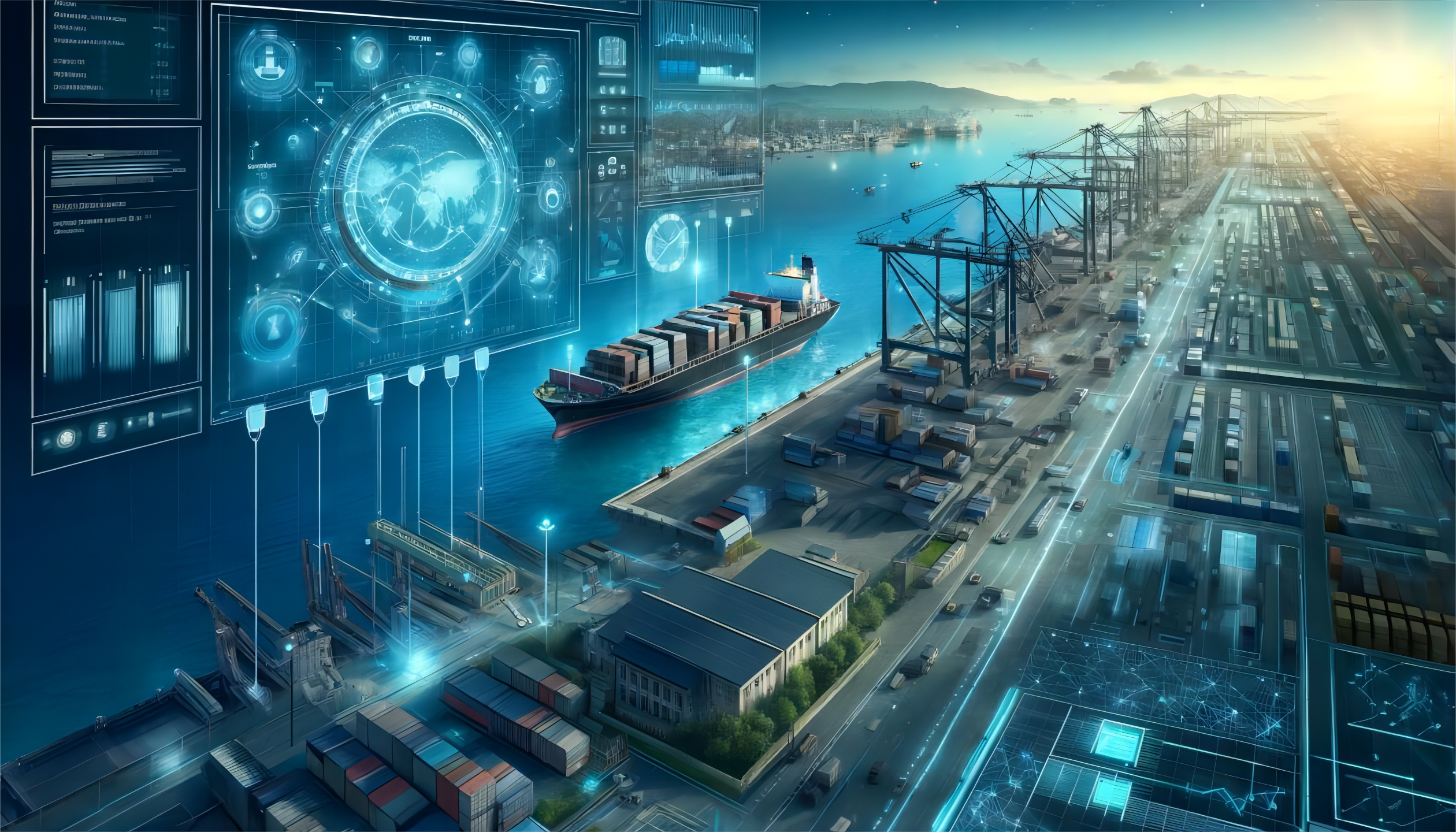
Identifying the most efficient path for oversized toy shipments involves analyzing port efficiency and carrier reliability. The Flat Rack FCL best route for toys from China to Netherlands typically originates from major hubs like Shanghai, Ningbo, or Shenzhen. These ports offer the highest frequency of sailings and the most competitive sea freight rates for specialized equipment.
Choosing a direct service to the Port of Rotterdam is generally the most effective strategy for Dutch importers. Furthermore, Rotterdam serves as a gateway to the rest of Europe, providing excellent hinterland connections via road and barge. This direct approach minimizes the risk of damage during transshipment, which is particularly vital for the open structure of flat rack containers.
Importers must consider that flat racks are designed for cargo that exceeds the dimensions of standard containers. Toys such as large-scale outdoor play sets, commercial slides, or massive plush displays often require this specific loading method. Consequently, selecting a route with minimal handling is paramount to maintaining cargo integrity throughout the journey.
Why Choose Flat Rack Containers for Large Toy Shipments?
Standard containers often restrict the movement of bulky or oddly shaped items that cannot be dismantled. Flat rack containers provide the necessary flexibility by lacking side walls and a roof, allowing for side or top loading. This versatility makes them the preferred choice for massive toy structures that exceed the width or height of a standard 40HQ unit.
Safety remains a top priority when transporting high-value toy inventory across the ocean. Flat racks feature heavy-duty lashing points that allow for secure bracing of the cargo against the base. Moreover, professional packing ensures that even the most delicate oversized components remain stationary during heavy seas.
Utilizing a dedicated shipping to Europe strategy involves selecting the right equipment for the right product. While standard FCL is cheaper, the costs associated with dismantling and reassembling complex toys often outweigh the premium paid for a flat rack. Therefore, flat racks offer a more convenient solution for specialized toy manufacturers.
How Does Flat Rack FCL Compare to Other Shipping Options?
Comparing various shipping methods is essential for optimizing your logistics budget and meeting delivery deadlines. While flat racks are ideal for oversized items, standard FCL or LCL might suffice for smaller, stackable toy boxes. However, for items that simply will not fit in a box, the flat rack stands alone as the most viable ocean option.
Air freight provides the fastest transit but comes with astronomical costs for bulky items. In contrast, rail freight offers a middle ground in terms of speed and cost, though it rarely accommodates oversized flat rack equipment. Consequently, ocean-based flat rack shipping remains the industry standard for large-scale toy distribution.
Key Factors Influencing Shipping Costs and Transit Times
Several variables dictate the final price and duration of your shipment from China to the Netherlands. Fuel surcharges, seasonal demand peaks, and port congestion at either end can cause significant fluctuations in rates. Additionally, the specific dimensions and weight of the oversized toys will determine the exact flat rack pricing tier.
Booking your shipment at least 3-4 weeks in advance is highly recommended to secure space and favorable rates. Peak seasons, such as the months leading up to the holiday period, often see a 20 percent increase in costs. Meanwhile, choosing a carrier with a proven track record for specialized equipment can prevent unexpected delays at the port of loading.
Note: Freight rates are subject to change based on fuel costs, carrier capacity, and seasonal demand. Contact us for a current quote tailored to your specific shipment.
Essential Documentation for Importing Toys to the Netherlands
Compliance with European Union regulations is mandatory for all toy importers to avoid legal complications and fines. The Netherlands enforces strict safety standards, requiring all toys to carry the CE mark and meet EN71 safety specifications. Furthermore, utilizing a professional customs brokerage can help you navigate these complex requirements efficiently.
Documentation must be accurate and complete before the vessel arrives at the Port of Rotterdam. Any discrepancies in the Bill of Lading or Commercial Invoice can lead to costly storage fees and customs holds. Indeed, proactive management of paperwork is the best way to ensure a smooth transition from sea to land.
Case Study 1: Shipping Oversized Outdoor Playhouses
Case Study: Large Wooden Playhouses for Dutch Retailers. Route: Ningbo, China to Rotterdam, Netherlands. Cargo: 12 sets of oversized wooden playhouses, 45 CBM. Container: 40ft Flat Rack.
Shipping Details: The cargo was loaded via a direct service with a major carrier. Port of Loading was Ningbo, and Port of Discharge was Rotterdam. The route was direct to ensure minimal movement of the pre-assembled sections.
Cost Breakdown: Ocean Freight: $4,200. Origin Charges: $450. Destination Charges: $600. Customs and Duties: $1,200. Total Landed Cost: $6,450. Timeline: Booking to Loading: 5 days. Sea Transit: 33 days. Customs Clearance: 2 days. Total Door-to-Door: 42 days.
Key Insight: Using a 40ft flat rack allowed the importer to ship pre-assembled units, saving significant labor costs upon arrival in the Netherlands. This approach reduced the total time-to-market for the seasonal product.
Case Study 2: Commercial Playground Equipment Bulk Shipment
Case Study: Municipal Playground Structures. Route: Shanghai, China to Rotterdam, Netherlands. Cargo: Steel climbing frames and slides, 38 CBM. Container: 40ft Flat Rack.
Shipping Details: Cargo was secured with heavy-duty straps and weather-proof wrapping. Loading occurred at Shanghai Port with a transshipment via Singapore to optimize costs. Discharge was handled at the ECT Delta Terminal in Rotterdam.
Cost Breakdown: Ocean Freight: $3,850. Origin Charges: $500. Destination Charges: $550. Customs and Duties: $1,500. Total Landed Cost: $6,400. Timeline: Booking to Loading: 7 days. Sea Transit: 38 days. Customs Clearance: 3 days. Total Door-to-Door: 50 days.
Key Insight: Although the transshipment added 5 days to the transit time, the $400 savings in ocean freight made the project more viable for the client’s budget. Proper lashing prevented any damage during the extra handling.
Which Option Should You Choose for Your Toy Business?
Deciding on the best shipping strategy depends on your specific business priorities and the nature of your products. If your primary goal is cost reduction and your toys are standard sizes, then a standard 40HQ container is the clear winner. On the other hand, if you are moving high-end, oversized equipment, the specialized flat rack is worth the investment.
Speed requirements also play a critical role in your decision-making process. While ocean freight is slow, it is the only cost-effective way to move large volumes of bulky toys. For urgent restocks of smaller items, a door to door service using air or rail might be necessary to avoid stockouts during peak seasons.
Budget priority: Recommend Sea Freight (Standard FCL). Speed priority: Recommend Rail Freight or Air Freight. Cargo type considerations: Recommend Flat Rack for oversized items. Volume thresholds: Switch from LCL to FCL at approximately 15 CBM to maximize cost efficiency.
Cost-Saving Strategies for China to Netherlands Logistics
Optimizing your supply chain can lead to significant savings over the long term. Consolidating shipments from multiple suppliers into a single container helps reduce origin charges and documentation fees. Additionally, negotiating annual contracts with freight forwarders can provide stability in a volatile market.
Monitoring exchange rates and fuel surcharges allows you to time your bookings more effectively. Furthermore, ensuring that all cargo is packed as densely as possible reduces the total number of containers required. Consequently, even small improvements in packing efficiency can lead to thousands of dollars in annual savings.
Choosing the right port of entry in the Netherlands is another often overlooked strategy. While Rotterdam is the largest, smaller ports might offer lower handling fees or faster customs processing for certain types of cargo. However, the superior infrastructure of Rotterdam usually makes it the Flat Rack FCL best route for toys from China to Netherlands.
Summary of Shipping Toys via Flat Rack
Successfully importing oversized toys requires a strategic approach to container selection and route planning. By focusing on the Flat Rack FCL best route for toys from China to Netherlands, businesses can ensure their products arrive safely and cost-effectively.
Reliable partners and thorough documentation are the cornerstones of a resilient supply chain. Whether you choose sea, rail, or air, understanding the trade-offs of each method will empower you to make informed decisions for your business growth.
Ready to streamline your logistics?
Are you ready to optimize your toy imports? Contact our expert team today to secure the Flat Rack FCL best route for toys from China to Netherlands and receive a customized quote for your next shipment. Send Inquiry
Request Quote