


FCL Shipping for Medical Equipment from China to Florida: A Guide
Transporting sensitive healthcare technology requires a logistics partner that understands the precision needed for high-value cargo. Choosing FCL shipping for medical equipment from China to Florida ensures your shipment remains undisturbed and secure throughout the entire transit. By working with Top China Freight, importers can navigate the complexities of international trade while maintaining the integrity of their medical devices.
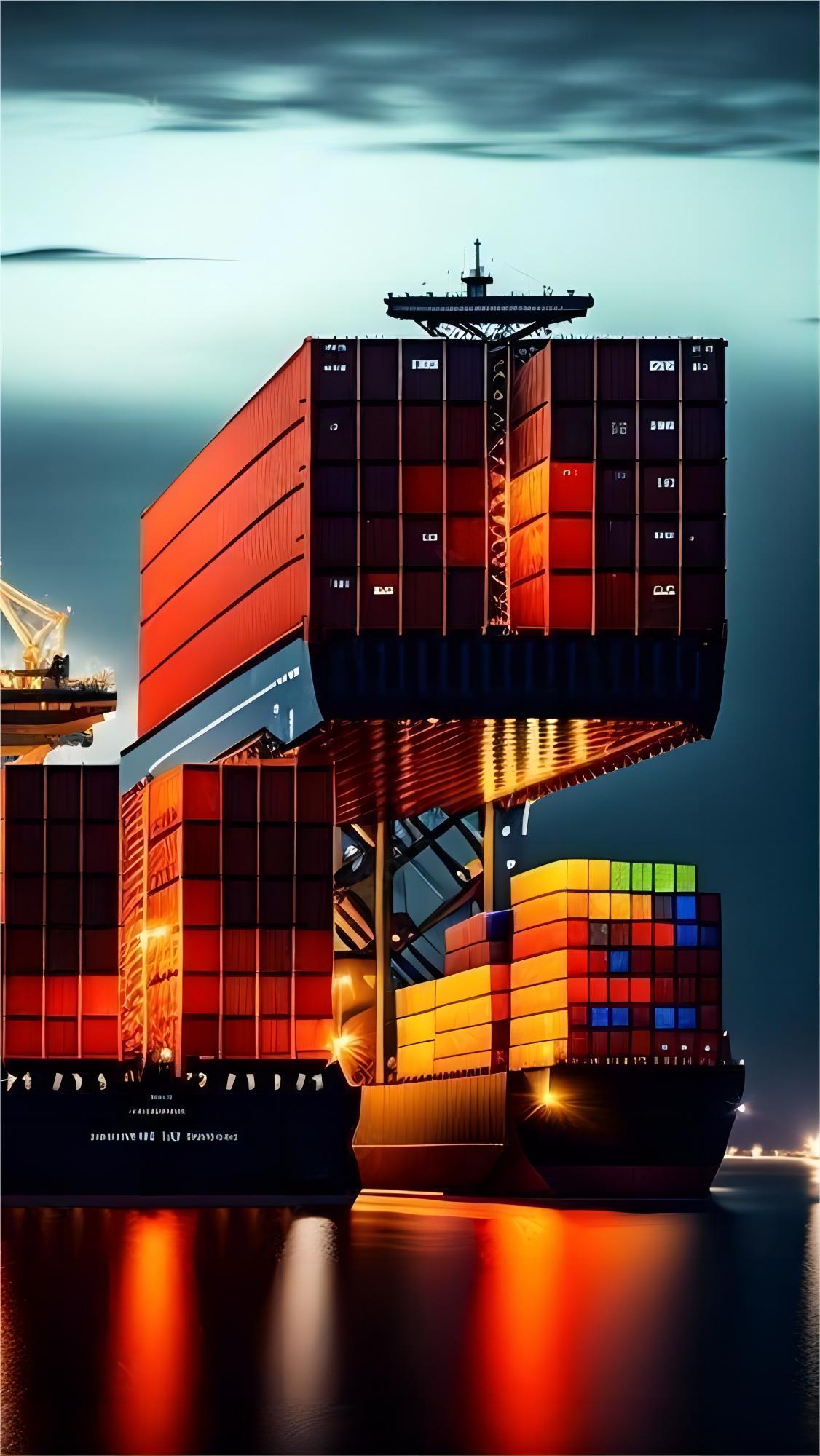
Why Choose FCL Shipping for Medical Equipment from China to Florida?
Full Container Load (FCL) provides a dedicated space for your goods, which is essential for delicate medical instruments. Consequently, the risk of damage from other cargo is eliminated because your equipment is the only item in the container. This method is particularly beneficial for large-scale hospital supplies or imaging machines that require strict environmental controls.
Moreover, sea freight remains the most cost-effective solution for transporting heavy diagnostic machinery over long distances. Shipping from major hubs like Shenzhen or Shanghai to Florida ports requires a robust strategy to manage the 30 to 40-day transit time. Therefore, planning ahead allows medical facilities to maintain their supply chain without interruption.
How Does FCL Compare to Other Shipping Options?
Determining the right mode of transport depends on your budget, volume, and urgency. While air freight offers unmatched speed for urgent surgical tools, it comes at a significantly higher price point. In contrast, FCL provides a balance of security and affordability for bulk shipments.
For smaller shipments, Less than Container Load (LCL) might seem attractive, yet it involves more handling at consolidation warehouses. This additional handling increases the risk of vibration damage to sensitive electronic components. Consequently, FCL is the preferred choice for high-precision medical technology.
| Shipping Method | Cost Range | Transit Time | Best For |
|---|---|---|---|
| FCL (40HQ) | $4,500 – $6,500 | 30-40 Days | Bulk hospital beds |
| LCL (per CBM) | $80 – $150 | 35-45 Days | Small lab supplies |
| Air Freight | $15,000+ | 5-7 Days | Urgent MRI parts |
Which Option Should You Choose?
Budget priority dictates that sea freight is the optimal selection for non-urgent shipments. If your medical facility requires equipment within a week, air transport is the only viable route despite the cost. Furthermore, volume thresholds suggest that any shipment over 15 cubic meters should utilize a 20GP container for better security.
Hybrid solutions like sea-air combinations can sometimes bridge the gap between cost and speed. However, for the China-to-Florida route, direct ocean service to Port Miami or Port Everglades is usually the most reliable. Consider the specific fragility of your cargo before deciding on a transshipment route.
Navigating Customs and FDA Regulations
Importing medical devices into the United States requires strict adherence to FDA guidelines and U.S. Customs and Border Protection rules. Utilizing a professional customs brokerage service ensures that all registrations and device listings are accurate. Failure to provide correct documentation can lead to expensive delays or cargo seizure.
Additionally, you must ensure that the manufacturer in China is FDA-registered and the products meet all safety standards. Documentation such as the Bill of Lading, Commercial Invoice, and Packing List must match the FDA entry precisely. Consequently, proactive compliance is the best way to avoid storage fees at Florida ports.

The Logistics Process from China to Florida Ports
Starting the journey involves picking up the empty container from the port and transporting it to the factory for loading. Once loaded, the container is sealed and moved to the terminal for export clearance. A reliable door to door service manages every step from the Chinese warehouse to your Florida destination.
Transit times vary depending on whether the vessel sails through the Panama Canal or takes a different route. Typically, ships arriving at Port Miami or Jacksonville take approximately 35 days from Shenzhen. Meanwhile, local drayage in Florida ensures the container reaches the hospital or warehouse for final unloading.
Real Case Studies: Medical Equipment Shipping
Case Study 1: MRI Machine Transport. Route: Shanghai to Miami. Cargo: MRI Unit, 28 CBM. Container: 40HQ. Shipping Details: Direct carrier via Panama Canal. Ocean Freight: $5,200. Timeline: 34 days sea transit, 3 days customs. Key Insight: Proper bracing inside the FCL container prevented calibration issues during the long voyage.
Case Study 2: Hospital Bed Shipment. Route: Ningbo to Port Everglades. Cargo: 40 Adjustable Hospital Beds. Container: 40GP. Shipping Details: Transshipment via Busan. Ocean Freight: $4,850. Timeline: 41 days total door-to-door. Key Insight: Using FCL allowed the importer to save 20 percent compared to LCL rates for the same volume.
How to Optimize Your Shipping Costs?
Reducing expenses requires a keen understanding of market trends and seasonal fluctuations. For instance, booking your container at least three weeks in advance can secure lower freight rates. Moreover, consolidating multiple orders into a single FCL shipment reduces the per-unit cost of customs entry fees.
Avoid peak seasons like the weeks leading up to the Lunar New Year when demand spikes and capacity tightens. Furthermore, choosing a port in Florida that is closest to your final destination reduces inland trucking costs. Note: Freight rates are subject to change based on fuel costs, carrier capacity, and seasonal demand. Contact us for a current quote tailored to your specific shipment.
Final Thoughts on Medical Logistics
Successfully managing FCL shipping for medical equipment from China to Florida requires a blend of technical knowledge and logistical expertise. By choosing the right container type and ensuring full regulatory compliance, you protect both your investment and patient safety. Therefore, partnering with a specialist who understands the nuances of medical cargo is the most effective strategy for long-term success.
As logistics trends evolve in 2025, staying informed about transit times and freight rates will help you maintain a competitive edge. Whether you are importing diagnostic machines or basic hospital supplies, FCL remains the gold standard for security and efficiency.

Ready to streamline your logistics?
Streamline your healthcare supply chain with expert logistics support. Contact us today to receive a customized quote for FCL shipping for medical equipment from China to Florida and ensure your life-saving technology arrives safely and on schedule.
Request Quote