
Reefer FCL Booking Process for Textiles from China to Germany
Navigating the Reefer FCL booking process for textiles from China to Germany requires precision and deep industry knowledge. Many importers struggle with moisture damage and temperature fluctuations that can ruin high-end fabrics during long maritime journeys. By partnering with a professional logistics provider like Top China Freight, you can ensure your premium garments arrive in pristine condition. This guide explores the technical requirements, documentation, and cost-saving strategies necessary for successful cold chain textile transport.
Why Choose Reefer FCL for Your Textile Shipments?
Standard dry containers often suffer from condensation, commonly known as container sweat, which can lead to mold and mildew on organic fabrics. Consequently, many fashion brands now utilize temperature-controlled textile shipping to maintain a stable environment. This method is particularly vital for luxury silks, high-tech synthetic fibers, and organic cottons that are sensitive to humidity.
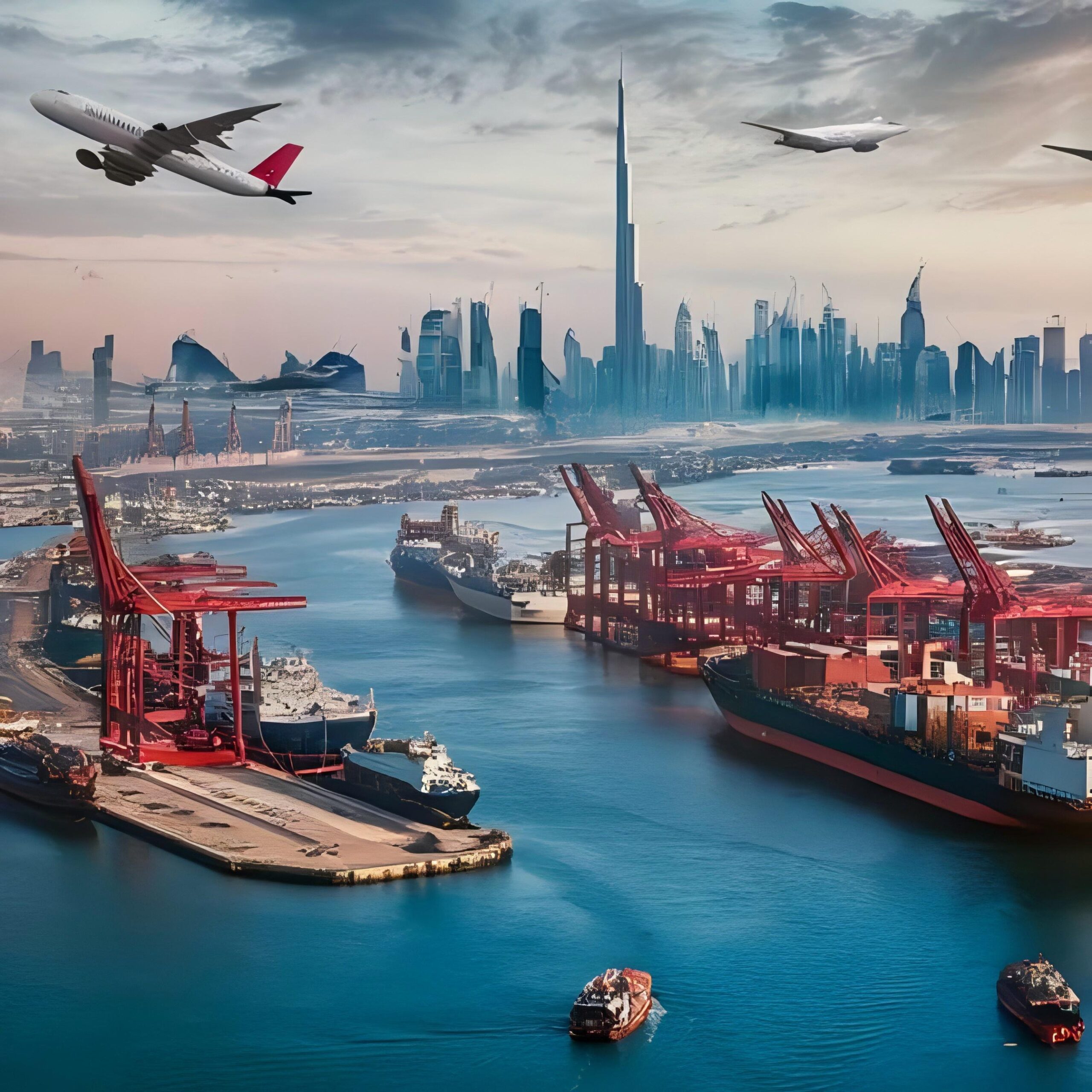
Reefer containers provide active ventilation and precise humidity control, which are essential for long-haul routes. Moreover, choosing a full container load (FCL) ensures that your goods are not co-loaded with potentially contaminating cargo. When you utilize sea freight in a reefer configuration, you gain total control over the internal atmosphere of the unit.
Furthermore, the stability provided by refrigerated units prevents the degradation of fabric dyes and finishes. Without a doubt, the investment in a reefer container pays for itself by eliminating the risk of total cargo loss due to environmental factors. Indeed, the maritime industry has seen a significant shift toward reefer solutions for high-value soft goods.
How Does Reefer FCL Compare to Other Shipping Options?
Evaluating different transport modes is crucial for optimizing your supply chain efficiency. While reefer sea freight is the gold standard for volume and protection, other methods might suit specific deadlines or budget constraints. For instance, air freight offers unmatched speed but comes at a significantly higher price point.
Additionally, rail freight has emerged as a middle-ground solution for those shipping from inland Chinese hubs. However, rail reefer availability is often more limited compared to maritime options. Consequently, shippers must weigh the trade-offs between speed, cost, and the level of environmental control required for their specific textile products.
To summarize, the best choice depends on your inventory turnover requirements and the sensitivity of your materials. Below is a detailed comparison of the primary shipping methods available for the China to Germany route.
| Shipping Method | Cost Range | Transit Time | Best For |
|---|---|---|---|
| Reefer FCL | $3,500 – $5,500 | 30 – 40 Days | High-end volume |
| Air Freight | $15,000 – $25,000 | 5 – 8 Days | Urgent samples |
| Rail Freight | $4,500 – $7,000 | 18 – 22 Days | Mid-range speed |
| Standard FCL | $2,500 – $3,800 | 30 – 40 Days | Low-value bulk |
The Step-by-Step Reefer FCL Booking Process for Textiles
Initiating the booking process begins with defining your specific temperature and humidity requirements. You must inform your freight forwarder of the exact set points needed for your fabrics, typically around 15 to 20 degrees Celsius with low humidity. Once these parameters are set, the carrier allocates a specialized reefer unit from their fleet.
Following the allocation, the empty container is pre-cooled at the depot before being dispatched to your factory in China. This step is critical because loading cargo into a warm container can cause immediate condensation. For smaller, more urgent batches, some importers might consider air freight, though it lacks the same humidity control as a reefer unit.
After loading, the container is sealed and transported to the port of loading, such as Shanghai or Ningbo. Meanwhile, the logistics team monitors the power supply to ensure the reefer unit remains operational during transit to the terminal. In addition, all technical settings are verified once more before the container is loaded onto the vessel.
Understanding Reefer Container Rates for 2025
Shipping costs for refrigerated containers are influenced by fuel surcharges, seasonal demand, and equipment availability. Specifically, reefer rates are generally 20% to 40% higher than standard dry containers due to the electricity consumption and specialized maintenance required. As of early 2025, market data suggests that rates from China to Europe have stabilized but remain subject to change.
Moreover, peak seasons like the weeks leading up to Chinese New Year can cause significant price spikes. Shippers should also account for ‘plug-in’ fees at the port, which cover the cost of electricity while the container waits for loading. If you are looking for a faster alternative during peak times, rail freight might offer a viable solution despite higher costs.
Note: Freight rates are subject to change based on fuel costs, carrier capacity, and seasonal demand. Contact us for a current quote tailored to your specific shipment.
| Container Type | Estimated Rate | Availability | Power Fee |
|---|---|---|---|
| 20ft Reefer | $3,200 – $4,100 | Moderate | Included |
| 40ft Reefer | $4,500 – $5,800 | High | Included |
| 40ft HQ Reefer | $4,800 – $6,200 | High | Included |
Essential Documentation and Customs Compliance
Successful import into Germany requires meticulous attention to documentation to avoid costly delays at the Port of Hamburg. You will need a commercial invoice, a detailed packing list, and a Bill of Lading. Furthermore, textiles often require a Certificate of Origin to determine eligibility for preferential tariff treatments under EU regulations.
Specifically, German customs are very strict regarding the REACH regulation, which limits hazardous chemicals in consumer goods. Therefore, you must ensure your supplier provides all necessary chemical compliance certificates. Utilizing a professional customs brokerage service can significantly streamline this complex process.
Additionally, the EORI number is mandatory for any business importing goods into the European Union. Without this identification, your Reefer FCL booking process for textiles from China to Germany will stall at the border. Consequently, it is wise to verify all tax IDs and compliance documents well before the vessel departs from China.
Real Case Studies: Textile Success Stories
Case Study 1: Premium Silk Garments
Route: Hangzhou, China to Hamburg, Germany. Cargo: 100% Mulberry Silk Apparel, 25 CBM. Container: 40ft Reefer. Shipping Details: Direct sea service via Maersk from Ningbo Port. Cost Breakdown: Ocean Freight $4,200, Origin Charges $450, Destination Charges $600, Customs $1,200. Total Landed Cost: $6,450. Timeline: 34 days total. Key Insight: Maintaining a constant 18 degrees Celsius prevented moisture damage during the humid transit through the Suez Canal.
Case Study 2: Organic Cotton Fabric Rolls
Route: Qingdao, China to Bremen, Germany. Cargo: Organic Cotton Textiles, 55 CBM. Container: 40ft HQ Reefer. Shipping Details: Transshipment via Singapore using COSCO. Cost Breakdown: Ocean Freight $5,100, Origin Charges $500, Destination Charges $750, Customs $1,500. Total Landed Cost: $7,850. Timeline: 38 days total. Key Insight: The use of humidity sensors inside the reefer container provided the buyer with peace of mind regarding organic certification standards.
Which Option Should You Choose? Decision Framework
Choosing the right logistics strategy depends on several variables including your budget, the fragility of the textiles, and your required delivery date. If your priority is protecting a high-value brand image, the Reefer FCL booking process for textiles from China to Germany is the most secure path. On the contrary, for low-margin bulk items, a standard dry container with desiccant bags might suffice.
For those requiring a complete hands-off approach, a door to door service is highly recommended. This service covers everything from factory pickup in China to final delivery at your warehouse in Germany. Ultimately, the goal is to balance the cost of logistics against the potential risk of inventory damage.
In addition, consider the volume of your shipment. If you have enough cargo to fill at least 70% of a container, FCL is always more economical than LCL. However, for smaller high-end batches, reefer LCL is rarely available, making air freight the only other climate-controlled alternative.
Mastering Your Textile Logistics
In conclusion, managing the Reefer FCL booking process for textiles from China to Germany is a sophisticated task that requires the right partners and technical settings. By understanding the importance of humidity control and temperature stability, you can safeguard your textile investments against the harsh conditions of maritime transport. Whether you choose sea, air, or rail, prioritizing the environmental needs of your fabric is the key to long-term success in the fashion industry.
Moreover, staying updated on 2025 freight trends and customs regulations will help you avoid unnecessary costs. Always remember that the cheapest shipping option is not always the most cost-effective if it results in damaged goods. To summarize, professional reefer management is the ultimate insurance for your textile supply chain.
Ready to streamline your logistics?
Ready to secure your supply chain? Our team specializes in the Reefer FCL booking process for textiles from China to Germany, ensuring your cargo stays protected from start to finish. Contact us today for a customized quote and expert guidance on your next shipment. Visit Top China Freight to get started now.
Request Quote