

Reefer FCL insurance for electronics from China to Belgium: Top 5 Protection Strategies
Reefer FCL insurance for electronics from China to Belgium is a vital component of modern supply chain management for high-tech manufacturers. Shipping sensitive electronic components across continents involves navigating significant thermal risks and humidity challenges that standard dry containers cannot address. Top China Freight specializes in managing these complex logistics requirements to ensure your inventory arrives in perfect working condition. Moreover, securing the right insurance coverage provides the financial peace of mind necessary for international trade. Consequently, businesses must understand how temperature-controlled environments and comprehensive cargo protection work together to safeguard their investments.
Why is Reefer FCL insurance for electronics from China to Belgium Necessary?
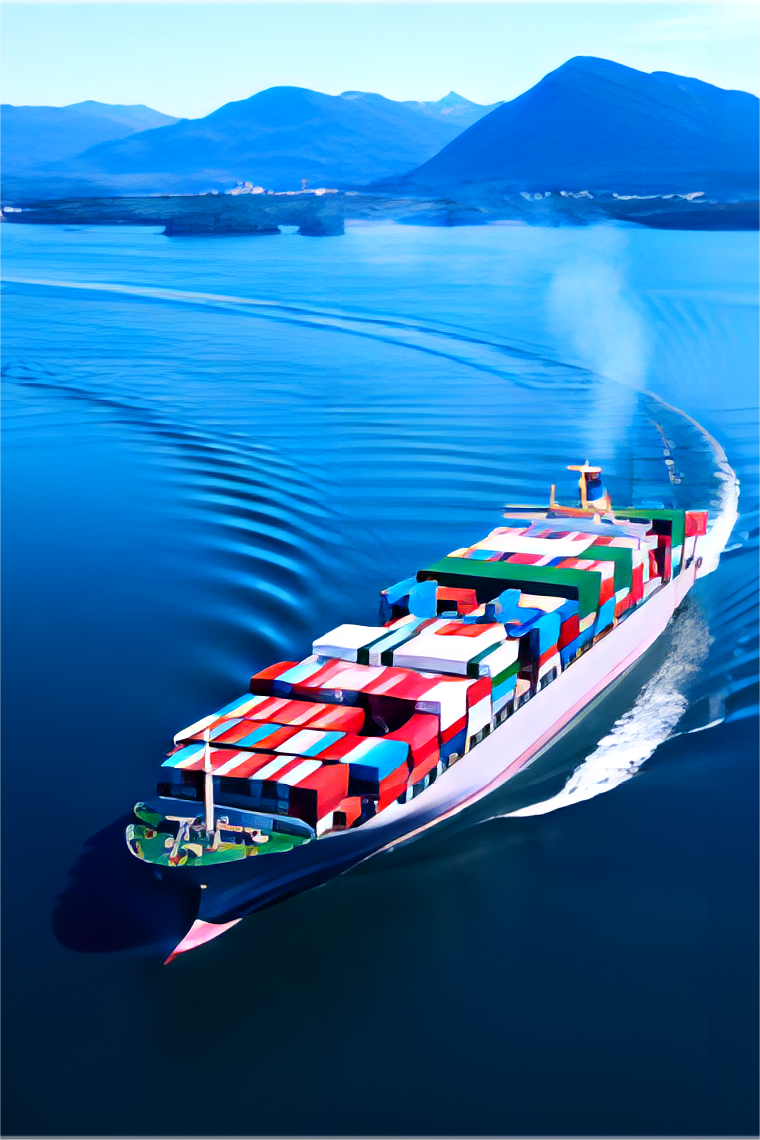
Shipping electronics in a refrigerated container might seem unusual, but it is a growing trend in high-value logistics risk management. Specialized reefer containers provide a stable climate that prevents the delicate internal circuits of smartphones and servers from experiencing thermal shock. Furthermore, many logistics experts recommend using sea freight with temperature control to avoid the moisture buildup common in tropical transit zones. Specifically, the condensation that occurs during the transition from the South China Sea to the cooler North Sea can be devastating for unshielded electronics.
Insurance policies tailored for this route cover more than just physical loss or theft during the voyage. Indeed, comprehensive marine cargo insurance protects against temperature deviations caused by equipment failure or power loss on the vessel. Additionally, the high value of electronic shipments means that even a minor percentage of damage can result in millions of dollars in losses. Therefore, choosing a specialized insurance plan is not just an option; it is a fundamental requirement for supply chain resilience. Nevertheless, importers must verify that their policy explicitly includes ‘reefer breakdown’ clauses to ensure full protection.
Key Risks in Electronics Shipping and How Insurance Mitigates Them
Transit risk mitigation involves identifying every potential point of failure between the factory in Shenzhen and the warehouse in Antwerp. Firstly, physical damage during cargo handling remains a primary concern for logistics managers worldwide. Because electronic components are inherently fragile, even slight impacts can cause microscopic fractures in silicon wafers. However, a robust insurance policy ensures that the cost of replacement and expedited shipping is covered if accidents occur during loading. Subsequently, businesses can maintain their delivery schedules without suffering significant financial setbacks.
Humidity and moisture ingress represent the second major threat to electronic component safety during the long sea journey. Although reefer containers are sealed, any breach in the container’s integrity can lead to salt-air exposure. In fact, salt air is highly corrosive to the copper and gold connections found in modern high-end electronics. By securing specialized insurance, importers gain coverage for environmental damage that standard freight liability might exclude. Meanwhile, implementing real-time tracking and sensors provides the data needed to prove insurance claims in the event of a temperature excursion.
How Does Reefer FCL Compare to Other Shipping Options?
Choosing the right transport mode requires a careful balance between cost, speed, and the level of protection required for your specific goods. While most electronics travel via Europe bound sea routes, alternatives like air and rail offer different advantages. For instance, air freight provides the fastest transit time but comes at a significantly higher price point that may not be sustainable for all product margins. Conversely, rail freight offers a middle ground in terms of both cost and speed, though temperature control options are more limited than in sea reefer containers.
Standard dry containers are much cheaper than reefer units, but they offer zero protection against the 50-degree Celsius temperatures often reached inside steel boxes on a sunny deck. Therefore, the higher freight rates for reefer FCL are justified by the drastic reduction in cargo damage rates. To help you decide, consider the following comparison of the primary shipping methods available from China to Belgium for electronic goods.
Note: Freight rates are subject to change based on fuel costs, carrier capacity, and seasonal demand. Contact us for a current quote tailored to your specific shipment.
| Shipping Method | Cost Range (USD) | Transit Time | Best For |
|---|---|---|---|
| Sea Reefer FCL | $4,500 – $6,500 | 35 – 45 Days | High-value bulk |
| Air Freight | $15,000 – $25,000 | 5 – 8 Days | Urgent/Small |
| Rail Reefer | $8,000 – $12,000 | 18 – 24 Days | Mid-tier speed |
| Sea Dry FCL | $2,500 – $3,800 | 35 – 45 Days | Low-sensitivity |

Understanding Insurance Premium Factors for China-Belgium Routes
Several variables influence the final cost of your insurance premium when shipping from major Chinese ports like Shanghai or Ningbo. Primarily, the total declared value of the electronics is the most significant factor in determining the insurance rate. Moreover, the specific type of electronics, such as lithium-ion batteries versus passive components, will change the risk profile significantly. Additionally, the choice of air freight or sea freight affects the premium because shorter transit times generally correlate with lower risk of environmental damage.
Carriers also look at the historical loss ratio of the shipping route and the reputation of the logistics provider. Specifically, using a freight forwarder with a proven track record in cold chain solutions can often lead to lower insurance costs. Furthermore, the inclusion of door-to-door coverage rather than just port-to-port protection will increase the premium but offers much better security. Consequently, importers should weigh the cost of the premium against the potential total loss of the shipment.
Typical insurance rates as of early 2025 range from 0.3% to 0.7% of the total landed cost of the goods. For a container valued at $500,000, this equates to a premium of $1,500 to $3,500. While this is an additional expense, it is negligible compared to the risk of a total loss due to a cooling system failure on the ship.
Customs and Documentation for Belgium Electronics Imports
Navigating the regulatory landscape in Belgium requires precise documentation to avoid costly delays at the Port of Antwerp or Zeebrugge. Importers must provide a detailed commercial invoice, a packing list, and the specialized Bill of Lading for reefer containers. In addition, electronics often require specific certifications such as CE marking to prove compliance with European safety standards. Utilizing a professional customs brokerage service is highly recommended to manage these requirements efficiently.
Belgium has strict electronics import regulations regarding waste and hazardous materials, particularly for items containing batteries. Furthermore, the customs authorities may request proof of insurance as part of the valuation process for duty calculations. Accordingly, having your Reefer FCL insurance for electronics from China to Belgium documents ready can speed up the clearance process significantly. Indeed, any delay in customs can jeopardize the temperature integrity of the cargo if the reefer unit is not properly powered at the terminal.
| Document Name | Purpose | Required By | Priority |
|---|---|---|---|
| Bill of Lading | Proof of Carriage | Carrier/Customs | Critical |
| Commercial Invoice | Tax/Duty Basis | Customs | Critical |
| Insurance Certificate | Risk Coverage | Bank/Customs | High |
| CE Certificate | Safety Compliance | EU Authorities | High |
Case Studies: Successful Reefer Electronics Shipments
Examining real-world examples helps illustrate the practical benefits of using temperature-controlled shipping and comprehensive insurance. These cases reflect typical market conditions and pricing as of late 2024 and early 2025. By analyzing these scenarios, businesses can better prepare for their own logistics challenges.
Case Study 1: Protecting High-End Tablet Shipments Route: Shenzhen, China to Antwerp, Belgium Cargo: High-end tablets, 65 CBM, 12,500 kg Container: 40HQ Reefer Shipping Details: – Carrier/Service: Major Global Carrier – Port of Loading: Shenzhen – Port of Discharge: Antwerp – Route Type: Direct Cost Breakdown: – Ocean Freight: $5,400 – Origin Charges: $480 – Destination Charges: $620 – Customs and Duties: $1,450 – Total Landed Cost: $7,950 Timeline: – Booking to Loading: 6 days – Sea Transit: 34 days – Customs Clearance: 2 days – Total Door-to-Door: 42 days Key Insight: Temperature stability prevented screen delamination issues.
Case Study 2: Precision Sensor Logistics Route: Shanghai, China to Zeebrugge, Belgium Cargo: Industrial Sensors, 25 CBM, 5,000 kg Container: 20GP Reefer Shipping Details: – Carrier/Service: Premium Cold Chain Service – Port of Loading: Shanghai – Port of Discharge: Zeebrugge – Route Type: Transshipment via Singapore Cost Breakdown: – Ocean Freight: $4,100 – Origin Charges: $350 – Destination Charges: $450 – Customs and Duties: $900 – Total Landed Cost: $5,800 Timeline: – Booking to Loading: 4 days – Sea Transit: 38 days – Customs Clearance: 3 days – Total Door-to-Door: 45 days Key Insight: Insurance covered a minor sensor recalibration cost.
These case studies demonstrate that while costs are higher for reefer containers, the security they provide for high-value electronics is indispensable. Moreover, door to door services ensure that the temperature chain is never broken during the final mile of delivery.

Decision Framework: Which Option Should You Choose?
Determining the best shipping strategy depends on your specific business priorities and the nature of your electronic goods. If your primary goal is budget optimization and your electronics are ruggedized, a standard dry container with moisture-absorbing silica gel might suffice. However, for high-precision instruments or consumer electronics with sensitive displays, the reefer FCL option is the only way to guarantee quality. Additionally, consider the seasonal timing of your shipment; summer transits through the Suez Canal involve much higher heat risks than winter routes.
Speed priority always points toward air freight, but the cost-to-weight ratio often makes this prohibitive for large volumes. In contrast, if you have a consistent supply chain with predictable demand, the 40-day lead time of sea freight allows for significant cost savings. Ultimately, your choice should be guided by a thorough risk assessment that includes the cost of potential stockouts versus the cost of premium shipping. Use the following criteria to guide your final decision.
Budget priority: Recommend Sea Dry FCL or LCL (if goods are not sensitive). Speed priority: Recommend Air Freight. Cargo safety priority: Recommend Reefer FCL with All-Risk Insurance. Volume threshold: For shipments over 15 CBM, FCL is generally more economical than LCL.
Securing Your Electronics Supply Chain
In conclusion, managing Reefer FCL insurance for electronics from China to Belgium is a complex but necessary task for modern importers. By combining temperature-controlled shipping with robust insurance coverage, you mitigate the most significant risks associated with international logistics. Specifically, the prevention of humidity damage and thermal shock ensures that your products maintain their value and functionality upon arrival in Belgium. Furthermore, working with experienced partners like Top China Freight allows you to navigate customs and carrier requirements with ease.
As market trends in 2025 continue to emphasize quality and reliability, investing in specialized shipping solutions becomes a competitive advantage. Therefore, do not leave your high-value cargo to chance; prioritize comprehensive insurance and specialized reefer containers for all your electronic shipments from China.
Ready to streamline your logistics?
Protect your high-value electronics today with a customized Reefer FCL insurance for electronics from China to Belgium plan. Contact our experts at Top China Freight to receive a competitive quote and ensure your supply chain remains resilient against environmental risks. Send Inquiry: Visit https://Top China Freight.com/ to get started.
Request Quote