
Open Top FCL Shipping from China to California: The Ultimate Guide
Managing oversized cargo requires specialized logistics solutions to ensure safety and efficiency. Top China Freight provides expert guidance for businesses navigating the complexities of transpacific trade. This guide explores everything you need to know about Open Top FCL shipping from China to California for your heavy machinery and out-of-gauge equipment.
What is Open Top FCL Shipping?
Open top containers feature a removable tarpaulin roof instead of a solid steel top. Specifically, this design allows for the loading of cargo that is too tall for standard units. Shippers typically use cranes to lower heavy items directly into the container from above.
Choosing sea freight with open top containers is ideal for industrial boilers, large pipes, and construction machinery. Furthermore, these containers maintain the same footprint as standard 20ft and 40ft units. This compatibility ensures they fit seamlessly onto standard container vessels.
Lashing rings are integrated into the floor and side rails to secure the load. Consequently, your cargo remains stable even during turbulent sea conditions. This specialized equipment is essential for maintaining the integrity of expensive industrial assets during transit.
Why Choose Open Top FCL Shipping from China to California?
California serves as the primary gateway for Asian goods entering the United States market. Therefore, utilizing Open Top FCL shipping from China to California offers direct access to world-class infrastructure. The ports of Los Angeles and Long Beach are uniquely equipped to handle out-of-gauge (OOG) shipments.
Heavy machinery manufacturers in China often produce equipment that exceeds standard height limits. Accordingly, open top containers provide the necessary clearance without the extreme costs of breakbulk shipping. This method balances protection with the flexibility required for tall dimensions.
Moreover, shipping to California reduces inland transit times for West Coast deliveries. Most major logistics hubs are located within a short distance of the primary coastal terminals. This proximity allows for faster turnaround times once the vessel docks.
Key Equipment: 20ft vs 40ft Open Top Containers
Understanding the dimensions of your equipment is the first step in container selection. A 20ft open top container is perfect for heavy, compact items like stone slabs or engine blocks. In contrast, the 40ft version accommodates longer machinery and larger project components.
Specifically, the internal height remains a critical factor for out-of-gauge cargo. While the roof is open, the door header can often be swung out to facilitate loading. This feature allows for easier access when using forklifts or overhead cranes.
| Feature | 20ft Open Top | 40ft Open Top | Max Payload |
|---|---|---|---|
| Internal Length | 5.89 meters | 12.03 meters | N/A |
| Internal Width | 2.35 meters | 2.35 meters | N/A |
| Internal Height | 2.35 meters | 2.35 meters | N/A |
| Weight Limit | 28,000 kg | 26,500 kg | Varies |
How Does Open Top FCL Shipping Compare to Other Shipping Options?
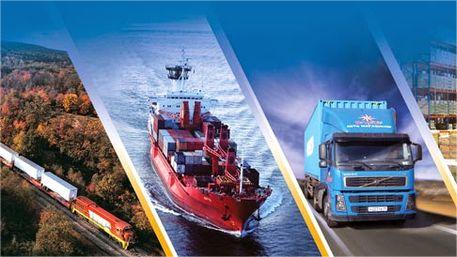
Comparing different methods helps you optimize your supply chain budget. While air freight offers incredible speed, it is rarely feasible for oversized machinery due to weight limits. Open top containers provide a much more economical solution for heavy industrial loads.
Flat rack containers are another alternative for cargo that is both over-height and over-width. However, open top units offer better protection from the elements because they have side walls. You should choose open top when only the height is the primary concern.
Standard FCL is always the cheapest option if your cargo fits inside. Nevertheless, forcing oversized items into standard containers can lead to damage. Transitioning to specialized equipment is a necessary investment for high-value machinery.
| Method | Cost Range | Transit Time | Best For |
|---|---|---|---|
| Open Top FCL | $3,500 – $5,800 | 14-22 Days | Tall Machinery |
| Flat Rack | $4,800 – $7,500 | 14-22 Days | Wide/Tall Cargo |
| Air Freight | $15,000+ | 3-7 Days | Small/Urgent |
| Standard FCL | $2,500 – $3,800 | 14-22 Days | Standard Goods |
Step-by-Step Process for Open Top FCL Shipping from China to California
Initially, you must provide accurate dimensions and weight to your freight forwarder. This data allows the carrier to calculate the necessary space and surcharges. Accuracy at this stage prevents unexpected delays at the port of loading.
Securing the cargo is the next vital phase of the process. Professional packers use heavy-duty straps and timber blocking to prevent movement. Indeed, improper lashing is the leading cause of damage for out-of-gauge shipments.
Managing the customs brokerage requirements is equally important for a smooth arrival. You must ensure all HS codes are correct for your specific machinery type. US Customs and Border Protection requires precise documentation for all industrial imports.
Finally, the container is loaded onto the vessel using specialized shore cranes. Because the cargo may protrude from the top, it is usually placed on the top tier of the ship. This positioning ensures that no other containers are stacked above it.
Cost Breakdown and Pricing Factors
Several variables influence the total cost of your shipment. Ocean freight rates for open top containers include a base rate plus an OOG surcharge. These surcharges cover the ‘lost slots’ on the ship where other containers cannot be placed.
Terminal handling charges (THC) are often higher for specialized equipment. Additionally, you must account for the cost of high-quality tarpaulins and professional lashing services. These expenses are essential for ensuring a door to door delivery without complications.
Note: Freight rates are subject to change based on fuel costs, carrier capacity, and seasonal demand. Contact us for a current quote tailored to your specific shipment.
| Cost Component | Estimated Range | Frequency | Notes |
|---|---|---|---|
| Ocean Freight | $3,000 – $5,000 | Per Container | Market Dependent |
| OOG Surcharge | $500 – $1,500 | Per Container | Based on Height |
| Lashing/Securing | $300 – $800 | Per Shipment | Labor/Materials |
| Customs Entry | $150 – $300 | Per Entry | Excludes Duties |
Transit Times to California Ports
Shipping to North America from China is one of the fastest transpacific routes. Specifically, vessels departing from Shanghai or Ningbo can reach Los Angeles in approximately 14 to 16 days. This speed is a significant advantage for West Coast importers.
Northern California deliveries via the Port of Oakland typically take slightly longer. You should expect a transit time of 18 to 21 days for these routes. Meanwhile, seasonal weather patterns in the Pacific can occasionally add a few days to the schedule.
Notably, port congestion can impact the total door-to-door timeline. While the sea transit is predictable, unloading and customs clearance can vary. Planning for a 25 to 30-day total window is a safe strategy for most businesses.
Real-World Case Studies
Case Study 1: Industrial Press Export. Route: Shanghai, China to Long Beach, USA. Cargo: Hydraulic Press, 18 CBM, 12,000 kg. Container: 20ft Open Top. Shipping Details: Direct service via COSCO. Cost Breakdown: Ocean Freight $3,800, Origin Charges $450, Destination Charges $600, Customs $250. Total Landed Cost: $5,100. Timeline: 5 days booking, 15 days transit, 3 days clearance. Total: 23 days. Key Insight: Early booking ensured equipment availability during peak season.
Case Study 2: Construction Equipment. Route: Shenzhen, China to Oakland, USA. Cargo: Excavator Components, 45 CBM, 22,000 kg. Container: 40ft Open Top. Shipping Details: Transshipment via Busan. Cost Breakdown: Ocean Freight $5,200, Origin Charges $550, Destination Charges $750, Customs $300. Total Landed Cost: $6,800. Timeline: 7 days booking, 21 days transit, 4 days clearance. Total: 32 days. Key Insight: Professional lashing prevented damage during the transshipment process.
Which Option Should You Choose? Decision Framework
Deciding on the right shipping method requires a clear set of priorities. If your primary concern is budget and the cargo fits standard limits, choose standard FCL. However, when height is the only obstacle, the open top container is your most cost-effective specialized tool.
Speed priority often leads shippers to consider air freight. Nevertheless, for oversized items, the cost difference is usually prohibitive. Consequently, most industrial importers stick to ocean freight while building a buffer into their delivery schedules.
Volume thresholds also play a role in your decision. For very large projects with multiple oversized pieces, breakbulk might become more economical. For single units or small batches, Open Top FCL remains the industry standard for California-bound freight.
Mastering Open Top FCL Shipping from China to California
Successfully navigating Open Top FCL shipping from China to California requires attention to detail and expert partnerships. By understanding the equipment specifications and cost structures, you can avoid common pitfalls in the logistics process.
Ultimately, the goal is to ensure your valuable machinery arrives safely and on schedule. Whether you are shipping to Long Beach, Los Angeles, or Oakland, the right preparation makes all the difference. Trust in professional services to handle your out-of-gauge cargo with the care it deserves.
Ready to streamline your logistics?
Ready to streamline your Open Top FCL shipping from China to California? Contact our logistics experts today for a customized quote and professional cargo handling. Visit our website to Send Inquiry and secure your shipment.
Request Quote