

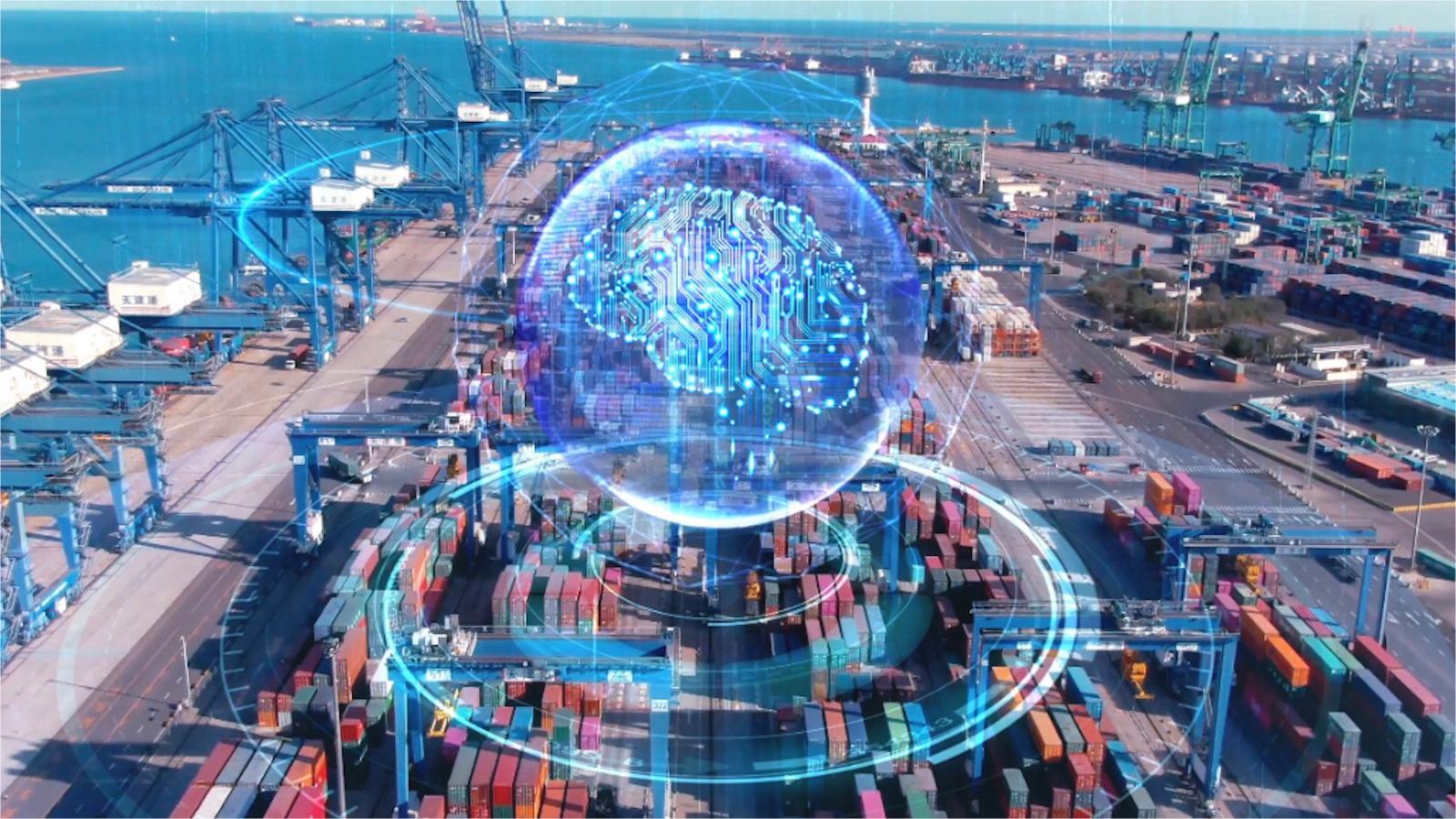
Reefer FCL Best Route for Electronics from China to Europe
Shipping high-value electronics requires extreme precision and climate control to prevent damage from temperature fluctuations or humidity. Finding the Reefer FCL best route for electronics from China to Europe ensures your goods remain stable and secure throughout the long maritime journey. Start your logistics journey with Top China Freight to optimize your supply chain and protect your valuable assets from factory to warehouse.
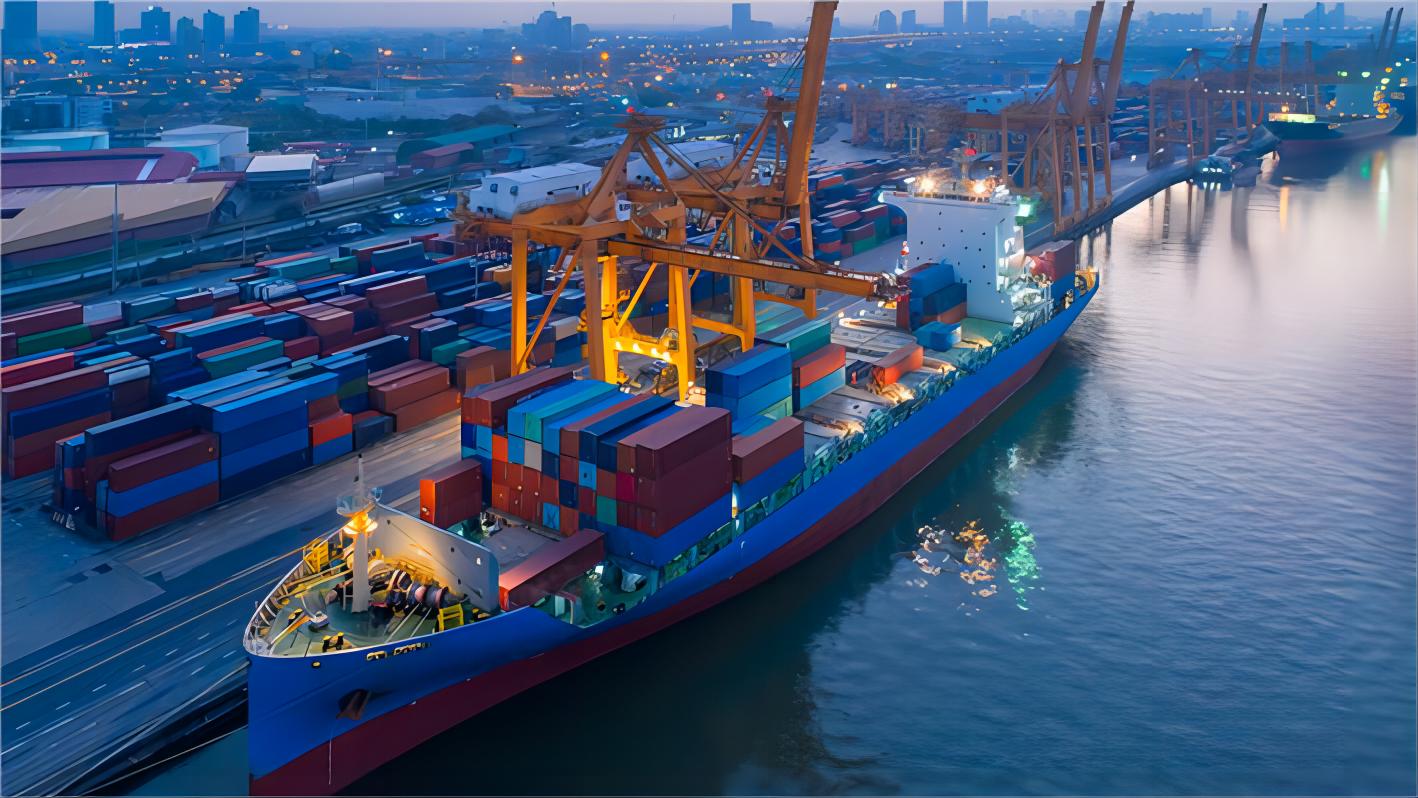
Why is Reefer FCL Necessary for Electronics Shipping?
Most people associate refrigerated containers with perishable food or pharmaceuticals. However, sophisticated electronics and semiconductor components are highly sensitive to extreme heat and moisture. Consequently, using a reefer container provides a consistent internal environment that standard dry containers cannot offer.
Temperature fluctuations during the transit across the Indian Ocean and the Red Sea can lead to condensation. This moisture often causes micro-corrosion in delicate circuits or damages retail packaging. Therefore, Reefer FCL (Full Container Load) serves as a premium insurance policy for your hardware.
Moreover, the airtight nature of these units protects against salt air and dust. High-end manufacturers increasingly prefer this method to maintain product integrity. Indeed, the slight increase in freight cost is negligible compared to the risk of a total cargo loss due to environmental damage.
Identifying the Reefer FCL Best Route for Electronics from China to Europe
Selecting the right path involves balancing speed, cost, and port efficiency. Currently, the most stable route for reefer cargo departs from major hubs like Shanghai or Shenzhen. These ports offer the most frequent departures and the most modern cold chain infrastructure.
Typically, the southern route via the Suez Canal remains the primary choice for sea freight. Although geopolitical issues can cause delays, the established infrastructure at ports like Rotterdam and Hamburg is unmatched. Consequently, most electronics giants prioritize these direct calls to minimize handling.
In addition, considering sea freight for these routes allows for large volume stability. While transit times are longer than air, the climate control in a reefer unit negates the risks of a 35-day journey. This makes it the most cost-effective solution for bulk inventory replenishment.
How Does Reefer FCL Compare to Other Shipping Options?
Objective analysis of shipping methods is crucial for supply chain managers. While air freight is faster, the costs are often ten times higher for the same volume of electronics. Furthermore, air cargo does not always offer the same level of continuous climate control as a dedicated reefer container.
Rail freight is another alternative growing in popularity. Nevertheless, the vibration levels on trains can be higher than on ocean vessels. For sensitive electronics, the smooth transit of a container ship is often preferred over the jolts of a trans-continental rail journey.
To summarize the options, consider the following comparison table based on 2024-2025 market data.
| Shipping Method | Cost Range (40HQ) | Transit Time | Best For |
|---|---|---|---|
| Reefer Sea FCL | $3,800 – $5,200 | 30-40 Days | High-value bulk electronics |
| Standard Sea FCL | $2,800 – $4,200 | 30-40 Days | Non-sensitive hardware |
| Rail Freight | $6,000 – $8,500 | 18-24 Days | Mid-range urgency |
| Air Freight | $15,000 – $25,000 | 5-8 Days | Product launches/Samples |
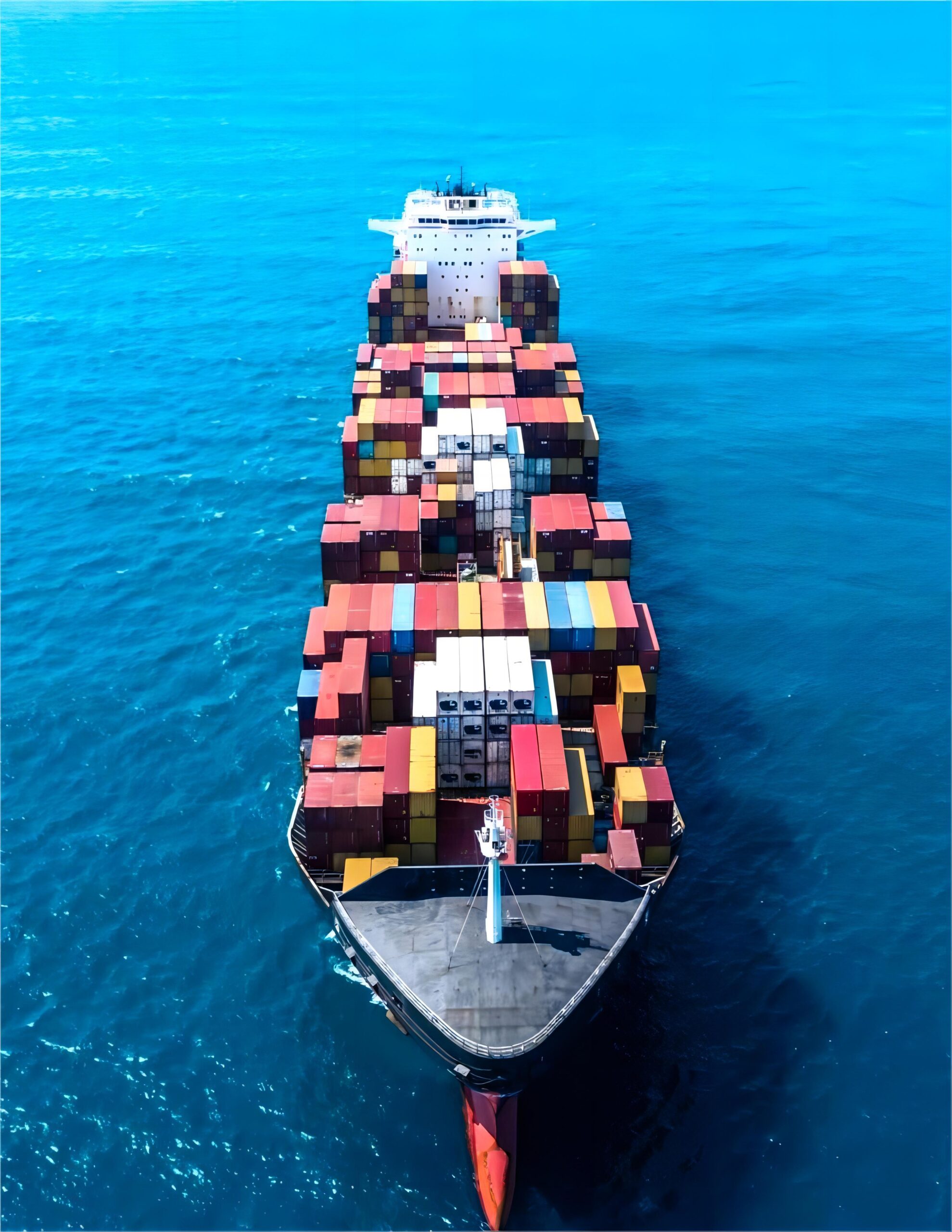
Which Option Should You Choose for Your Electronics?
The decision depends largely on your budget priority and the sensitivity of your components. If you are shipping lithium-ion batteries or high-end servers, the Reefer FCL best route for electronics from China to Europe is almost always the sea route via a direct carrier. This path minimizes the risk of power interruptions to the cooling unit during transshipment.
If speed is your absolute priority, then air freight is the only viable choice despite the cost. However, for 90% of retail electronics distribution, the sea route provides the best balance. You should choose Reefer FCL when your cargo value exceeds $100,000 per container or if the components are rated for specific temperature ranges.
Volume thresholds also play a role in this decision. For shipments under 15 CBM, you might consider LCL, but reefer LCL is rare and expensive. Therefore, consolidating your electronics into a full reefer container is the most professional approach.
Case Study 1: High-End Server Racks from Shenzhen to Rotterdam
Origin: Shenzhen, China. Destination: Rotterdam, Netherlands. Cargo: Data Center Server Racks. Size: 40HQ Reefer. Total weight: 12,500 kg.
Shipping Details: The cargo was loaded at Yantian Port and shipped via a direct Maersk service. We maintained a constant temperature of 18 degrees Celsius throughout the voyage. The route bypassed several smaller ports to ensure the fastest possible transit.
Cost Breakdown: Ocean freight was $4,350. Origin charges including THC and documentation totaled $450. Destination charges in Rotterdam were $600. The total landed cost reached approximately $5,400.
Timeline: Booking to loading took 4 days. Sea transit lasted 32 days. Customs clearance was completed in 2 days. The total door-to-door time was 38 days. Key Insight: Direct routing prevented potential power disconnects during transshipment.
Case Study 2: Semiconductor Components from Shanghai to Hamburg
Origin: Shanghai, China. Destination: Hamburg, Germany. Cargo: Precision Semiconductor Wafers. Size: 20GP Reefer. Total weight: 8,000 kg.
Shipping Details: This shipment utilized rail freight as a test for faster delivery. However, the client eventually reverted to sea freight for better climate stability. The reefer unit was monitored via GPS and remote temperature sensors.
Cost Breakdown: The rail reefer cost was $7,200. Sea freight for a similar unit would have been $3,600. Customs and duties were handled by a professional customs brokerage to avoid delays.
Timeline: The rail transit took 20 days. Total door-to-door was 26 days. Key Insight: While rail is faster, the sea route remains the more economical choice for consistent temperature-controlled logistics.
Understanding Logistics Trends and Cost-Saving Strategies
The global logistics landscape is constantly evolving due to fuel price fluctuations and environmental regulations. As of early 2025, many carriers are introducing ‘slow steaming’ to reduce carbon emissions. Consequently, you must plan for slightly longer transit times when calculating your inventory cycles.
To save costs, try to book your reefer containers at least 3-4 weeks in advance. Rates typically increase by 15-25% during the peak season from August to October. Additionally, utilizing door to door services can reduce the individual markups from multiple vendors.
Another effective strategy is to optimize your packaging to fit more units within the reefer’s internal dimensions. Since reefer containers have slightly thicker walls than dry vans, your pallet dimensions must be precise. Indeed, small adjustments in packaging can lead to significant savings over a year of shipping.
Navigating Customs and Documentation for European Imports
Importing electronics into the European Union requires strict adherence to compliance standards like CE marking and RoHS. Furthermore, the documentation for reefer cargo must include temperature logs to prove the goods remained within the specified range. This is especially important for insurance claims in case of hardware failure.
Your commercial invoice must clearly state the country of origin and the HS codes for each component. Incorrect coding often leads to expensive delays at the port of discharge. Therefore, working with an experienced partner in Europe is essential for a smooth transition.
Note: Freight rates are subject to change based on fuel costs, carrier capacity, and seasonal demand. Contact us for a current quote tailored to your specific shipment.
Final Thoughts on Reefer Shipping for Electronics
In conclusion, identifying the Reefer FCL best route for electronics from China to Europe is a strategic necessity for modern tech companies. By choosing temperature-controlled containers, you mitigate the risks of humidity and heat damage that often plague standard shipping methods. While sea freight remains the most popular and cost-effective choice, the key to success lies in careful planning and expert execution.
Furthermore, as market conditions fluctuate, staying informed about logistics trends will help you maintain a competitive edge. Whether you prioritize speed or cost, ensuring your high-value electronics are protected is the ultimate goal. Trust professional freight forwarders to handle the complexities of the China-Europe route while you focus on growing your business.
Ready to streamline your logistics?
Ready to secure your electronics shipment? Contact Top China Freight today for a customized quote on the Reefer FCL best route for electronics from China to Europe. Our experts are standing by to optimize your cold chain logistics and ensure your cargo arrives in perfect condition. Visit our website to Send Inquiry and get started now.
Request Quote