


Reefer FCL shipping from China to New Jersey: Complete Guide
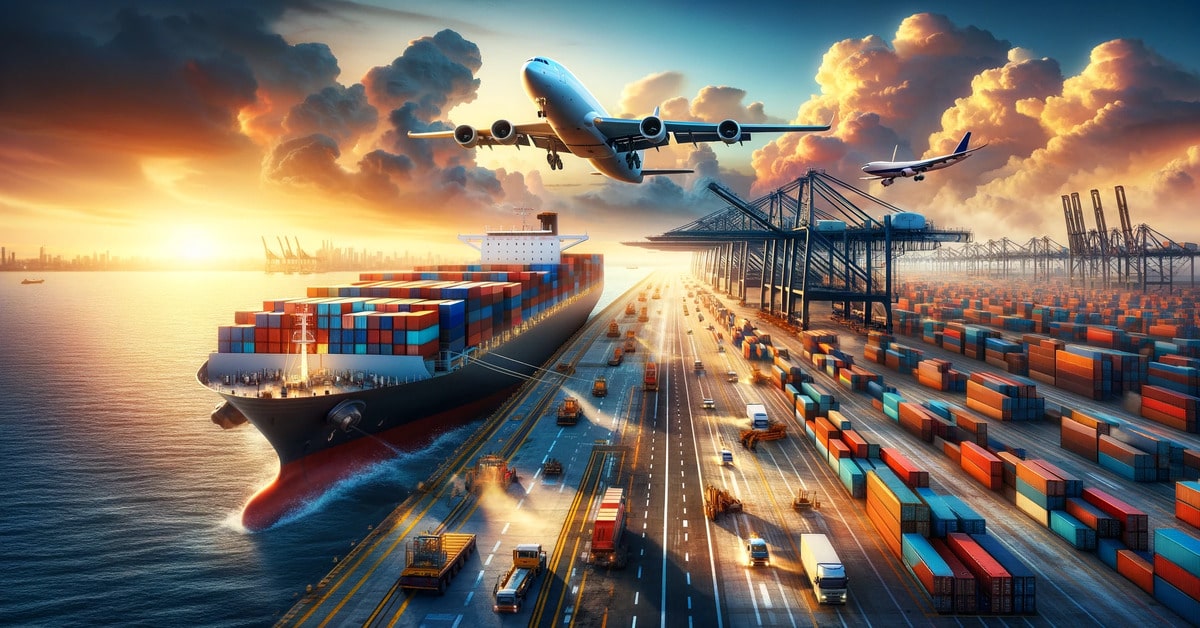
Reefer FCL shipping from China to New Jersey represents a critical link for businesses moving temperature-sensitive goods across the Pacific. Maintaining a strict cold chain ensures that products like seafood, fruits, and pharmaceuticals arrive in pristine condition. If you are looking for reliable logistics solutions, Top China Freight offers specialized expertise in managing these complex shipments. Navigating the nuances of refrigerated containers requires a deep understanding of both maritime transit and local port operations in the Garden State.
What Is Reefer FCL Shipping from China to New Jersey?
Reefer FCL refers to Full Container Load shipments using refrigerated units that maintain specific temperatures throughout the journey. This method is essential for high-volume importers who need to control the entire environment of their cargo. Consequently, businesses can set temperatures ranging from deep-frozen to ambient levels depending on the specific needs of their products.
New Jersey serves as a primary hub for the United States East Coast, making it a strategic destination for Chinese exports. Port Newark and Elizabeth Marine Terminal handle thousands of refrigerated units daily, providing seamless access to the massive consumer markets in the Northeast. Therefore, choosing this route allows for efficient distribution once the vessel docks.
Shipping from China involves major ports like Shanghai, Ningbo, and Qingdao, which have advanced infrastructure for cold chain management. Moreover, the integration of smart sensors in modern reefer units allows for real-time tracking of humidity and temperature levels. This technological advancement significantly reduces the risk of cargo spoilage during the long trans-Pacific voyage.
Why Choose Reefer FCL for China to New Jersey Routes?
One of the primary advantages of Reefer FCL is the elimination of cross-contamination risks associated with shared cargo space. Because you occupy the entire container, your goods are not exposed to the odors or moisture of other shipments. Additionally, FCL shipments generally experience faster handling at both origin and destination ports compared to less-than-container load options.
Security is another significant factor that drives importers toward FCL solutions. Once the container is sealed at the factory in China, it remains closed until it reaches the final warehouse in New Jersey. This reduces the likelihood of theft or accidental damage during the various stages of the logistics process. Indeed, the integrity of the seal is a vital component of international trade compliance.
Furthermore, utilizing sea freight for refrigerated goods is far more cost-effective than air transport for large volumes. While air freight is faster, the price per kilogram for heavy perishable items can be prohibitive for many business models. Thus, sea-based reefer containers provide the perfect balance between capacity and budget management.
How Does Reefer FCL Compare to Other Shipping Options?
When planning your supply chain, it is vital to compare different transport modes to find the best fit for your specific cargo. For instance, air freight offers unmatched speed but comes with extremely high costs and limited volume capacity. On the other hand, standard dry containers are cheaper but lack the climate control necessary for perishables.
Choosing between FCL and LCL for refrigerated goods is a common dilemma for smaller importers. While LCL exists for cold chain, it is much less common and often involves higher risks due to frequent handling. Therefore, most professionals recommend FCL even for slightly smaller loads to ensure the temperature remains constant and the cargo remains undisturbed.
Hybrid solutions like sea-air combinations are occasionally used for urgent shipments, though they are rarely applied to frozen goods due to the complexity of maintaining the cold chain during transfers. Consequently, direct Reefer FCL remains the gold standard for reliability and safety on the China to New Jersey route.
| Shipping Method | Cost Range | Transit Time | Best For | Limitations |
|---|---|---|---|---|
| Reefer FCL | $4,500 – $6,500 | 30-35 Days | Large perishables | Longer transit time |
| Air Freight | $15,000 – $25,000 | 3-7 Days | High-value meds | Very high cost |
| Reefer LCL | $200 – $400/CBM | 35-42 Days | Small samples | Higher risk of damage |
| Sea-Air Hybrid | $8,000 – $12,000 | 15-20 Days | Urgent non-frozen | Complex transfers |
Key Ports for Reefer Shipments: China to New Jersey
China’s eastern seaboard is home to some of the world’s most advanced refrigerated terminals. Shanghai and Ningbo-Zhoushan are the leading ports for New Jersey-bound traffic due to their frequent vessel schedules and massive reefer plug capacity. Additionally, Shenzhen in the south provides an excellent exit point for products manufactured in the Pearl River Delta.
Upon arrival in the United States, the Port of New York and New Jersey stands as the primary gateway. Specifically, the Maher Terminal and APM Terminals in Elizabeth are equipped with state-of-the-art facilities for handling temperature-controlled units. These terminals offer rapid connection to major highways, facilitating quick door to door delivery services.
Selecting the right port of loading in China can significantly impact your total transit time and costs. For example, shipping from a northern port like Qingdao might be better for frozen vegetables, while southern ports are ideal for electronics or specialized chemicals. Consequently, you should coordinate with your freight forwarder to optimize the inland logistics within China.
Factors Affecting Reefer FCL Shipping Costs
Several variables influence the final price you pay for a refrigerated container from China. Fuel surcharges and the cost of electricity required to power the reefer units are significant components of the ocean freight rate. Moreover, seasonal demand for fresh produce can cause price spikes during certain months of the year.
Peak season typically runs from August through October as retailers prepare for the holiday rush. During this time, equipment shortages are common, and carriers may implement additional surcharges. Therefore, booking your shipments at least 3-4 weeks in advance is highly recommended to secure both space and competitive rates.
Customs duties and local port charges also play a role in the total landed cost of your goods. Working with an experienced customs brokerage can help you navigate the complex tariff schedules and avoid unnecessary penalties. Indeed, proper documentation is the best way to prevent costly delays at the New Jersey border.
Transit Times for Reefer FCL Shipping from China to New Jersey
Shipping across the ocean to the US East Coast takes considerably longer than the route to the West Coast. On average, a direct vessel from Shanghai to New Jersey takes between 30 and 35 days. However, factors such as weather conditions and port congestion can occasionally extend this timeline by several days.
Transshipment routes via hubs like Busan or Panama can also affect the schedule. While these routes might offer lower rates, they often add 5-10 days to the total journey. Consequently, importers of highly sensitive goods usually prefer direct services to minimize the time the cargo spends at sea.
Once the ship arrives at the New Jersey port, the process of unloading and customs clearance typically takes 2-4 days. Afterward, the container is drayed to a local cold storage facility or the final destination. To ensure a smooth transition, always verify the availability of reefer plugs at the destination terminal.
| Origin Port | Destination Port | Average Transit | Service Type |
|---|---|---|---|
| Shanghai | New Jersey | 31 Days | Direct |
| Ningbo | New Jersey | 33 Days | Direct |
| Shenzhen | New Jersey | 35 Days | Transshipment |
| Qingdao | New Jersey | 38 Days | Direct |
Customs Documentation and Requirements
Importing refrigerated goods into the United States requires strict adherence to federal regulations. The Food and Drug Administration (FDA) and the United States Department of Agriculture (USDA) often require prior notice and specific health certificates for perishables. Furthermore, failure to provide accurate paperwork can lead to the immediate seizure of your cargo.
The Bill of Lading, Commercial Invoice, and Packing List are the foundational documents for any international shipment. For reefer cargo, you must also include a temperature certificate and, in some cases, a phytosanitary certificate. Additionally, ensuring that your North America trade compliance is up to date will prevent administrative bottlenecks.
Properly classifying your goods under the Harmonized Tariff Schedule (HTS) is essential for calculating accurate duties. Because reefer cargo often involves food or chemicals, the classification process can be particularly intricate. Consequently, many successful importers rely on professional logistics partners to manage these details on their behalf.
| Document Name | Purpose | Required By | Timing |
|---|---|---|---|
| Bill of Lading | Title to goods | US Customs | At Departure |
| FDA Prior Notice | Food safety check | FDA | Before Arrival |
| Health Certificate | Sanitary proof | USDA | At Loading |
| Packing List | Cargo details | Terminal | At Loading |
Realistic Case Studies: Reefer FCL Success Stories
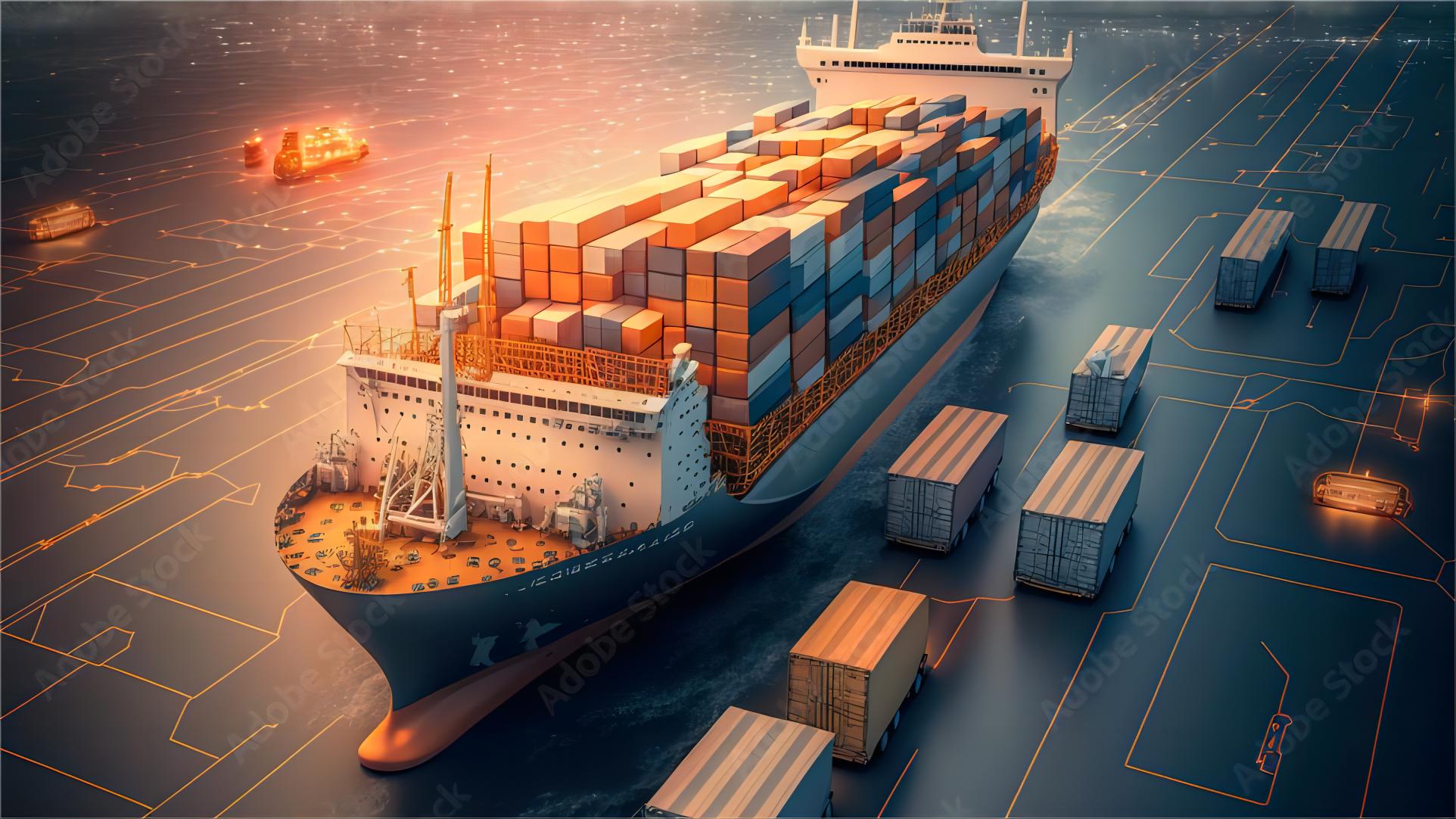
Examining real-world examples helps illustrate the complexities and rewards of international cold chain logistics. These cases reflect typical market conditions and highlight the importance of careful planning. Note: Freight rates are subject to change based on fuel costs, carrier capacity, and seasonal demand. Contact us for a current quote tailored to your specific shipment.
Case Study 1: Frozen Seafood from Qingdao to New Jersey. A mid-sized distributor imported 25 tons of frozen tilapia using a 40HQ reefer container. The shipment originated in Qingdao and arrived at the Port of Elizabeth in 34 days. By utilizing a direct service, they maintained a consistent temperature of -18 degrees Celsius, ensuring the product met all US quality standards. The total ocean freight cost was approximately $5,200 during the Q3 2024 period.
Case Study 2: Pharmaceutical Intermediates from Shanghai. A chemical company required a 20GP reefer to transport temperature-sensitive reagents at a steady 5 degrees Celsius. The transit took 31 days from Shanghai to Port Newark. Despite a minor delay at customs for FDA inspection, the cargo remained stable due to the advanced monitoring systems in the container. The total landed cost, including inland drayage in New Jersey, reached $6,100 based on early 2025 rates.
Decision Framework: Which Option Should You Choose?
Choosing the right shipping strategy depends heavily on your budget, timeline, and the nature of your cargo. If your primary goal is cost-saving, consider booking during the off-peak season (January to March) when rates are generally lower. However, if speed is the priority, always opt for direct ocean carriers even if the initial quote is slightly higher.
For shipments exceeding 15 cubic meters, Reefer FCL is almost always the more economical and safer choice. Conversely, for very small samples or urgent medical supplies, air freight remains the only viable option despite the expense. Always weigh the potential cost of cargo loss against the savings of a cheaper shipping method.
Cargo type also dictates your equipment choice. Frozen goods require standard reefer units, while certain fruits might need ‘Controlled Atmosphere’ containers to slow down the ripening process. Discussing these technical requirements with your freight forwarder will ensure you select the appropriate technology for your specific supply chain needs.
Final Thoughts on Reefer FCL shipping from China to New Jersey
Successfully managing Reefer FCL shipping from China to New Jersey requires a combination of technical knowledge and strategic planning. By understanding the factors that influence costs and transit times, you can build a more resilient and efficient supply chain. Moreover, partnering with experienced logistics providers ensures that your temperature-sensitive cargo is handled with the utmost care.
As market trends continue to evolve in 2025, staying informed about port conditions and regulatory changes remains vital. Whether you are importing seafood, produce, or pharmaceuticals, the New Jersey gateway offers unparalleled access to the American market. Start planning your next shipment today to take advantage of the latest cold chain innovations and competitive ocean freight rates.

Ready to streamline your logistics?
Ready to streamline your cold chain logistics? Contact the experts at Top China Freight today for a customized quote on Reefer FCL shipping from China to New Jersey. Our team is standing by to ensure your perishables arrive safely and on time. Visit our website to learn more about our comprehensive shipping services.
Request Quote