

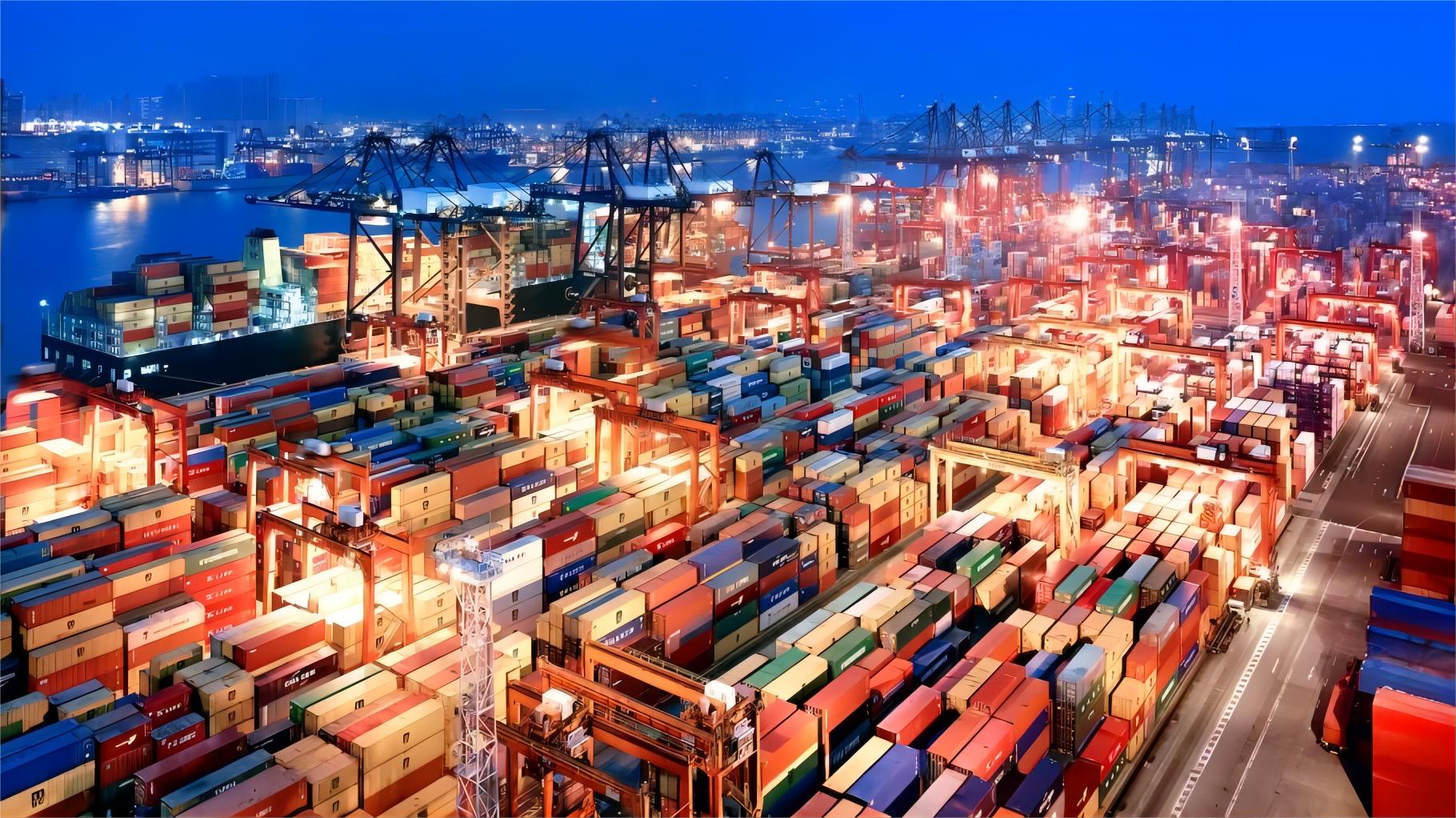
20GP FCL Detention Prevention for Machinery from China to New Jersey
Managing international logistics requires precision, especially when handling expensive industrial equipment. 20GP FCL detention prevention for machinery from China to New Jersey is a critical priority for importers looking to protect their bottom line. By partnering with a reliable freight forwarder like Top China Freight, businesses can navigate the complexities of the US East Coast ports effectively. This guide provides actionable strategies to avoid costly delays and ensure your cargo reaches its destination on schedule.
What is 20GP FCL Detention and Why Does It Happen?
Detention refers to the fees charged by shipping lines when an importer holds onto a container beyond the agreed free time outside the port. Consequently, these costs can accumulate rapidly if the machinery remains at your warehouse or a third-party facility for too long. For those shipping to North America, understanding the distinction between demurrage and detention is essential for financial planning.
Demurrage occurs when the container stays inside the terminal past the free days, whereas detention applies to the time the container is outside the terminal gate. Moreover, the Port of New York and New Jersey often experiences high volume, making timely container returns a logistical challenge. Therefore, importers must coordinate closely with drayage providers to ensure the equipment is unloaded and the empty box is returned promptly.
Machinery shipments are particularly susceptible to these delays due to their weight and the specialized equipment needed for unloading. Additionally, unexpected site preparation issues at the final destination can prevent immediate stripping of the container. Nevertheless, proactive communication with all parties in the supply chain can mitigate these risks and keep your delivery schedule on track.
Why Machinery Shipments are High Risk for Detention Fees
Industrial machinery often involves complex assembly or specific installation requirements that delay the container’s release. For example, a CNC machine might require a specialized crane and technician team to be present during the unloading process. If the team is delayed, the container sits idle, and detention clocks continue to tick. Indeed, many importers underestimate the time needed for these technical maneuvers.
Furthermore, heavy machinery often requires specialized chassis for road transport from the New Jersey terminals. Shortages of these chassis at the Port of Newark or Elizabeth can lead to significant bottlenecks. As a result, even if your warehouse is ready, the container might stay at the port longer than expected. Planning for chassis availability is thus a vital component of 20GP FCL detention prevention for machinery from China to New Jersey.
Weight distribution within the 20GP container also plays a role in transit speed. Improperly secured cargo can shift, leading to safety inspections that consume valuable free time. Accordingly, ensuring that your supplier in China follows strict blocking and bracing standards is a prerequisite for smooth operations. Without a doubt, the physical handling of the goods is just as important as the paperwork.
The Role of Customs Brokerage in Avoiding Delays
Accurate documentation is the foundation of a successful import process. Utilizing a professional customs brokerage service ensures that all ISF filings and entry summaries are submitted well before the vessel arrives. In contrast, missing or incorrect paperwork can trigger intensive examinations by US Customs and Border Protection. These exams often take several days, eating into your container’s free time.
Moreover, machinery often falls under specific Harmonized Tariff Schedule (HTS) codes that require detailed technical descriptions. Providing clear invoices, packing lists, and certificates of origin helps the broker classify the goods correctly. Consequently, this reduces the likelihood of a ‘Request for Information’ (CBP Form 28) which would otherwise halt the flow of goods. Preparation is truly the most effective tool against administrative delays.
Transitioning through the customs process smoothly allows the drayage company to pick up the container as soon as it is discharged. Meanwhile, early clearance provides a buffer for any unforeseen logistical hurdles. Therefore, importers should prioritize document collection at least two weeks before the estimated time of arrival. This proactive approach is a cornerstone of efficient supply chain management.
| Document Type | Required For | Source | Submission Timeline |
|---|---|---|---|
| Bill of Lading | Title Transfer | Carrier | At Departure |
| Commercial Invoice | Valuation | Supplier | 7 Days Before ETA |
| Packing List | Cargo Details | Supplier | 7 Days Before ETA |
| ISF (10+2) | Security Filing | Importer | 24 Hours Before Loading |
How Does 20GP FCL Compare to Other Shipping Options?
Choosing the right mode of transport depends on your budget, timeline, and the physical characteristics of the machinery. While sea freight is the most common choice for heavy equipment, it is not the only option. For instance, air freight offers unmatched speed but comes at a significantly higher cost. On the other hand, FCL provides better security and faster handling than LCL for machinery.
Specifically, a 20GP container is often ideal for dense, heavy machinery that doesn’t require the volume of a 40HQ. However, if the machinery is oversized, you might need to consider flat rack or open-top containers. Each of these specialized options has different free-time structures at the port. Consequently, you must weigh the equipment costs against the potential for detention fees in each scenario.
To summarize, sea freight remains the most economical choice for shipments from China to New Jersey. Despite the longer transit times, the ability to ship large volumes makes it the standard for industrial imports. Nevertheless, the risk of port congestion in the NY/NJ area means that your choice of carrier is just as important as the shipping method itself. Some carriers offer more generous free time than others.
| Method | Cost Range (USD) | Transit Time | Best For |
|---|---|---|---|
| 20GP FCL | $2,500 – $3,500 | 30-35 Days | Heavy, Dense Machinery |
| 40HQ FCL | $4,500 – $6,000 | 30-35 Days | Large Volume Goods |
| LCL Shipping | $100 – $200 /CBM | 40-45 Days | Small Components |
| Air Freight | $8 – $15 /KG | 5-8 Days | Urgent Spare Parts |
Realistic Case Studies: Machinery Shipments to New Jersey
Case Study 1: Precision CNC Lathe from Ningbo
Route: Ningbo, China to Newark, NJ. Cargo: CNC Lathe, 12 CBM, 4,500 kg. Container: 20GP FCL. Carrier: COSCO. Port of Discharge: Maher Terminals, NJ. Sea Transit: 32 days. Total Landed Cost: $4,200. Key Insight: The importer pre-booked a specialized tilt-bed truck for immediate delivery upon customs release, avoiding all detention fees.
Case Study 2: Industrial Injection Molder from Shenzhen
Route: Shenzhen, China to Elizabeth, NJ. Cargo: Molding Machine, 18 CBM, 6,000 kg. Container: 20GP FCL. Carrier: Maersk. Port of Discharge: APM Terminals, NJ. Sea Transit: 34 days. Total Landed Cost: $5,100. Key Insight: Heavy congestion at the terminal delayed pickup by 3 days, but a 10-day free time agreement with the carrier prevented any additional charges.
Strategic Alternatives and Decision Framework
If you are concerned about the volatility of sea freight, consider a door-to-door shipping solution. This service bundles ocean freight, customs clearance, and final drayage into a single package. Consequently, the freight forwarder takes responsibility for managing the container return, significantly reducing your exposure to detention risks. It is an excellent choice for businesses without a dedicated logistics team.
Another alternative is utilizing a bonded warehouse near the port. Instead of rushing to your final destination, the container is stripped at a local facility, and the empty box is returned immediately. Afterward, the machinery can be stored or transported via flatbed at your convenience. Although this adds a handling fee, it is often much cheaper than paying $200 per day in detention charges.
Choosing between these options requires a clear understanding of your priorities. If speed is the primary driver, air freight is the winner despite the cost. However, for most machinery imports, the focus should be on maximizing free time and optimizing the drayage schedule. Use the following criteria to make your decision: budget constraints, technical unloading requirements, and the urgency of the equipment’s arrival.
Which Option Should You Choose?
Budget priority: Choose 20GP FCL with a carrier offering at least 10-14 days of combined free time. This provides the most cost-effective balance for heavy machinery. Speed priority: Opt for air freight for critical components or sea-air hybrid solutions if the equipment is not overly bulky. Cargo type considerations: For sensitive electronics or high-value machinery, FCL is mandatory to minimize handling and risk.
Volume thresholds: If your machinery occupies more than 15 CBM, a 20GP is always more economical than LCL. Conversely, for very large projects, a 40HQ might provide a lower cost per cubic meter. Always consult with your logistics partner to determine the most efficient container configuration. Market data suggests that 20GP containers are currently the most stable option for the China to US East Coast route.
Final Thoughts on Container Management
In conclusion, successful 20GP FCL detention prevention for machinery from China to New Jersey requires a combination of early planning and strong partnerships. By understanding the local port dynamics and ensuring documentation accuracy, importers can avoid the most common pitfalls of international trade. Remember that the cheapest freight rate is not always the best value if it comes with limited free time and poor communication.
Stay proactive by monitoring market trends and maintaining open lines of dialogue with your drayage providers. As global supply chains continue to evolve, those who prioritize logistics efficiency will maintain a significant competitive advantage. Protect your investment by managing your container returns as diligently as you manage your machinery production.
Ready to streamline your logistics?
Are you planning to import industrial equipment soon? Contact Top China Freight today to secure competitive rates and expert guidance on 20GP FCL detention prevention for machinery from China to New Jersey. Visit our website to request a personalized quote and ensure your next shipment is a success. Send Inquiry: https://Top China Freight.com/
Request Quote