

China to USA Shipping by Sea Mexico: A Complete Logistics Guide
Reliable logistics solutions are essential for businesses navigating the complexities of international trade. At Top China Freight, we specialize in optimizing your supply chain through innovative routes. Many importers now choose china to usa shipping by sea mexico to bypass traditional port congestion and leverage unique trade advantages. This strategy involves shipping goods from Chinese ports to Mexican gateways before transporting them across the border into the United States.
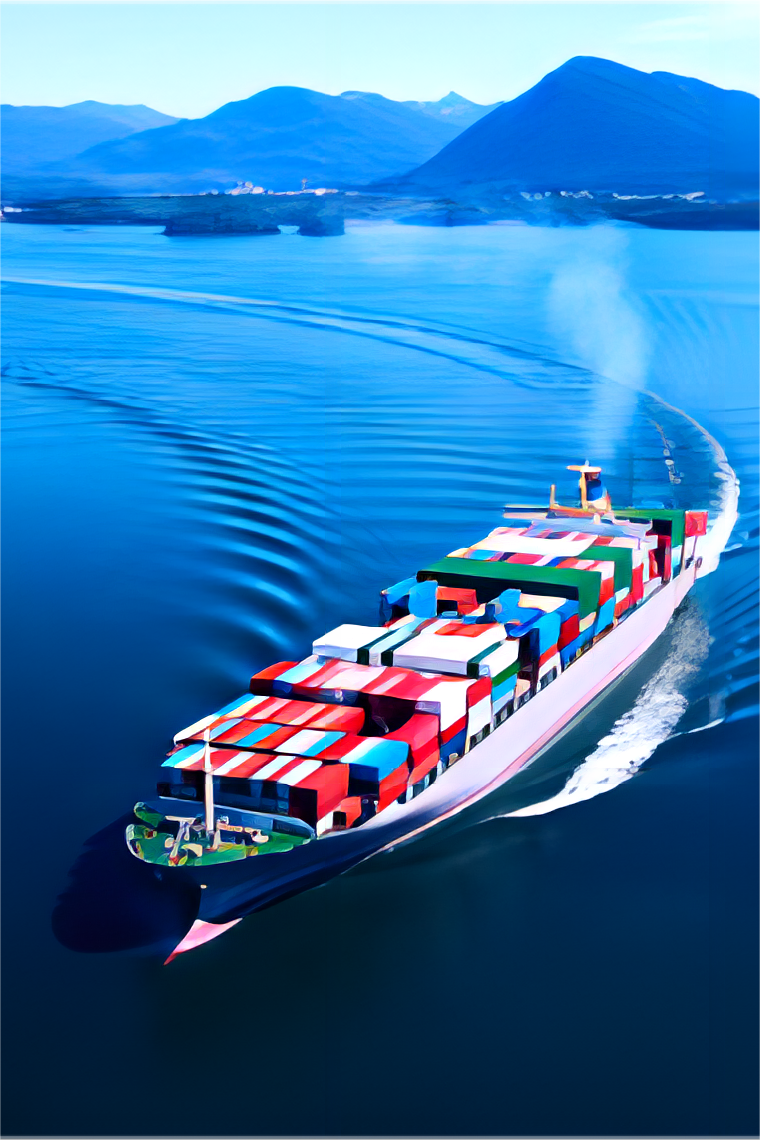
The Strategic Benefits of China to USA Shipping by Sea Mexico
Modern supply chains require flexibility to overcome global disruptions and rising costs. Utilizing sea freight services to Mexico provides a viable alternative to direct US West Coast routes. This method often helps businesses avoid the high costs associated with California port delays. Furthermore, it allows for strategic warehousing opportunities near the US border.
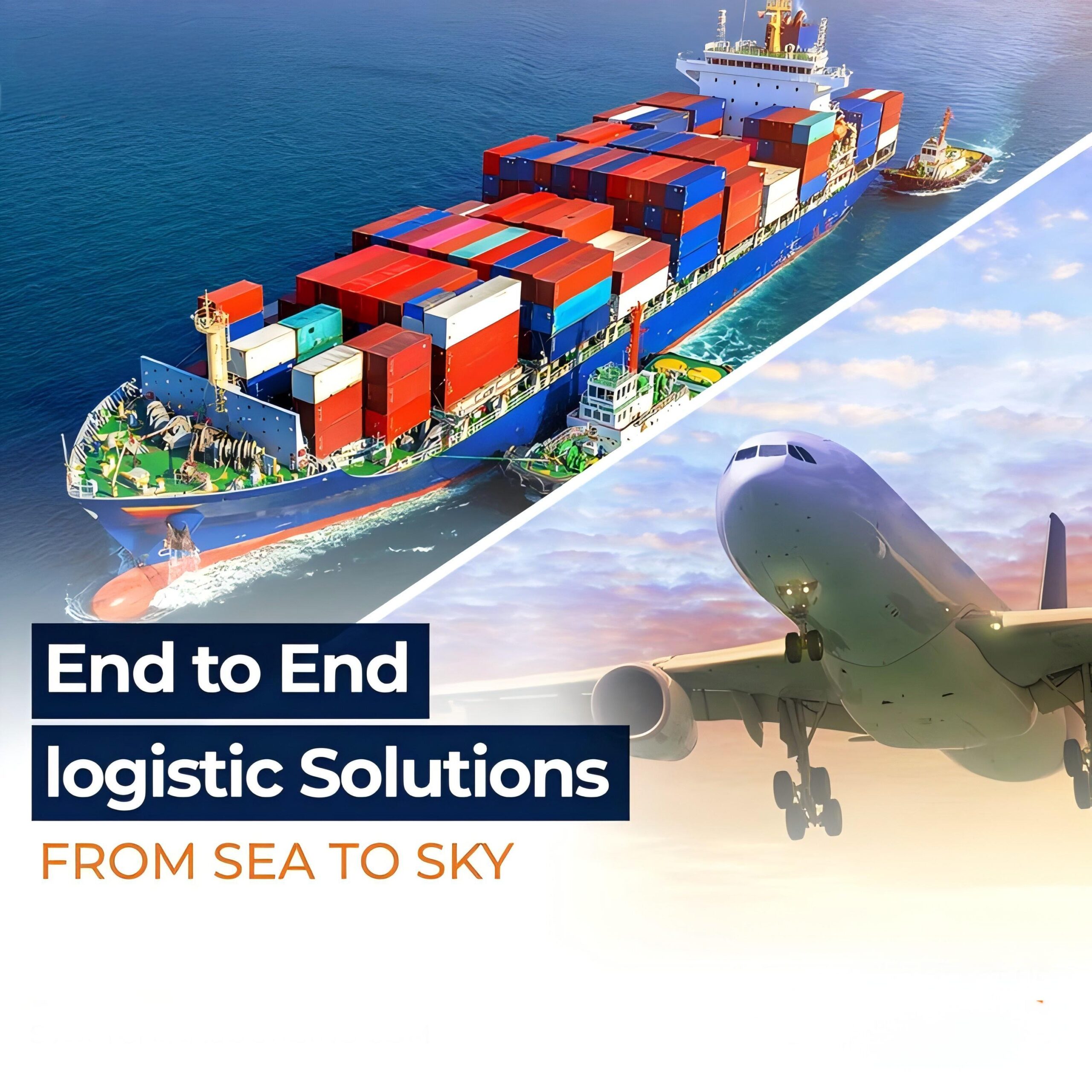
Importers often find that Mexican ports like Manzanillo offer faster processing times for certain cargo types. Consequently, this route has become a cornerstone for companies looking to diversify their entry points into the North American market. Additionally, the proximity of Mexican manufacturing hubs creates a seamless integration for assembly and final delivery. Businesses can effectively manage their inventory by utilizing these southern gateways.
Logistics managers frequently highlight the cost-saving potential of this transshipment strategy. Specifically, the inland trucking rates from Mexico to southern US states can be more competitive than long-haul domestic trucking from coastal US ports. Moreover, the availability of diverse transport modes at the border ensures that your goods remain in motion. This proactive approach minimizes the risk of stockouts during peak seasons.
How Does China to USA Shipping by Sea Mexico Compare to Other Shipping Options?
Choosing the right shipping method depends on your specific budget and timeline requirements. Direct sea freight to the USA is traditional but often faces severe congestion during Q3 and Q4. In contrast, shipping via Mexico offers a relief valve for overtaxed logistics networks. However, this route requires careful coordination of cross-border documentation to ensure efficiency.
Air freight remains the fastest option but comes with significantly higher price tags that can erode profit margins. Therefore, sea-to-land hybrid solutions through Mexico represent a middle ground for many enterprises. For shipments that are not time-sensitive, this method provides the best balance of cost and reliability. The following table illustrates the key differences between these popular shipping strategies.
| Shipping Method | Cost Range | Transit Time | Best For |
|---|---|---|---|
| Direct Sea (West Coast) | $2,500 – $4,000 | 18 – 25 Days | High Volume |
| Sea via Mexico | $2,800 – $4,500 | 25 – 35 Days | Avoiding Congestion |
| Direct Air Freight | $15,000 – $25,000 | 5 – 8 Days | Urgent Cargo |
| Sea-Air Hybrid | $8,000 – $12,000 | 12 – 15 Days | Medium Priority |
Navigating the Customs Clearance Process via Mexico
Successful cross-border trade hinges on a thorough understanding of the customs brokerage requirements in both Mexico and the USA. Goods entering Mexico for transshipment must be handled under specific bonded regimes to avoid double taxation. Indeed, working with an experienced broker is the only way to navigate these complex legal frameworks. Failure to provide accurate documentation can lead to costly seizures or delays.
United States customs regulations, particularly Section 321 entries, can offer significant duty savings for qualifying shipments. This rule allows for the duty-free entry of goods valued under 800 USD per person per day. Many e-commerce sellers utilize Mexican warehouses to fulfill orders under this provision. Consequently, the financial incentives for using the Mexico route continue to grow for small-parcel shippers.
Proper classification of goods using the Harmonized System codes is mandatory for all international shipments. Moreover, you must ensure that all commercial invoices and packing lists are consistent across all stages of the journey. Our team assists clients in preparing these documents to prevent any friction at the Laredo or El Paso border crossings. Precision in paperwork is the foundation of a reliable supply chain.
Key Ports and Transit Times for Mexico Routes
Most china to usa shipping by sea mexico operations utilize major Pacific ports to receive cargo from China. Manzanillo and Lazaro Cardenas are the primary hubs due to their extensive infrastructure and rail connections. These ports handle the majority of containerized traffic arriving from Shenzhen, Ningbo, and Shanghai. Transitioning from sea to rail or truck at these points is a well-established process.
Transit times from China to Mexican ports typically range from 20 to 30 days depending on the carrier and service level. After unloading, the inland transit to the US border usually takes an additional 3 to 7 days. Therefore, the total door-to-door time is often comparable to direct East Coast shipping but faster than waiting for a berth in Los Angeles. Efficiency at the port of discharge is a critical factor in your overall schedule.
Selecting the right port of entry depends largely on your final destination within the United States. For instance, Ensenada is an excellent choice for goods destined for California or Arizona due to its northern location. Meanwhile, Lazaro Cardenas offers superior rail links to the midwestern US market. We help you select the most logical entry point based on current port performance data.
| Port of Loading | Port of Discharge | Sea Transit | Final Region |
|---|---|---|---|
| Shenzhen | Manzanillo | 22 Days | Texas / South |
| Shanghai | Ensenada | 20 Days | California / West |
| Ningbo | Lazaro Cardenas | 25 Days | Midwest USA |
| Qingdao | Manzanillo | 28 Days | Southeast USA |
Comprehensive Door to Door Logistics Solutions
Managing a shipment across three different countries requires a robust door to door service model. This end-to-end approach eliminates the need for you to coordinate with multiple local agents and carriers. We take full responsibility for the cargo from the moment it leaves the factory in China until it reaches your US warehouse. This integration significantly reduces the likelihood of communication breakdowns.
Inland transportation within Mexico involves a choice between dedicated trucking and intermodal rail services. While rail is often more cost-effective for heavy loads, trucking offers the speed and flexibility required for retail goods. Furthermore, our security protocols ensure that your cargo is protected during the transit through Mexican territory. We utilize GPS tracking and vetted carriers to maintain high safety standards throughout the journey.
Cross-border transfer at the US-Mexico border is the most sensitive part of the logistics chain. Specifically, the use of drayage carriers to move trailers across the bridge is a standard industry practice. Once in the United States, your goods are reloaded onto domestic trucks for final delivery. This multi-step process is highly optimized to ensure that transit times remain predictable and efficient.
Case Study 1: Electronics Distribution via Manzanillo
Route: Shenzhen, China to Laredo, Texas via Manzanillo. Cargo: Consumer Electronics, 65 CBM, 12,500 kg. Container: 40HQ. Shipping Details: Major carrier direct service to Manzanillo followed by bonded trucking to the border. This shipment avoided the 14-day vessel bunching at the Port of Long Beach during the peak season.
Cost Breakdown: Ocean Freight: 3,200 USD. Origin Charges: 450 USD. Destination and Border Charges: 1,200 USD. Total Landed Cost: 4,850 USD. Timeline: Sea Transit: 22 days. Customs and Inland: 6 days. Total Door-to-Door: 28 days. Key Insight: Utilizing the Mexico land bridge saved the client approximately 10 days compared to the congested California route.
Case Study 2: Industrial Parts for Midwest Manufacturing
Route: Ningbo, China to Chicago, Illinois via Ensenada. Cargo: Machinery Parts, 28 CBM, 18,000 kg. Container: 20GP. Shipping Details: Sea transit to Ensenada with intermodal rail connection through to the US Midwest. The use of rail provided a stable cost structure despite fluctuating fuel prices in the trucking sector.
Cost Breakdown: Ocean Freight: 2,100 USD. Origin Charges: 380 USD. Destination and Rail Charges: 1,800 USD. Total Landed Cost: 4,280 USD. Timeline: Sea Transit: 24 days. Rail and Customs: 9 days. Total Door-to-Door: 33 days. Key Insight: Choosing Ensenada allowed for a smoother transition to northern rail corridors, bypassing the heavy traffic of southern border crossings.
Optimizing Amazon FBA Shipments through Mexico
E-commerce sellers frequently utilize our Amazon FBA specialized services to maintain inventory levels. By shipping via Mexico, sellers can often bypass the strict appointment windows and congestion at California’s FBA warehouses. Additionally, the ability to store goods in Mexico and drip-feed them into the US helps manage storage fees. This strategic inventory placement is a major competitive advantage.
Compliance with Amazon’s strict labeling and packaging requirements is handled at our transload facilities. We ensure that every carton is palletized according to FBA standards before it crosses the border. Consequently, your goods are ready for immediate check-in upon arrival at the US fulfillment center. This attention to detail prevents the common delays associated with non-compliant shipments.
Market data suggests that sellers using diversified routes experience fewer out-of-stock events during holiday sales. Specifically, the flexibility of the Mexico route allows for rapid adjustments based on real-time demand. If one border crossing is slow, we can often reroute cargo to another port of entry. This resilience is essential for maintaining high seller ratings on the Amazon platform.

Which Option Should You Choose? A Decision Framework
Determining the best route for your china to usa shipping by sea mexico project requires analyzing your priorities. If your primary goal is cost reduction for high-volume goods, the Mexico land bridge is often superior to direct sea freight during peak seasons. However, if your cargo is extremely time-sensitive, air freight remains the only viable choice despite the expense. You must weigh the trade-offs between speed and budget.
Volume thresholds also play a role in your decision-making process. For shipments under 15 CBM, LCL shipping via Mexico is highly economical and provides access to the same professional networks as FCL. In contrast, full container loads offer better security and faster handling for large industrial orders. We recommend evaluating your annual shipping volume to negotiate better contract rates with carriers.
Geographic destination is the final piece of the puzzle. Shipments destined for the Southern or Midwestern United States are naturally suited for the Mexico route. Conversely, if your customers are located in the Pacific Northwest, a direct call at the Port of Seattle might remain more efficient. Our consultants provide personalized assessments to ensure your logistics strategy aligns with your customer base in North America.
Summary of China to USA Shipping by Sea Mexico
Navigating the world of international trade requires a partner who understands the nuances of global routes. Choosing china to usa shipping by sea mexico offers a strategic way to bypass congestion and manage costs effectively. By leveraging Mexican ports and cross-border expertise, you can ensure your goods reach the US market reliably.
Freight rates are subject to change based on fuel costs, carrier capacity, and seasonal demand. Contact us for a current quote tailored to your specific shipment. We are committed to providing the most efficient and cost-effective shipping solutions for your business.

Ready to streamline your logistics?
Streamline your supply chain today with our expert china to usa shipping by sea mexico services. Our team provides transparent pricing and reliable schedules to help your business grow. Visit our website to request a customized quote and discover how we can optimize your international logistics. Send Inquiry: Visit https://Top China Freight.com/
Request Quote