

LCL Shipping China International Mexico: A Complete Logistics Guide for 2025
Expanding your business into the Latin American market requires a robust logistics strategy that balances cost and efficiency. Many importers find that Top China Freight provides the necessary expertise to navigate the complexities of LCL shipping China international Mexico. Whether you are a small business owner or an established distributor, understanding how to manage shared container space can significantly impact your bottom line. This guide provides a comprehensive overview of the processes, costs, and strategies involved in moving cargo from Chinese manufacturing hubs to Mexican ports.
What is LCL Shipping China International Mexico?
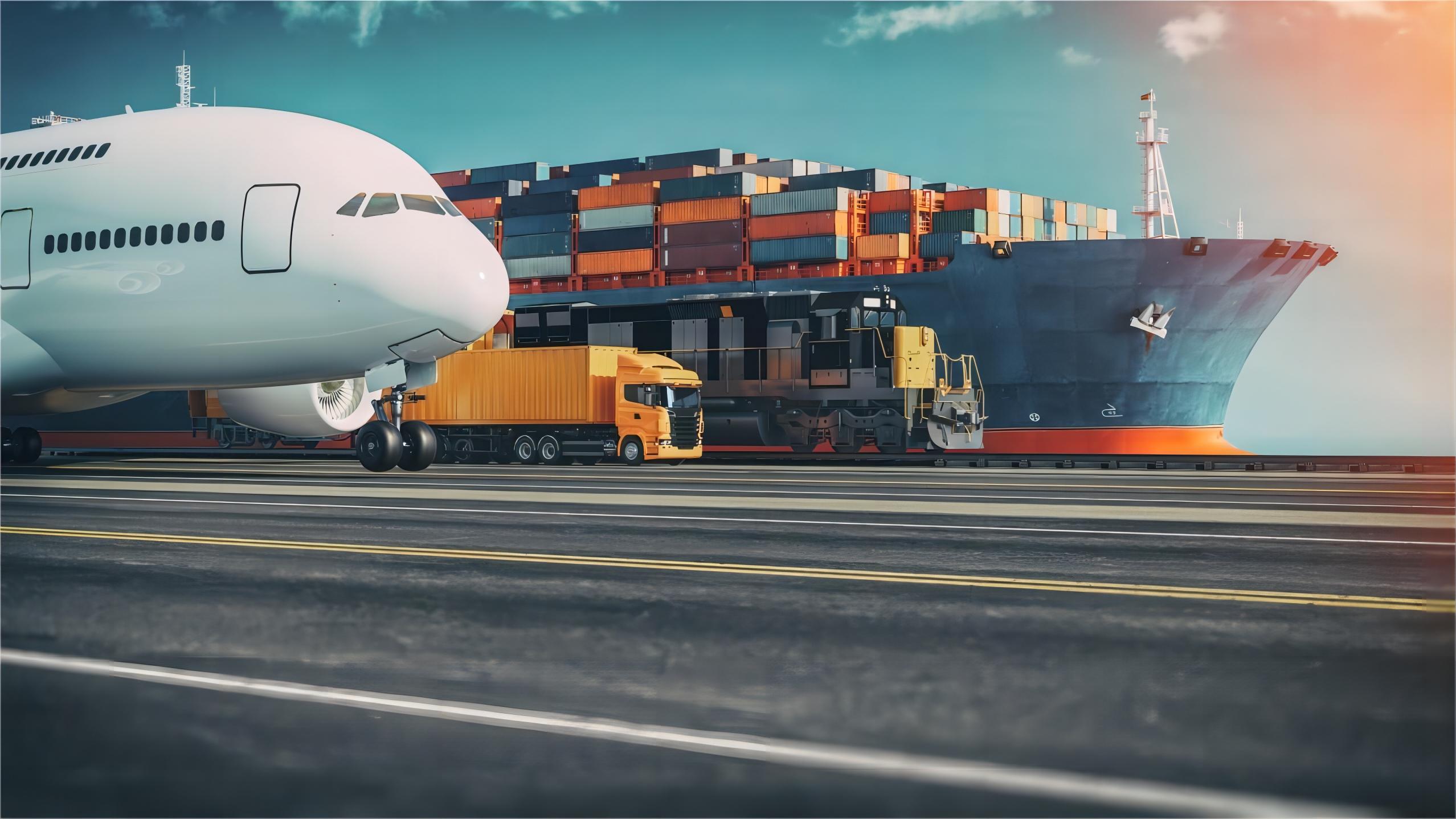
LCL stands for Less than Container Load, which is a shipping method where multiple shippers share space within a single ocean container. This approach is ideal for businesses that do not have enough goods to fill a standard 20-foot or 40-foot container. Consequently, you only pay for the volume your cargo occupies, measured in cubic meters (CBM).
Choosing sea freight via LCL allows for greater flexibility in inventory management. Furthermore, it enables small and medium enterprises to source products from China without the financial burden of full container costs. This method is particularly popular for electronics, textiles, and industrial spare parts destined for Mexico.
The process begins at a consolidation warehouse in China where your goods are grouped with other shipments. Subsequently, the container is sealed and loaded onto a vessel for its transpacific journey. Upon arrival in Mexico, the container undergoes deconsolidation before individual shipments are cleared through customs.
How Does LCL Compare to Other Shipping Options?
When evaluating LCL shipping China international Mexico, it is vital to compare it against alternatives like FCL and air freight. While air freight offers the fastest delivery, it comes at a premium price that often exceeds the value of low-margin goods. On the other hand, LCL provides a middle ground that balances transit time with affordability.
Moreover, FCL (Full Container Load) is more cost-effective once your shipment volume exceeds 15 cubic meters. However, for smaller volumes, LCL remains the superior choice for maintaining cash flow. Shippers must weigh the trade-offs between the speed of air transport and the economy of sea-based solutions.
| Shipping Method | Cost Range | Transit Time | Best For | Limitations |
|---|---|---|---|---|
| LCL Sea Freight | $80 – $150 per CBM | 25 – 40 Days | Shipments under 15 CBM | Higher risk of handling |
| FCL Sea Freight | $2,500 – $4,500 per 20GP | 20 – 35 Days | Large bulk orders | Requires full container |
| Air Freight | $5 – $12 per KG | 5 – 10 Days | Urgent or high-value | Very expensive |
| Express Service | $10 – $20 per KG | 3 – 7 Days | Samples and documents | Weight restrictions |

Understanding the Costs of LCL Shipping to Mexico
Pricing for LCL shipping China international Mexico is calculated based on volume, but several other factors influence the final invoice. For instance, ocean freight rates fluctuate based on fuel surcharges and seasonal demand. Additionally, you must account for origin charges such as trucking to the warehouse and document fees.
Destination charges in Mexico can often surprise unprepared importers. These include terminal handling charges (THC), deconsolidation fees, and warehouse storage costs if clearance is delayed. Therefore, it is essential to request an all-in quote to avoid hidden expenses during the transit process.
Note: Freight rates are subject to change based on fuel costs, carrier capacity, and seasonal demand. Contact us for a current quote tailored to your specific shipment.
Transit Times and Major Ports in the China-Mexico Route
The transit time for LCL shipping China international Mexico typically ranges from 25 to 40 days depending on the specific ports involved. Major Chinese ports like Shanghai, Ningbo, and Shenzhen offer frequent departures to Mexican gateways. Meanwhile, the choice of destination port in Mexico, such as Manzanillo or Lazaro Cardenas, affects the final delivery timeline.
Weather conditions and port congestion can occasionally cause delays during the peak season. Nevertheless, most carriers maintain a reliable schedule for the transpacific route. For instance, direct sailings from Shenzhen to Manzanillo are generally faster than routes involving transshipment in Busan or Los Angeles.
| Origin Port (China) | Destination Port (Mexico) | Estimated Transit | Service Type |
|---|---|---|---|
| Shenzhen | Manzanillo | 22 – 28 Days | Direct |
| Shanghai | Ensenada | 25 – 30 Days | Direct |
| Ningbo | Veracruz | 35 – 45 Days | Transshipment |
| Qingdao | Lazaro Cardenas | 28 – 35 Days | Direct |
Navigating Customs Brokerage and Documentation
Successful LCL shipping China international Mexico relies heavily on accurate documentation. Mexico has strict import regulations, and missing paperwork can lead to significant fines or cargo seizure. Consequently, engaging a professional customs brokerage service is highly recommended for first-time importers.
You must provide a Commercial Invoice, a Packing List, and a Bill of Lading for every shipment. Furthermore, certain products may require NOM (Normas Oficiales Mexicanas) certificates to prove compliance with safety standards. Indeed, preparing these documents in advance ensures a smoother transition through the Mexican tax authority (SAT) checkpoints.
In addition to standard documents, ensure your Harmonized System (HS) codes are correct. Because incorrect classification can lead to overpayment of duties or legal complications, double-checking these codes with your supplier is a vital step. Ultimately, proactive preparation reduces the risk of expensive storage fees at the port.
Real-World Case Studies for LCL Shipments
Case Study 1: Electronics Distribution. Route: Shenzhen, China to Manzanillo, Mexico. Cargo: Consumer electronics, 4.5 CBM, 1,200 kg. Shipping Method: LCL Sea Freight. Ocean Freight: $540. Origin Charges: $210. Destination Charges: $380. Customs and Duties: $1,150. Total Landed Cost: $2,280. Timeline: 28 days total. Key Insight: Consolidating multiple small orders into one LCL shipment saved the client 40 percent compared to air freight.
Case Study 2: Industrial Spare Parts. Route: Ningbo, China to Veracruz, Mexico. Cargo: Steel valves, 2.2 CBM, 850 kg. Shipping Method: LCL Sea Freight via transshipment. Ocean Freight: $310. Origin Charges: $185. Destination Charges: $420. Customs and Duties: $650. Total Landed Cost: $1,565. Timeline: 42 days total. Key Insight: Although the transit was longer due to the Atlantic coast destination, the cost savings supported the client’s long-term inventory strategy.
Based on Q3 2024 market rates, these examples reflect typical scenarios for small-volume importers. Typical rates as of early 2025 suggest a slight stabilization in transpacific pricing, though fuel surcharges remain volatile.

Decision Framework: Which Option Should You Choose?
Deciding on the best method for LCL shipping China international Mexico depends on your specific business priorities. If your primary concern is budget and the volume is under 15 CBM, LCL is almost always the winner. However, if you are shipping fragile or high-value items, you might consider door to door air services to minimize handling.
For those managing e-commerce operations, Amazon FBA logistics require strict adherence to scheduling. In these cases, LCL provides a reliable way to restock Mexican warehouses without the high overhead of air transport. Always evaluate the urgency of the stock versus the total landed cost before booking.
Alternative Strategies and Hybrid Solutions
Beyond standard LCL, shippers can explore hybrid solutions to optimize their supply chain. For example, sea-air combinations involve shipping by sea to a hub like Los Angeles and then flying the cargo to Mexico City. This approach is faster than pure sea freight but cheaper than direct air freight.
Another strategy involves buyer’s consolidation. If you source from multiple suppliers in China, you can have all goods sent to one warehouse. Instead of multiple LCL shipments, you combine them into one FCL or a larger LCL shipment. Consequently, you reduce the per-unit shipping cost and simplify the customs clearance process in Mexico.
Final Thoughts on LCL Shipping to Mexico
To summarize, LCL shipping China international Mexico offers a flexible and cost-effective solution for businesses of all sizes. By understanding the nuances of volume-based pricing and Mexican customs requirements, you can build a more resilient supply chain. Transitioning to LCL allows you to scale your imports without the massive upfront costs of full containers.
As market conditions evolve in 2025, staying informed about freight trends and port logistics will remain crucial. We encourage you to partner with experienced freight forwarders who can navigate these complexities on your behalf. Start optimizing your international trade routes today for better long-term growth.
Ready to streamline your logistics?
Ready to streamline your LCL shipping China international Mexico process? Contact Top China Freight today for a competitive quote and expert logistics advice. Send Inquiry: https://Top China Freight.com/
Request Quote