

Shipping Rates China to USA: 2026 Freight Cost and Logistics Guide
Navigating the complexities of international trade requires a clear understanding of current shipping rates China to USA to maintain healthy profit margins. Companies looking for reliable logistics solutions often partner with Top China Freight to streamline their supply chain operations from Asian manufacturing hubs. This comprehensive guide explores the various factors influencing costs and provides actionable insights for your next major shipment across the Pacific.

What Factors Influence Shipping Rates China to USA in 2026?
Understanding the primary drivers of logistics pricing is essential for any business importing goods from the Far East. Currently, fuel surcharges represent a significant portion of the total ocean freight cost per kg due to fluctuating global energy markets.
Moreover, seasonal demand patterns play a critical role in determining the final price you pay for container space. Specifically, the peak season from August to October often sees price spikes of 20 percent or more as retailers prepare for the holiday rush.
Port congestion and labor availability in major US hubs like Los Angeles and Long Beach also affect the overall cost structure. Consequently, any delays at the terminal can lead to demurrage and detention fees that inflate your budget unexpectedly.
Geopolitical stability and trade policies between the two nations continue to influence the base freight rates in early 2026. Therefore, staying informed about tariff changes and customs regulations is vital for accurate financial forecasting.
How Does Sea Freight Compare to Other Shipping Options?
Choosing sea freight remains the most economical strategy for transporting large volumes of heavy or bulky goods. While it offers the lowest cost per unit, it also requires the longest lead times, often spanning several weeks from port to port.
Full Container Load (FCL) shipments provide the best value for businesses that can fill an entire 20-foot or 40-foot container. In contrast, Less than Container Load (LCL) allows smaller importers to share space, though it often involves higher handling fees per cubic meter.
Transit times for ocean transport vary significantly depending on whether you ship to the US West Coast or the East Coast. For example, a direct route from Shanghai to Los Angeles might take 16 days, whereas a shipment to New York via the Panama Canal could exceed 30 days.
| Shipping Method | Cost Range | Transit Time | Best For |
|---|---|---|---|
| Sea Freight (FCL) | $2,800 – $5,500 | 18 – 35 Days | Bulk Shipments |
| Air Freight | $4.50 – $8.00/kg | 5 – 8 Days | High-Value Goods |
| Express Service | $7.00 – $12.00/kg | 3 – 5 Days | Urgent Samples |
| Sea-Air Hybrid | $2.50 – $4.00/kg | 12 – 18 Days | Balanced Priority |

Comparing Air Freight and Express Service Costs
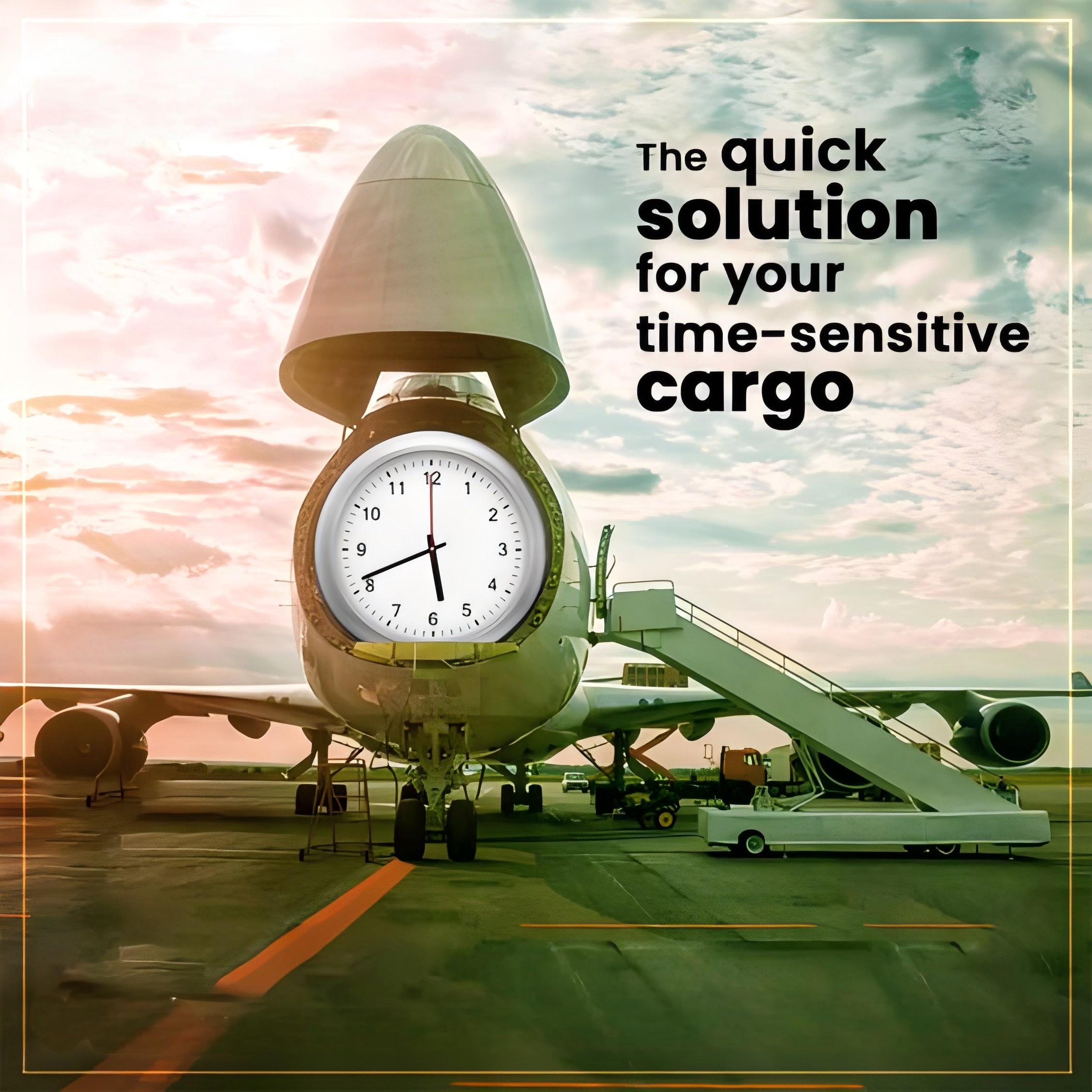
Selecting air freight is the preferred choice for time-sensitive cargo or high-value electronics that require rapid turnover. Although the air cargo rates per kg are substantially higher than sea freight, the reduced inventory holding costs can justify the expense.
Electronic components and fashion items frequently utilize this method to meet tight market deadlines. Additionally, air transport provides enhanced security and a lower risk of damage compared to long-haul ocean voyages.
Utilizing an Express Service like DHL or FedEx is ideal for small parcels and urgent prototypes. Furthermore, these courier options typically include customs clearance in their door-to-door pricing, simplifying the logistics process for smaller enterprises.
Calculating Door to Door Shipping Rates and Hidden Fees
Total landed costs are never limited to just the ocean or air freight portion of the journey. Importers must account for door to door service fees, which include trucking from the factory to the loading port.
Customs brokerage fees and import duties represent another significant layer of the total expenditure. Indeed, failing to classify products correctly under the Harmonized System (HS) codes can result in heavy fines or shipment seizures.
Local delivery charges at the destination, often referred to as ‘last-mile’ delivery, can vary based on the distance from the warehouse to the final delivery point. Consequently, choosing a warehouse location near major rail ramps or ports can significantly lower these costs.
Understanding Amazon FBA Shipping Fees for US Sellers
Managing Amazon FBA logistics requires strict adherence to labeling and packaging standards mandated by the platform. Many sellers find that specialized freight forwarders offer better rates by consolidating multiple FBA shipments into a single container.
Inventory placement fees and seasonal storage surcharges at Amazon fulfillment centers must be factored into your pricing strategy. For instance, shipping goods during the Q4 peak season requires early booking to avoid both high freight rates and Amazon’s increased warehouse costs.
Strategic planning for FBA shipments involves balancing the speed of air freight with the cost-effectiveness of sea freight. Most successful sellers use a hybrid approach, sending a small air shipment to stay in stock while the bulk of their inventory travels by sea.
Which Option Should You Choose? A Decision Framework
Budget priority dictates that you should almost always choose sea freight for shipments exceeding 500 kilograms. If your profit margins are thin, the 30-day transit time is a necessary trade-off for the massive savings achieved through ocean transport.
Speed priority becomes the dominant factor when shipping perishable goods or launching a new product line with high market demand. In these scenarios, paying the premium for air freight ensures you capture market share before competitors can react.
Volume thresholds often determine the switch between LCL and FCL shipping methods. Usually, once a shipment exceeds 15 cubic meters, booking a full 20-foot container becomes more economical than paying the individual cubic meter rates of LCL.
Real-World Case Studies for China to USA Shipments
Case Study 1: Electronics to Los Angeles. Route: Shenzhen to Los Angeles. Cargo: Smart Home Devices, 12 CBM, 2500 kg. Container: LCL. Carrier: Major Carrier. Port of Loading: Shenzhen. Port of Discharge: Los Angeles. Ocean Freight: $1,250. Origin Charges: $350. Destination Charges: $450. Customs: $200. Total Landed Cost: $2,250. Timeline: 22 Days. Key Insight: Consolidating LCL cargo saved the client 40 percent compared to air freight.
Case Study 2: Furniture to Savannah. Route: Ningbo to Savannah. Cargo: Office Furniture, 68 CBM, 15000 kg. Container: 40HQ. Carrier: MSC. Port of Loading: Ningbo. Port of Discharge: Savannah. Ocean Freight: $4,900. Origin Charges: $400. Destination Charges: $650. Customs: $1,200. Total Landed Cost: $7,150. Timeline: 34 Days. Key Insight: Shipping to the East Coast was cheaper than trucking the goods across the country from the West Coast.
Case Study 3: Apparel to Chicago. Route: Shanghai to Chicago. Cargo: Seasonal Apparel, 2 CBM, 450 kg. Method: Air Freight. Carrier: CZ. Port of Loading: Shanghai PVG. Port of Discharge: Chicago ORD. Air Freight: $2,850. Origin Charges: $150. Destination Charges: $250. Customs: $300. Total Landed Cost: $3,550. Timeline: 6 Days. Key Insight: Using air freight allowed the retailer to restock during a peak sales window, preventing lost revenue.
| Container Type | Capacity (CBM) | Max Weight (kg) | Est. Rate 2026 |
|---|---|---|---|
| 20GP Container | 28 – 30 | 21,000 | $1,800 – $2,800 |
| 40GP Container | 56 – 58 | 26,000 | $3,200 – $4,500 |
| 40HQ Container | 68 – 70 | 26,000 | $3,800 – $5,500 |
How to Reduce Your Total Landed Cost in 2026
Negotiating long-term contracts with freight forwarders can provide stability in an otherwise volatile market. Furthermore, consolidating multiple small shipments into a single FCL shipment significantly reduces the handling fees associated with LCL.
Optimizing your packaging to minimize dead space is another effective way to lower your dimensional weight charges for air freight. Additionally, improving the accuracy of your documentation prevents costly customs delays and secondary inspection fees.
Note: Freight rates are subject to change based on fuel costs, carrier capacity, and seasonal demand. Contact us for a current quote tailored to your specific shipment.
Final Thoughts on Shipping Rates China to USA
Mastering the nuances of shipping rates China to USA is a continuous process that requires attention to market trends and logistics data. By choosing the right shipping method and working with an experienced partner, you can significantly reduce your overhead costs.
Successful importers always prioritize a balance between speed and expenditure while maintaining flexibility in their shipping schedules. Consequently, staying proactive in your logistics planning will ensure your business remains competitive in the global marketplace throughout 2026.

Ready to streamline your logistics?
Ready to optimize your supply chain and secure the most competitive shipping rates China to USA? Contact our team today for a customized quote and expert guidance on your 2026 logistics strategy. Visit: https://Top China Freight.com/ for more information. Visit: https://Top China Freight.com/ or Send Inquiry:
Request Quote