Shipping from China to UK: 2026 Expert Guide on Costs and Transit
Successfully managing shipping from China to UK requires a strategic approach to navigate the complexities of international logistics and changing market conditions. Importers often struggle with fluctuating container costs and the intricacies of British customs regulations at major ports like Felixstowe or Southampton. Visit Top China Freight to discover how our tailored logistics solutions can streamline your supply chain and ensure your goods arrive safely in the United Kingdom. This comprehensive guide provides the latest data for 2026 to help you make informed decisions for your business operations.
✦
What Are the Main Methods for Shipping from China to UK?
Businesses have several reliable options when moving goods across this major trade lane, each offering different balances of speed and cost. Most importers prioritize sea freight for large volumes due to its cost-effectiveness over long distances.
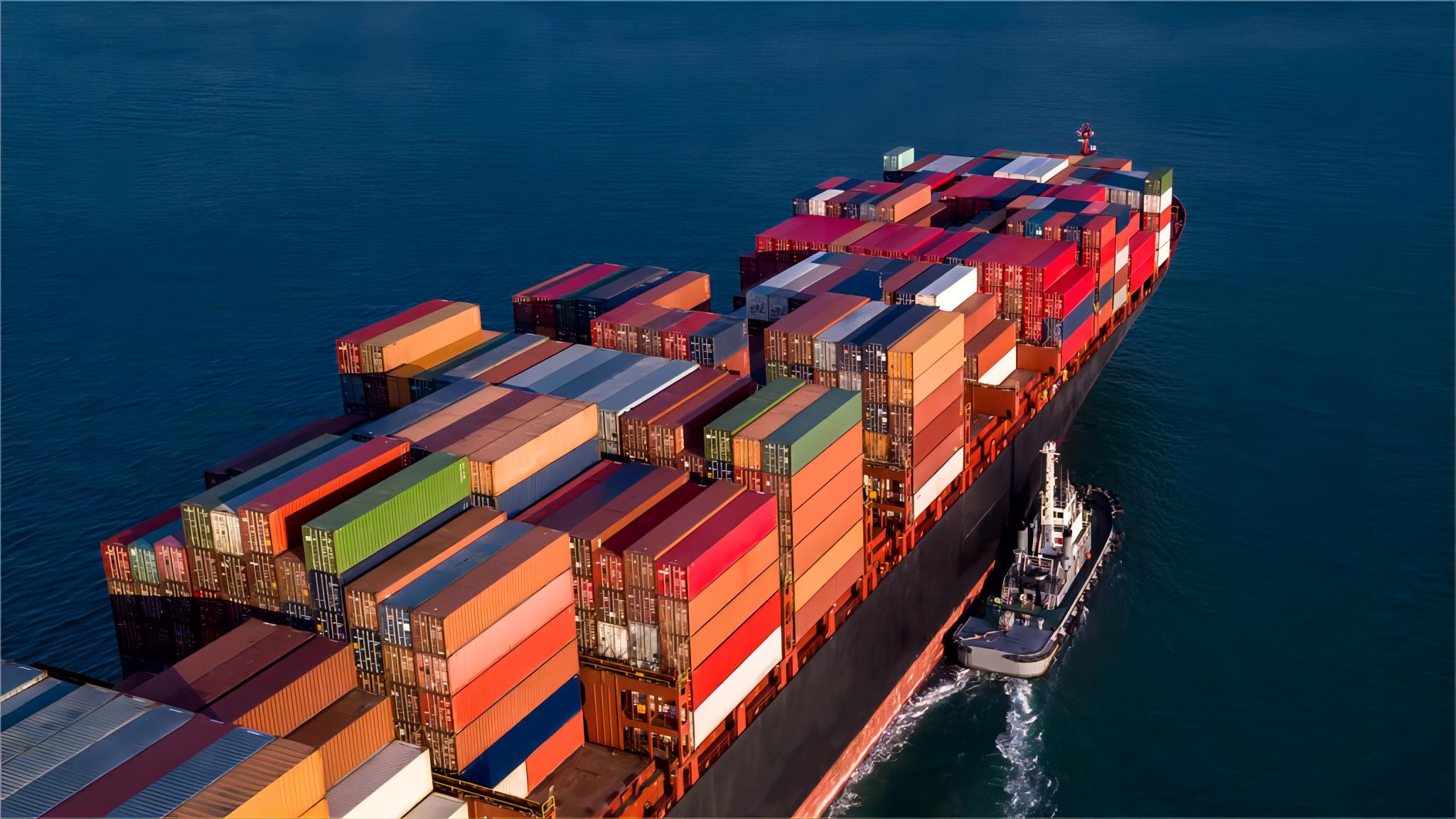
Furthermore, sea freight remains the backbone of global trade, especially for heavy machinery or bulk consumer goods. This method allows for both Full Container Load and Less than Container Load shipments depending on your specific needs.

In contrast, air freight provides the fastest transit times for high-value or time-sensitive items like electronics and fashion. While the cost per kilogram is significantly higher, the reduced inventory holding costs can often justify the investment.
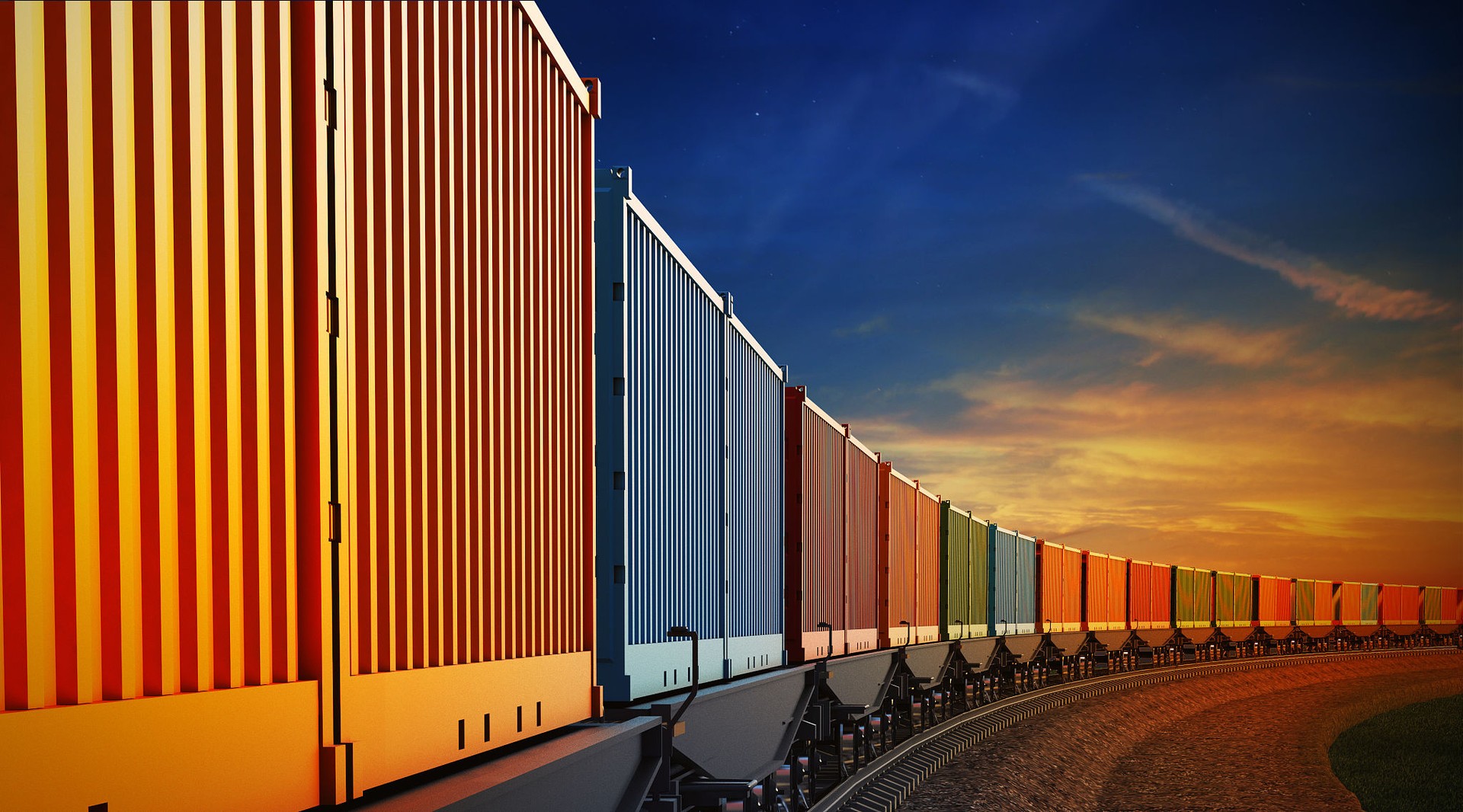
Rail freight has also emerged as a popular middle-ground solution, utilizing the trans-Eurasian rail network to connect Chinese hubs with European terminals. Consequently, this method offers a faster alternative to the ocean while remaining much cheaper than air transport.
| Method | Cost Range | Transit Time | Best For |
|---|---|---|---|
| Sea Freight (FCL) | 3,200 – 4,500 USD | 30 – 40 Days | Bulk Goods |
| Air Freight | 4.50 – 8.00 USD/kg | 3 – 7 Days | Urgent Cargo |
| Rail Freight | 150 – 280 USD/CBM | 18 – 25 Days | Mid-size Loads |
| Express Service | 7.00 – 12.00 USD/kg | 2 – 5 Days | Samples/Small |
How Much Does Shipping from China to UK Cost in 2026?
Freight rates for the China-UK route have stabilized in early 2026 following previous market disruptions in the Red Sea. However, seasonal demand during the golden week or the pre-Christmas rush can still cause significant price spikes.
Moreover, the total landed cost involves more than just the ocean or air freight charge from the carrier. You must also account for port handling fees, documentation costs, and local trucking at both the origin and destination.
Typical rates for a 40HQ container currently range between 3,500 and 4,500 USD depending on the departure port and carrier availability. Smaller shipments using LCL services are usually billed per cubic meter, making them ideal for startups or small businesses.
Note: Freight rates are subject to change based on fuel costs, carrier capacity, and seasonal demand. Contact us for a current quote tailored to your specific shipment.
| Container Type | Shanghai to Felixstowe | Shenzhen to Southampton | Ningbo to London Gateway |
|---|---|---|---|
| 20GP (Standard) | 2,200 – 2,800 USD | 2,100 – 2,750 USD | 2,250 – 2,900 USD |
| 40GP (Standard) | 3,400 – 4,100 USD | 3,300 – 4,000 USD | 3,450 – 4,200 USD |
| 40HQ (High Cube) | 3,600 – 4,500 USD | 3,500 – 4,400 USD | 3,700 – 4,600 USD |
How Does Sea Freight Compare to Other Shipping Options?
Evaluating the trade-offs between different logistics modes is essential for maintaining a healthy profit margin in your import business. While sea freight offers the lowest unit cost, the long lead times require careful inventory planning to avoid stockouts.
Additionally, air freight drastically reduces the risk of damage or theft due to shorter handling times and tighter airport security. This makes it the preferred choice for fragile or high-end luxury products despite the premium pricing.
Rail freight serves as an excellent alternative strategy for those who find sea freight too slow but air freight too expensive. It provides a consistent schedule that is less affected by weather conditions compared to ocean voyages.
Hybrid solutions like sea-air combinations are also becoming more common in 2026 to optimize supply chain flexibility. These routes might involve shipping by sea to a hub like Dubai and then flying the goods to London to save time.
| Shipping Method | Cost Range | Transit Time | Limitations |
|---|---|---|---|
| Sea Freight | Low | 30-45 Days | Long lead times |
| Air Freight | High | 3-7 Days | Weight limits |
| Rail Freight | Medium | 18-25 Days | Route fixed |
| Express | Very High | 2-5 Days | Strict dimensions |
What Is the Transit Time for Shipping from China to UK?
The duration of your shipment depends heavily on the specific ports of call and the chosen service level from the shipping line. Direct routes from major hubs like Shanghai or Ningbo to Felixstowe typically take about 32 to 35 days under normal conditions.
Meanwhile, transshipment routes that stop in Singapore or Colombo can add another 7 to 10 days to the total journey. Importers should always factor in an additional week for port congestion and local delivery at the destination.
Air cargo transit times are much more predictable, usually ranging from 3 to 5 days for airport-to-airport service. Consequently, this speed allows businesses to react quickly to market trends or urgent customer demands in the UK.
Rail transit times from Xi’an or Chengdu to terminals in the UK generally fall between 18 and 22 days. This consistency makes rail a reliable choice for steady replenishment of retail stock or industrial components.
How to Handle Customs Clearance for UK Imports?
Navigating the post-Brexit regulatory landscape requires meticulous attention to detail regarding documentation and commodity codes. You must ensure all paperwork, including the commercial invoice and packing list, accurately reflects the goods being imported.
Indeed, hiring a professional customs brokerage service can prevent costly delays and potential fines from HM Revenue and Customs. They will handle the VAT and duty calculations to ensure your cargo clears the border without issues.
Properly classifying your products using the UK Global Tariff is vital for determining the correct duty rates. Furthermore, you should verify if your products require specific licenses, such as those for chemicals, textiles, or electronics.
Preparation is the key to a smooth customs experience, so always provide your EORI number to your freight forwarder well in advance. This identification number is mandatory for all businesses importing or exporting goods with the United Kingdom.
What Are the Benefits of Door to Door Shipping?
Many modern businesses prefer a hands-off approach to logistics by utilizing comprehensive door to door services. This model covers every step of the journey from the factory floor in China to your warehouse or office in the UK.
Consequently, this simplifies the accounting process as you receive a single invoice covering all freight, duties, and handling charges. It also reduces the administrative burden of coordinating between multiple carriers and local trucking companies.
Choosing a DDP (Delivered Duty Paid) arrangement means the seller or forwarder assumes all risks and costs until the goods reach your door. This is particularly beneficial for e-commerce sellers who want to focus on marketing rather than logistics.
Moreover, door to door solutions often include integrated tracking systems that provide real-time updates on your shipment’s progress. This visibility allows for better inventory management and more accurate delivery estimates for your end customers.
How Does Amazon FBA Shipping Work from China?
Sending inventory directly to a fulfillment center requires strict adherence to Amazon’s labeling and packaging requirements. Utilizing a specialized Amazon FBA logistics provider ensures your shipment meets these standards to avoid rejection at the warehouse.
Furthermore, these providers often offer prep services in China, such as palletizing and barcoding, which can be more cost-effective than doing it in the UK. They are also familiar with the appointment scheduling systems required for FBA deliveries.
Most FBA sellers choose a combination of sea freight for their main stock and air freight for urgent restocks. This balanced approach helps maintain high seller ratings by ensuring products are always available for Prime delivery.
In addition, your forwarder can help manage the complexities of VAT registration and payment, which is a critical requirement for selling on Amazon UK. They ensure that all taxes are paid correctly so your seller account remains in good standing.
Which Shipping Option Should You Choose?
Selecting the right method depends on your specific business priorities, such as budget constraints or tight delivery deadlines. If your primary goal is to minimize costs and your cargo volume exceeds 15 cubic meters, FCL sea freight is the logical choice.
On the other hand, if you are shipping small batches of high-value goods, air freight or express services will offer better security and speed. You should also consider rail freight if you need a faster turnaround than the ocean can provide without the high cost of air.
Cargo type also plays a significant role; for example, hazardous materials or oversized machinery may be restricted to specific vessels or routes. Always consult with your logistics partner to determine the most feasible and compliant shipping strategy for your items.
Ultimately, the best approach often involves a diversified logistics strategy that uses different modes for different product lines. This flexibility allows you to adapt to market changes and maintain a resilient supply chain in the face of global challenges.
Real Case Studies for Shipping Success
Reviewing actual logistics scenarios can provide valuable insights into the practicalities of shipping from China to UK. These examples illustrate how different businesses optimize their routes based on specific cargo needs and market conditions.
Case Study 1: High-End Electronics from Shenzhen to London. A tech startup needed to launch a new smartphone accessory quickly. They chose air freight for 500kg of cargo, which arrived in 4 days at a total cost of 3,250 USD, allowing them to beat competitors to the market.
Case Study 2: Home Furniture from Ningbo to Felixstowe. A retail chain imported three 40HQ containers of outdoor furniture for the summer season. By booking sea freight two months in advance, they secured a rate of 3,800 USD per container and ensured stock arrived before the peak shopping period.
Case Study 3: Industrial Parts via Rail Freight. A manufacturing firm used the rail network to transport 12 CBM of machine components from Xi’an to a terminal in the UK. The shipment took 20 days and cost 2,400 USD, providing a 15-day saving over sea freight at a fraction of the air cargo price.
Mastering Your Logistics from China to UK
Successfully shipping from China to UK in 2026 requires a deep understanding of the available transport modes and the current market landscape. By choosing the right combination of sea, air, or rail freight, you can optimize your costs and meet your delivery deadlines consistently.
Furthermore, partnering with a reliable freight forwarder ensures that your customs documentation is handled professionally and your cargo is protected throughout its journey. Remember to plan ahead for peak seasons and maintain flexibility in your supply chain to adapt to any unforeseen global events.
Ultimately, the key to a profitable import business lies in balancing speed, cost, and reliability. Use the data and strategies outlined in this guide to refine your shipping processes and drive your business forward in the competitive UK market.