

Shipping Rates China to Germany 2026: Complete Cost and Logistics Guide
Understanding shipping rates china to germany is essential for businesses looking to maintain competitive pricing in the 2026 global market. Consequently, many importers struggle with fluctuating fuel surcharges and seasonal demand shifts that impact their bottom line. Top China Freight offers comprehensive logistics solutions to help you navigate these complexities while ensuring your cargo arrives safely and on schedule. This guide explores current market trends and provides actionable data to optimize your supply chain.

What Factors Influence Shipping Rates China to Germany in 2026?
Several variables determine the final cost of transporting goods from Chinese manufacturing hubs to German industrial centers. For instance, the choice of transport mode represents the most significant cost driver in your logistics budget. Moreover, fuel price fluctuations and carrier capacity management directly impact the weekly rate updates seen by freight forwarders.
Seasonal demand cycles also play a critical role in pricing volatility throughout the year. Specifically, the period leading up to the Golden Week holiday in October often sees a sharp spike in demand and subsequent rate hikes. Additionally, environmental regulations in the European Union have introduced new carbon surcharges that importers must account for in 2026.
Geopolitical stability remains a wildcard that can alter traditional shipping routes and lead to unexpected surcharges. As a result, many businesses now prioritize flexible logistics strategies to mitigate risks associated with port congestion or maritime diversions. Understanding these factors allows you to better predict your landed costs and avoid unpleasant financial surprises.
Comparing Sea Freight Options for German Imports
Importers frequently choose sea freight when they need to transport large volumes of goods at the lowest possible price point. This method is particularly effective for heavy machinery, bulk raw materials, and consumer electronics that do not require immediate delivery. Furthermore, the availability of various container types allows for specialized cargo handling.
Full Container Load (FCL) shipping provides the best value for shipments that can fill a 20-foot or 40-foot container. In contrast, Less than Container Load (LCL) services allow smaller businesses to share container space and pay only for the volume they use. Therefore, selecting the right container strategy is vital for optimizing your shipping rates china to germany.
Note: Freight rates are subject to change based on fuel costs, carrier capacity, and seasonal demand. Contact us for a current quote tailored to your specific shipment.
| Container Type | Capacity (CBM) | Max Weight (KG) | Ideal For |
|---|---|---|---|
| 20GP Standard | 33 CBM | 28,000 | Heavy/Dense Goods |
| 40GP Standard | 67 CBM | 26,000 | General Merchandise |
| 40HQ High Cube | 76 CBM | 26,000 | Voluminous Cargo |
| LCL (per CBM) | Variable | Variable | Small Shipments |
Is Air Freight Worth the Premium for Your Business?
When speed is the primary objective, air freight stands out as the most reliable option for time-sensitive deliveries. High-value items such as medical equipment, fashion samples, and urgent automotive parts often travel via air to minimize inventory holding costs. Consequently, the higher price per kilogram is justified by the rapid market entry it facilitates.
Standard air service typically delivers goods from major Chinese airports to Frankfurt or Munich within five to seven days. Meanwhile, expedited services can reduce this window even further, albeit at a significantly higher cost. Additionally, air transport offers enhanced security and lower risk of damage compared to other shipping methods.
Market data suggests that air freight rates have remained relatively stable in early 2026 due to increased belly capacity in passenger planes. However, peak season surcharges still apply during the fourth quarter when e-commerce volumes surge globally.
Rail Freight: The Middle Ground Between Speed and Cost
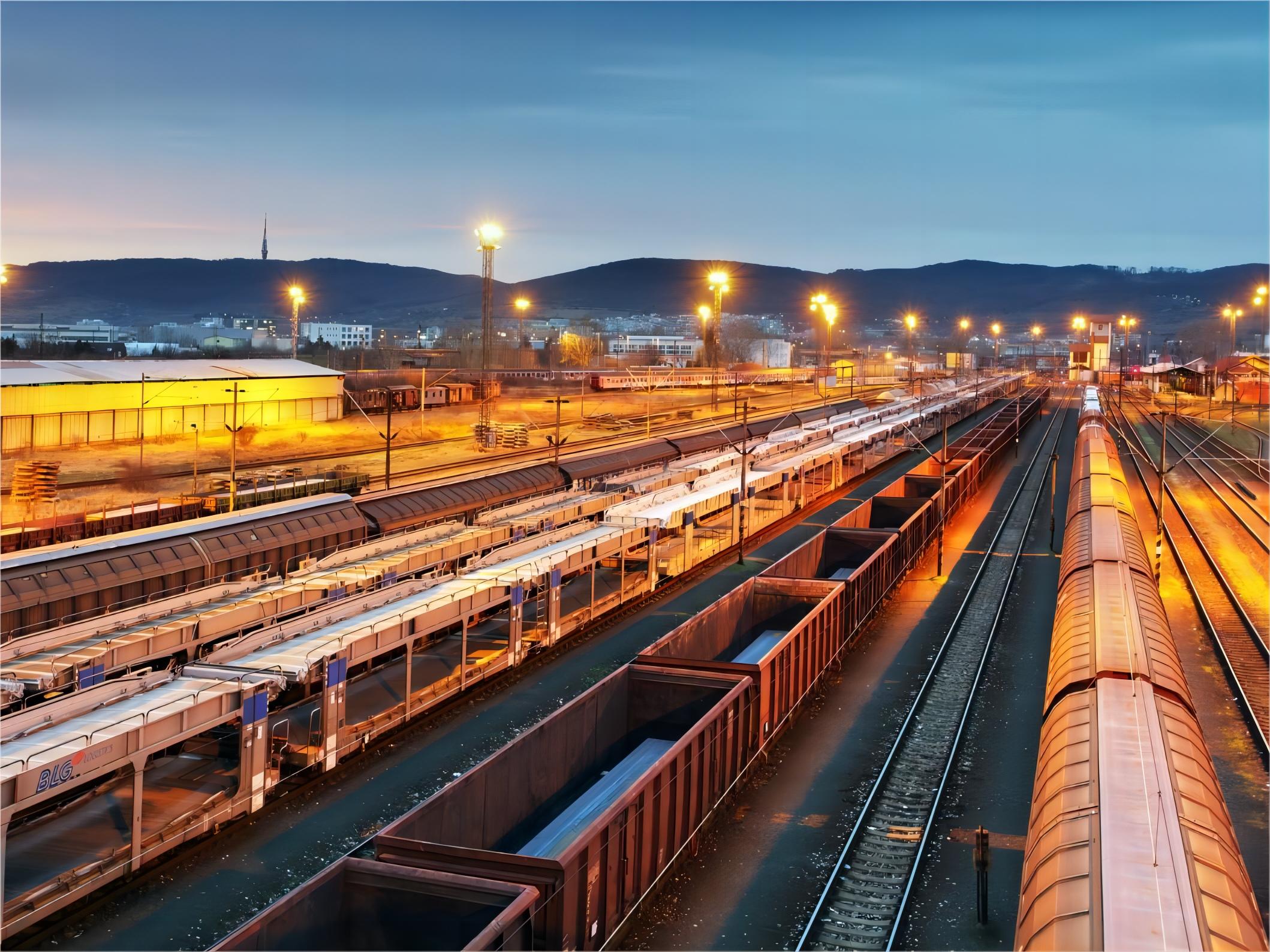
The expansion of the Trans-Eurasian rail network has made rail freight an increasingly popular choice for China-Germany trade. This method offers a balanced solution, providing faster transit times than sea freight and significantly lower costs than air transport. Indeed, many e-commerce sellers utilize rail to replenish their German warehouses efficiently.
Typical rail routes connect cities like Xi’an and Chengdu directly to German hubs such as Duisburg and Hamburg. Furthermore, the environmental footprint of rail transport is much lower than that of air freight, appealing to sustainability-conscious brands. Consequently, rail has become a cornerstone of modern supply chain diversification strategies.
As of early 2026, rail transit times have stabilized at approximately 18 to 22 days for door-to-door deliveries. Without a doubt, this predictability helps businesses manage their stock levels more effectively without the high expense of air shipping.
How Does Sea Freight Compare to Other Shipping Options?
Evaluating the trade-offs between different logistics modes is essential for choosing the right strategy for your specific cargo. While sea freight remains the most economical choice for bulk shipments, it requires much longer lead times and higher inventory carrying costs. In contrast, air freight offers unmatched speed but can be ten times more expensive.
Hybrid solutions, such as sea-air combinations, are gaining traction in 2026 as businesses seek to balance cost and speed. These strategies involve shipping goods by sea to a hub like Dubai and then flying them to Germany. Therefore, you can achieve significant savings compared to pure air freight while still arriving faster than pure sea freight.
| Shipping Method | Cost Range (Est.) | Transit Time | Best For |
|---|---|---|---|
| Sea Freight | $1,800 – $4,200 | 30 – 45 Days | Bulk/Non-urgent |
| Air Freight | $4.50 – $9.50/kg | 3 – 7 Days | Urgent/High-value |
| Rail Freight | $160 – $280/CBM | 18 – 25 Days | E-commerce/FBA |
| Express Service | $8.00 – $15.00/kg | 2 – 4 Days | Small Parcels |
Which Option Should You Choose for Your Germany-Bound Cargo?
Selecting the ideal shipping method depends on your budget, cargo volume, and delivery deadlines. If your priority is minimizing costs and you have a flexible schedule, sea freight is the clear winner for large volumes. On the other hand, if you are shipping lightweight, high-margin products, express service might be more efficient.
Volume thresholds often dictate the switch between LCL and FCL shipping. For example, shipments exceeding 15 cubic meters are usually more cost-effective when booked as a full 20-foot container. Consequently, understanding these break-even points is crucial for maximizing your logistics budget efficiency.
Consider the following criteria when making your decision: Budget priority leads to sea freight, speed priority leads to air freight, and a balance of both often leads to rail freight. Additionally, specialized cargo like dangerous goods or perishable items may require specific handling that limits your transport options.
Real-World Case Studies: Shipping from China to Germany
Case Study 1: Solar Panel Distribution Route: Ningbo, China to Hamburg, Germany Cargo: Solar Panels, 68 CBM, 22,000 kg Container: 40HQ Full Container Shipping Details: – Carrier: Major Ocean Carrier – Port of Loading: Ningbo – Port of Discharge: Hamburg – Route Type: Direct Cost Breakdown: – Ocean Freight: $3,450 – Origin Charges: $420 – Destination Charges: $550 – Total Landed Cost: $4,420 Timeline: – Booking to Loading: 4 days – Sea Transit: 34 days – Customs Clearance: 2 days – Total Door-to-Door: 40 days Key Insight: Using a direct sea route minimized handling risks for fragile solar panels.
Case Study 2: High-End Electronics Launch Route: Shenzhen, China to Frankfurt, Germany Cargo: Premium Smartphones, 2.5 CBM, 450 kg Shipping Method: Air Freight Shipping Details: – Service: Standard Air Cargo – Port of Loading: Shenzhen (SZX) – Port of Discharge: Frankfurt (FRA) – Route Type: Direct Flight Cost Breakdown: – Air Freight: $2,475 ($5.50/kg) – Handling Fees: $180 – Customs & Duties: $1,200 – Total Landed Cost: $3,855 Timeline: – Booking to Loading: 1 day – Air Transit: 14 hours – Customs Clearance: 1 day – Total Door-to-Door: 5 days Key Insight: Rapid transit allowed the client to meet a strict product launch deadline.
Case Study 3: E-commerce Inventory Restock Route: Xi’an, China to Duisburg, Germany Cargo: Home Decor Items, 12 CBM, 3,200 kg Shipping Method: Rail Freight (LCL) Shipping Details: – Service: Iron Silk Road Express – Port of Loading: Xi’an Rail Terminal – Port of Discharge: Duisburg Terminal – Route Type: Trans-Kazakhstan Cost Breakdown: – Rail Freight: $2,160 ($180/CBM) – Terminal Charges: $310 – Delivery to Warehouse: $450 – Total Landed Cost: $2,920 Timeline: – Booking to Loading: 3 days – Rail Transit: 19 days – Customs Clearance: 2 days – Total Door-to-Door: 24 days Key Insight: Rail provided a 50% time saving over sea freight at a fraction of the air freight cost.

Understanding Customs Duties and Import Taxes in Germany
Navigating the German customs landscape requires meticulous attention to detail and accurate documentation. Every shipment from China must clear the EU customs border, which involves paying Value Added Tax (VAT) and applicable import duties. Therefore, partnering with an experienced customs brokerage is essential for avoiding costly delays.
Importers must provide a Commercial Invoice, Packing List, and a Bill of Lading or Air Waybill for every shipment. Moreover, certain products like textiles or electronics may require specific certificates of origin or CE marking compliance documents. Consequently, failing to prepare these documents in advance can result in significant demurrage charges at the port.
Germany utilizes the EORI (Economic Operators Registration and Identification) system for all importing businesses. If you are new to importing into Europe, ensuring your EORI number is active before your cargo departs China is a critical first step. Additionally, understanding the HS codes for your products will help you accurately calculate your tax obligations.
Strategies to Reduce Your Shipping Costs
Reducing your shipping rates china to germany often starts with optimizing your packaging to minimize wasted space. For instance, using custom-sized boxes can significantly reduce the volumetric weight of air freight shipments. Furthermore, consolidating multiple small orders into a single LCL or FCL shipment can lead to substantial economies of scale.
Negotiating long-term contracts with freight forwarders can provide price stability during volatile market periods. Alternatively, booking your shipments at least two to three weeks in advance can help you secure lower rates before capacity tightens. Indeed, proactive planning is the most effective way to manage logistics expenses.
Choosing the right Incoterms, such as FOB (Free On Board) or EXW (Ex Works), also impacts your total costs and responsibilities. While door to door services offer the most convenience, managing certain legs of the journey yourself might yield small savings for experienced importers. Ultimately, a balanced approach that prioritizes both cost and reliability will yield the best results.
Mastering Your Shipping Strategy for 2026
Optimizing your shipping rates china to germany requires a deep understanding of the various transport modes and market dynamics. By carefully evaluating sea, air, and rail options, you can balance the need for speed with the reality of your budget constraints. Moreover, staying informed about customs regulations and logistics trends will ensure your supply chain remains resilient.
Successful importing in 2026 demands flexibility and proactive management of your freight partners. Consequently, businesses that invest time in planning their logistics strategies will enjoy a significant competitive advantage in the German market. Remember to always seek current market rates and leverage professional expertise to navigate the complexities of international trade.
Need a tailored shipping solution?
Streamline your international logistics today with a customized quote from our experts. Whether you need sea, air, or rail solutions, we provide the most competitive shipping rates china to germany to help your business grow. Visit Top China Freight to request your free freight analysis now.