Shipping from China to France: 2026 Rates and Logistics Guide
Navigating the complexities of shipping from China to France requires a reliable partner to manage the intricate logistics of international trade in 2026. Top China Freight provides comprehensive solutions that streamline your supply chain and ensure timely deliveries across the European continent. This guide explores the most efficient methods, current market rates, and essential customs procedures for French importers looking to optimize their logistics strategy.
✦
What are the main methods for shipping from China to France?
Choosing the right transportation mode depends entirely on your budget, cargo volume, and required delivery speed. Most businesses utilize sea freight for large-scale shipments due to its unmatched cost-efficiency for heavy loads. However, air freight remains the preferred choice for high-value or time-sensitive goods that need to reach Paris or Lyon within days. Rail freight has also emerged as a powerful middle-ground solution for those seeking a balance between speed and expenditure.
Moreover, express services offer the fastest door-to-door solutions for smaller parcels and samples. Each method carries specific advantages and trade-offs that impact your total landed cost and inventory turnover. Consequently, understanding the nuances of these logistics channels is vital for maintaining a competitive edge in the French market.
How much does shipping from China to France cost in 2026?
Freight rates have stabilized significantly in early 2026 following the global supply chain adjustments of previous years. For ocean transport, a 20GP container typically costs between $1,800 and $2,500, while a 40HQ container ranges from $3,000 to $4,200. These prices fluctuate based on seasonal demand, fuel surcharges, and port congestion levels at major hubs like Shanghai or Le Havre.
Air freight pricing currently sits between $4.50 and $8.00 per kilogram for standard shipments exceeding 100kg. In contrast, rail freight offers a more economical alternative to air, with rates averaging $1.50 to $2.50 per kilogram. Additionally, importers should account for origin charges, destination handling fees, and insurance costs when calculating their total logistics budget.
| Method | Standard Unit | Estimated Cost (USD) | Market Trend |
|---|---|---|---|
| Sea Freight (FCL) | 20GP Container | $1,800 – $2,500 | Stable |
| Sea Freight (FCL) | 40HQ Container | $3,000 – $4,200 | Slight Increase |
| Air Freight | Per Kilogram | $4.50 – $8.00 | Volatile |
| Rail Freight | Per Kilogram | $1.50 – $2.50 | Stable |

How long does shipping from China to France take?
Transit times vary greatly depending on the selected route and the efficiency of the carrier. Sea freight from major Chinese ports to Marseille or Le Havre generally takes 30 to 40 days. This duration includes loading time, the sea voyage via the Suez Canal, and discharge procedures at the destination port. Furthermore, rail freight can cut this time nearly in half, delivering goods to French terminals in 18 to 24 days.
Air freight offers the fastest transit, usually requiring only 3 to 7 days for airport-to-airport delivery. For those using express service, the entire process from pickup in China to delivery in France can be completed in as little as 3 to 5 business days. Meanwhile, door-to-door solutions often add a few days for local trucking and customs clearance at both ends.
| Shipping Mode | Origin City | Destination | Typical Transit |
|---|---|---|---|
| Sea Freight | Shanghai | Le Havre | 32 – 38 Days |
| Air Freight | Shenzhen | Paris CDG | 3 – 5 Days |
| Rail Freight | Wuhan | Lyon | 20 – 24 Days |
| Express | Guangzhou | Anywhere France | 3 – 6 Days |
Should you choose FCL or LCL for sea freight to France?
Deciding between Full Container Load (FCL) and Less than Container Load (LCL) is a critical step for sea freight planning. If your cargo volume exceeds 15 cubic meters, sea freight in a dedicated 20-foot container is usually more cost-effective. FCL offers better security and faster handling since the container is not opened until it reaches your warehouse.
On the other hand, LCL is ideal for smaller shipments that do not require a full container. While LCL allows you to pay only for the space you use, it involves higher per-unit costs and longer transit times due to the consolidation process. Therefore, businesses with consistent but smaller volumes often prefer LCL to maintain a steady flow of inventory without the high cost of empty container space.
Why is air freight the best choice for urgent shipments?
Speed is the primary driver for selecting air freight when importing from Chinese manufacturers. When product launches or stockouts occur, the ability to move goods in less than a week is invaluable. Additionally, air transport provides a higher level of security and reduced risk of damage compared to long-distance sea voyages.
High-value items such as electronics, pharmaceuticals, and luxury fashion goods benefit most from this method. Although the costs are significantly higher, the reduction in insurance premiums and inventory carrying costs often justifies the expense. Indeed, many French businesses utilize a hybrid strategy, using air freight for initial product launches and sea freight for bulk replenishment.
How does sea freight compare to other shipping options?
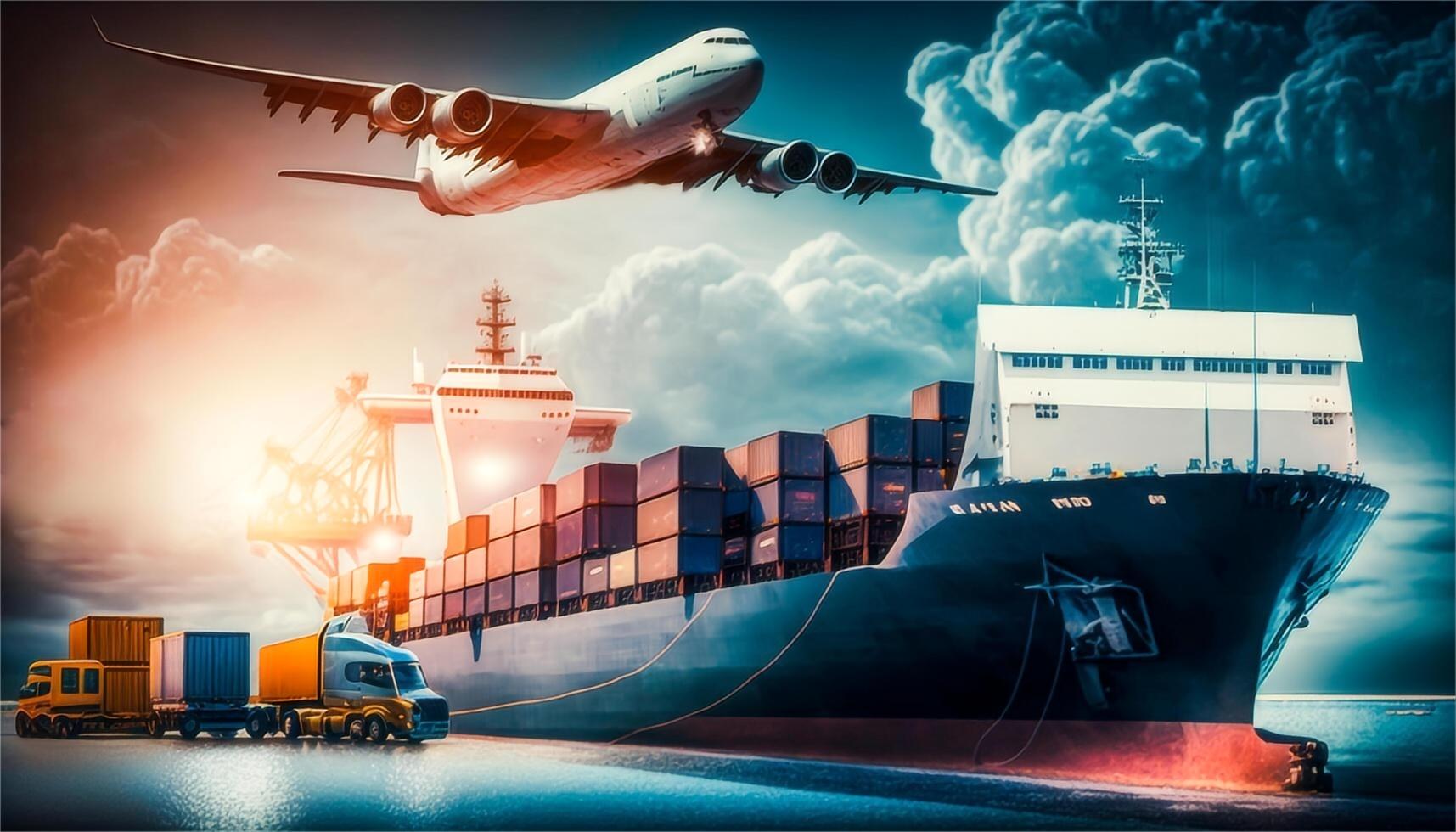
Sea freight remains the backbone of trade between China and France due to its massive capacity. While it is the slowest method, its ability to transport oversized machinery and bulk commodities is unmatched. In contrast, rail freight offers a faster alternative for landlocked regions in France, bypassing the traditional maritime routes. Air freight stands alone as the premium option for speed but fails to compete on price for any shipment over a few hundred kilograms.
Choosing the right method requires a careful analysis of your specific logistics needs. For example, if you are shipping 20 tons of furniture, sea freight is the only logical choice. Conversely, for 50 kilograms of high-tech sensors, air freight is far more practical. Hybrid solutions, such as sea-air, can also be used to mitigate costs while maintaining a reasonable delivery schedule.
| Method | Cost Range | Transit Time | Best For | Limitations |
|---|---|---|---|---|
| Sea Freight | $1,800 – $4,200 | 30-40 Days | Bulk / Heavy | Slowest speed |
| Air Freight | $4.50 – $8.00/kg | 3-7 Days | Urgent / High-value | Very expensive |
| Rail Freight | $1.50 – $2.50/kg | 18-24 Days | Mid-size / Urgent | Route limited |
| Express | $6.00 – $10.00/kg | 3-5 Days | Samples / Small | Size limits |
What documents are required for customs clearance in France?
Proper documentation is the key to avoiding delays and penalties at the French border. Every shipment must be accompanied by a commercial invoice, a detailed packing list, and a bill of lading or air waybill. Furthermore, importers must provide an EORI number, which is a unique identification number for businesses interacting with EU customs.
Depending on the nature of your goods, you might also need a Certificate of Origin or specific CE marking documentation to prove compliance with European safety standards. Engaging a professional customs brokerage service can simplify this process significantly. They ensure that all duties and VAT are calculated correctly, preventing your cargo from being held at the port of entry.
How can you reduce shipping costs from China to France?
Optimizing your packaging is one of the most effective ways to lower your freight expenses. By reducing the volume of your boxes, you can fit more units into a single container or reduce the chargeable weight for air shipments. Additionally, consolidating multiple orders from different suppliers into one shipment can lead to significant savings on handling fees.
Planning your shipments well in advance allows you to book lower rates before peak seasons. Rates typically increase by 15-25 percent during the August to October period as retailers prepare for the holidays. Moreover, choosing door to door shipping can often be cheaper than managing each leg of the journey separately through different providers.
Real-world case studies of shipping from China to France
Examining real-world examples helps importers understand the practical application of different logistics strategies. These cases reflect actual market conditions in late 2025 and early 2026. Note: Freight rates are subject to change based on fuel costs, carrier capacity, and seasonal demand. Contact us for a current quote tailored to your specific shipment.
Case Study 1: Electronics from Shenzhen to Marseille. Cargo: 500 units of smart home devices, 28 CBM. Container: 40HQ. Shipping Details: Major carrier, Port of Loading: Shenzhen, Port of Discharge: Marseille, Route Type: Direct. Cost Breakdown: Ocean Freight: $3,450; Origin Charges: $450; Destination Charges: $600; Total Landed Cost: $4,500. Timeline: Booking to Loading: 4 days; Sea Transit: 34 days; Customs Clearance: 2 days; Total Door-to-Door: 40 days. Key Insight: Choosing a direct route to the South of France saved 5 days compared to transshipment via Northern ports.
Case Study 2: Industrial Machinery from Wuhan to Lyon. Cargo: CNC machine parts, 12 CBM, 4,500 kg. Shipping Method: rail freight. Shipping Details: China-Europe Railway Express, Port of Loading: Wuhan Terminal, Port of Discharge: Lyon Terminal. Cost Breakdown: Rail Freight: $6,750; Handling: $800; Customs: $400; Total Landed Cost: $7,950. Timeline: Transit: 22 days; Total Door-to-Door: 28 days. Key Insight: Rail provided the necessary speed for a production line emergency at half the cost of air freight.
Case Study 3: Fashion Apparel from Shanghai to Paris. Cargo: Seasonal clothing, 800 kg. Shipping Method: Air Freight. Shipping Details: Premium Air Service, Port of Loading: Shanghai Pudong, Port of Discharge: Paris CDG. Cost Breakdown: Air Freight: $4,800 ($6/kg); Surcharges: $350; Total Landed Cost: $5,150. Timeline: Transit: 4 days; Total Door-to-Door: 7 days. Key Insight: Using air freight allowed the brand to hit the fashion week deadline despite manufacturing delays.
Mastering Your Logistics from China to France
Successfully managing shipping from China to France involves balancing speed, cost, and reliability. By choosing the right transport mode and preparing the necessary documentation, you can ensure a smooth flow of goods into the French market. Whether you opt for the economy of sea freight or the speed of air cargo, working with an experienced freight forwarder is essential.
As market conditions evolve in 2026, staying informed about freight trends and customs regulations will help you maintain a resilient supply chain. Top China Freight remains committed to providing the most efficient logistics solutions for your business needs.
Ready to optimize your supply chain in 2026? Contact Top China Freight today for a personalized quote and expert guidance on shipping from China to France. Visit our website to start your inquiry:
Request Quote