

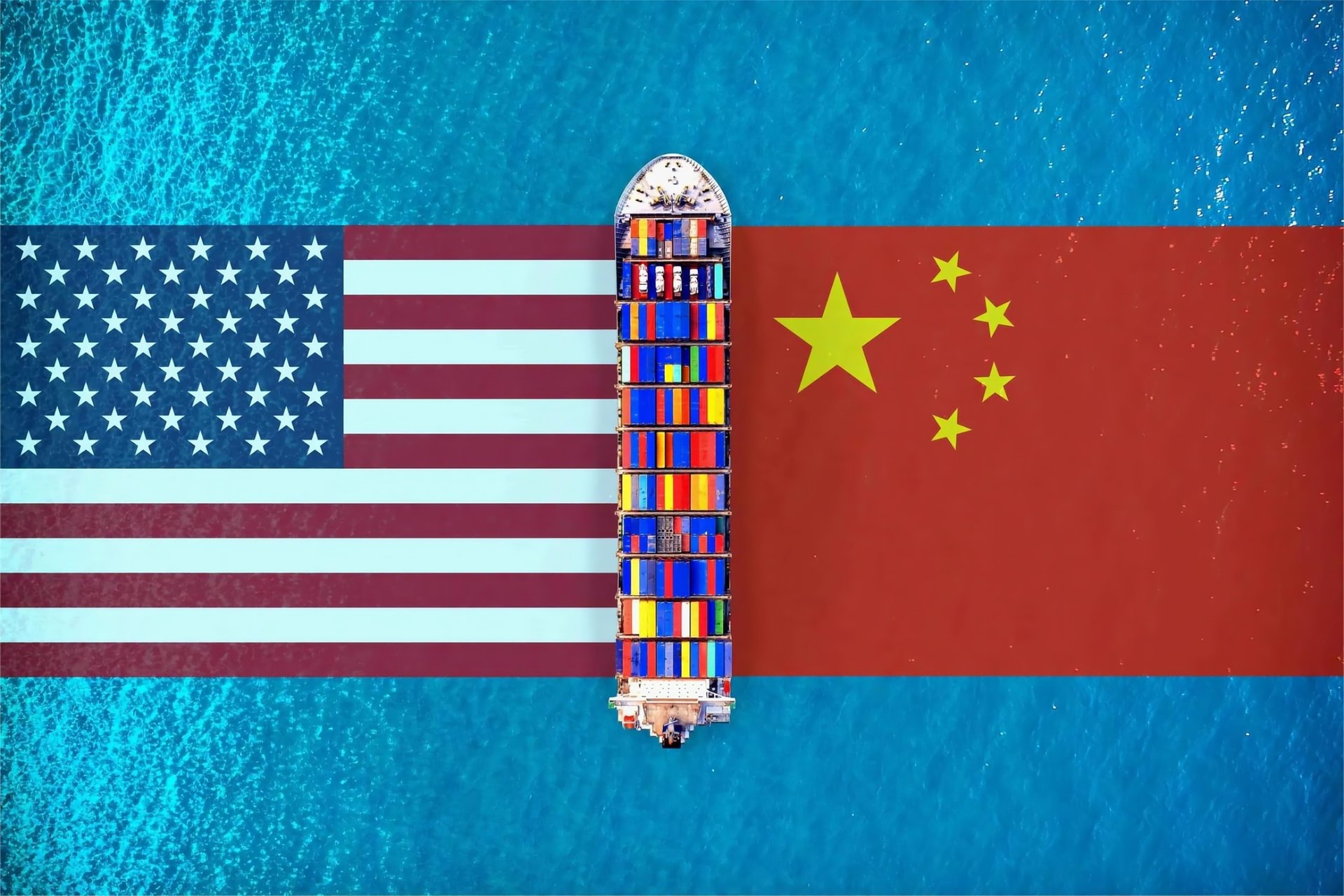
Sea Freight China to Poland: 2026 Guide to Costs and Transit Times
Navigating the complexities of sea freight China to Poland requires a strategic approach to ensure your cargo arrives safely and on time. As global trade routes evolve in 2026, businesses must adapt to changing logistics trends and fluctuating market conditions. Top China Freight provides comprehensive solutions designed to streamline your international shipping operations and reduce overhead costs. Consequently, understanding the nuances of ocean transport is essential for maintaining a competitive edge in the Polish market. Furthermore, this guide explores everything from container types to customs regulations to help you make informed decisions for your supply chain.
What Are the Sea Freight China to Poland Options in 2026?
Selecting the right shipping method is the first step in optimizing your logistics strategy for the current year. Most businesses choose sea freight because it offers the most cost-effective solution for large volumes of goods. Specifically, you must decide between Full Container Load (FCL) and Less than Container Load (LCL) based on your specific cargo dimensions and budget requirements.
Full Container Load (FCL) provides you with exclusive use of a 20ft or 40ft container, ensuring your goods remain undisturbed throughout the journey. This option is typically faster and safer for high-volume shipments because it involves less handling at transshipment points. Moreover, FCL is more economical once your cargo exceeds 15 cubic meters, as you pay a flat rate for the entire container space.
Less than Container Load (LCL) serves as an excellent alternative for smaller shipments that do not fill a whole container. In this scenario, your goods share space with other importers’ cargo, and you only pay for the volume you occupy. However, LCL shipments often require more time for consolidation and deconsolidation at the ports. Additionally, the risk of minor damage may increase slightly due to the extra handling involved in the packing process.
Choosing between these options depends on your delivery schedule and the nature of your products. For instance, fragile electronics might benefit from the security of FCL, while smaller batches of textiles are perfect for LCL. Consequently, evaluating your monthly volume is crucial for determining which method aligns with your long-term business goals.
How Does Sea Freight China to Poland Compare to Other Shipping Options?
Evaluating alternative transport modes is essential for building a resilient supply chain in 2026. While ocean transport remains the most popular choice, rail freight has become a powerful competitor for the China-Poland route. The New Silk Road offers a middle ground, providing faster transit than the sea but at a lower cost than air transport.
On the other hand, air freight remains the go-to solution for urgent shipments and high-value items. It offers unparalleled speed, often delivering goods within 5 to 7 days, though the costs are significantly higher. In contrast, sea freight can take anywhere from 30 to 45 days but allows for much larger weight and volume capacities.
Hybrid solutions like sea-air or rail-sea combinations are also gaining traction for businesses looking to balance cost and speed. For example, some importers ship goods by sea to a hub in the Middle East and then fly them to Poland. Nevertheless, for the majority of bulk commodities and retail goods, traditional ocean routes via the Suez Canal remain the standard.
The following table provides an objective analysis of the primary shipping methods available for this specific trade lane.
| Shipping Method | Cost Range (Est) | Transit Time | Best For |
|---|---|---|---|
| Sea Freight (FCL) | $3,000 – $4,500 | 30 – 45 Days | Bulk Goods |
| Rail Freight | $5,000 – $7,000 | 14 – 22 Days | Medium Volume |
| Air Freight | $5 – $9 per kg | 5 – 8 Days | Urgent Items |
| LCL Sea Freight | $80 – $150/CBM | 35 – 50 Days | Small Batches |

Understanding Shipping Costs for Sea Freight China to Poland
Calculating the total landed cost of your imports requires a detailed look at various fee structures. Ocean freight rates are influenced by fuel surcharges, seasonal demand, and port congestion levels in both China and Poland. Furthermore, currency fluctuations and geopolitical stability along the Suez Canal route continue to play a role in 2026 pricing trends.
Origin charges typically include terminal handling fees, export customs clearance, and documentation costs at Chinese ports like Shanghai or Ningbo. Meanwhile, destination charges in Poland involve port dues at Gdansk or Gdynia, unloading fees, and local delivery to your warehouse. It is vital to account for these ‘hidden’ costs when comparing quotes from different freight forwarders.
Seasonal patterns significantly impact your budget, with rates typically increasing by 15-25% during the August to October peak season. This surge occurs as retailers stock up for the holiday period, leading to tighter container availability. Therefore, booking your shipments at least 4-6 weeks in advance can help you secure better rates and avoid last-minute surcharges.
Note: Freight rates are subject to change based on fuel costs, carrier capacity, and seasonal demand. Contact us for a current quote tailored to your specific shipment.
Transit Times: How Long Does Sea Freight China to Poland Take?
Estimating your delivery schedule accurately is vital for inventory management and customer satisfaction. The transit time for sea freight China to Poland varies depending on whether you choose a direct route or a transshipment service. Direct vessels from major Chinese hubs to the Port of Gdansk generally offer the fastest ocean transit available.
Most shipments from Southern China take approximately 32 to 38 days to reach the Polish coast under normal conditions. However, shipments from Northern ports like Tianjin might require 40 to 45 days due to the additional sailing distance. Additionally, you must factor in the time needed for customs clearance and inland haulage once the ship arrives.
Port congestion remains a variable that can add 3 to 7 days to your total timeline during busy periods. Indeed, the efficiency of the DCT Gdansk terminal has improved significantly in 2026, yet seasonal bottlenecks still occur. Consequently, adding a buffer of one week to your planning cycle is a wise strategy for avoiding stockouts.
The table below outlines typical port-to-port transit times for major Chinese origins.
| Origin Port | Destination Port | Average Time | Service Type |
|---|---|---|---|
| Shanghai | Gdansk | 34 Days | Direct |
| Shenzhen | Gdynia | 32 Days | Direct |
| Ningbo | Gdansk | 35 Days | Transshipment |
| Qingdao | Gdansk | 38 Days | Direct |
Which Option Should You Choose for Your Business?
Determining the best logistics path requires a clear understanding of your business priorities and cargo characteristics. If your primary goal is cost reduction and you are moving non-perishable goods, sea freight is the logical choice. On the contrary, if you are launching a new product with a tight deadline, the speed of rail or air might justify the extra expense.
Volume thresholds often dictate the switch between LCL and FCL shipping methods. Generally, once your shipment reaches 13-15 cubic meters, the cost of a full 20ft container becomes more economical than paying per CBM for LCL. Moreover, FCL offers better protection for your goods, making it the preferred choice for high-value manufacturing components.
Budget-conscious importers should focus on sea freight but must plan for longer lead times to accommodate the slower pace. Specifically, if you can manage a 45-day lead time, you can save up to 60% compared to rail freight costs. In contrast, businesses with limited storage space may prefer smaller, more frequent LCL shipments to maintain a lean inventory.
Cargo type also plays a significant role in your decision-making process. Heavy machinery and bulk raw materials are almost exclusively shipped via sea due to weight restrictions on other transport modes. Meanwhile, high-tech gadgets or seasonal fashion items often require the agility of faster transit options to meet market demand.
Essential Customs Documents for Importing to Poland from China
Navigating the legal requirements for Polish imports is a critical step in the sea freight process. Utilizing a professional customs brokerage service can prevent costly delays and ensure compliance with EU regulations. Poland, as part of the European Union, follows strict guidelines regarding product safety, labeling, and duty payments.
The Commercial Invoice and Packing List are the most fundamental documents required for every shipment. These documents must clearly state the value, origin, and detailed description of the goods to determine the correct HS codes. Additionally, a Bill of Lading (BoL) serves as the contract of carriage and the title to the goods, which is essential for cargo release.
Certain products may require specific certificates, such as CE marking for electronics or phytosanitary certificates for wooden furniture. Without these documents, your shipment could be held at the port of Gdansk for an indefinite period, incurring high demurrage fees. Therefore, verifying all paperwork before the vessel leaves China is a non-negotiable part of the logistics workflow.
The following checklist summarizes the key documents you will need for a successful import process.
| Document Name | Purpose | Required By | Importance |
|---|---|---|---|
| Commercial Invoice | Duty Calculation | Polish Customs | Critical |
| Packing List | Cargo Verification | Port Authorities | High |
| Bill of Lading | Title of Goods | Shipping Line | Critical |
| Certificate of Origin | Trade Agreements | Polish Customs | Medium |
Door to Door Services and Logistics Trends in 2026
Modern logistics has shifted toward providing a seamless experience from the factory floor to the final warehouse. Door to door services have become increasingly popular for Polish importers who want to minimize their involvement in daily shipping tasks. This comprehensive service covers everything from inland trucking in China to final delivery in cities like Warsaw or Krakow.
Automation and real-time tracking are the defining trends of the logistics industry in 2026. Importers now expect full visibility into their sea freight China to Poland shipments, with GPS-enabled containers providing precise location data. Furthermore, AI-driven analytics are helping freight forwarders predict potential delays and optimize routes more effectively than ever before.
Sustainability is also becoming a major factor in carrier selection as new EU environmental regulations take effect. Many shipping lines are now offering ‘green’ freight options, utilizing bio-fuels or carbon offset programs to reduce the environmental impact of ocean transport. Consequently, choosing an eco-friendly shipping partner can enhance your brand reputation among environmentally conscious Polish consumers.
Inland infrastructure in Poland has also seen significant upgrades, with improved road networks connecting the northern ports to the southern industrial hubs. This means that once your container is offloaded, the ‘last mile’ delivery is faster and more reliable. Indeed, the synergy between sea freight and local trucking is the backbone of a successful Polish import business.
Case Studies: Successful Shipments from China to Poland
Case Study 1: Electronics Distribution. Route: Shenzhen, China to Gdansk, Poland. Cargo: Consumer electronics, 28 CBM, 4,500 kg. Container: 40HQ. Shipping Details: Carrier: Maersk. Port of Loading: Shenzhen. Port of Discharge: Gdansk. Route Type: Direct. Cost Breakdown: Ocean Freight: $3,450. Origin Charges: $450. Destination Charges: $600. Customs and Duties: $1,800. Total Landed Cost: $6,300. Timeline: Booking to Loading: 4 days. Sea Transit: 33 days. Customs Clearance: 2 days. Total Door-to-Door: 42 days. Key Insight: Utilizing a direct route to Gdansk reduced transit time by 5 days compared to transshipment via Hamburg.
Case Study 2: Furniture Retailer. Route: Ningbo, China to Gdynia, Poland. Cargo: Wooden furniture, 12 CBM, 2,200 kg. Container: LCL 12 CBM. Shipping Details: Carrier: Major carrier. Port of Loading: Ningbo. Port of Discharge: Gdynia. Route Type: Transshipment via Singapore. Cost Breakdown: Ocean Freight: $1,140. Origin Charges: $320. Destination Charges: $480. Customs and Duties: $950. Total Landed Cost: $2,890. Timeline: Booking to Loading: 6 days. Sea Transit: 39 days. Customs Clearance: 3 days. Total Door-to-Door: 52 days. Key Insight: LCL was the most cost-effective choice for this volume, despite the slightly longer transit time due to consolidation.
Case Study 3: Industrial Parts. Route: Shanghai, China to Warsaw, Poland (via Gdansk). Cargo: Steel components, 18,000 kg. Container: 20GP. Shipping Details: Carrier: COSCO. Port of Loading: Shanghai. Port of Discharge: Gdansk. Route Type: Direct. Cost Breakdown: Ocean Freight: $2,200. Origin Charges: $380. Destination Charges: $520. Customs and Duties: $1,100. Total Landed Cost: $4,200. Timeline: Booking to Loading: 5 days. Sea Transit: 35 days. Customs Clearance: 2 days. Total Door-to-Door: 45 days. Key Insight: Based on Q1 2026 market rates, a 20GP container offered the best protection for heavy industrial parts while staying within budget.
Final Thoughts on Shipping from China to Poland
Mastering sea freight China to Poland is a journey that requires careful planning, the right partners, and a deep understanding of market dynamics. While the process may seem daunting, the cost savings and capacity offered by ocean transport make it an unbeatable choice for many businesses. By focusing on container optimization, accurate documentation, and proactive booking, you can significantly improve your logistics efficiency.
As we move through 2026, staying informed about industry trends and regulatory changes will remain crucial for your success. Whether you are shipping electronics, furniture, or industrial equipment, the Polish market offers vast opportunities for those who can manage their supply chains effectively. Trusting an experienced freight forwarder will ensure your goods move smoothly from the factories of China to the heart of Europe.
Get Your Shipping Quote Today
Streamline your supply chain today with the most reliable sea freight China to Poland services. Contact Top China Freight for a personalized quote and expert logistics advice tailored to your 2026 business goals. Visit our website to learn more about our comprehensive shipping solutions.
Request Quote