

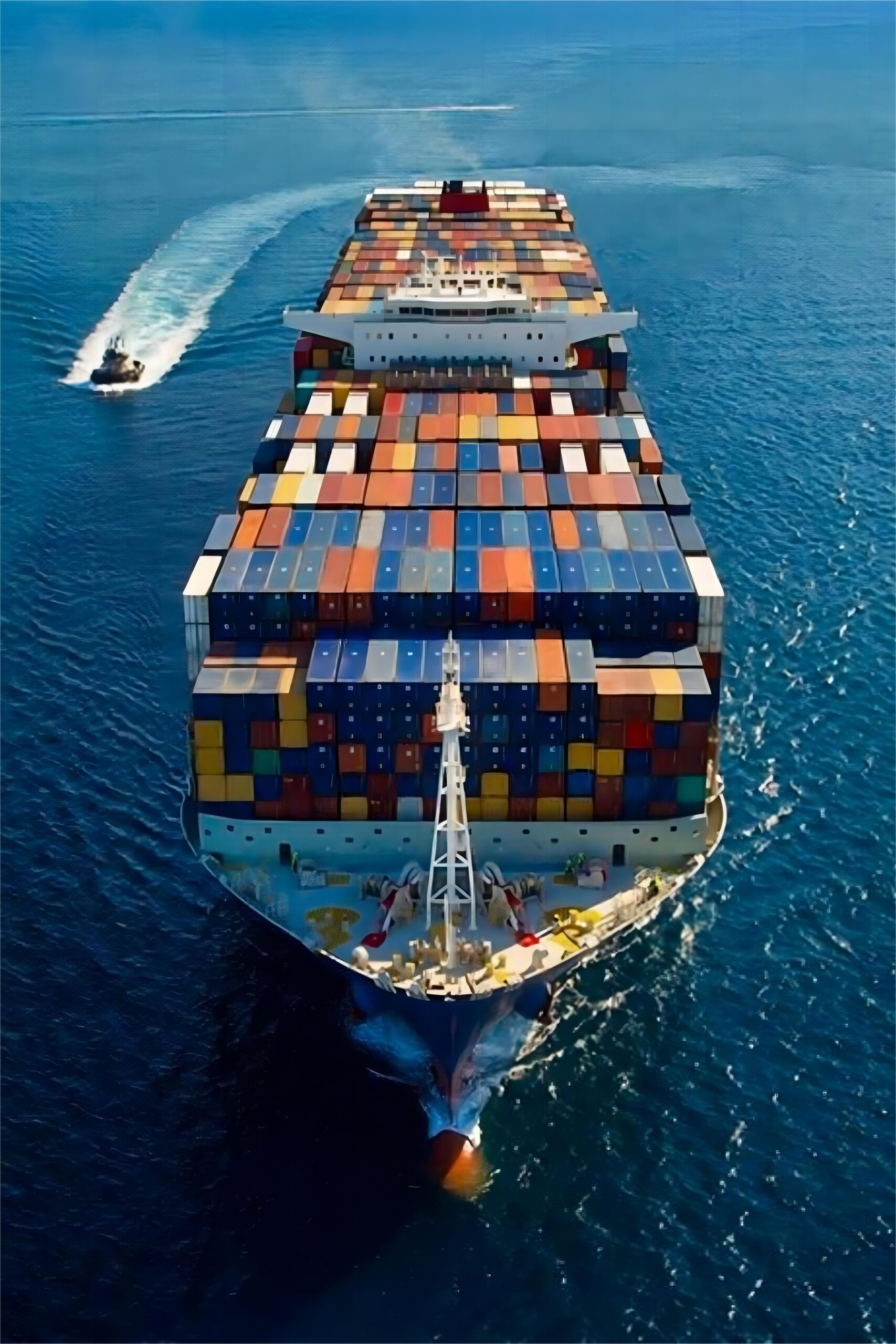
DDP Shipping from China to Denmark: The Complete 2026 Logistics Guide
Navigating the complexities of international trade requires a reliable partner and a clear strategy for success. Businesses looking to streamline their supply chain often find that Top China Freight provides the most efficient logistics solutions available today. Specifically, ddp shipping from china to denmark has emerged as the gold standard for importers who want to eliminate the headaches of customs clearance and hidden fees. By choosing Delivered Duty Paid (DDP), you ensure that your cargo arrives at its destination in Copenhagen or Aarhus without any unexpected financial burdens on the receiver.
What is DDP Shipping from China to Denmark?
Delivered Duty Paid is an incoterm where the seller assumes all responsibility for transporting goods to the buyer’s doorstep. This includes paying for export duties, shipping costs, and most importantly, the import taxes and VAT in Denmark. Consequently, the buyer does not need to worry about the complexities of Danish customs regulations or unexpected administrative fees.
Moreover, this method provides a seamless door-to-door experience that is particularly beneficial for e-commerce sellers and small businesses. Instead of managing multiple logistics providers, you deal with a single freight forwarder who coordinates the entire journey. Therefore, it simplifies the accounting process because the initial quote includes every single cost from the factory to the final warehouse.
Indeed, many companies now prefer this method to avoid the volatile nature of port fees and local handling charges. Since the freight forwarder handles the customs brokerage details, the risk of cargo being held at the border is significantly reduced. As a result, your supply chain becomes more predictable and reliable in the competitive 2026 market.
How Does DDP Compare to Other Shipping Options?
While DDP is highly convenient, it is essential to compare it against other standard incoterms like FOB or CIF to understand the trade-offs. For instance, under FOB terms, you gain more control over the ocean freight but must manage the Danish import process yourself. On the other hand, DDP offers a hands-off approach that saves time and reduces the need for internal logistics expertise.
Additionally, the cost structure of DDP is often more transparent for the end user. While the per-unit shipping cost might appear higher, it includes the 25 percent Danish VAT and applicable customs duties. Consequently, there are no surprise invoices when the truck arrives at your facility in Odense or Aalborg.
Specifically, for businesses using sea freight, DDP can be significantly more economical than managing individual segments of the journey. By bundling the ocean leg with local trucking and tax payment, forwarders can often negotiate better total rates. Nevertheless, air freight remains the better choice for high-value electronics that require rapid turnover.
| DDP Sea Freight | $3,200 – $4,500 | 35-45 Days | Bulk goods/FCL | Slow transit |
| DDP Air Freight | $6.50 – $9.00/kg | 5-9 Days | High-value items | Weight limits |
| DDP Rail Freight | $2,500 – $3,800 | 22-28 Days | Mid-size cargo | Route availability |
| Express DDP | $9.00 – $14.00/kg | 3-5 Days | Samples/Urgent | Highest cost |
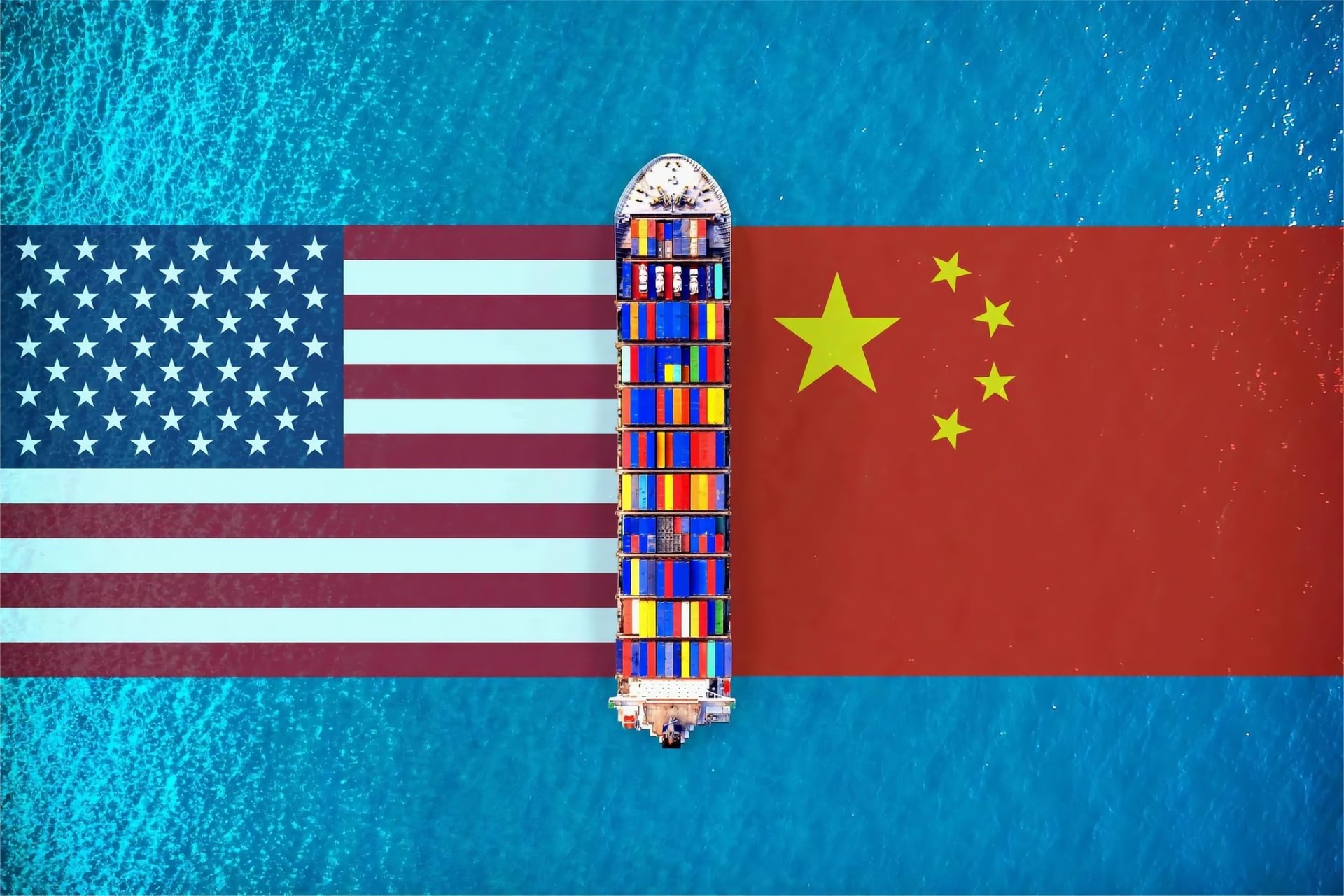
Why Choose DDP for Your Denmark Imports?
Denmark has some of the most stringent customs regulations and highest VAT rates in the European Union. Therefore, managing these payments without a local presence or a specialized broker can lead to significant delays and penalties. Choosing DDP allows the freight forwarder to use their established tax IDs to clear the goods efficiently.
Furthermore, the predictability of ddp shipping from china to denmark helps businesses maintain their profit margins. Since you know the total landed cost upfront, you can price your products accurately for the Danish market. Without a doubt, this eliminates the risk of fluctuating exchange rates or sudden changes in port storage fees.
In addition, the door to door nature of DDP means the cargo never leaves the hands of the logistics network. This reduces the likelihood of damage or loss during transshipment at major European hubs like Hamburg or Rotterdam. Consequently, your inventory arrives in pristine condition ready for immediate sale.
Transit Times and Route Options in 2026
As of early 2026, shipping routes from China to Europe have stabilized, though transit times still vary based on the chosen mode of transport. Sea freight typically takes the longest, with vessels departing from major ports like Shanghai or Ningbo and sailing via the Suez Canal. Usually, you should allow for 35 to 45 days for a full door-to-door cycle.
Alternatively, rail freight offers a compelling middle ground for Danish importers. The Iron Silk Road connects Chinese industrial hubs directly to European rail terminals, with final delivery to Denmark via truck. This method typically cuts the transit time to approximately 25 days while remaining much cheaper than air transport.
For urgent shipments, air freight remains the fastest solution available. Most DDP air services can deliver from Shenzhen to Copenhagen within a single week, including customs clearance. However, you must weigh the speed benefits against the significantly higher carbon footprint and freight charges.
| Copenhagen | 38 Days | 24 Days | 6 Days |
| Aarhus | 40 Days | 26 Days | 7 Days |
| Odense | 42 Days | 27 Days | 7 Days |
| Aalborg | 44 Days | 28 Days | 8 Days |
Cost Factors and Pricing Strategies
Several variables influence the final price of DDP shipping from China to Denmark, including fuel surcharges and seasonal demand. During the peak season from August to October, rates often increase by 20 percent due to the high volume of holiday inventory. Therefore, booking your shipments at least three to four weeks in advance is highly recommended to secure better rates.
Moreover, the type of cargo you are shipping significantly impacts the customs duty portion of the DDP price. While most electronics have low duty rates, textiles and certain industrial components may face higher tariffs. Consequently, providing an accurate HS Code to your forwarder is vital for receiving a precise and binding quote.
Note: Freight rates are subject to change based on fuel costs, carrier capacity, and seasonal demand. Market data suggests that 2026 rates have remained steady compared to the volatility of previous years. Contact us for a current quote tailored to your specific shipment requirements.
Case Study 1: Electronics from Shenzhen to Copenhagen
Case Study 01: High-Value Consumer Electronics. Route: Shenzhen, China to Copenhagen, Denmark. Cargo: Smart home devices, 12 CBM, 2,400 kg. Method: DDP Air Freight via major carrier. Port of Loading: Shenzhen Bao’an. Port of Discharge: Copenhagen Airport. Route Type: Direct air with local truck delivery.
Cost Breakdown: Air Freight: $18,200. Origin Charges: $450. Destination Handling: $600. Customs and Duties: Included in DDP. Total Landed Cost: $19,250. Timeline: Booking to Loading: 2 days. Air Transit: 2 days. Customs Clearance: 1 day. Total Door-to-Door: 6 days.
Key Insight: The client needed rapid inventory turnover to meet a product launch deadline. By using DDP air freight, they avoided the 3-day delay typically associated with manual VAT payment at the Danish border. Based on Q1 2026 market rates, this was the most efficient path for high-margin electronics.
Case Study 2: Apparel from Ningbo to Aarhus
Case Study 02: Seasonal Fashion Apparel. Route: Ningbo, China to Aarhus, Denmark. Cargo: Cotton garments, 28 CBM. Container: 1x20GP FCL. Method: DDP Sea Freight. Carrier: Maersk. Port of Loading: Ningbo-Zhoushan. Port of Discharge: Aarhus Port. Route Type: Transshipment via Bremerhaven.
Cost Breakdown: Ocean Freight: $2,450. Origin Charges: $320. Destination Charges: $550. Customs and Duties: Included in DDP. Total Landed Cost: $3,320. Timeline: Booking to Loading: 5 days. Sea Transit: 34 days. Customs Clearance: 2 days. Total Door-to-Door: 45 days.
Key Insight: The importer achieved a very low per-unit shipping cost by utilizing sea freight. Despite the longer transit time, the predictable nature of the DDP arrival allowed them to sync the delivery perfectly with their seasonal marketing campaign. Typical rates as of early 2026 indicate sea freight remains the best for bulk apparel.
Which Option Should You Choose?
Deciding on the best shipping method depends largely on your budget priority and the nature of your goods. If your primary goal is cost reduction and you have flexible timelines, DDP sea freight is undoubtedly the most logical choice. This is especially true for large volumes where the savings on freight rates can be substantial.
Conversely, if you are shipping perishable goods or high-demand items, speed priority takes precedence. In these cases, air freight or express service becomes necessary despite the higher investment. For many e-commerce sellers, using Amazon FBA shipping via DDP ensures that stock levels remain consistent without manual intervention.
Finally, consider the volume thresholds of your shipment. For cargo between 1 and 10 CBM, LCL (Less than Container Load) sea freight often provides the best balance of cost and convenience. However, once you exceed 15 CBM, upgrading to a full 20GP container usually results in a lower cost per cubic meter and faster handling.
Final Thoughts on Denmark Logistics
Successfully managing ddp shipping from china to denmark requires a combination of early planning and choosing the right logistics partner. By utilizing the DDP incoterm, you effectively outsource the most difficult parts of international trade, from tax compliance to final mile delivery.
Whether you choose the speed of air or the economy of sea freight, the transparency of DDP ensures your business remains profitable and your customers stay satisfied. As we move through 2026, staying informed about market trends and transit options will help you maintain a competitive edge in the Danish market.
Ready to streamline your logistics?
Streamline your international logistics today with the experts at Top China Freight. Our team specializes in ddp shipping from china to denmark, ensuring your cargo arrives safely, on time, and without hidden costs. Contact us now for a personalized quote and experience the peace of mind that comes with professional freight forwarding.
Request Quote