

Customs Clearance China to Norway: 2026 Shipping Guide
Managing international trade requires a precise understanding of regulatory frameworks to ensure smooth operations. When handling customs clearance China to Norway, importers must navigate specific documentation and tax requirements to avoid costly logistics delays. This comprehensive guide provides the essential insights needed to streamline your supply chain and optimize your shipping costs in the current 2026 market.
✦
Navigating Customs Clearance China to Norway in 2026
Importing goods into Norway from Chinese manufacturing hubs involves several critical steps that demand careful attention. Consequently, businesses must stay updated on the latest Norwegian Customs (Tolletaten) regulations to maintain compliance. The year 2026 has seen a stabilization in freight rates, yet the complexity of electronic filing remains a primary concern for many traders.
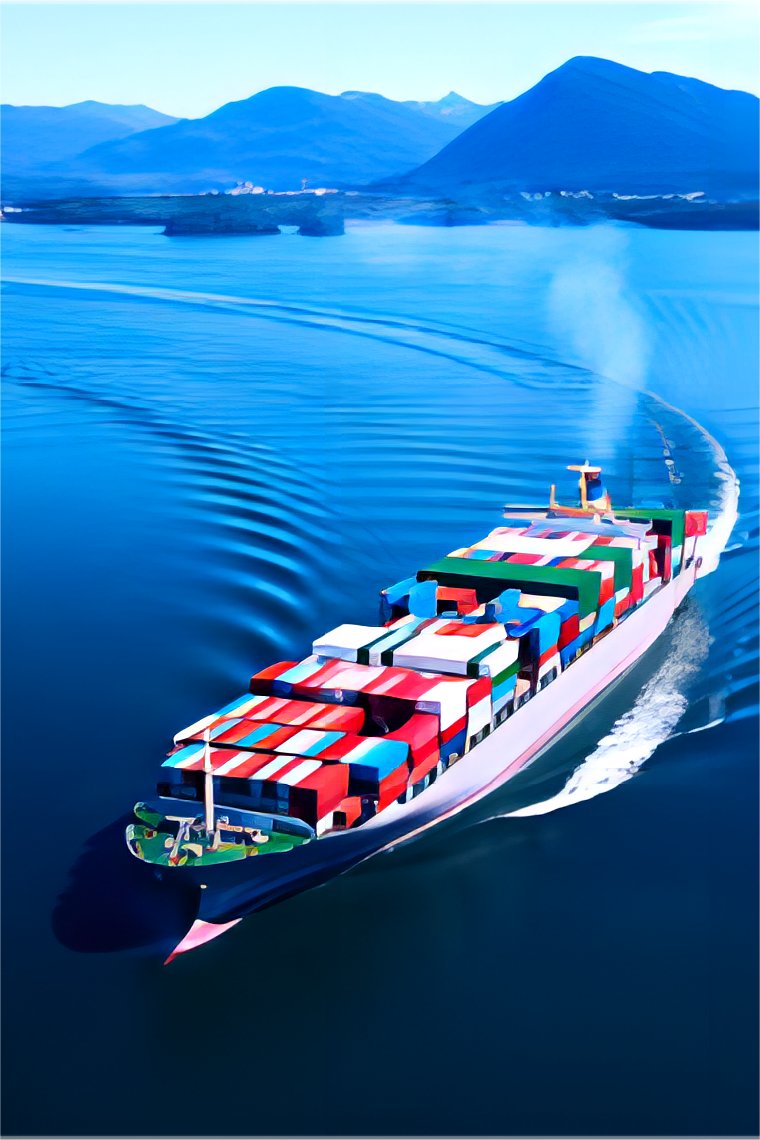
Moreover, choosing the right transportation method significantly impacts your overall clearance experience. For large volume shipments, sea freight remains the most economical choice for most enterprises. On the other hand, urgent cargo typically requires the speed of air freight to meet tight delivery schedules.
Therefore, understanding the interplay between shipping modes and customs procedures is vital. Each method carries unique reporting requirements that can influence how quickly your goods pass through the border. Indeed, a proactive approach to documentation can prevent the majority of common transit interruptions.
How Does Sea Freight Compare to Other Shipping Options?
Selecting the most appropriate shipping method involves balancing cost, speed, and the nature of your cargo. While ocean transport is the traditional backbone of global trade, alternative strategies like rail or express services offer different advantages. For instance, rail freight provides a middle ground for those seeking faster transit than sea but lower costs than air.
Additionally, businesses must consider the landed cost, which includes freight, insurance, and duties. While a 40HQ container via sea might cost $3,200 to $4,500 in early 2026, air freight for the same volume would be prohibitively expensive. Consequently, sea freight is usually the preferred option for heavy industrial goods and consumer electronics in bulk.
Nevertheless, small parcels or high-value components often justify the expense of faster modes. To help you decide, we have compiled a comparison of the primary shipping methods currently available for the China to Norway route.
| Shipping Method | Cost Range | Transit Time | Best For |
|---|---|---|---|
| Sea Freight (FCL) | $2,200 – $4,200 | 30 – 40 Days | Bulk goods and large volumes |
| Sea Freight (LCL) | $80 – $150/CBM | 35 – 45 Days | Small shipments under 15 CBM |
| Air Freight | $4.50 – $8.00/kg | 5 – 8 Days | High-value or urgent cargo |
| Express Service | $7.00 – $12.00/kg | 3 – 5 Days | Samples and small documents |
Essential Documentation for Customs Clearance China to Norway
Accurate paperwork is the foundation of any successful import operation from China to Europe. Without the correct forms, your shipment may face indefinite storage at the port of discharge, leading to high demurrage fees. Specifically, the Commercial Invoice and Packing List must match the physical cargo exactly to satisfy Norwegian inspectors.
Furthermore, the Bill of Lading serves as the title to the goods and is required for the release of the shipment. In addition to these standard documents, certain products may require specialized certificates, such as CE marking for electronics or phytosanitary certificates for organic materials. Consequently, verifying these requirements before the ship leaves China is a critical task for every importer.
Meanwhile, the movement of goods is tracked through the Norwegian TVINN system, which handles electronic customs declarations. Most professional forwarders will manage this digital filing on your behalf to ensure accuracy. Accordingly, providing clear and legible digital copies of all documents to your agent is highly recommended.
| Document Name | Purpose | Required By | Notes |
|---|---|---|---|
| Commercial Invoice | Valuation of goods | Norwegian Customs | Must show currency and terms |
| Packing List | Detailing contents | Port Authorities | Includes weight and dimensions |
| Bill of Lading | Contract of carriage | Shipping Line | Essential for cargo release |
| Certificate of Origin | Proving source | Trade Authorities | May reduce certain tariffs |
Understanding Norwegian Import Duties and VAT
Norway maintains a unique position outside the European Union while remaining part of the European Economic Area. As a result, specific VAT and duty rules apply that differ slightly from neighboring countries. For example, most imported goods are subject to a standard VAT rate of 25 percent, calculated on the total landed cost.
Moreover, the Value Added Tax on e-commerce (VOEC) scheme applies to many business-to-consumer shipments under 3,000 NOK. This system allows foreign sellers to collect VAT at the point of sale, simplifying the border crossing process. However, for larger commercial shipments, the importer of record is typically responsible for paying VAT upon arrival.
Notably, customs duties vary significantly depending on the HS Code of the product. While many industrial goods carry zero duty, textiles and certain food products may face higher rates. Therefore, performing a thorough HS Code classification is an essential step in your financial planning for 2026.
The Importance of Professional Customs Brokerage
Navigating the intricacies of international law can be overwhelming for most business owners. Consequently, many choose to employ a professional customs brokerage service to handle the technical details. These experts possess the local knowledge required to navigate the TVINN system and resolve disputes with authorities.
In addition, a broker can help you identify opportunities for duty relief or tax deferment. For instance, if you are importing goods for temporary use, they can assist with the correct temporary admission filings. Furthermore, their experience reduces the risk of errors that lead to audits or penalties.
Indeed, the cost of hiring a broker is often offset by the savings gained from avoiding delays. By ensuring that all declarations are filed correctly the first time, you maintain a clean record with Norwegian Customs. Accordingly, this professional support is particularly valuable for first-time importers or those handling complex product lines.
Transit Times and Delivery Schedules for 2026
Reliable delivery schedules are the lifeblood of a healthy supply chain. When planning your inventory, you must account for both the ocean transit time and the time required for land transport. Typically, a door to door service from China to Norway takes between 35 and 50 days depending on the specific ports involved.
Meanwhile, air freight offers a much faster alternative, with most shipments arriving within a week. However, air transport is subject to capacity fluctuations and seasonal demand spikes, especially during the Q4 peak season. Consequently, booking your space at least two weeks in advance is advisable for air cargo.
As of early 2026, port congestion has largely eased, but localized delays can still occur. Therefore, it is important to include a buffer in your delivery estimates to account for potential weather disruptions or customs inspections. Without a doubt, clear communication with your logistics provider is the best way to stay informed about your shipment’s status.
| Origin Port | Destination | Method | Transit Time |
|---|---|---|---|
| Shanghai | Oslo | Sea (Direct) | 32 – 36 Days |
| Shenzhen | Bergen | Sea (Transship) | 38 – 42 Days |
| Ningbo | Stavanger | Sea (Direct) | 34 – 38 Days |
| Guangzhou | Oslo | Air Freight | 5 – 7 Days |
Which Option Should You Choose for Your Cargo?
Determining the best shipping strategy depends on your specific business priorities. If your primary goal is to minimize costs, sea freight is almost always the superior choice for large shipments. Conversely, if you are launching a new product and need to hit a specific market window, the speed of air freight justifies the higher price tag.
Furthermore, cargo type plays a significant role in the decision-making process. For example, hazardous materials or oversized machinery may have limited options due to carrier restrictions. In contrast, standard palletized goods can be moved easily across all transport modes.
Additionally, consider the volume of your shipment. For loads smaller than 15 cubic meters, Less than Container Load (LCL) shipping allows you to share space and costs with other importers. However, once you exceed that volume, a Full Container Load (FCL) becomes more cost-effective and offers better security for your goods.
Real-World Case Studies: China to Norway Logistics
Case Study 1: Consumer Electronics from Shenzhen to Oslo. Route: Shenzhen, China to Oslo, Norway. Cargo: 500 units of smart home devices, 6 CBM, 1,400 kg. Container: LCL 6 CBM. Shipping Details: Major carrier via transshipment in Hamburg. Sea Transit: 36 days. Customs Clearance: 2 days. Total Door-to-Door: 44 days. Cost Breakdown: Ocean Freight $850, Origin Charges $220, Destination Charges $310, Customs estimated at $150. Total Landed Cost: $1,530. Key Insight: Consolidating small electronics into an LCL shipment saved the client 60 percent compared to air freight while meeting the seasonal inventory deadline.
Case Study 2: Industrial Machinery from Shanghai to Bergen. Route: Shanghai, China to Bergen, Norway. Cargo: CNC Milling Machine, 28 CBM, 12,000 kg. Container: 40GP. Shipping Details: Direct service via COSCO. Sea Transit: 34 days. Customs Clearance: 3 days. Total Door-to-Door: 41 days. Cost Breakdown: Ocean Freight $3,800, Origin Charges $450, Destination Charges $600, Customs & Duties $1,200. Total Landed Cost: $6,050. Key Insight: Using a 40GP container provided the necessary space and protection for sensitive industrial equipment at a fixed rate, ensuring no hidden volume charges occurred.
Based on Q1 2026 market rates, these cases reflect typical scenarios for Norwegian importers. Note: Freight rates are subject to change based on fuel costs, carrier capacity, and seasonal demand. Contact us for a current quote tailored to your specific shipment.
Cost-Saving Strategies for 2026 Logistics
Reducing your logistics expenses requires a combination of smart planning and negotiation. For instance, shipping during the off-peak months of March through June can result in 15 to 20 percent lower rates compared to the autumn rush. Additionally, optimizing your packaging to reduce unused space can lower your CBM measurements for LCL shipments.
Furthermore, consider consolidating multiple small orders into a single larger shipment. This approach reduces the per-unit cost of customs documentation and port handling fees. Moreover, establishing a long-term relationship with a reliable freight forwarder can grant you access to better contract rates and priority space during busy periods.
Indeed, a careful review of your HS codes can sometimes reveal more favorable duty categories. While you must remain honest and accurate, ensuring your goods are not misclassified into a higher-duty bracket is a legitimate way to save money. Accordingly, regular audits of your shipping processes are a hallmark of a successful import business.
Final Thoughts on Importing to Norway
Successfully managing customs clearance China to Norway is a multifaceted task that rewards those who prepare diligently. By understanding the documentation requirements, tax structures, and shipping alternatives, you can build a more resilient and cost-effective supply chain in 2026.
Whether you choose the economy of sea freight or the speed of air transport, the key lies in accurate data and professional support. As the global logistics landscape continues to evolve, staying informed and adaptable will remain your greatest competitive advantage in the Norwegian market.