


Shipping from China to Denmark: 2026 Rates and Logistics Guide
Navigating the complexities of shipping from china to denmark requires a strategic approach to ensure your supply chain remains efficient and cost-effective in 2026. At Top China Freight, we specialize in bridging the gap between Chinese manufacturing hubs and the Danish market with tailored logistics solutions. Consequently, this guide provides the most current data on transit times, freight rates, and regulatory requirements to help you make informed shipping decisions.
What Are the Primary Shipping Methods to Denmark?
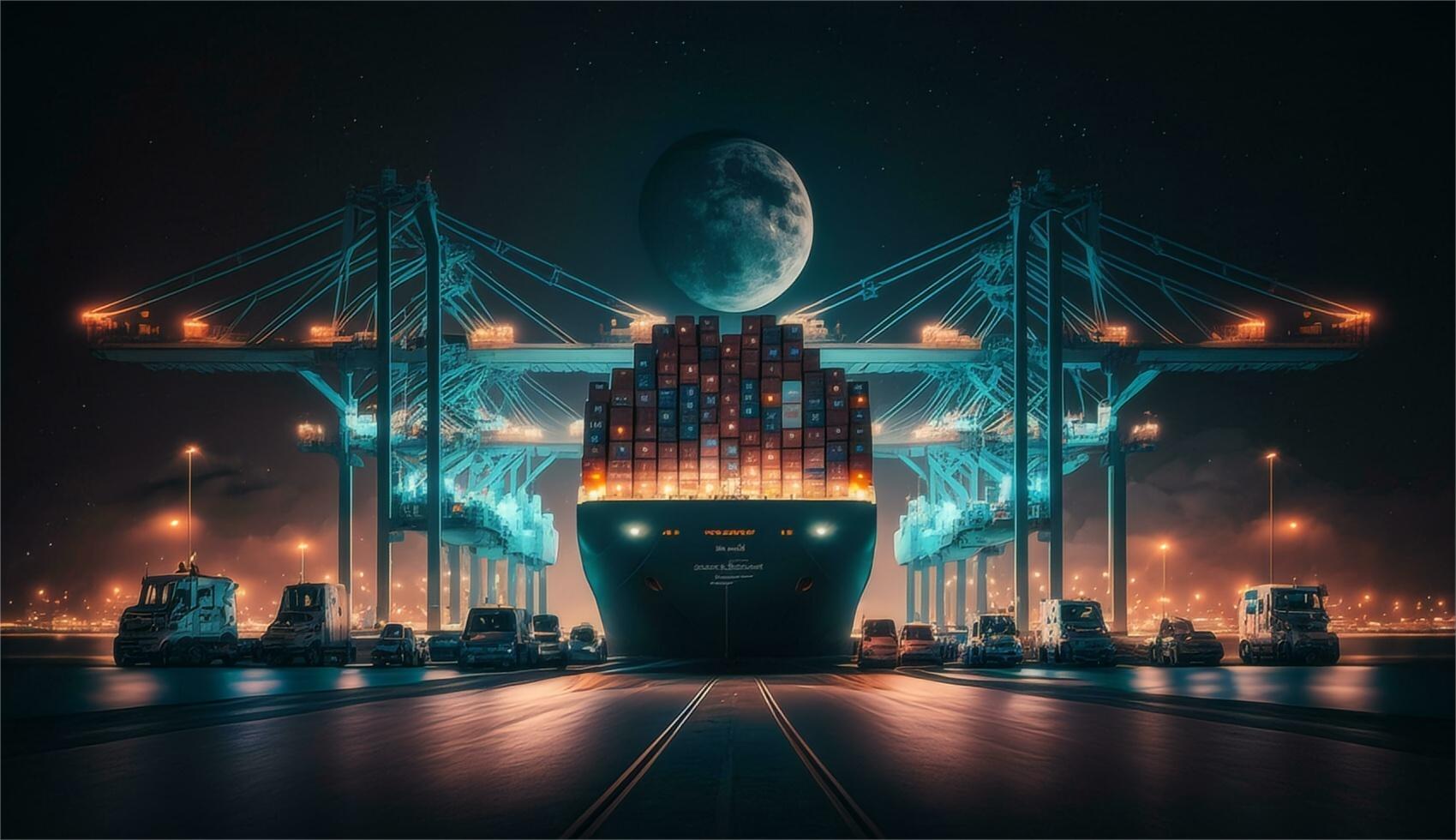
Choosing the right transport mode is the most significant factor affecting your total landed cost and delivery schedule. Most businesses importing from China to Denmark rely on three main methods: sea freight, air freight, and rail freight. Each option offers a different balance of speed and expenditure.
Furthermore, the choice often depends on the nature of your cargo and your specific inventory requirements. For example, high-value electronics typically favor the speed of air transport, while bulky furniture is better suited for ocean containers. Understanding these trade-offs is essential for maintaining a competitive edge in the Danish market.
Moreover, the logistics landscape in 2026 has seen a stabilization of routes through the Suez Canal, making sea transit more predictable than in previous years. Nevertheless, businesses must remain agile and consider hybrid solutions when traditional routes face congestion or seasonal spikes.
| Shipping Method | Cost Range | Transit Time | Best For |
|---|---|---|---|
| Sea Freight (FCL) | $3,000 – $4,500 | 30 – 40 Days | Large volumes and bulky goods |
| Air Freight | $5.50 – $9.00/kg | 3 – 7 Days | Urgent and high-value cargo |
| Rail Freight | $150 – $250/CBM | 18 – 24 Days | Medium-sized shipments |
| Express Service | $8.00 – $12.00/kg | 2 – 5 Days | Samples and small parcels |
How Does Sea Freight Compare to Other Shipping Options?
Sea freight remains the backbone of international trade for companies shipping from china to denmark due to its unmatched capacity for large-scale shipments. While air freight costs significantly more, ocean transport allows for the movement of massive quantities at a fraction of the price. For instance, shipping a 40HQ container might cost $4,000, whereas the same volume via air would be prohibitively expensive.
Consequently, businesses must weigh the long transit times against the financial savings. If your production schedule allows for a 35-day lead time, sea freight is almost always the most economical choice. Additionally, ocean transport has a lower carbon footprint per ton-kilometer compared to air transport, which aligns with Danish sustainability goals.
However, sea freight is subject to port congestion and weather-related delays. To mitigate these risks, many importers use a mix of Full Container Load (FCL) and Less than Container Load (LCL) strategies. This flexibility ensures that smaller batches can be shipped more frequently without waiting for a full container to be filled.
| Shipping Method | Cost Range (Approx) | Transit Time | Limitations |
|---|---|---|---|
| Sea Freight | $3,000 – $4,200 per 40HQ | 30-40 Days | Longest transit time |
| Air Freight | $15,000 – $25,000 (Same Vol) | 5-7 Days | Very high cost |
| Rail Freight | $4,500 – $6,000 per FEU | 18-25 Days | Limited to rail hubs |

Air Freight for Urgent Shipments to Denmark
When time is the most critical factor, air freight provides the fastest connection between Chinese industrial centers and Copenhagen Airport. This method is particularly beneficial for seasonal items, medical supplies, or high-tech components that need to reach the market quickly. Indeed, the speed of air transport can significantly reduce the need for high local inventory levels.
Furthermore, air transport offers enhanced security and a lower risk of damage during transit. Because the cargo handling is more controlled, fragile items often arrive in better condition than they would after a month at sea. Therefore, the higher cost is often justified by the reduced risk and increased turnover speed.
Specifically, most air shipments from China to Denmark arrive within 3 to 7 business days. This timeline includes the time needed for customs clearance and local delivery within Denmark. Consequently, it remains the preferred choice for businesses operating on tight deadlines or managing perishable goods.
Rail Freight: The Sustainable Middle Ground
Rail freight has emerged as a powerful alternative for shipping from china to denmark, offering a balance between the speed of air and the economy of sea. The China-Europe Railway Express connects major Chinese cities like Chengdu and Xi’an directly to European hubs. From these hubs, cargo is easily trucked to Denmark via Germany.
Additionally, rail freight typically takes about 18 to 25 days, which is nearly twice as fast as sea transport. For mid-value goods that are too heavy for air but too urgent for sea, rail provides an ideal solution. Moreover, rail transport is generally more stable in terms of pricing compared to the volatile ocean freight market.
Consequently, many Danish importers are incorporating rail into their supply chain to diversify their logistics. This strategy reduces reliance on a single transport mode and provides a buffer against maritime disruptions. Indeed, the development of the Silk Road rail routes has revolutionized trans-continental logistics in 2026.
Navigating Customs Clearance and Import Duties
Importing goods into Denmark requires a thorough understanding of EU customs regulations and Danish tax laws. Every shipment must be accompanied by accurate documentation, including a commercial invoice, packing list, and bill of lading. Furthermore, an Economic Operators Registration and Identification (EORI) number is mandatory for all businesses importing into the EU.
Consequently, working with a professional customs brokerage service can prevent costly delays and penalties. Danish customs are known for their efficiency but maintain strict compliance standards. Therefore, ensuring your HS codes are correctly classified is vital for determining the correct duty rates and VAT obligations.
Moreover, the Danish VAT rate is currently 25%, which is applied to the total landed value of the goods. This value includes the cost of the products, shipping, and insurance. By preparing your documentation in advance, you can ensure a smooth transition through the Port of Aarhus or Copenhagen Airport.
Door to Door Shipping Solutions for Convenience
For many small to medium-sized enterprises, door to door shipping is the most convenient way to handle imports. This service covers every step of the journey, from the supplier’s warehouse in China to your final destination in Denmark. Consequently, it eliminates the need for you to coordinate with multiple carriers and customs agents.
Furthermore, door-to-door services often include DDP (Delivered Duty Paid) options, where the forwarder handles all taxes and duties on your behalf. This provides a transparent, all-in price that makes budgeting much simpler. Indeed, many businesses prefer this ‘hands-off’ approach to focus on their core sales and marketing activities.
Specifically, these services are highly scalable and can accommodate anything from a single pallet to multiple containers. By centralizing the logistics process, you can gain better visibility into your shipment’s progress. As a result, door-to-door shipping has become a standard for modern e-commerce and retail businesses.
Real Case Studies: Shipping Success Stories
Examining real-world examples can provide valuable insights into the practicalities of shipping from china to denmark. These cases highlight how different methods are applied to specific business needs in the 2026 market. Consequently, they serve as a benchmark for your own logistics planning and budgeting.
Case Study 1: Electronics from Shenzhen to Copenhagen Route: Shenzhen, China to Copenhagen, Denmark Cargo: High-end audio equipment, 3 CBM, 650 kg Method: Air Freight (Direct) Shipping Details: – Carrier: Major air carrier – Port of Loading: Shenzhen (SZX) – Port of Discharge: Copenhagen (CPH) Cost Breakdown: – Air Freight: $4,200 – Origin Charges: $250 – Destination Charges: $180 – Total Landed Cost: $4,630 Timeline: – Booking to Loading: 2 days – Air Transit: 2 days – Customs Clearance: 1 day – Total Door-to-Door: 5 days Key Insight: Prioritizing speed allowed the client to meet a high-profile retail launch deadline.
Case Study 2: Home Furniture from Ningbo to Aarhus Route: Ningbo, China to Aarhus, Denmark Cargo: Flat-pack furniture, 68 CBM (1x40HQ Container) Method: Sea Freight (FCL) Shipping Details: – Carrier: Maersk – Port of Loading: Ningbo – Port of Discharge: Aarhus Cost Breakdown: – Ocean Freight: $3,850 – Origin Charges: $320 – Destination Charges: $450 – Total Landed Cost: $4,620 Timeline: – Booking to Loading: 5 days – Sea Transit: 34 days – Customs Clearance: 2 days – Total Door-to-Door: 41 days Key Insight: FCL provided the lowest cost per unit for this high-volume, low-margin product.
Case Study 3: Industrial Parts from Xi’an to Odense Route: Xi’an, China to Odense, Denmark Cargo: Precision machinery parts, 8 CBM, 2,100 kg Method: Rail Freight (LCL) Shipping Details: – Route Type: Xi’an to Hamburg (Rail), then Truck to Odense Cost Breakdown: – Rail Freight: $1,450 – Origin/Trucking: $400 – Customs: $200 – Total Landed Cost: $2,050 Timeline: – Transit: 22 days – Total Door-to-Door: 28 days Key Insight: Rail offered a 40% time saving over sea freight at a manageable price point.
Alternative Strategies and Cost-Saving Tips
To optimize your shipping from china to denmark, you should consider alternative strategies that go beyond standard freight options. For example, sea-air hybrid solutions can provide a middle ground between cost and speed. In this scenario, cargo is shipped by sea to a hub like Dubai and then flown to Denmark, saving both time and money.
Additionally, consolidating shipments from multiple suppliers into a single container can significantly reduce your LCL costs. This strategy, known as buyer’s consolidation, allows you to benefit from FCL rates even if you are purchasing smaller quantities. Consequently, it is an excellent way for growing businesses to scale their operations efficiently.
Moreover, booking your shipments at least 2-3 weeks in advance can help you secure better rates and guaranteed space. During peak seasons, such as the lead-up to Christmas or Golden Week, prices can spike by 20% or more. Therefore, proactive planning is the most effective way to manage your logistics budget.
Which Option Should You Choose?
Deciding on the best shipping method depends on your specific priorities regarding budget, speed, and cargo type. If your primary goal is to minimize costs and you have a flexible timeline, sea freight is the clear winner. This is particularly true for shipments exceeding 15 CBM where FCL becomes highly economical.
On the other hand, if you are shipping high-value items or need to replenish stock quickly, air freight is the most reliable choice. For those seeking a balance, rail freight offers a compelling alternative that is faster than sea but much cheaper than air. Ultimately, your decision should align with your business’s cash flow and customer delivery expectations.
Specifically, consider the nature of your goods. Fragile or perishable items are better suited for shorter transit times to minimize the risk of damage. Conversely, durable goods with low depreciation rates are perfect candidates for the longer journey by sea. By matching the method to the cargo, you ensure maximum efficiency.
Mastering Your Danish Supply Chain
Successfully managing shipping from china to denmark requires a deep understanding of the available transport modes and the regulatory environment. By leveraging sea, air, and rail freight effectively, you can balance cost and speed to meet your business goals. Furthermore, staying informed about market trends and 2026 freight rates allows you to adapt quickly to changing conditions.
Indeed, the right logistics partner can make all the difference in ensuring your goods arrive safely and on time. Whether you choose the economy of sea freight or the speed of air transport, clear communication and accurate documentation remain the keys to success. Consequently, your investment in professional logistics will pay dividends in customer satisfaction and operational efficiency.
Ready to streamline your logistics?
Ready to streamline your shipping from china to denmark? Contact our expert team today for a personalized quote and professional guidance on the best logistics strategy for your business. Visit Top China Freight to get started on optimizing your supply chain for 2026.
Request Quote