

Sea Freight China to Mexico: 2026 Shipping Guide and Rates
Navigating the complexities of international trade requires a robust logistics strategy that balances cost and efficiency. As trade volumes between Asia and Latin America reach new heights in 2026, Top China Freight provides the expertise needed to manage your global supply chain effectively. This comprehensive guide explores the nuances of sea freight China to Mexico to help you reduce expenses and improve delivery reliability for your business.

How Does Sea Freight China to Mexico Work in 2026?
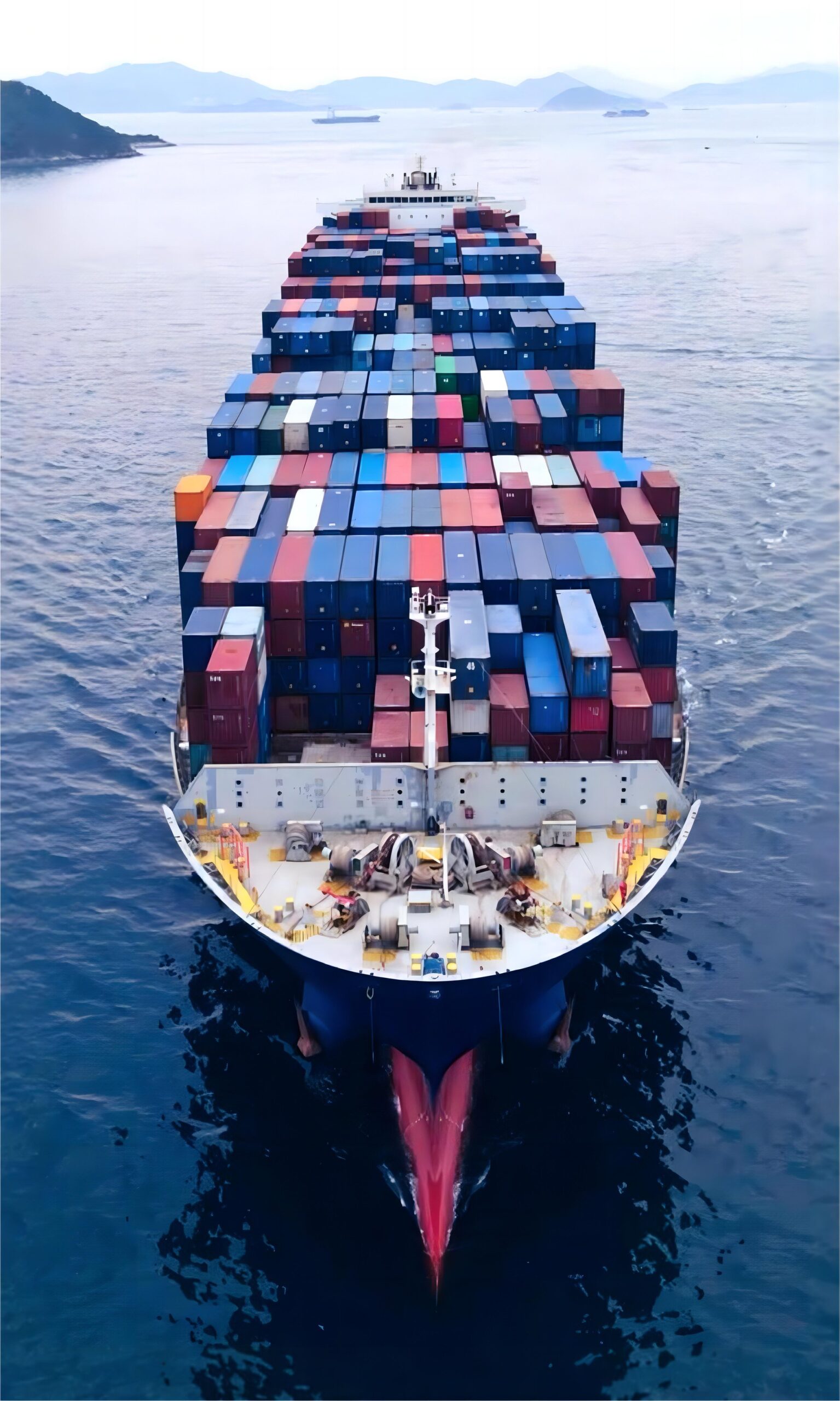
Sea freight remains the backbone of global trade due to its massive capacity for high-volume shipments. In 2026, the maritime route from China to the Pacific coast of Mexico has become more efficient through technological integration. Consequently, businesses are leveraging advanced tracking and digitized documentation to streamline their operations.
Choosing this method allows for the transportation of diverse goods ranging from electronics to heavy machinery. Therefore, understanding the logistics landscape is essential for any importer looking to stay competitive in the Mexican market. Moreover, the environmental impact of ocean transport is significantly lower compared to air alternatives.
Shipping companies have optimized their schedules to account for the increased demand in North American markets. Additionally, port infrastructure in both China and Mexico has undergone significant upgrades to handle larger vessels. This evolution ensures that your cargo moves through the supply chain with minimal delays.
What are the Differences Between FCL and LCL Shipping?
Deciding between Full Container Load (FCL) and Less than Container Load (LCL) is a critical step in your logistics planning. FCL involves renting an entire container for your goods, which offers better security and faster handling. For shipments exceeding 15 cubic meters, sea freight via FCL is typically the most economical choice.
LCL shipping allows multiple shippers to share space within a single container, making it ideal for smaller volumes. However, this method requires extra time for consolidation at the origin and deconsolidation at the destination. Consequently, transit times for LCL are often slightly longer than FCL shipments.
Moreover, FCL reduces the risk of damage because the container remains sealed from the point of origin to the final destination. In contrast, LCL cargo is handled more frequently during the loading and unloading processes. Therefore, you should weigh the cost savings of LCL against the speed and safety benefits of FCL.
| Feature | FCL (Full Container) | LCL (Shared Container) | Best For |
|---|---|---|---|
| Volume | Over 15 CBM | 1 to 15 CBM | FCL for large loads |
| Cost | Fixed per container | Per cubic meter | LCL for small loads |
| Speed | Faster (Direct) | Slower (Consolidated) | FCL for urgency |
| Security | High (Sealed) | Moderate (Handled) | FCL for fragile items |
Understanding Sea Freight Costs from China to Mexico
Freight rates in 2026 are influenced by several factors including fuel surcharges, seasonal demand, and port congestion. Generally, shipping a 40HQ container from Shanghai to Manzanillo costs between 3,200 and 4,500 dollars. Meanwhile, LCL rates typically range from 60 to 95 dollars per cubic meter depending on the specific service level.
Market data suggests that prices often peak during the months leading up to the holiday season. Furthermore, unexpected disruptions in global shipping lanes can lead to temporary price hikes. Consequently, securing a fixed contract with a reliable freight forwarder can provide much-needed budget stability.
Additional costs such as terminal handling charges, documentation fees, and insurance must also be factored into your landed cost. Indeed, neglecting these smaller expenses can lead to significant budget overruns. Therefore, always request a comprehensive quote that includes all potential surcharges at both the origin and destination.
| Container Type | Average Cost (USD) | Transit Time | Route Type |
|---|---|---|---|
| 20GP Container | 2,100 – 2,800 | 18 – 25 Days | Direct |
| 40GP Container | 3,100 – 4,000 | 18 – 25 Days | Direct |
| 40HQ Container | 3,300 – 4,600 | 18 – 25 Days | Direct |
| LCL (per CBM) | 65 – 90 | 25 – 35 Days | Consolidated |
How Does Sea Freight Compare to Other Shipping Options?
While sea freight is the most cost-effective method for bulk cargo, other alternatives exist for different business needs. For instance, air freight is significantly faster but comes with a much higher price tag. In 2026, air shipping costs roughly five to eight times more than ocean transport for the same weight.
Express services provide the fastest door-to-door delivery, which is perfect for urgent documents or high-value samples. However, the cost per kilogram for express shipping makes it impractical for large commercial inventories. Consequently, most businesses utilize a hybrid strategy, using sea for stock and air for urgent replenishments.
Rail freight is not a viable direct option for the China-Mexico route due to the Pacific Ocean barrier. Nevertheless, some multi-modal solutions involve shipping to US ports and trucking goods across the border. Therefore, evaluating the total transit time and cost for each method is vital for optimizing your logistics budget.
| Shipping Method | Cost Range | Transit Time | Best For |
|---|---|---|---|
| Sea Freight | Low (2k-5k per FCL) | 18-35 Days | Bulk Inventory |
| Air Freight | High (5-10 per kg) | 3-7 Days | Urgent Goods |
| Express Service | Highest (10+ per kg) | 2-5 Days | Samples/Small |
| Sea-Air Hybrid | Moderate | 12-18 Days | Balanced Needs |

Major Shipping Routes and Transit Times
The transit time for sea freight China to Mexico depends largely on the choice of departure and arrival ports. Direct sailings from major hubs like Shanghai or Ningbo to Manzanillo typically take between 18 and 22 days. In contrast, shipments destined for Gulf ports like Veracruz may take 30 to 40 days as they transit through the Panama Canal.
Port congestion can occasionally add several days to the total delivery schedule. Moreover, weather conditions during the Pacific crossing can influence the speed of the vessel. Therefore, it is wise to build a buffer of at least five days into your production and delivery timelines.
Mexican ports such as Lazaro Cardenas and Ensenada serve as vital entry points for Asian goods. Additionally, these ports offer excellent connectivity to inland industrial hubs like Mexico City and Monterrey. Consequently, selecting the port closest to your final destination can significantly reduce inland trucking costs.
Real-World Case Studies for China-Mexico Shipping
Case Study 1: Large Scale Electronics Shipment
Route: Shanghai, China to Manzanillo, Mexico. Cargo: Consumer electronics, 68 CBM, 14,000 kg. Container: 1 x 40HQ. Shipping Details: Carrier: COSCO. Port of Loading: Shanghai. Port of Discharge: Manzanillo. Route Type: Direct.
Cost Breakdown: Ocean Freight: 3,850 USD. Origin Charges: 420 USD. Destination Charges: 550 USD. Customs and Duties: 1,200 USD. Total Landed Cost: 6,020 USD. Timeline: Booking to Loading: 4 days. Sea Transit: 20 days. Customs Clearance: 3 days. Total Door-to-Door: 27 days.
Key Insight: Using a direct route to Manzanillo saved the client 6 days compared to transshipment options. Furthermore, the 2026 market rates remained stable during this Q2 shipment, allowing for accurate budget forecasting.
Case Study 2: LCL Furniture Distribution
Route: Shenzhen, China to Ensenada, Mexico. Cargo: Home furniture, 8 CBM, 2,200 kg. Container: LCL (Shared). Shipping Details: Carrier: Major consolidator. Port of Loading: Shenzhen. Port of Discharge: Ensenada. Route Type: Transshipment via Busan.
Cost Breakdown: Ocean Freight: 720 USD. Origin Charges: 180 USD. Destination Charges: 240 USD. Customs and Duties: 450 USD. Total Landed Cost: 1,590 USD. Timeline: Booking to Loading: 5 days. Sea Transit: 28 days. Customs Clearance: 4 days. Total Door-to-Door: 37 days.
Key Insight: LCL was the most cost-effective choice for this volume, despite the longer transit time. Additionally, clearing customs in Ensenada avoided the heavier congestion often found in larger ports like Manzanillo.
Customs Clearance and Documentation for Mexico
Navigating Mexican customs requires meticulous attention to detail and accurate documentation. Essential documents include the commercial invoice, packing list, bill of lading, and a certificate of origin. Furthermore, hiring a professional customs brokerage service can prevent costly delays and penalties.
Mexico has specific regulations regarding the labeling of imported goods, known as NOM standards. Consequently, failure to comply with these labeling requirements can result in goods being held at the port for weeks. Therefore, you must ensure that your supplier in China understands these requirements before the cargo departs.
Import duties and taxes vary based on the classification of the goods under the Harmonized System (HS) code. Moreover, certain products may be subject to anti-dumping duties if they originate from specific regions. Indeed, performing a thorough customs audit before shipping is the best way to avoid unexpected financial burdens.
Streamlining Your Supply Chain with Specialized Services
Many businesses are now opting for door to door solutions to simplify their logistics. This service covers everything from factory pickup in China to final delivery at your warehouse in Mexico. Consequently, it removes the burden of coordinating multiple vendors and reduces the risk of communication errors.
For e-commerce sellers, Amazon FBA services are increasingly popular for reaching the Mexican consumer base. These specialized logistics providers handle the specific labeling and palletization requirements mandated by Amazon fulfillment centers. Therefore, you can focus on marketing and sales while the logistics experts manage the heavy lifting.
Additionally, warehousing and distribution services in Mexico can help you maintain a local inventory for faster order fulfillment. This strategy is particularly effective for businesses with high turnover rates or those participating in seasonal sales events. Moreover, local storage protects your business against temporary supply chain disruptions in the Pacific.
Which Option Should You Choose? Decision Framework
Choosing the right shipping strategy depends on your budget, timeline, and cargo characteristics. If budget is your primary concern and you have a high volume of goods, sea freight FCL is the undisputed winner. However, if you are shipping small volumes under 15 CBM, LCL offers a more flexible and affordable entry point.
Speed priority dictates a move toward air freight or express services, especially for high-value electronics or fashion items. In contrast, cargo with low profit margins must almost always travel via ocean to remain viable. Therefore, you should calculate the total landed cost of each method before making a final commitment.
Consider the proximity of your final destination to Mexican ports when planning your route. For example, shipping to Ensenada is often better for Northern Mexico, while Manzanillo serves the central industrial heartland. Consequently, a well-chosen port of entry can save hundreds of dollars in domestic trucking fees.
Final Thoughts on Shipping from China to Mexico
Mastering sea freight China to Mexico is a vital skill for any business involved in international trade in 2026. By understanding the differences between FCL and LCL, monitoring 2026 market rates, and preparing for customs, you can build a resilient supply chain. Additionally, choosing the right logistics partner ensures that you can navigate any challenges that arise during the shipping process.
Freight rates are subject to change based on fuel costs, carrier capacity, and seasonal demand. Contact us for a current quote tailored to your specific shipment. Ultimately, the success of your import business depends on a balance of speed, cost, and reliability.

Need a tailored shipping solution?
Ready to optimize your sea freight China to Mexico? Contact Top China Freight today for a customized quote and expert logistics advice. Our team is standing by to ensure your cargo arrives safely and on schedule. Visit our website to learn more about our comprehensive shipping solutions.