Amazon FBA Shipping China to Mexico: 2026 Logistics Guide
Navigating the complexities of amazon fba shipping china to mexico requires a strategic approach to international logistics and supply chain management. Top China Freight provides the expertise needed to streamline your inventory movement and ensure your products reach Mexican fulfillment centers without delay. Consequently, understanding the nuances of this specific trade lane is essential for e-commerce sellers looking to expand their footprint in the growing Latin American market.
✦
What are the primary methods for amazon fba shipping china to mexico?
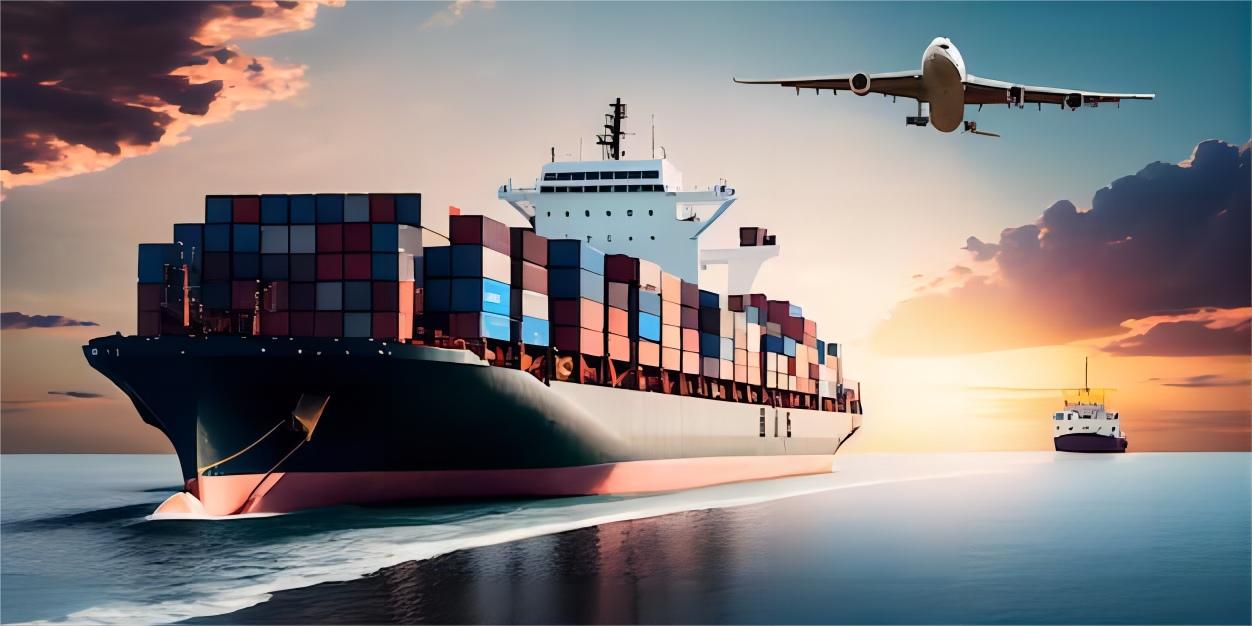
Sellers typically choose between three main transportation modes when moving goods from Chinese manufacturing hubs to Mexico. Each method offers a different balance of speed, cost, and capacity to suit varying business needs. Moreover, the choice often depends on the volume of inventory and the urgency of the restock requirements for the Amazon fulfillment network.
Choosing Amazon FBA services specifically tailored for the Mexican market ensures that your cargo meets all labeling and palletization standards required by the platform. Furthermore, professional freight forwarders can help you decide whether ocean freight or air transport aligns better with your current profit margins and delivery schedule. Indeed, selecting the right mode is the first step in maintaining a healthy supply chain.
How Does Sea Freight Compare to Other Shipping Options?
Ocean transport remains the most economical choice for high-volume shipments that do not require immediate delivery. While sea freight involves longer transit times, it offers significantly lower costs per unit compared to air alternatives. Additionally, this method is ideal for bulky items or large seasonal inventory builds that can be planned well in advance.
In contrast, air freight and express services provide the speed necessary for high-value electronics or urgent stockouts. However, the price difference is substantial, often making sea freight the only viable option for maintaining competitive pricing on Amazon Mexico. To summarize the differences, we have provided a detailed comparison of the available logistics strategies below.
Market data suggests that for the China to Mexico route, rail freight is not a viable alternative due to the transpacific geography. Therefore, businesses must focus on optimizing their maritime and aerial routes to achieve the best results.
| Shipping Method | Cost Range (2026) | Transit Time | Best For |
|---|---|---|---|
| Sea Freight (FCL) | $3,200 – $5,500 | 30 – 45 Days | Large Volume / Bulk |
| Sea Freight (LCL) | $150 – $250/CBM | 35 – 50 Days | Small Shipments |
| Air Freight | $7 – $13 / kg | 6 – 10 Days | High Value Goods |
| Express Service | $10 – $18 / kg | 3 – 6 Days | Urgent Samples |
Understanding 2026 Shipping Costs and Transit Times
Logistics trends in 2026 indicate that freight rates have stabilized after previous years of volatility, though seasonal peaks still influence pricing. For instance, shipping from China to Mexico typically sees a cost increase of 15-20 percent during the months leading up to the holiday season. Consequently, early booking is highly recommended to secure favorable rates and guaranteed space on vessels.
Transit times are largely dictated by the specific port of loading in China and the destination port in Mexico. Most shipments from Shanghai or Ningbo arrive at the Port of Manzanillo or Lazaro Cardenas before being transported inland to Mexico City or Monterrey. Meanwhile, air freight arrivals usually land at Mexico City International Airport (AICM) or Felipe Angeles International Airport (AIFA).
Factors Influencing Your Total Landed Cost
Total costs involve more than just the base freight rate; you must also account for fuel surcharges and port handling fees. Additionally, Mexican import duties and Value Added Tax (VAT) significantly impact the final price of your goods. Specifically, working with an experienced partner helps in calculating these expenses accurately to avoid unexpected financial burdens.
Navigating Mexican Customs and Tax Requirements
Mexican customs regulations are known for being rigorous, requiring precise documentation and compliance with local standards. For example, every importer must be registered in the Padron de Importadores to legally bring commercial goods into the country. Furthermore, specific products may require NOM (Normas Oficiales Mexicanas) certification to ensure they meet safety and quality benchmarks.
Documentation errors are the leading cause of delays at the border, which can result in expensive storage fees and lost sales. Using a professional customs brokerage service is therefore a critical investment for any FBA seller. Such experts handle the pedimento, which is the official customs entry document, and ensure all taxes are paid correctly.
| Document Name | Purpose | Requirement Level | Provided By |
|---|---|---|---|
| Commercial Invoice | Value Declaration | Mandatory | Supplier |
| Packing List | Cargo Breakdown | Mandatory | Supplier |
| Bill of Lading | Title of Goods | Mandatory | Carrier |
| NOM Certificate | Safety Compliance | Product Specific | Testing Lab |
Why Door to Door Logistics is Ideal for FBA Sellers
Managing multiple logistics providers can be overwhelming for e-commerce entrepreneurs focusing on growth. By choosing a door to door service, you simplify the entire process from the Chinese factory floor to the Amazon warehouse shelf. This comprehensive solution covers pickup, international transit, customs clearance, and final mile delivery within Mexico.
Efficiency is greatly enhanced when a single entity manages the entire supply chain movement. Moreover, this approach reduces the risk of communication gaps that often occur when switching between different carriers and brokers. Consequently, sellers can enjoy peace of mind while their inventory moves through the global logistics network.
Which Option Should You Choose for Your Business?
Budget priority dictates that sea freight is the best path for businesses with established sales velocity and predictable demand. On the other hand, if you are launching a new product and need to test the market quickly, express service offers the necessary agility. Indeed, the right choice depends on your specific balance of capital and time requirements.
Cargo type considerations also play a major role in the decision-making process. For example, fragile or perishable items might benefit from the shorter handling times associated with air transport. To summarize, evaluate your volume thresholds and profit margins before committing to a specific shipping strategy.

Real-World Case Studies for China to Mexico Logistics
Reviewing actual shipping scenarios can provide valuable insights into what to expect during the transit process. These examples reflect the current market conditions of 2026 and highlight the importance of professional logistics management.
[Case Study 1: Electronics Speed to Market] +———————————————————+ | Route: Shenzhen, China to Mexico City, Mexico | | Cargo: Consumer Electronics, 2.5 CBM, 480 kg | | Method: Air Freight | | Shipping Details: | | – Carrier: Major Cargo Airline | | – Port of Loading: Shenzhen (SZX) | | – Port of Discharge: Mexico City (AICM) | | Cost Breakdown: | | – Air Freight: $4,560 | | – Customs & Duties: $1,200 | | – Total Landed Cost: $5,760 | | Timeline: | | – Total Door-to-Door: 9 Days | | Key Insight: High-value items justified the air costs. | +———————————————————+
[Case Study 2: Home Decor Volume Shipment] +———————————————————+ | Route: Ningbo, China to Manzanillo, Mexico | | Cargo: Furniture and Decor, 18 CBM | | Method: Sea Freight LCL | | Shipping Details: | | – Carrier: COSCO | | – Port of Loading: Ningbo | | – Port of Discharge: Manzanillo | | Cost Breakdown: | | – Ocean Freight: $3,150 | | – Origin/Dest Charges: $850 | | – Total Landed Cost: $4,000 | | Timeline: | | – Total Door-to-Door: 42 Days | | Key Insight: Early booking saved 15% on peak rates. | +———————————————————+
Final Thoughts on Mexican FBA Logistics
Successfully managing amazon fba shipping china to mexico requires a deep understanding of both international transit and local Mexican regulations. By selecting the appropriate shipping method and partnering with a reliable freight forwarder, you can significantly reduce lead times and operational costs. Furthermore, staying informed about 2026 market trends and customs requirements will ensure your e-commerce business remains competitive and compliant.
Reliability in your supply chain is the foundation of a successful Amazon business. Whether you opt for the speed of air freight or the cost-effectiveness of sea transport, careful planning remains the most important factor. Therefore, prioritize documentation accuracy and choose logistics partners who understand the unique demands of the Mexican marketplace.