

Sea Freight China to Brazil: 2026 Shipping Guide and Costs
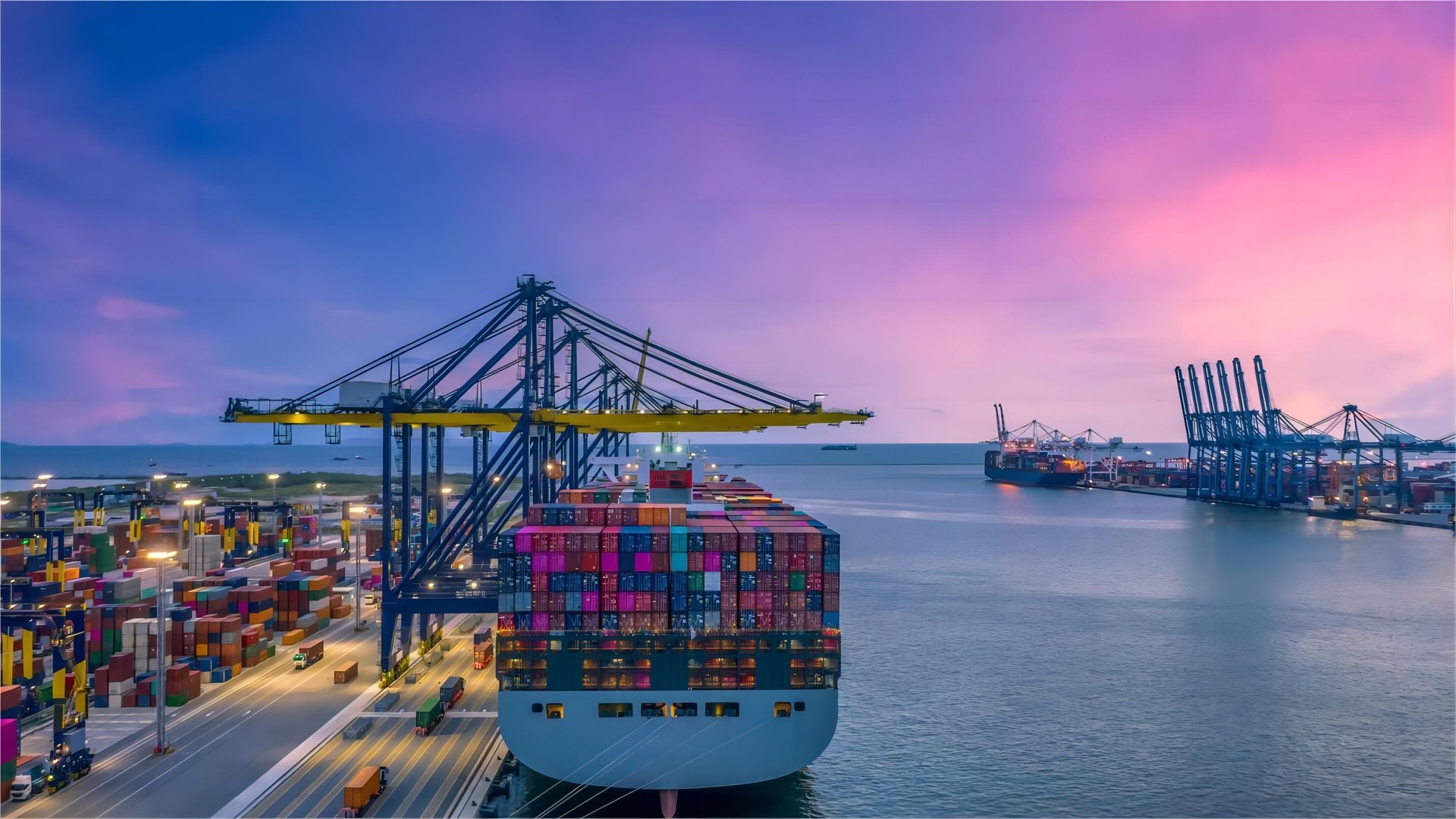
Navigating the complex waters of sea freight China to Brazil requires a deep understanding of global logistics patterns and regional regulations. As of 2026, many businesses rely on Top China Freight to manage their supply chains across the Pacific and Atlantic oceans. This guide provides a comprehensive analysis of the shipping landscape, focusing on cost efficiency and reliable delivery schedules.

How to Choose Between FCL and LCL for Sea Freight China to Brazil
Selecting the right container load is the first step in optimizing your sea freight China to Brazil strategy. Full Container Load (FCL) offers exclusivity and security for large shipments, while Less than Container Load (LCL) provides flexibility for smaller volumes. Consequently, your choice will significantly impact both your budget and your handling requirements.
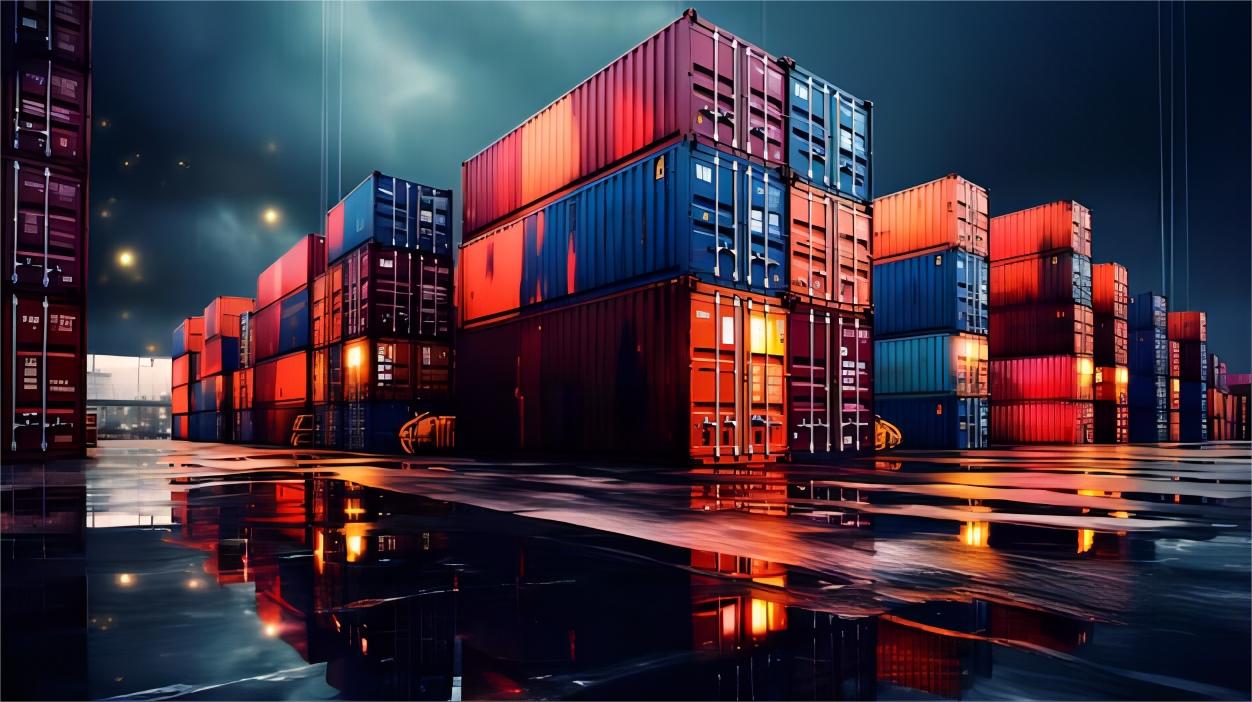
Moreover, businesses often prefer sea freight for its ability to move massive quantities of goods at a fraction of the cost of air transport. Specifically, FCL is ideal when you have enough cargo to fill a 20ft or 40ft container, as it reduces the risk of damage from other shippers’ goods. In contrast, LCL allows you to pay only for the space you use, making it a cost-effective alternative for growing enterprises.
Additionally, the 2026 market shows that FCL rates have stabilized after the fluctuations of previous years. Nevertheless, LCL remains a vital component of the supply chain for those who need to maintain frequent, smaller inventory replenishments. Therefore, analyzing your monthly volume is essential before committing to a specific container type.
| Feature | FCL (Full Container) | LCL (Shared Container) | Best For |
|---|---|---|---|
| Cost Structure | Flat rate per container | Price per CBM/Weight | LCL for small loads |
| Transit Time | Faster (Direct) | Slower (Consolidation) | FCL for speed |
| Security | High (Sealed) | Moderate (Handled) | FCL for fragile |
| Volume | Over 15 CBM | Under 15 CBM | Varies by route |
Benefits of Full Container Load (FCL)
FCL shipping ensures that your cargo remains untouched from the point of origin to the final destination. This method typically results in faster transit times because there is no need for consolidation or deconsolidation at the ports. Furthermore, it provides the highest level of security for sensitive or high-value items.
Advantages of Less than Container Load (LCL)
LCL is the perfect solution for businesses that do not have enough cargo to fill an entire container. By sharing space with other importers, you can significantly lower your upfront shipping costs. However, you should account for a few extra days in the delivery schedule due to the consolidation process.
Major Ports and Routes for Sea Freight China to Brazil
Understanding the geography of international trade is crucial for reducing transit times and logistics expenses. Most shipments from China originate from massive hubs like Shanghai, Ningbo, and Shenzhen. Meanwhile, the Port of Santos in Brazil remains the busiest gateway in South America, handling the majority of the nation’s container traffic.
Furthermore, other Brazilian ports such as Paranagua, Itajai, and Rio de Janeiro offer strategic alternatives depending on your final destination. Choosing a port closer to your warehouse can drastically reduce inland transportation costs. Consequently, shippers should evaluate the infrastructure and congestion levels of each port before booking their cargo.
Indeed, the route from China to Brazil is one of the longest in the world, often involving transshipment through hubs in Singapore or South Africa. However, direct services are becoming more common in 2026 as demand for Chinese goods in the Brazilian market continues to grow. Accordingly, selecting the right carrier can save you several days of transit time.
| China Port | Brazil Port | Estimated Transit | Route Type |
|---|---|---|---|
| Shanghai | Santos | 32-38 Days | Direct/Transship |
| Shenzhen | Paranagua | 35-42 Days | Transshipment |
| Ningbo | Itajai | 34-40 Days | Direct |
| Qingdao | Rio de Janeiro | 38-45 Days | Transshipment |
Analyzing Shipping Costs and Factors in 2026
Determining the exact cost of sea freight China to Brazil involves several variables beyond the basic ocean freight rate. Fuel surcharges, currency adjustment factors, and peak season premiums all play a role in the final invoice. Additionally, local charges at both the origin and destination can add hundreds of dollars to your total landed cost.
For those seeking a hassle-free experience, a door to door service is often the most efficient choice. This comprehensive solution covers everything from factory pickup in China to final delivery in Brazil. Moreover, it simplifies the budgeting process by providing a single, all-inclusive quote.
Market data from early 2026 suggests that container rates have remained competitive due to increased vessel capacity. Nevertheless, importers should stay vigilant about seasonal spikes, particularly during the months leading up to the holiday season. To summarize, early booking and flexible scheduling are the best ways to secure the lowest possible rates.
Key Cost Components
Ocean freight remains the largest expense, but port handling fees and documentation charges are equally important. Furthermore, you must account for insurance, which typically costs a small percentage of the cargo value. In contrast, ignoring insurance can lead to devastating financial losses in the event of an accident at sea.
How Does Sea Freight Compare to Other Shipping Options?
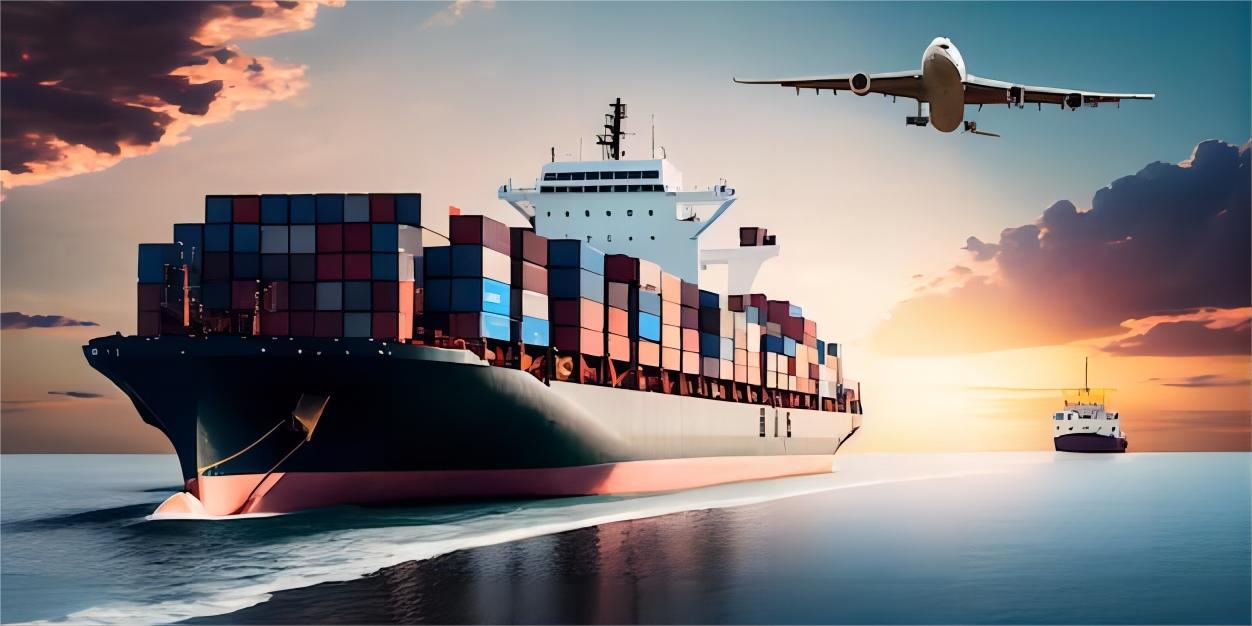
While sea freight is the most popular method for this route, it is not always the best fit for every shipment. For instance, urgent cargo might require the speed of air freight, despite the much higher cost. Sea freight typically costs $2,500-4,500 for a 40HQ container, whereas air freight for the same volume could exceed $20,000.
Conversely, sea freight offers the best balance of cost and capacity for bulk items and heavy machinery. In 2026, hybrid solutions like sea-air combinations are also gaining traction for shipments that need to arrive faster than standard ocean transit but cannot afford pure air rates. Therefore, businesses must weigh their priorities between budget and delivery speed.
Notably, rail freight is not a viable option for the China-Brazil route due to the lack of transcontinental tracks across the ocean. Consequently, sea and air remain the primary choices for international trade between these two nations. Ultimately, the decision depends on your specific inventory requirements and customer expectations.
| Shipping Method | Cost Range | Transit Time | Best For |
|---|---|---|---|
| Sea Freight | $1,500 – $5,000 | 30-45 Days | Bulk & Heavy |
| Air Freight | $5.00 – $12.00/kg | 5-10 Days | Urgent/High Value |
| Express | $8.00 – $15.00/kg | 3-7 Days | Samples/Docs |
Navigating Customs and Documentation in Brazil
Brazil is known for having one of the most complex customs environments in the world. As a result, working with an experienced customs brokerage is essential for avoiding delays and heavy fines. You must ensure that all paperwork, including the Commercial Invoice and Bill of Lading, is perfectly accurate.
Furthermore, the Brazilian tax system involves multiple layers of duties, such as the Import Tax (II) and the Industrialized Products Tax (IPI). In 2026, recent tax reforms have simplified some procedures, but the requirements for specific import licenses remain strict. Consequently, failing to obtain the necessary permits before your cargo arrives can lead to terminal storage fees.
Additionally, the ‘Siscomex’ system is the primary tool used by Brazilian authorities to monitor and control imports. Without a doubt, having a local representative who understands this system will streamline your sea freight China to Brazil experience. In summary, preparation is the key to a successful customs clearance process.
Realistic Case Studies for China to Brazil Logistics
Examining real-world examples helps importers understand the practical challenges and costs associated with this route. Below are two scenarios based on 2026 market conditions, highlighting the differences in cargo types and shipping methods.
Case Study 1: Electronics from Shanghai to Santos. A tech company shipped a 40HQ container of consumer electronics. The total ocean freight was $4,200, with a transit time of 34 days. Key Insight: Early booking allowed the client to avoid a $500 peak season surcharge.
Case Study 2: Auto Parts from Ningbo to Itajai. An automotive supplier used LCL for 8 CBM of specialized components. The total landed cost was $1,150, taking 40 days door-to-door. Key Insight: Utilizing a consolidated service saved the client over $1,000 compared to a half-empty FCL container.
Case Study 3: Amazon FBA Shipment
A small business owner used Amazon FBA services to ship home decor items from Shenzhen to a fulfillment center in Sao Paulo. By choosing sea freight, they maintained a high profit margin despite the long transit time. Consequently, their business grew by 30% in the first half of 2026.
Which Option Should You Choose? A Decision Framework
Deciding on the best logistics strategy requires a clear evaluation of your business goals. If your primary concern is the lowest possible cost, sea freight is the undisputed winner. However, if you are dealing with perishable goods or tight production deadlines, you may need to reconsider your approach.
Moreover, cargo volume is a major deciding factor between FCL and LCL. Typically, shipments over 15 CBM are more economical in a full container. On the other hand, smaller shipments benefit from the flexibility of shared space. To illustrate, many startups begin with LCL and transition to FCL as their sales volume increases.
Finally, consider the destination infrastructure. While Santos is the largest port, it often faces congestion. In contrast, smaller ports like Itajai might offer faster processing times for certain types of cargo. Therefore, a multi-port strategy can sometimes improve your overall supply chain resilience.
Cost-Saving Strategies for International Shipping
Reducing your sea freight China to Brazil expenses is possible through careful planning and negotiation. One effective method is to consolidate shipments from multiple suppliers into a single FCL container. Additionally, optimizing your packaging can help you fit more goods into the same space, lowering your cost per unit.
Furthermore, try to avoid shipping during the peak season, which usually runs from August to October. During this time, rates can increase by 20% or more due to high demand. Conversely, shipping during the ‘slack’ season in early spring can result in significant savings. Indeed, timing is everything in the world of international logistics.
Lastly, always request multiple quotes to ensure you are getting a fair market rate. Many forwarders offer discounts for long-term contracts or high-volume accounts. Consequently, building a strong relationship with your logistics provider can lead to better service and lower prices over time.
Mastering Your Sea Freight China to Brazil Strategy
To summarize, successful sea freight China to Brazil operations depend on a combination of port selection, container optimization, and expert customs management. While the journey is long, the cost benefits of ocean transport remain unmatched for most types of commercial cargo. By staying informed about 2026 market trends and utilizing the right logistics partners, you can ensure your goods arrive safely and efficiently. Always remember that proactive planning is the best defense against the unpredictability of global trade.
Need a tailored shipping solution?
Ready to streamline your supply chain and reduce costs? Contact our team today to receive a personalized quote for your next sea freight China to Brazil shipment and experience professional logistics support. Visit our website to learn more about our comprehensive shipping solutions.