

Amazon FBA Shipping from China to Sweden: 2026 Logistics Guide
“Navigating the complexities of amazon fba shipping from china to Sweden requires a strategic approach to balance speed and cost. Sellers must manage intricate supply chain demands while ensuring compliance with European Union customs regulations. This guide provides actionable insights for optimizing your logistics strategy in the 2026 market. Consequently, you can reduce transit times and improve your profit margins significantly.”

❖
How Does Sea Freight Compare to Other Shipping Options?
❖
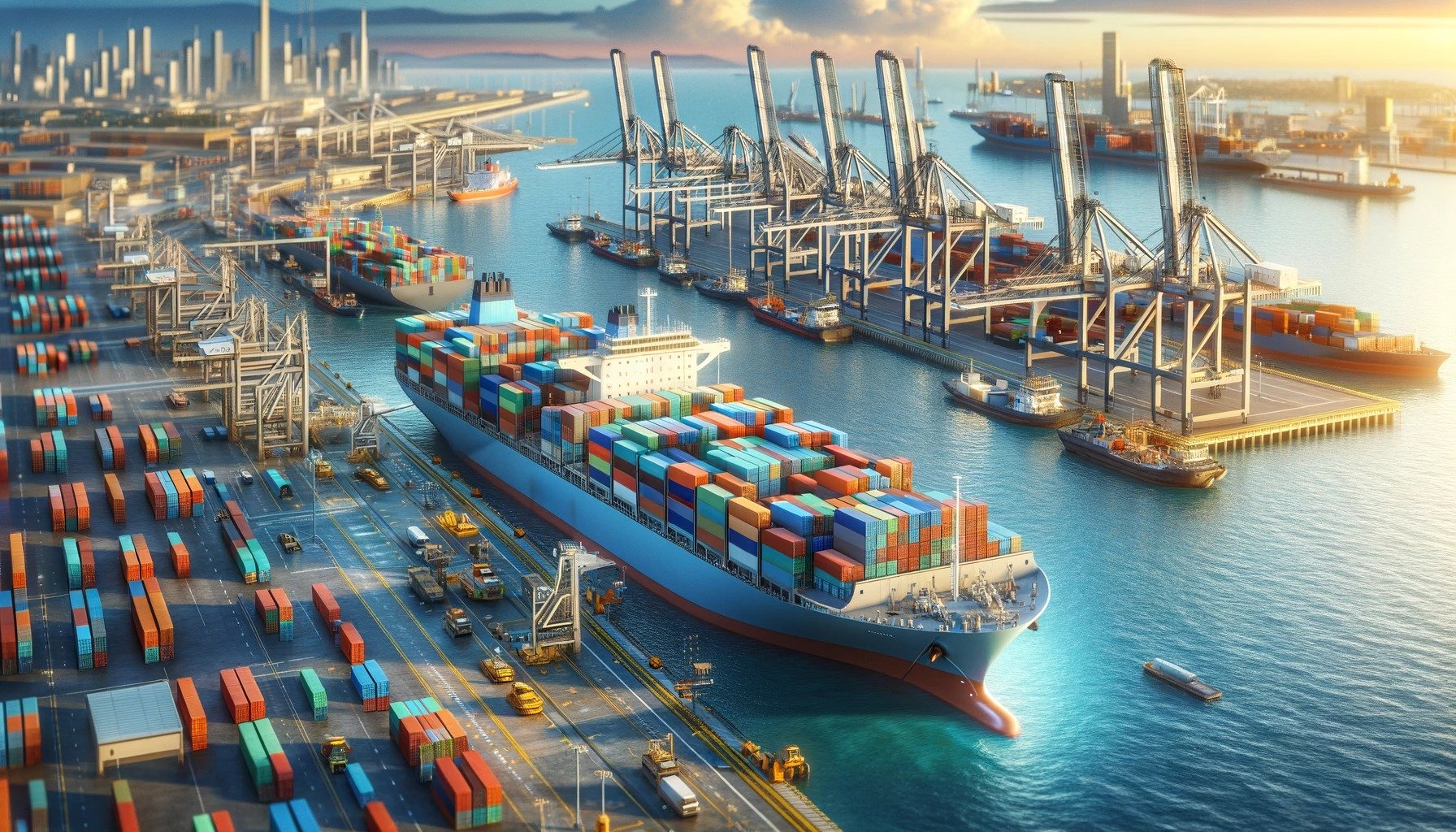
Ocean transport remains the backbone of international trade for high-volume sellers. While sea freight offers the lowest cost per unit, it requires the longest lead time in your planning cycle. Importers must account for port congestion and seasonal fluctuations that affect delivery schedules. Therefore, booking at least 3-4 weeks in advance is highly recommended for Swedish destinations.
Alternative methods like air or rail provide different benefits depending on your inventory needs. Air freight is unmatched for speed but carries a premium price tag that can erode margins on low-value items. Meanwhile, rail freight offers a balanced compromise for those targeting Central and Northern Europe. Selecting the right mode depends on your current stock levels and budget constraints.
| Shipping Method | Cost Range (USD) | Transit Time | Best For |
|---|---|---|---|
| Sea Freight (FCL) | $3,200 – $4,500 | 35-45 Days | Bulk Inventory |
| Air Freight | $5.50 – $9.00/kg | 5-8 Days | High Value/Urgent |
| Rail Freight | $1.80 – $3.00/kg | 22-28 Days | Mid-size Shipments |
| Express Shipping | $9.00 – $14.00/kg | 3-5 Days | Samples/Small Parcels |
❖
What are the Primary Shipping Routes to Sweden?
❖
Most shipments originating from Chinese hubs like Shenzhen or Ningbo transit through major European gateways. Vessels typically dock at the Port of Gothenburg or Helsingborg after passing through the Suez Canal. Furthermore, some logistics providers utilize feeder ships from Rotterdam or Hamburg to reach smaller Swedish ports. This multi-stage process ensures that goods reach Amazon fulfillment centers across the Nordic region efficiently.
Direct routes are becoming more common as trade volume between China and Scandinavia grows. However, transshipment remains a cost-effective strategy for smaller LCL loads. Consequently, understanding the specific port rotation of your carrier can help you predict arrival dates more accurately. Always verify the estimated time of arrival with your freight forwarder to avoid warehouse storage fees.
❖
The Role of Air Freight in Rapid Restocking
❖
Utilizing air freight is essential when inventory levels drop unexpectedly. This method bypasses the lengthy maritime journey, allowing sellers to react quickly to market trends in Sweden. Moreover, the reduced handling time minimizes the risk of damage to fragile or sensitive electronic components. Indeed, the speed of air transport often justifies the higher expenditure during peak shopping seasons.
Costs for air cargo are calculated based on either actual weight or volumetric weight. Freight forwarders often provide consolidated air services to reduce the financial burden on individual sellers. Additionally, choosing a service that includes final mile delivery to the Amazon warehouse can streamline the entire operation. This door-to-door approach is particularly beneficial for high-demand products with short lifecycles.
❖
Rail Freight: The Sustainable Middle Ground
❖
International rail freight has emerged as a viable alternative for shipments to Northern Europe. The Iron Silk Road connects major Chinese industrial cities with European rail terminals in Poland and Germany. From these hubs, containers are moved via truck or ferry to reach Swedish territory. Accordingly, this method provides a faster transit time than sea freight while remaining significantly cheaper than air transport.
Environmental considerations are also driving more brands toward rail solutions. Rail transport produces lower carbon emissions compared to air freight, aligning with Sweden’s strong sustainability values. Furthermore, the stability of rail schedules offers a level of predictability that ocean shipping sometimes lacks. For many Amazon FBA sellers, rail represents the ideal balance for mid-range product restocking.
❖
Essential Steps for Amazon FBA Preparation
❖
Success in Amazon FBA depends heavily on strict adherence to packaging and labeling requirements. Every unit must feature a clear FNSKU label that is easily scannable by Amazon’s automated systems. Additionally, pallets must meet specific Swedish warehouse dimensions to be accepted upon arrival. Failure to comply with these standards can result in costly rejections or shipping delays at the fulfillment center.
Verification of carton weight and dimensions is a critical step before the cargo leaves China. Overweight boxes often incur extra fees or require special handling labels that must be applied at the origin. Moreover, ensuring that your supplier uses high-quality dunnage will protect your goods during the long journey. Professional prep services can manage these details to ensure your shipment is FBA-ready from day one.
❖
Navigating Customs and VAT in Sweden
❖
Importing goods into Sweden requires a thorough understanding of the European Union’s Union Customs Code. Sellers must obtain an EORI number to facilitate the movement of goods across international borders. Furthermore, working with a specialized customs brokerage service can prevent your inventory from being held at the port. Accurate documentation is the key to a seamless clearance process.
Value Added Tax (VAT) is a significant factor in the total landed cost of your products. In Sweden, the standard VAT rate is 25 percent, which must be accounted for in your pricing strategy. Additionally, certain product categories may be subject to specific import duties or environmental taxes. Consequently, conducting a detailed cost analysis before shipping is vital for maintaining healthy profit margins.
| Document Name | Purpose | Required By | Typical Lead Time |
|---|---|---|---|
| Commercial Invoice | Valuation of goods | Customs | 1 Day |
| Packing List | Cargo verification | Carrier/Customs | 1 Day |
| Bill of Lading | Title to goods | Shipping Line | 2-3 Days |
| Certificate of Origin | Duty determination | Swedish Customs | 3-5 Days |
❖
Case Studies: Realistic Shipping Scenarios for 2026
❖
Case Study 1: Electronics from Shenzhen to Gothenburg. Cargo: 500kg of smart home devices. Method: Air Freight. Total Cost: $4,200. Transit Time: 6 days. Key Insight: Using air freight allowed the seller to capitalize on a sudden viral trend, resulting in a complete sell-out within 48 hours of warehouse arrival.
Case Study 2: Home Decor from Ningbo to Stockholm. Cargo: 15 CBM LCL. Method: Sea Freight. Total Cost: $2,100. Transit Time: 42 days. Key Insight: Consolidated shipping reduced the per-unit cost by 30 percent compared to previous air shipments, significantly boosting the overall ROI for the quarter.
Case Study 3: Fashion Apparel from Guangzhou to Helsingborg. Cargo: 20GP Full Container. Method: Rail Freight. Total Cost: $3,800. Transit Time: 26 days. Key Insight: Rail provided a reliable schedule that allowed the seller to sync their marketing campaign perfectly with the arrival of new seasonal stock.
❖
Which Option Should You Choose?
❖
Determining the best logistics path depends on your specific business priorities and cargo characteristics. If your primary goal is cost reduction for high-volume goods, sea freight is the logical choice. On the other hand, speed-to-market requirements often necessitate the use of air or express services. Hybrid solutions, such as sea-air combinations, can also offer unique advantages for certain supply chain models.
Budget-conscious sellers should prioritize FCL or rail freight to maximize their shipping spend. Conversely, those dealing with high-value or perishable items must prioritize the security and speed of air transport. Ultimately, a diversified logistics strategy that utilizes multiple modes of transport provides the greatest resilience against global shipping disruptions. Consult with an expert to tailor a plan that fits your 2026 growth targets.
Optimizing Your Swedish FBA Strategy
Mastering the logistics of amazon fba shipping from china to Sweden is a continuous process of refinement and adaptation. By understanding the nuances of different freight modes, you can make informed decisions that benefit your bottom line. Furthermore, staying updated on customs regulations and FBA requirements ensures that your business remains compliant and competitive. Strategic planning today will lead to seamless deliveries and satisfied customers throughout the year.
Reliable partners are essential for navigating the complexities of international trade and Swedish logistics. Whether you choose sea, air, or rail, the focus should always remain on efficiency and reliability. As the market evolves in 2026, those with robust shipping strategies will be best positioned for long-term success in the Swedish Amazon marketplace.

Ready to streamline your logistics?
Streamline your amazon fba shipping from china to Sweden with our expert logistics solutions. Contact our team today for a customized quote and take the first step toward a more efficient supply chain. Visit our website to learn more about our integrated services. Send Inquiry
Frequently Asked Questions
What is the cheapest way to ship to Amazon FBA Sweden?
How long does shipping from China to Sweden take?
Do I need a Swedish VAT number for Amazon FBA?
Can I ship small quantities to Sweden via Express?
What are the common ports of entry in Sweden?
Are there weight limits for Amazon FBA boxes in Sweden?
Does rail freight go directly to Sweden?