


Sea Freight from China to Sweden: 2026 Shipping Guide
Navigating the complexities of international logistics requires a reliable partner to ensure your cargo arrives safely and on time. Finding the most efficient sea freight from China to Sweden is essential for businesses looking to maintain a competitive edge in the Scandinavian market. Top China Freight provides comprehensive solutions tailored to your specific shipping needs, ensuring a seamless transition from Asian manufacturing hubs to Swedish ports. This guide explores the latest 2026 market trends, pricing structures, and logistical strategies to help you succeed.

How Does Sea Freight from China to Sweden Compare to Other Shipping Options?
Choosing the right transportation mode depends heavily on your budget, timeline, and cargo volume. While maritime transport remains the backbone of global trade, alternative methods like air or rail offer different advantages for specific scenarios.

Sea freight offers the lowest cost per unit for large volumes, making it ideal for bulk goods and heavy machinery. Consequently, most importers prioritize this method for non-urgent shipments that require maximum cost-efficiency.
In contrast, air transport provides the fastest delivery but at a significantly higher price point. Rail freight serves as a middle ground, offering faster transit than the ocean while remaining more affordable than the air.
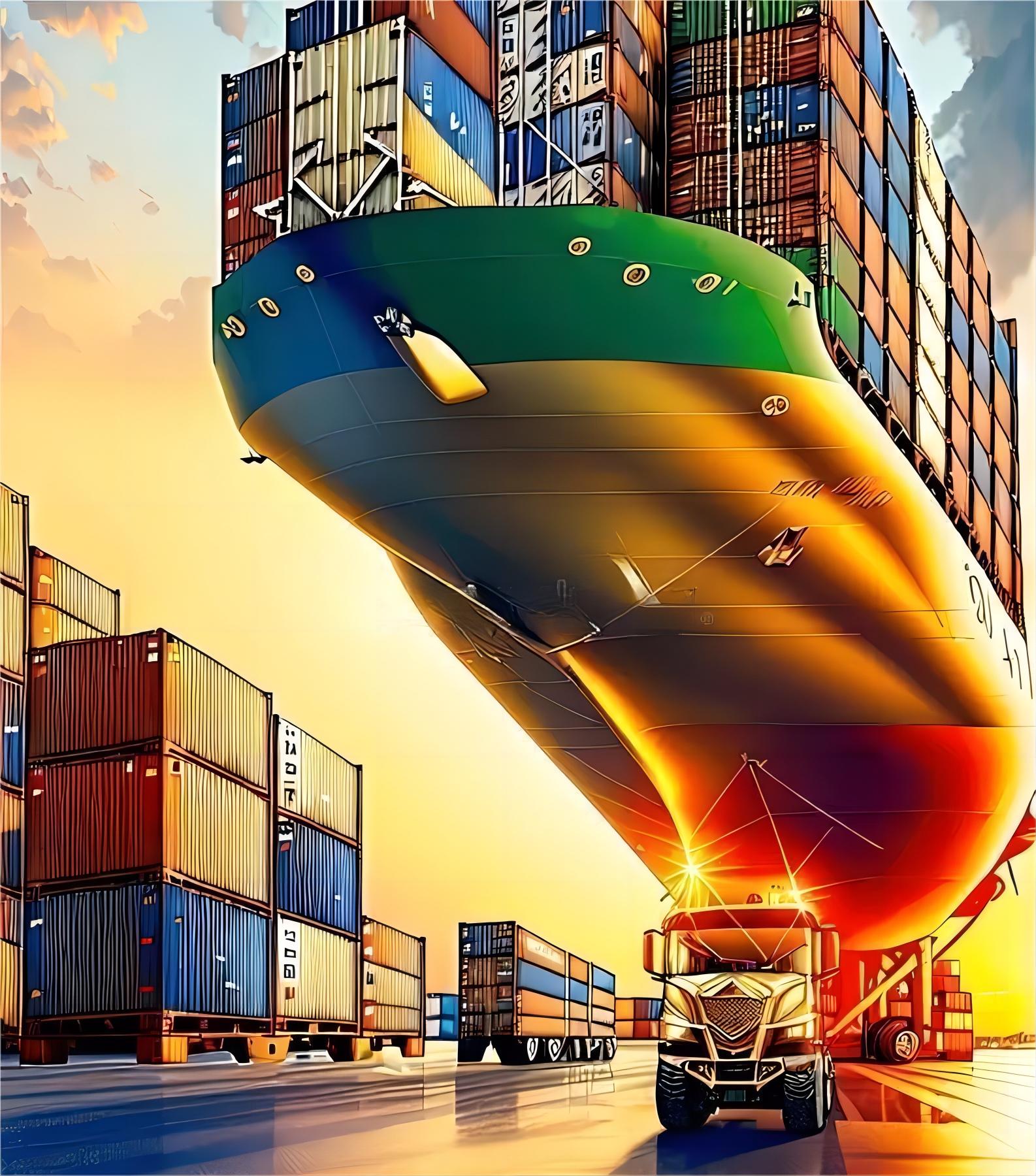
Moreover, hybrid solutions such as sea-air combinations have gained popularity in early 2026. These strategies allow businesses to balance speed and expense by utilizing different modes for different segments of the journey.
| Shipping Method | Cost Range | Transit Time | Best For |
|---|---|---|---|
| Sea Freight | $1,800 – $4,200 | 30 – 45 Days | Bulk & Large Volume |
| Air Freight | $5.50 – $9.00/kg | 5 – 8 Days | Urgent & High Value |
| Rail Freight | $2,500 – $5,500 | 18 – 24 Days | Mid-range Budget |
| Express | $8.00 – $15.00/kg | 3 – 5 Days | Small Samples |
What Are the Shipping Costs for Sea Freight from China to Sweden in 2026?
Understanding sea freight pricing is crucial for accurate financial forecasting in your import business. As of Q1 2026, freight rates have stabilized following the logistical adjustments made after previous global disruptions.
Factors influencing these costs include fuel surcharges, seasonal demand peaks, and container availability at major Chinese ports. Specifically, shipping during the pre-Golden Week or pre-Chinese New Year periods often results in a 20 percent price hike.
Importers can choose between Full Container Load (FCL) and Less than Container Load (LCL) based on their cargo size. FCL is generally more cost-effective for shipments exceeding 15 cubic meters, as you pay for the entire container space.
LCL shipping allows you to share container space with other merchants, which is perfect for smaller inventories. Therefore, calculating the price per cubic meter is essential to determine which option saves more money for your specific load.
Estimated 2026 Container Rates
Current market data suggests that a 20GP container from Shanghai to Gothenburg typically costs between $1,900 and $2,600. For larger volumes, a 40HQ container might range from $3,200 to $4,500 depending on the carrier and service level.
Note: Freight rates are subject to change based on fuel costs, carrier capacity, and seasonal demand. Contact us for a current quote tailored to your specific shipment.
Understanding Transit Times for Maritime Logistics to Sweden
Shipping duration is a vital component of supply chain management that affects your inventory turnover. Typically, the voyage from major Chinese ports to Sweden takes between 30 and 45 days.
Direct routes from Shenzhen or Ningbo to Gothenburg are often the fastest maritime options available. However, many vessels stop at transshipment hubs like Singapore or Rotterdam, which can add five to seven days to the total schedule.
Weather conditions and port congestion also play significant roles in determining the final delivery date. During the winter months, North Sea conditions may occasionally cause minor delays for vessels approaching Scandinavian waters.
Meanwhile, choosing air freight remains the best alternative if your Swedish customers require immediate product availability. Planning your sea shipments at least two months in advance is the best way to mitigate these timing risks.
| Origin Port | Destination Port | Service Type | Avg. Days |
|---|---|---|---|
| Shanghai | Gothenburg | Direct | 32 – 35 |
| Shenzhen | Stockholm | Transshipment | 38 – 42 |
| Ningbo | Helsingborg | Direct | 34 – 37 |
| Qingdao | Gothenburg | Transshipment | 40 – 45 |
Which Option Should You Choose?
Selecting the optimal shipping method requires a clear understanding of your business priorities and cargo characteristics. If your primary goal is budget optimization, sea freight is undoubtedly the most logical choice for most scenarios.
Speed-oriented businesses should prioritize air or express services, especially for high-value electronics or fashion items with short shelf lives. Furthermore, cargo volume acts as a natural threshold for switching between LCL and FCL shipping.
Hazardous materials or oversized industrial equipment often have limited transport options due to safety regulations. Consequently, you must consult with a specialist to ensure your specific cargo type is permitted on your chosen route.
Swedish environmental regulations also favor certain logistics trends, such as slow-steaming or bio-fuel powered vessels. Choosing these greener options might align better with your corporate social responsibility goals while potentially offering tax incentives.
Essential Customs Documentation for Swedish Imports
Navigating the legal requirements for entering the Swedish market is a critical step in the shipping process. Failure to provide accurate documentation can lead to expensive delays and potential fines at the border.
The primary documents required include the Commercial Invoice, Packing List, and the Bill of Lading. Additionally, you must provide a Certificate of Origin if you wish to benefit from specific trade agreements or tariff reductions.
Professional Customs Brokerage services are highly recommended for first-time importers to avoid common clerical errors. These experts ensure that your goods are classified correctly under the Harmonized System (HS) codes.
Sweden, as part of the European Union, enforces strict safety and environmental standards on all imported products. Therefore, ensuring your goods have the proper CE marking and compliance certificates is mandatory before the ship leaves China.
Real-World Case Studies: China to Sweden Logistics
Case Study 1: Sustainable Electronics Distribution. Route: Shenzhen, China to Gothenburg, Sweden. Cargo: Solar panels and lithium batteries, 28 CBM, 12,000 kg. Container: 40GP. Shipping Details: Direct service via major carrier. Port of Loading: Shenzhen. Port of Discharge: Gothenburg. Cost Breakdown: Ocean Freight: $3,100; Origin Charges: $450; Destination Charges: $600; Customs and Duties: $1,200; Total Landed Cost: $5,350. Timeline: Booking to Loading: 4 days; Sea Transit: 33 days; Customs Clearance: 2 days; Total Door-to-Door: 39 days. Key Insight: Early booking during the 2026 Q2 period saved the client 15 percent compared to peak season rates.
Case Study 2: Retail Furniture Expansion. Route: Ningbo, China to Stockholm, Sweden. Cargo: Flat-pack wooden furniture, 12 CBM, 4,500 kg. Container: LCL. Shipping Details: Transshipment via Hamburg. Port of Loading: Ningbo. Port of Discharge: Stockholm. Cost Breakdown: Ocean Freight: $1,440; Origin Charges: $300; Destination Charges: $550; Customs and Duties: $900; Total Landed Cost: $3,190. Timeline: Booking to Loading: 6 days; Sea Transit: 41 days; Customs Clearance: 3 days; Total Door-to-Door: 50 days. Key Insight: Using LCL was more economical than a 20GP container for this volume, despite the longer transit time due to transshipment.
Optimizing Your Supply Chain with Door to Door Solutions
Managing multiple vendors for trucking, shipping, and customs can be an overwhelming task for many business owners. Implementing a Door to Door service simplifies the entire process by providing a single point of contact.
This approach covers everything from picking up the goods at the factory in China to final delivery at your warehouse in Sweden. Consequently, you can focus on your core business operations while the logistics experts handle the technical details.
Moreover, integrated tracking systems allow you to monitor your shipment’s progress in real-time across the ocean. This transparency is vital for coordinating your Swedish sales team and managing customer expectations effectively.

As part of our commitment to Europe trade, we offer specialized handling for various industries including automotive and telecommunications. Every step is optimized to reduce transit times and minimize the risk of cargo damage.
Logistics Trends and Market Intelligence for 2026
The shipping industry has undergone significant transformation as we move through 2026, with a heavy focus on digitalization and sustainability. Many carriers now offer paperless documentation, which has reduced administrative delays by nearly 30 percent.
Market data suggests that freight rates from China to Europe have stabilized after the 2025 Red Sea disruptions, providing a more predictable environment for Swedish importers. However, geopolitical factors continue to influence route planning and insurance premiums.
Additionally, the rise of smart containers equipped with IoT sensors allows for better temperature and humidity control during the long sea voyage. This technology is particularly beneficial for sensitive goods like pharmaceuticals or specialized food products.
Importers should also stay informed about the evolving EU Carbon Border Adjustment Mechanism (CBAM) which may impact the total cost of high-carbon imports. Adapting to these regulations early will provide a significant competitive advantage in the Swedish market.
Start Your Shipment
Ready to optimize your sea freight from china to Sweden strategy? Contact us today for a free consultation and customized quote. Our expert team is here to help you streamline your logistics and reduce costs.