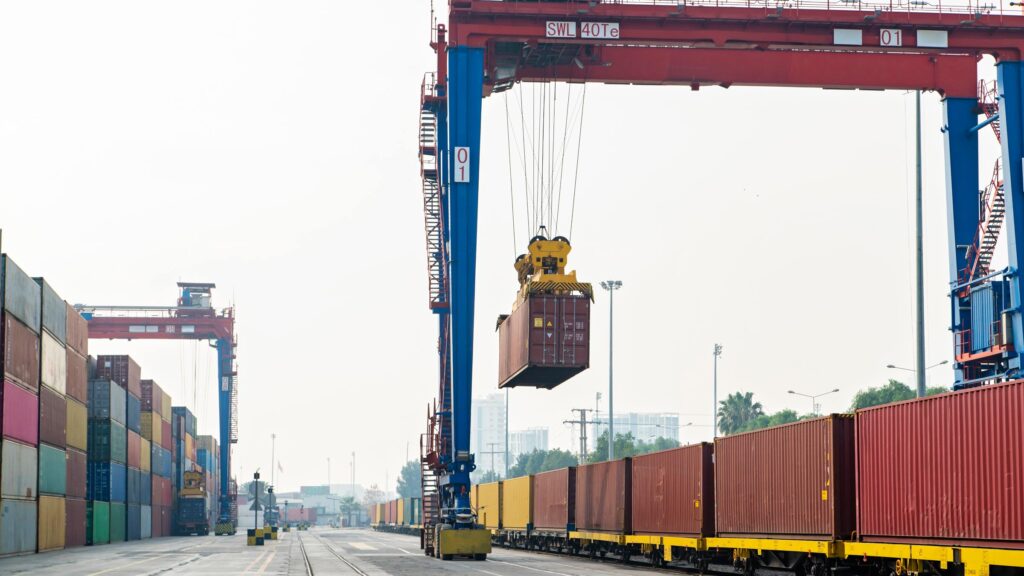
Air freight from China to Europe is one of the fastest and most reliable shipping solutions for businesses engaged in global trade. Although it is more expensive than sea freight, it offers shorter transit times, higher security, and efficiency for urgent or high-value shipments. With professional planning and the right freight forwarder, companies can reduce risks, manage customs effectively, and ensure timely delivery.
What Is the Average Transit Time for Air Freight from China to Europe?
Transit times range from 3 to 7 days, depending on departure airport, airline, and European destination hub.
Route
Average Transit Time
Shanghai → Frankfurt
3–5 days
Shenzhen → Paris CDG
4–6 days
Guangzhou → Amsterdam
4–7 days
Beijing → London Heathrow
3–5 days
Additionally, cargo consolidation or indirect flights may add extra time, especially during peak shipping seasons.
How Much Does Air Freight from China to Europe Cost?
Air freight rates are calculated by chargeable weight, which is the greater of actual weight and volumetric weight.
Weight Bracket
Average Cost (USD/kg)
0–100 kg
$7 – $10
101–300 kg
$6 – $8
301–500 kg
$5 – $7
500+ kg
$4.5 – $6
Moreover, additional fees such as fuel surcharges, security charges, and customs duties can affect the final cost.
VAT (Value-Added Tax): Varies by country (e.g., Germany 19%, France 20%).
Excise Duties: Applied to alcohol, tobacco, or energy products.
Moreover, businesses must hold an EORI number to import goods into the EU.
Should Importers Use FOB, CIF, or DDP Terms for Air Freight?
Incoterms define responsibility distribution between buyers and sellers.
Term
Seller Responsibility
Buyer Responsibility
Best For
FOB
Delivery to Chinese airport
Freight + EU customs
Experienced importers
CIF
Freight & insurance to Europe
Customs clearance
Balanced option
DDP
Full delivery to buyer’s address
Minimal obligations
Beginners
For new importers, DDP offers simplicity, though costs may be higher.
How Can Businesses Reduce Air Freight Costs from China to Europe?
Consolidate shipments with freight forwarders.
Book off-peak seasons to avoid surcharges.
Use efficient packaging to lower volumetric weight.
Compare quotes across airlines.
Negotiate contracts with logistics providers.
As a result, importers can reduce overall expenses without sacrificing reliability.
Why Work with a Freight Forwarder for Air Freight?
Freight forwarders manage booking, documentation, customs clearance, and delivery. Additionally, they negotiate airline rates, provide consolidation, and minimize risks. Consequently, businesses gain transparency, cost efficiency, and smoother supply chains.
Conclusion
Air freight from China to Europe is the fastest and most secure transport option, with transit times of 3–7 days and costs of $5–$10/kg. Although more expensive than sea freight, it is indispensable for urgent, high-value, or seasonal shipments. Moreover, customs duties, VAT, and Incoterms must be considered when budgeting. By working with experienced freight forwarders, businesses reduce risks, optimize costs, and maintain efficient supply chains. Ultimately, choosing air freight guarantees speed, reliability, and efficiency in international trade.
Consult TJ China Freight Forwarding for the lowest quote. They will provide you with reliable, cost-effective service.