

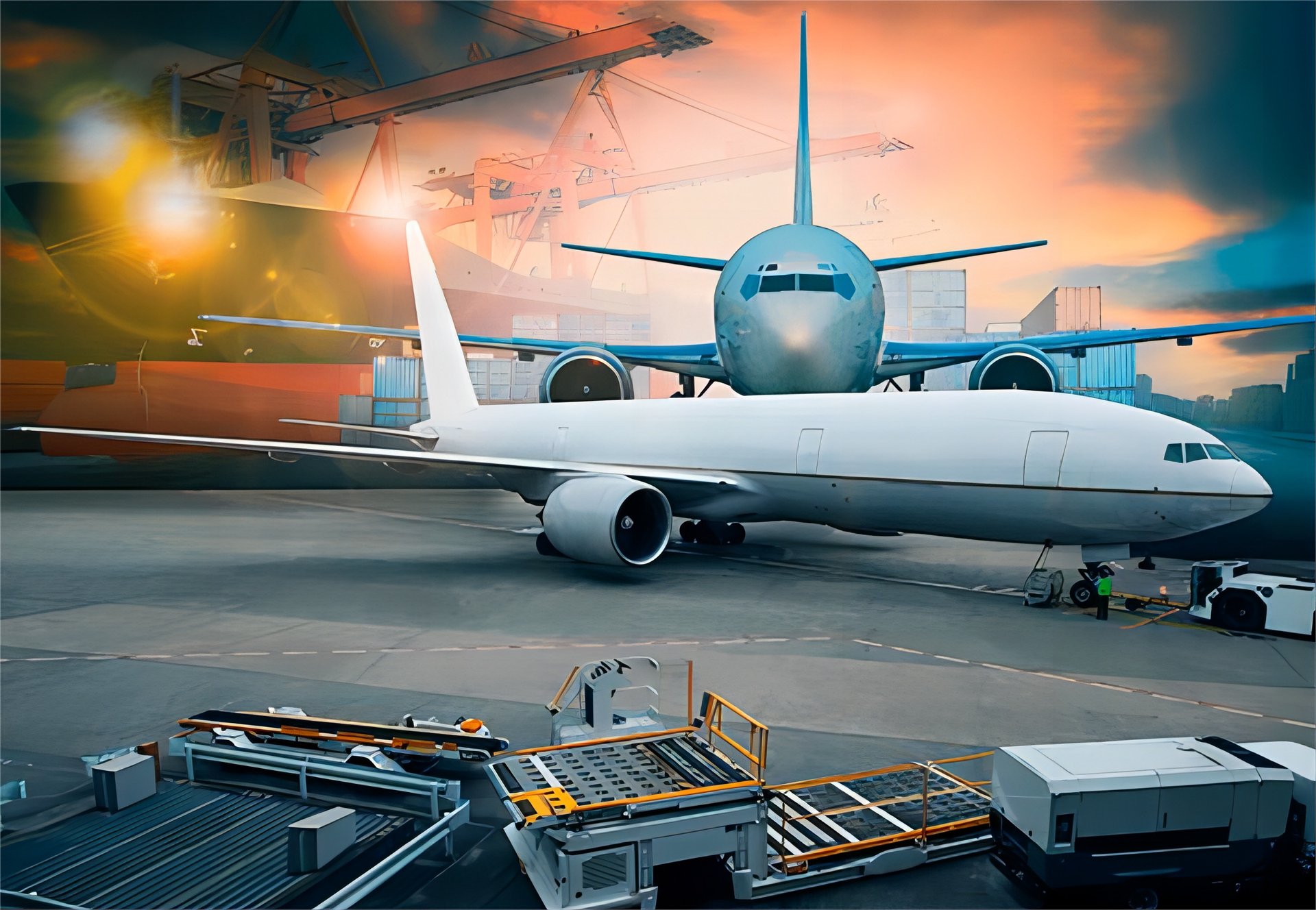
Shipping Quote China to USA: 2026 Freight Rate and Logistics Guide
Securing an accurate shipping quote China to USA is the first step toward building a resilient and profitable supply chain in 2026. Navigating the complexities of international logistics requires a clear understanding of current market trends and pricing structures. At Top China Freight, we provide transparent solutions to help you manage your cargo efficiently and avoid unexpected expenses.

What Factors Determine Your Shipping Quote China to USA?
Several variables influence the final price you see on a freight estimate. Fuel surcharges, also known as Bunker Adjustment Factors, fluctuate based on global energy markets and significantly impact ocean freight costs. Moreover, seasonal demand plays a massive role in pricing volatility. During the peak season from August to October, rates typically increase by 15% to 25% as retailers prepare for the holiday rush.
Container availability and port congestion remain critical factors in 2026. While global supply chains have stabilized compared to previous years, local labor strikes or equipment shortages can still cause sudden price spikes. Consequently, booking your shipment at least three to four weeks in advance is highly recommended to secure the best possible rates. Additionally, the weight and volume of your cargo will dictate whether you require a full container or a shared space.
Market intelligence suggests that geopolitical stability also affects insurance premiums and route planning. For instance, choosing a direct route to the US West Coast is often more cost-effective than transshipment through third-party hubs. Therefore, understanding these underlying drivers helps you negotiate better terms with your freight forwarder.
Comparing Sea Freight and Air Freight Costs for 2026
Choosing between different transport modes is a balance of speed and budget. For large shipments, sea freight remains the most economical choice for most businesses. In contrast, air freight offers unparalleled speed for high-value or time-sensitive goods. Shipping costs for air cargo are calculated based on chargeable weight, which considers both actual weight and volumetric size.
Ocean freight is usually quoted per container for Full Container Load (FCL) or per cubic meter for Less than Container Load (LCL). As of early 2026, FCL rates have seen moderate adjustments due to new vessel capacities entering the market. Meanwhile, LCL remains a flexible option for smaller importers who do not have enough volume to fill a 20ft or 40ft container.
Transit times also vary significantly between these two modes. Air shipments typically arrive within 5 to 9 days, whereas sea shipments can take anywhere from 15 to 40 days depending on the destination port. Without a doubt, your choice should align with your inventory turnover requirements and profit margins.
| Method | Average Cost | Transit Time | Best For |
|---|---|---|---|
| Air Freight | $5.50 – $9.00 per kg | 5-9 Days | Urgent, high-value |
| Sea Freight (FCL) | $2,800 – $5,200 per 40HQ | 18-35 Days | Bulk, heavy goods |
| Sea Freight (LCL) | $60 – $110 per CBM | 25-40 Days | Small volumes |
| Express | $8.00 – $12.00 per kg | 3-5 Days | Samples, documents |
How Does Sea Freight Compare to Other Shipping Options?
Evaluating all viable alternatives is essential for optimizing your logistics strategy. While sea freight is the primary method for China-USA trade, it is important to analyze how it stacks up against express and hybrid solutions. Express services are essentially premium air freight that includes faster customs processing and last-mile delivery. However, the cost per kilogram is substantially higher than standard air or sea options.
Hybrid solutions like sea-air combinations are occasionally used to balance cost and speed. For example, cargo might move by sea to a hub like Dubai or Singapore and then fly to the USA. This approach can save 30% compared to pure air freight while being twice as fast as pure sea freight. Nevertheless, these routes are complex and require expert coordination.
For shipments destined for the interior of the United States, intermodal transport is often required. This involves moving a container from a ship to a rail line or truck. Indeed, the transition from sea to land can add several days and additional costs to your initial shipping quote.
| Shipping Method | Cost Range | Transit Time | Limitations |
|---|---|---|---|
| Direct Sea FCL | $2,500 – $4,500 | 14-22 Days | High volume only |
| Standard Air | $1,500 – $3,000 (Small) | 7-10 Days | Weight limits |
| Express Courier | $200 – $800 (Samples) | 3-5 Days | Very expensive |
| Sea-Air Hybrid | Moderate | 15-20 Days | Complex booking |

The Role of Customs Brokerage and FBA Services
Navigating the legal requirements of import/export is a major component of your total landed cost. Engaging a professional customs brokerage service ensures that your documentation is accurate and compliant with US Customs and Border Protection. Improperly filed paperwork can lead to expensive delays, fines, or even cargo seizure. Therefore, budgeting for expert assistance is a wise investment for long-term success.
E-commerce sellers have specific needs when shipping to the United States. Utilizing specialized Amazon FBA shipping services can streamline the process of getting goods into the fulfillment network. These services often include labeling, palletizing, and direct delivery to specific Amazon warehouses across the country. Consequently, sellers can focus on marketing while logistics experts handle the heavy lifting.
Import duties and taxes are based on the Harmonized Tariff Schedule (HTS) code of your products. It is vital to verify these codes before shipping to avoid surprises when the bill arrives. For instance, certain electronics might have lower duties than textiles or specialized machinery. Accordingly, a detailed quote should always account for these statutory costs.
Real-World Case Studies: China to USA Shipping Scenarios
Case Study 1: Electronics from Shenzhen to Los Angeles. A tech startup imported 15 CBM of consumer electronics via LCL. The shipment originated in Shenzhen and was discharged at the Port of Los Angeles. Total ocean freight was $1,450, with origin and destination charges totaling $800. Customs clearance took 2 days, and the total door-to-door time was 24 days. Key Insight: Consolidating LCL shipments saved the client $1,200 compared to air freight.
Case Study 2: Furniture from Ningbo to New York. A retail chain ordered two 40HQ containers of home decor. The route involved transshipment via the Panama Canal to reach the US East Coast. Each container cost $4,800 in ocean freight during the Q3 2025 peak season. Total transit time was 34 days from port to port. Key Insight: Booking 6 weeks in advance secured space during a period of high equipment shortage.
Case Study 3: Urgent Spare Parts from Shanghai to Chicago. A manufacturing plant required critical components to avoid a production shutdown. They used air freight for 500kg of cargo. The total cost was $3,750, including local trucking in the USA. The parts arrived in just 6 days. Key Insight: The high cost of air freight was justified by preventing a factory stoppage that would have cost $20,000 per day.
Which Shipping Option Should You Choose?
Decision making in logistics depends on your specific business priorities. If your primary goal is budget optimization, sea freight is the obvious winner for any shipment over 2 CBM. On the other hand, if you are launching a new product and need to hit a specific marketing date, air freight provides the reliability you need. Furthermore, consider the nature of your goods; fragile or perishable items often benefit from the reduced handling of air transport.
Volume thresholds are a major factor in choosing between FCL and LCL. Generally, if your shipment exceeds 15 CBM, it is more economical to book a full 20GP container even if you do not fill it completely. This is because LCL rates per cubic meter are higher and involve more handling fees at the CFS (Container Freight Station). Indeed, analyzing these break-even points is a hallmark of a sophisticated importer.
Cargo type also dictates the necessary equipment and service level. For example, hazardous materials or oversized machinery require specialized handling and will attract higher quotes. Always disclose the full details of your cargo to your freight forwarder to ensure the most accurate pricing.

Cost-Saving Strategies for Import Logistics in 2026
Reducing your shipping quote China to USA requires a proactive approach to supply chain management. One effective strategy is to optimize your packaging to reduce volumetric weight. By minimizing wasted space inside boxes, you can fit more units into a container or reduce the chargeable weight for air cargo. Additionally, consolidating shipments from multiple suppliers into a single container can significantly lower your per-unit shipping cost.
Negotiating Incoterms is another powerful tool for cost control. While many beginners prefer DDP (Delivered Duty Paid) for its simplicity, experienced importers often use FOB (Free On Board). Using FOB allows you to choose your own freight forwarder and gain better visibility into the actual shipping costs. Consequently, you avoid the hidden markups often added by suppliers who manage the shipping themselves.
Finally, staying informed about market trends allows you to time your shipments strategically. If you can avoid shipping during the two weeks before Chinese New Year or the October Golden Week, you will avoid the highest rates of the year. To summarize, a combination of better packaging, smart Incoterm selection, and strategic timing can reduce your annual logistics spend by 10% to 15%.
Shipping from China to North America: Regional Price Differences
Prices for shipping to the United States vary greatly depending on which coast you are targeting. Shipping to the West Coast (Los Angeles, Long Beach, Seattle) is generally cheaper and faster due to the direct geographic proximity across the Pacific. In contrast, reaching the East Coast (New York, Savannah, Norfolk) requires either a longer voyage through the Panama Canal or an intermodal rail trip across the US mainland.
Shipping from China to North America involves navigating different port infrastructures and local trucking markets. For instance, inland destinations like Chicago or Dallas often incur higher drayage fees. Therefore, it is important to factor in the final mile delivery when comparing quotes. Market data from early 2026 shows a $1,500 to $2,000 premium for East Coast FCL shipments compared to West Coast arrivals.
Importers should also consider alternative ports to avoid congestion. While LA/Long Beach handles the bulk of traffic, smaller ports like Oakland or Tacoma can sometimes offer faster processing times. Nevertheless, the availability of trucking services at these smaller hubs must be verified in advance.
| Origin Port | Destination Port | Sea Transit | Air Transit |
|---|---|---|---|
| Shanghai | Los Angeles | 14-18 Days | 5-7 Days |
| Shenzhen | New York | 28-35 Days | 6-8 Days |
| Ningbo | Savannah | 30-38 Days | 6-9 Days |
| Qingdao | Seattle | 16-20 Days | 5-8 Days |
Mastering Your Shipping Quote China to USA
Understanding the nuances of a shipping quote China to USA is vital for any business looking to compete in the global marketplace in 2026. By analyzing the differences between sea and air freight, optimizing your packaging, and choosing the right Incoterms, you can significantly improve your bottom line. Moreover, working with an experienced freight forwarder ensures that you stay ahead of market fluctuations and regulatory changes.
Logistics is not just a cost center; it is a strategic advantage when managed correctly. Whether you are a small e-commerce seller or a large-scale manufacturer, the principles of transparency and preparation remain the same. Take the time to evaluate your options, use the data provided in this guide, and build a shipping strategy that supports your long-term growth and success.

Need a tailored shipping solution?
Ready to optimize your supply chain and reduce costs? Contact our expert team today to receive a customized shipping quote China to USA tailored to your specific business needs. Visit our inquiry page to get started.