


Amazon FBA Shipping China to Saudi Arabia: The 2026 Logistics Guide
Navigating the complexities of amazon fba shipping china to saudi arabia requires a strategic approach to ensure your inventory reaches the warehouse efficiently. Since the Saudi market is growing rapidly in 2026, finding a reliable partner like Top China Freight is essential for your business success. Successfully managing these logistics ensures that your products remain in stock and your customer satisfaction levels stay high.
What Are the Main Methods for Amazon FBA Shipping China to Saudi Arabia?
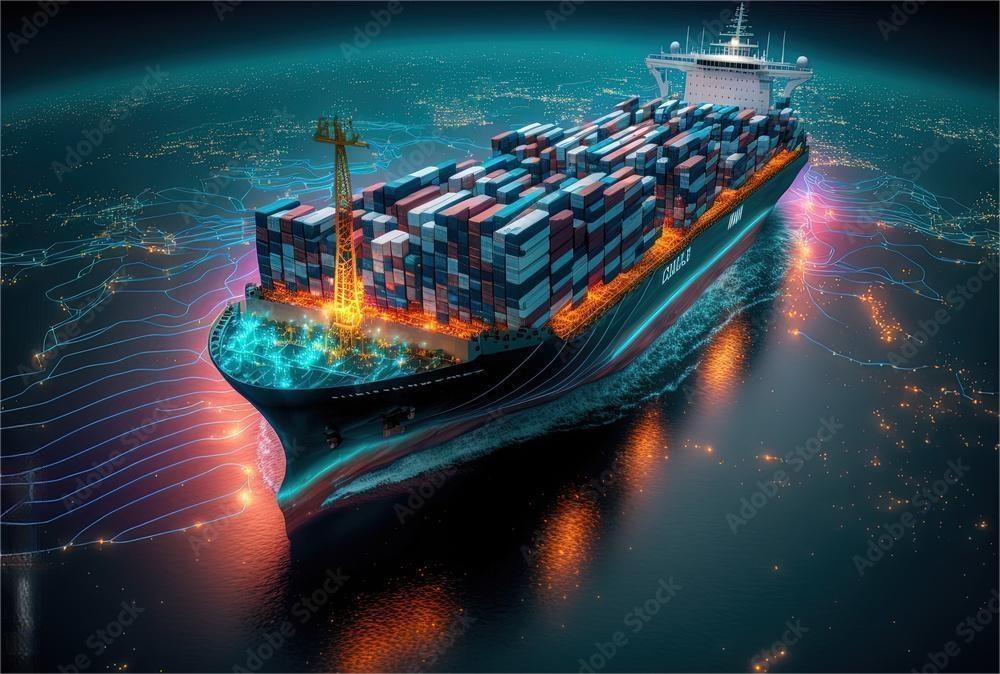
Selecting the right transportation mode is the first critical decision for any e-commerce seller. Most businesses utilize air freight when they need to restock high-demand items quickly. This method offers the fastest transit times, typically ranging from five to nine days depending on the specific airport connections.

Conversely, sea freight provides the most cost-effective solution for large-volume shipments. While it takes longer to arrive, the significant savings on shipping costs from china to saudi arabia often justify the wait for non-urgent inventory. Many sellers choose this option to maintain healthy profit margins on bulkier goods.
Express services represent another alternative for smaller, time-sensitive parcels. These couriers handle the entire process, making them ideal for initial product samples or very small batches. However, the higher per-kilogram rates usually make them less viable for sustained bulk replenishment.
| Shipping Method | Cost Range | Transit Time | Best For | Limitations |
|---|---|---|---|---|
| Air Freight | $4.50 – $9.00/kg | 5 – 9 Days | Urgent Restocks | Weight Limits |
| Sea Freight (LCL) | $180 – $280/CBM | 25 – 35 Days | Small Bulk | Slower Speed |
| Sea Freight (FCL) | $2,200 – $3,800 | 22 – 30 Days | Large Inventory | High Fixed Cost |
| Express Service | $6.00 – $12.00/kg | 3 – 5 Days | Samples | Very Expensive |
How Does Sea Freight Compare to Other Shipping Options?
Comparing sea freight to air freight reveals a massive disparity in both cost and speed. In the current 2026 market, sea freight remains the backbone of the Amazon FBA supply chain due to its scalability. Specifically, for shipments exceeding 500 kilograms, the cost difference becomes substantial enough to influence overall retail pricing.
Moreover, sea freight allows for the transportation of hazardous materials or oversized items that air carriers often reject. This flexibility is vital for sellers dealing with electronics containing batteries or large home furniture. Consequently, sea freight is not just a cheaper option but often the only feasible one for certain product categories.
Technological improvements in 2026 have also streamlined maritime logistics. Real-time tracking and improved port efficiency in Jeddah and Dammam have slightly reduced the traditional transit time to riyadh. Therefore, the gap between sea and air is narrowing in terms of reliability, if not pure speed.
Understanding Customs Clearance and Documentation in Saudi Arabia
Navigating the regulatory landscape is perhaps the most challenging aspect of amazon fba shipping china to saudi arabia. Saudi customs regulations 2026 require strict adherence to documentation standards, including detailed commercial invoices and certificates of origin. Failure to provide accurate paperwork often leads to expensive port storage fees and delivery delays.
Utilizing a professional customs brokerage service can mitigate these risks significantly. These experts understand the nuances of Saudi Arabian import duties and the Saber electronic platform requirements. Indeed, having a knowledgeable partner ensures that your cargo moves through the port of discharge without unnecessary inspections.
Documentation accuracy remains the primary factor in successful clearance. You must ensure that every HS code matches the product description perfectly to avoid fines. Furthermore, the Saudi Standards, Metrology and Quality Organization (SASO) standards must be met for all regulated consumer goods entering the Kingdom.
| Document Name | Purpose | Required For | Source |
|---|---|---|---|
| Commercial Invoice | Valuation of goods | All Shipments | Seller |
| Packing List | Inventory detail | All Shipments | Seller |
| Certificate of Origin | Verify manufacturing | All Shipments | Chamber of Commerce |
| SASO Certificate | Quality compliance | Regulated Goods | Testing Lab |
Which Option Should You Choose for Your FBA Inventory?
Determining the best logistics strategy depends heavily on your specific business goals and inventory turnover. If you prioritize speed to capture a trending market, air freight is the logical choice. However, if you aim for the lowest landed cost per unit, sea freight is almost always superior for bulk inventory logistics.
Many successful sellers now employ a hybrid approach to balance these factors. They might ship 20 percent of their stock via air to keep the listing active while the remaining 80 percent moves via sea. This strategy ensures constant availability without sacrificing the overall profit margin of the shipment.
Choosing a door to door service further simplifies the process for Amazon sellers. This comprehensive solution covers everything from the factory pickup in China to the final delivery at the Saudi FBA warehouse. Consequently, you can focus on marketing and sales while the logistics provider handles the heavy lifting.
Case Studies: Real-World Amazon FBA Shipping Scenarios
Case Study 1: Electronics Shipment to Riyadh
Route: Shenzhen, China to Riyadh, Saudi Arabia. Cargo: Consumer electronics, 2.5 CBM, 450 kg. Method: Sea Freight LCL. Carrier: Major carrier. Port of Loading: Shenzhen. Port of Discharge: Dammam. Route Type: Direct.
Cost Breakdown: Ocean Freight $450, Origin Charges $150, Destination Charges $200, Customs and Duties $350. Total Landed Cost: $1150. Timeline: Booking to Loading 3 days, Sea Transit 24 days, Customs Clearance 3 days, Total Door-to-Door 30 days.
Key Insight: Using accurate HS codes and pre-filing via the Saber platform prevented any customs delays. This shipment arrived exactly on schedule for the Q3 peak season.
Case Study 2: Apparel Inventory to Jeddah
Route: Guangzhou, China to Jeddah, Saudi Arabia. Cargo: Apparel and textiles, 65 CBM, 8000 kg. Container: 40HQ. Carrier: COSCO. Port of Loading: Guangzhou. Port of Discharge: Jeddah Islamic Port. Route Type: Direct.
Cost Breakdown: Ocean Freight $3400, Origin Charges $300, Destination Charges $450, Customs and Duties $1200. Total Landed Cost: $5350. Timeline: Booking to Loading 5 days, Sea Transit 21 days, Customs Clearance 4 days, Total Door-to-Door 30 days.
Key Insight: Choosing a direct route to Jeddah saved approximately eight days compared to transshipment options via Singapore. The seller maintained a 40 percent profit margin by utilizing FCL instead of LCL.
Cost-Saving Strategies for Shipping from China to Saudi Arabia
Reducing your logistics expenses requires careful planning and optimization of your packaging. Specifically, minimizing dead space in your boxes can lower your volumetric weight, which is crucial for air cargo rates jeddah. Many sellers overlook this simple step and end up paying for air that they are not using.
Consolidating shipments is another effective way to lower your overall costs. Instead of sending multiple small batches, try to group your inventory into a single large LCL or FCL shipment. Additionally, negotiating with your freight forwarder china to saudi during off-peak seasons can lead to significant discounts on base rates.
Note: Freight rates are subject to change based on fuel costs, carrier capacity, and seasonal demand. Contact us for a current quote tailored to your specific shipment.
Navigating the 2026 Logistics Landscape
As of early 2026, the shipping routes between China and the Middle East have stabilized significantly. According to industry benchmarks, port congestion in major Saudi hubs has decreased by 15 percent compared to previous years. This improvement allows for more predictable delivery schedules and better supply chain management.
Logistics trends suggest that digital integration is now the standard for international trade. Sellers who utilize automated platforms for documentation and tracking experience fewer errors and faster transit times. Meanwhile, the expansion of last mile delivery saudi networks ensures that once goods clear customs, they reach FBA centers within 48 hours.
Ultimately, staying informed about market shifts is vital for maintaining a competitive edge. Whether it is a change in fuel surcharges or new import regulations, being proactive allows you to adjust your strategy before costs spiral. Reliable data and a strong logistics partner are your best tools in this evolving market.
Final Thoughts on Shipping for Saudi Amazon Sellers
Mastering amazon fba shipping china to saudi arabia is a fundamental requirement for any serious e-commerce entrepreneur in 2026. By choosing the right shipping method and ensuring documentation accuracy, you can avoid the common pitfalls that hinder many businesses. Remember that sea freight offers the best value for bulk, while air freight provides the speed necessary for urgent inventory needs.
Successfully navigating the Saudi market involves constant optimization and a focus on landed costs. As logistics infrastructure continues to improve, the opportunities for growth in the Kingdom are vast. Partnering with a professional freight forwarder will ensure your goods arrive safely, on time, and within budget.
Start Your Shipment
Streamline your amazon fba shipping china to saudi arabia today with expert guidance and competitive rates. Our team provides end to end solutions tailored to your specific business needs. Visit Top China Freight now to request a personalized quote and optimize your 2026 supply chain strategy. Send Inquiry: https://Top China Freight.com/contact-us/
Request Quote