


Amazon FBA Shipping China to USA: The Ultimate 2025 Guide
Navigating the complexities of amazon fba shipping china to usa requires a strategic approach to logistics and supply chain management. For many sellers, partnering with a professional freight forwarder like Top China Freight is the first step toward ensuring timely deliveries and cost-effective operations. This guide will explore the various shipping methods, costs, and regulatory requirements essential for your success in the competitive American marketplace.
What are the Primary Methods for Amazon FBA Shipping China to USA?
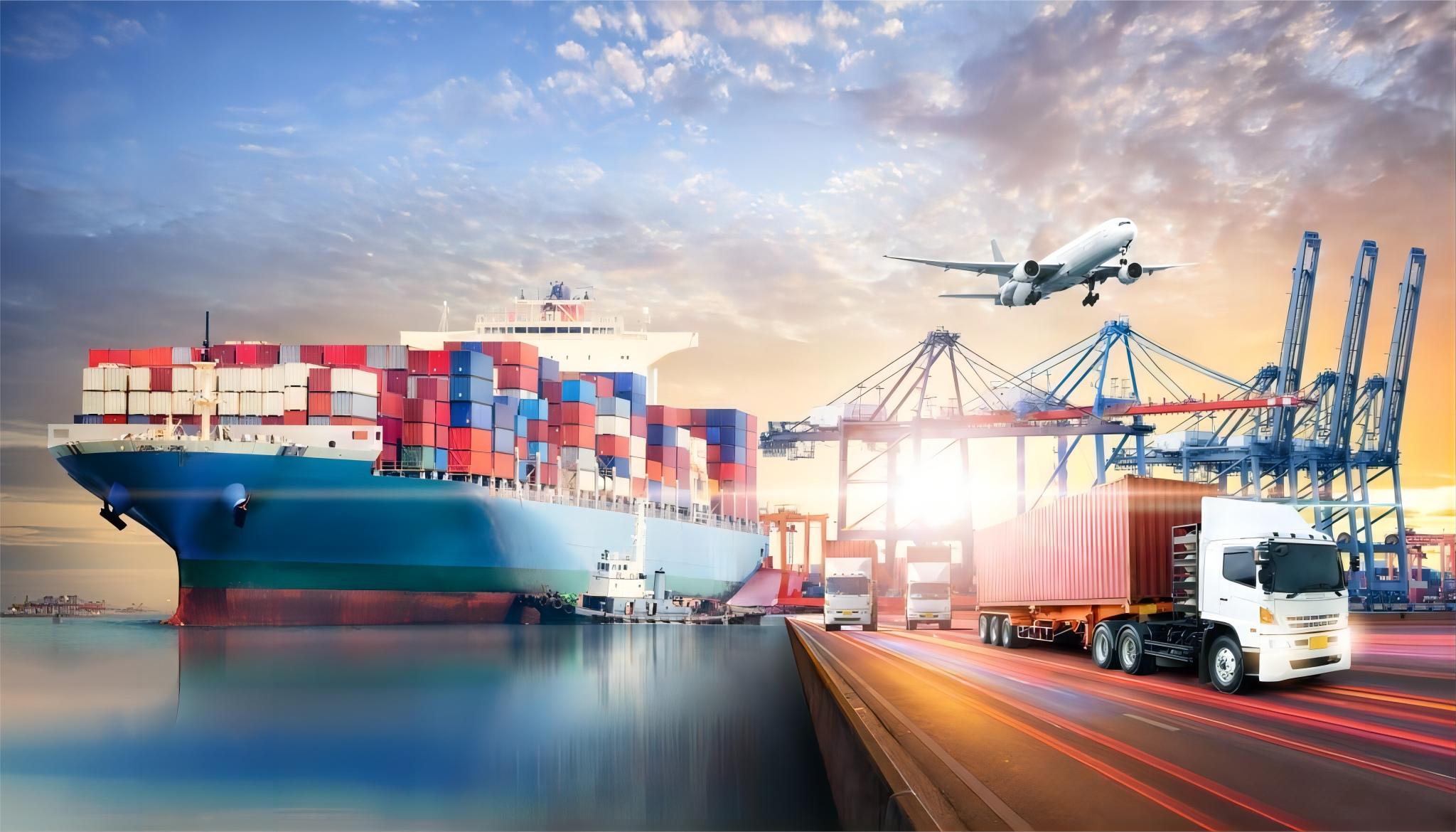
Choosing the right transportation mode is the most critical decision for your business. Most sellers utilize either air freight, sea freight, or express courier services depending on their specific needs. Consequently, understanding the trade-offs between speed and cost will determine your overall profit margins.

Air freight offers a balanced approach for high-value goods that require faster delivery than ocean transit. Meanwhile, express services like DHL or FedEx provide the fastest door-to-door solutions for smaller parcels. However, for large volumes of inventory, ocean shipping remains the most economical choice for long-term sustainability.
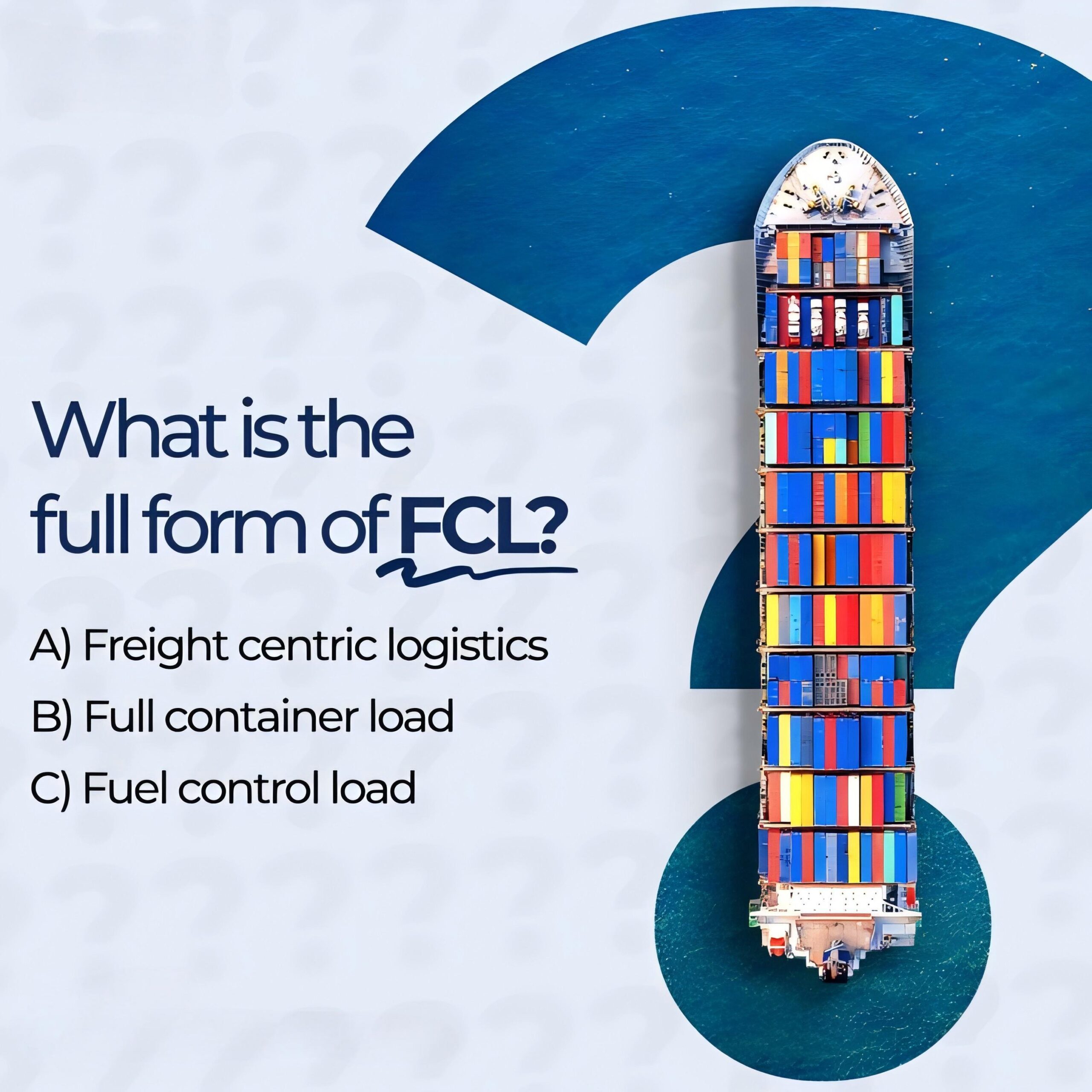
Selecting sea freight allows businesses to transport massive quantities of goods at a fraction of the cost of air transport. Furthermore, this method is ideal for heavy or bulky items that would be prohibitively expensive to ship by plane. Therefore, many established Amazon sellers rely on ocean containers for their primary stock replenishment.
How Does Sea Freight Compare to Other Shipping Options?
Evaluating the efficiency of ocean transport involves comparing it against faster but more expensive alternatives. While sea freight is significantly slower, the cost per unit is much lower for large shipments. Specifically, ocean freight becomes more viable as your shipment volume exceeds 2 cubic meters.
Alternative strategies often involve hybrid solutions to balance speed and budget. For instance, some sellers use air freight for initial product launches and switch to sea freight once demand stabilizes. Additionally, sea-air combinations can offer a middle ground in terms of both transit time and pricing.
Moreover, direct shipping routes are faster but typically cost 10 percent more than transshipment options. Nevertheless, avoiding transshipment ports like Singapore can reduce the risk of delays during peak seasons. Accordingly, businesses must weigh the value of time against the potential savings of longer routes.
| Shipping Method | Cost Range | Transit Time | Best For |
|---|---|---|---|
| Express Shipping | $6 – $9 per kg | 3 – 7 Days | Small/Urgent cargo |
| Air Freight | $4 – $7 per kg | 7 – 12 Days | High-value goods |
| Sea Freight (LCL) | $150 – $300 per CBM | 25 – 40 Days | Medium shipments |
| Sea Freight (FCL) | $3,000 – $5,500 per 40HQ | 18 – 35 Days | Large inventory |
Why is Air Freight Essential for Urgent Amazon FBA Shipments?
Utilizing air freight is often necessary when stock levels are low and inventory replenishment cannot wait. Indeed, the speed of air transport ensures that your Amazon listings remain active even during supply chain disruptions. Furthermore, air cargo handling is generally more secure for fragile electronics or luxury items.
Logistics trends suggest that air freight rates fluctuate significantly based on seasonal demand and fuel surcharges. Consequently, booking your space at least two weeks in advance is recommended to secure better rates. Additionally, choosing a reliable forwarder helps navigate the complexities of airport customs and terminal handling fees.
Despite the higher costs, the reduced transit time improves your cash flow cycle significantly. For example, getting products to market three weeks earlier can lead to faster reinvestment of profits. Thus, air freight remains a strategic tool for many successful Amazon entrepreneurs.
What are the Typical Costs for Amazon FBA Shipping China to USA?
Understanding the breakdown of freight rates is essential for accurate product pricing. Total landed costs include the base freight rate, fuel surcharges, terminal handling charges, and customs duties. In addition, you must account for the cost of trucking from the port to the Amazon fulfillment center.
Current market data from early 2025 indicates that rates have stabilized compared to the volatility seen in previous years. However, peak season surcharges during the fourth quarter can still increase costs by 20 to 30 percent. Therefore, planning your shipments outside of peak windows can lead to substantial savings.
Specifically, Full Container Load (FCL) shipments offer the best value for high-volume sellers. For instance, a 40HQ container from Shenzhen to Los Angeles currently ranges between $2,800 and $3,800. Note: Freight rates are subject to change based on fuel costs, carrier capacity, and seasonal demand. Contact us for a current quote tailored to your specific shipment.
| Route | 20GP Container | 40HQ Container | Est. Transit |
|---|---|---|---|
| China to USA West | $1,500 – $2,200 | $2,800 – $3,800 | 14 – 18 Days |
| China to USA East | $2,500 – $3,500 | $4,500 – $6,000 | 30 – 35 Days |
| China to USA Central | $2,200 – $3,000 | $3,800 – $5,200 | 25 – 30 Days |
How to Handle Customs Brokerage and Documentation?
Managing customs brokerage correctly is vital to avoid expensive delays at the border. Every shipment requires a commercial invoice, a packing list, and a bill of lading to clear U.S. Customs. Moreover, ensuring that your products are classified with the correct Harmonized System (HS) code is a legal requirement.
Incorrect documentation can lead to shipment seizures or heavy fines from Customs and Border Protection. Consequently, many sellers prefer to use a professional broker to handle the paperwork on their behalf. Additionally, you must ensure that your products comply with all safety and labeling regulations required by Amazon and the U.S. government.
Furthermore, paying the appropriate duties and taxes is a non-negotiable part of the import process. Indeed, some products may be subject to additional Section 301 tariffs depending on their origin and classification. Therefore, conducting a thorough duty analysis before shipping is a wise business practice.
| Document | Purpose | Required For | Provider |
|---|---|---|---|
| Commercial Invoice | Valuation of goods | Customs clearance | Supplier |
| Packing List | Details of contents | Inspection | Supplier |
| Bill of Lading | Title to the goods | Cargo release | Carrier |
| ISF (10+2) | Security filing | Ocean imports | Importer/Broker |
Which Option Should You Choose for Your Business?
Selecting the optimal shipping strategy depends on your budget, inventory volume, and delivery deadlines. If your priority is low cost and you have high volume, ocean freight is the clear winner. On the other hand, if you are launching a new product and need it live quickly, air freight is more suitable.
Volume thresholds often dictate when you should switch from LCL to FCL shipping. Generally, if your shipment exceeds 15 cubic meters, booking a full 20GP container becomes more economical than paying for individual space. Likewise, once you reach 25 cubic meters, a 40GP container offers even better economies of scale.
Cargo type considerations also play a significant role in your decision-making process. For example, perishable goods or high-tech components are better suited for air transit due to environmental control and speed. Conversely, durable consumer goods like furniture or home decor are perfectly fine for the longer sea voyage.
Real-World Case Studies of Amazon FBA Shipping
Case Study 1: High-Volume Electronics. Route: Shenzhen, China to Los Angeles, USA. Cargo: Consumer electronics, 65 CBM, 12,000 kg. Container: 40HQ. Shipping Details: Major carrier, direct route. Ocean Freight: $3,250. Origin/Destination Charges: $850. Customs and Duties: $4,200. Total Landed Cost: $8,300. Timeline: 18 days door-to-door. Key Insight: Using a direct route to the West Coast saved 12 days compared to East Coast discharge.
Case Study 2: Apparel Stock Replenishment. Route: Ningbo, China to Savannah, USA. Cargo: Clothing, 8 CBM, 1,500 kg. Container: LCL shipment. Shipping Details: Transshipment via Busan. Ocean Freight: $680. Origin/Destination Charges: $450. Customs and Duties: $1,200. Total Landed Cost: $2,330. Timeline: 38 days door-to-door. Key Insight: LCL was the most cost-effective method for this mid-sized shipment despite the longer transit time.
Case Study 3: Urgent Product Launch. Route: Shanghai, China to Chicago, USA. Cargo: Tech accessories, 2 CBM, 400 kg. Shipping Method: Air Freight. Shipping Details: Direct flight to O’Hare. Air Freight Cost: $2,800. Customs and Duties: $950. Total Landed Cost: $3,750. Timeline: 8 days door-to-door. Key Insight: Speed was prioritized over cost to meet a specific Amazon Prime Day marketing deadline.
How to Optimize Your Amazon FBA Logistics Strategy?
Improving your supply chain efficiency requires a comprehensive Amazon FBA logistics plan. Start by consolidating shipments from multiple suppliers into a single container to reduce fixed costs. Additionally, ensure that your packaging meets Amazon’s strict requirements to avoid extra processing fees at the warehouse.
Moreover, tracking your shipment in real-time allows you to update your inventory management software accurately. Consequently, you can adjust your marketing spend based on when new stock is expected to arrive. Furthermore, maintaining a buffer stock in a local warehouse can mitigate the impact of unexpected shipping delays.
Another effective strategy involves choosing a freight forwarder that offers comprehensive door to door services. This approach simplifies the process by having one point of contact manage the entire journey from the factory floor to the Amazon dock. Indeed, reducing the number of intermediaries minimizes the risk of communication errors.
Conclusion
Mastering amazon fba shipping china to usa is a vital component of building a profitable e-commerce business. By choosing the right shipping method, preparing accurate documentation, and planning for seasonal fluctuations, you can ensure a steady flow of inventory. Whether you prioritize the speed of air freight or the cost-efficiency of sea freight, a strategic partnership with a reliable freight forwarder is essential.
Successfully navigating the logistics landscape requires constant attention to market trends and regulatory changes. Consequently, staying informed and proactive will allow you to adapt to challenges and maintain a competitive edge. Start optimizing your Amazon FBA shipments today to achieve long-term growth and operational excellence.
Ready to streamline your logistics?
Streamline your supply chain today and reduce your overhead with our expert amazon fba shipping china to usa solutions. Contact us now to receive a personalized freight quote and optimize your delivery schedule. Send Inquiry
Request Quote