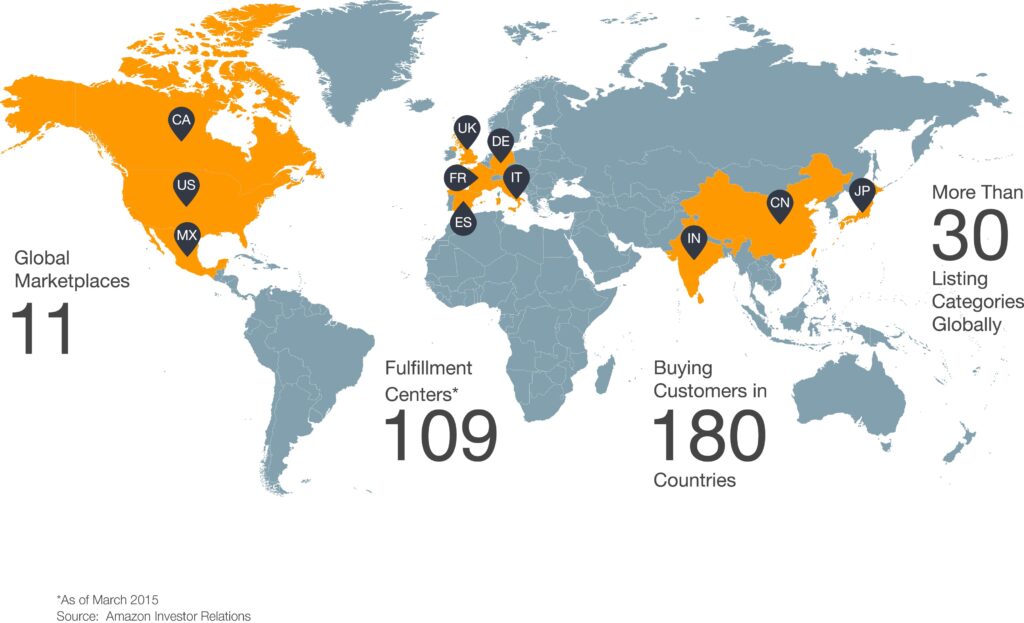
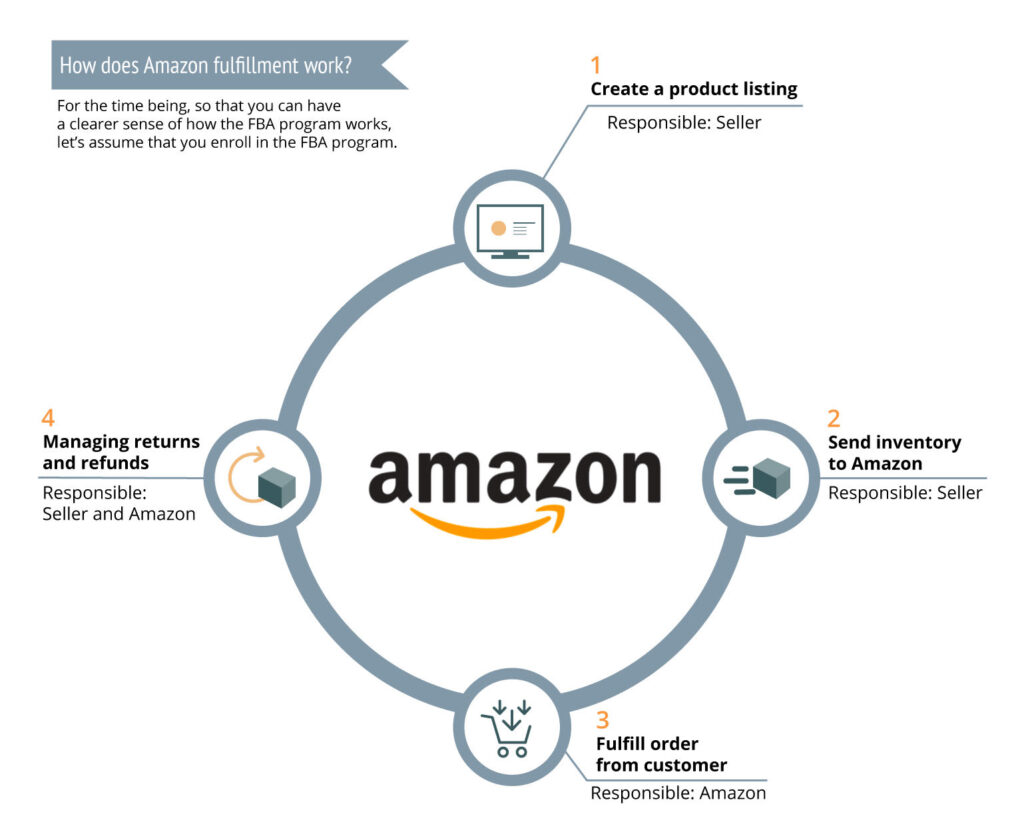
The Amazon fulfillment centers map refers to the visual representation of Amazon’s global warehouse and logistics network. Understanding this map helps sellers plan where to send inventory, reduce delivery times, and lower logistics costs. It’s an essential tool for anyone using Fulfillment by Amazon (FBA).
2. How Is Wharfage Fee Calculated?
Wharfage charges depend on several factors:
Type of cargo (containerized, bulk, liquid, etc.)
Weight or volume
Port tariff schedule
Import vs export
Duration of port stay
In most ports, these fees are predefined per ton or per container, and are often billed to the shipping line, freight forwarder, or directly to the importer/exporter.
3. Why Does Wharfage Matter?
Understanding wharfage meaning is essential because:
It affects total landed cost.
It helps you anticipate port charges.
It allows better negotiation with carriers or freight forwarders.
It helps avoid unexpected delays due to unpaid port access fees.
4. Wharfage vs. Terminal Handling Charges (THC)
While similar, wharfage is not the same as terminal handling charges. Here’s a quick comparison:
Fee Type
Covers
Charged By
Paid By
Wharfage
Access to wharf infrastructure
Port authority
Importer/Exporter
Terminal Handling (THC)
Movement within terminal (loading/unloading)
Terminal operator
Carrier or Freight Co.
5. Typical Shipping Times and Conditions with Wharfage Involved