


Auto Parts Air Freight from China: A Comprehensive Logistics Guide
Auto parts air freight from China represents the most efficient solution for businesses requiring rapid replenishment of critical automotive components. By partnering with a reliable forwarder like Top China Freight, importers can overcome the challenges of long transit times and complex supply chain disruptions. This specialized logistics method ensures that high-value engines, electronics, and emergency repair parts reach their destination with unmatched speed and security.

Why Choose Auto Parts Air Freight from China?
Speed remains the primary advantage when selecting air transport for your automotive inventory. While ocean routes take weeks, air shipments typically arrive within a few days, allowing businesses to maintain lean inventory levels. Consequently, companies can respond quickly to market demands without the burden of excessive warehousing costs.
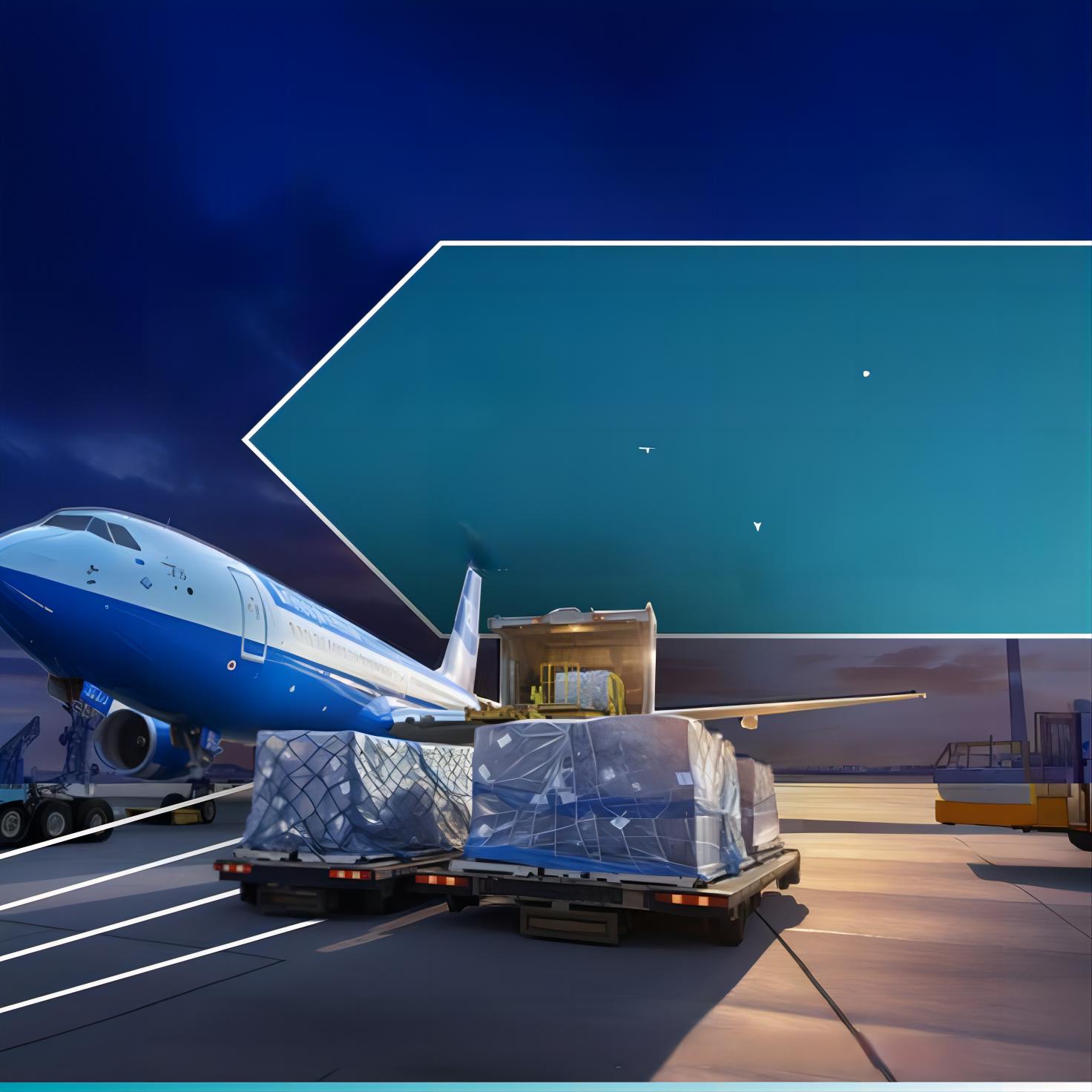
Security and handling quality are also significantly higher in air transport compared to other modes. Automotive components, particularly sensitive electronics and precision-engineered parts, require careful handling to prevent damage during transit. Therefore, air freight minimizes the risk of vibrations and moisture exposure that often plague long sea voyages.

Global accessibility ensures that your parts can reach even the most remote locations. Most major cities have international airports capable of receiving heavy cargo, which simplifies the final leg of the delivery process. In addition, the frequent flight schedules from Chinese hubs like Shanghai and Shenzhen provide unparalleled flexibility for urgent shipments.

How Does Auto Parts Air Freight from China Compare to Other Shipping Options?
Evaluating the best transport method requires a deep understanding of the trade-offs between cost and speed. While air freight is significantly faster, it carries a higher price tag per kilogram than traditional sea routes. However, for high-value items or time-sensitive repairs, the cost is often justified by the reduction in downtime.
Choosing sea freight is generally more economical for bulk shipments of heavy items like tires or body panels. Nevertheless, the extended transit time of 30 to 45 days can lead to lost sales if stockouts occur. Shippers must balance their budget against the urgency of the cargo to determine the most viable strategy.
Hybrid solutions like sea-air or rail-sea combinations offer a middle ground for those seeking moderate costs and transit times. These options are particularly useful when the destination is inland and direct air routes are unavailable or prohibitively expensive. Specifically, rail freight serves as a strong alternative for shipments heading toward Central Asia or Eastern Europe.
| Shipping Method | Cost Range | Transit Time | Best For |
|---|---|---|---|
| Air Freight | $4.50 – $9.00/kg | 3 – 7 Days | Urgent/High-Value Parts |
| Sea Freight (LCL) | $150 – $300/CBM | 30 – 45 Days | Bulk/Heavy Components |
| Express Service | $8.00 – $15.00/kg | 2 – 4 Days | Small Samples/Docs |
| Rail Freight | $2.50 – $4.00/kg | 15 – 22 Days | Mid-Weight/Europe Routes |
Key Factors Influencing Air Freight Costs for Automotive Parts
Weight and volume are the most critical determinants of your final shipping invoice. Airlines use a formula for chargeable weight, which compares the actual weight of the package against its volumetric weight. As a result, lightweight but bulky items like bumpers may cost more to ship than smaller, heavier engine blocks.
Fuel surcharges and seasonal demand fluctuations also play a major role in pricing trends. During peak seasons, such as the lead-up to the Lunar New Year, rates can increase by 20 percent or more due to limited carrier capacity. Shippers should plan their logistics well in advance to avoid these sudden price hikes.
Airport handling fees and local trucking costs contribute to the total landed cost of your goods. Each airport in China has different tariff structures, and the distance from the factory to the departure hub will affect the initial transport leg. Furthermore, specialized cargo handling for hazardous materials like lithium batteries requires additional certifications and fees.
Essential Customs Documents for Importing Auto Parts
Navigating the regulatory landscape requires precise documentation to avoid costly delays at the border. Working with a professional customs brokerage service ensures that all paperwork complies with both Chinese export laws and the destination country’s import rules. For instance, missing a Certificate of Origin can lead to the denial of preferential tariff rates.
Safety standards for automotive parts are strictly enforced by customs authorities worldwide. Many components require specific certifications, such as the DOT mark for the United States or E-mark for Europe, to prove they meet safety requirements. Consequently, importers must verify that their Chinese suppliers provide all necessary testing reports before the goods depart.
Accurate classification using Harmonized System (HS) codes is vital for determining the correct duty rates. Incorrect coding can result in heavy fines or even the seizure of the shipment by customs officials. To summarize, a well-prepared document package is the foundation of a successful international shipping operation.
| Document Name | Purpose | Required By | Key Detail |
|---|---|---|---|
| Commercial Invoice | Value Declaration | Customs | Must match packing list |
| Packing List | Cargo Details | Carrier/Customs | Shows weight and dims |
| Air Waybill (AWB) | Contract of Carriage | Airlines | Unique tracking number |
| Certificate of Origin | Proof of Source | Customs | Determines duty rates |
Which Option Should You Choose? Decision Framework
Determining the right shipping strategy depends on your specific business priorities and the nature of the cargo. If your priority is speed due to a production line stoppage, air freight is the only logical choice regardless of the higher cost. Conversely, if you are building up seasonal stock and can wait several weeks, sea freight offers significant savings.
Volume thresholds often dictate when it is time to switch from one method to another. For shipments under 100 kilograms, express service is often more cost-effective because it includes door-to-door delivery and simplified customs. However, once you exceed 300 to 500 kilograms, standard air freight usually provides better rates per unit.
Utilizing a door to door service simplifies the entire process by consolidating all costs into a single quote. This approach is ideal for small to medium businesses that do not have dedicated logistics departments. Indeed, having a single point of contact reduces the risk of communication errors between various service providers.
Case Study 1: Urgent Engine Components to North America
Route: Shanghai, China to Detroit, USA. Cargo: Aluminum Cylinder Heads, 4.2 CBM, 1,250 kg. Method: Standard Air Freight via major carrier. Shipping Details: Port of Loading: Shanghai Pudong (PVG), Port of Discharge: Detroit Metropolitan (DTW), Route Type: Direct.
Cost Breakdown: Air Freight: $7,850. Origin Charges: $450. Destination Charges: $620. Customs and Duties: $1,100. Total Landed Cost: $10,020. Timeline: Booking to Loading: 2 days. Air Transit: 1 day. Customs Clearance: 1 day. Total Door-to-Door: 4 days.
Key Insight: This shipment was critical for an assembly line. By using a direct flight to North America, the client avoided transshipment delays in hubs like Incheon or Tokyo. Rates were based on Q4 2024 market data.
Case Study 2: Electronic Sensors to Europe
Route: Shenzhen, China to Frankfurt, Germany. Cargo: Automotive PCB Sensors, 0.8 CBM, 150 kg. Method: Express Air Service. Shipping Details: Port of Loading: Shenzhen (SZX), Port of Discharge: Frankfurt (FRA), Route Type: Express Hub Network.
Cost Breakdown: Express Freight: $1,420. Origin Charges: Included. Destination Charges: Included. Customs and Duties: $280. Total Landed Cost: $1,700. Timeline: Booking to Loading: 1 day. Air Transit: 2 days. Customs Clearance: 1 day. Total Door-to-Door: 4 days.
Key Insight: For smaller, high-value electronics going to Europe, the all-in express rate proved more economical than standard air freight. This was due to the elimination of separate trucking and handling fees at both ends.
Transit Times for Global Destinations
Transit times vary significantly based on the chosen service level and the specific destination airport. Direct flights from major Chinese hubs to primary international airports offer the fastest turnaround times. On the other hand, shipments to secondary cities may require transshipment through a regional hub, adding 24 to 48 hours to the journey.
Peak season congestion can also impact the reliability of scheduled arrival times. During high-demand periods, cargo may be rolled over to subsequent flights if the plane reaches its weight limit. Therefore, it is essential to work with a forwarder that has blocked space agreements with major airlines to ensure priority loading.
Customs clearance times at the destination can be just as important as the actual flight time. In countries with efficient digital customs systems, clearance can happen in hours. In contrast, regions with more manual processes may take several days, which must be factored into the overall delivery schedule.
| Destination Region | Major Hubs | Air Transit | Door-to-Door |
|---|---|---|---|
| North America | LAX, ORD, JFK | 1 – 3 Days | 4 – 6 Days |
| Europe | LHR, FRA, CDG | 2 – 3 Days | 5 – 7 Days |
| Australia | SYD, MEL, BNE | 2 – 4 Days | 5 – 8 Days |
| Middle East | DXB, AUH, DOH | 2 – 3 Days | 4 – 7 Days |
Alternative Strategies for Cost-Saving
Reducing logistics expenses without sacrificing too much speed is possible through strategic planning. One effective method is consolidating multiple small orders from different suppliers into a single air shipment. This allows you to take advantage of better weight brackets and reduces the fixed costs associated with documentation.
Deferred air freight services offer a lower price point for shipments that are not strictly time-critical. These services utilize space on passenger planes or less direct cargo routes. While the transit time may increase to 7 or 10 days, the savings can be as high as 30 percent compared to premium direct services.
Monitoring market trends and fuel surcharges allows you to time your shipments for maximum savings. Rates typically soften during the middle of the month when demand is lower. Additionally, choosing airports with less congestion can often lead to lower handling fees and faster processing times.
Mastering Your Automotive Logistics
Successfully managing auto parts air freight from China requires a balance of speed, cost, and regulatory compliance. By understanding the factors that influence pricing and transit times, businesses can make informed decisions that support their growth. Whether you are shipping urgent repair components or high-value electronics, the right logistics partner is essential.
In conclusion, prioritizing air transport for critical items ensures that your operations remain resilient in a volatile global market. As industry trends continue to evolve, staying adaptable and utilizing diverse shipping methods will provide a competitive edge. Note: Freight rates are subject to change based on fuel costs, carrier capacity, and seasonal demand. Contact us for a current quote tailored to your specific shipment.
Ready to streamline your logistics?
Streamline your supply chain today with professional auto parts air freight from China solutions. Contact our expert team at Top China Freight to receive a customized quote and experience seamless international logistics. Send Inquiry: Top China Freight.com/contact/
Request Quote