


Medical Equipment Freight China to UK: 2025 Shipping Guide | Top Options: 1. Medical Equipment Freight China to UK: Expe
Shipping life-saving devices requires a logistics partner that understands the delicate nature of healthcare supply chains. Top China Freight provides specialized solutions to ensure your cargo arrives on time and in perfect condition. Navigating the complexities of medical equipment freight China to UK involves understanding strict regulations, choosing the right transport mode, and managing costs effectively. This comprehensive guide will help you streamline your international shipping process while maintaining compliance with all UK healthcare standards.

Why is medical equipment freight from China to the UK so critical?
Healthcare providers in the United Kingdom rely heavily on high-quality medical devices manufactured in China. Consequently, the efficiency of medical equipment freight China to UK directly impacts patient care and hospital operations across the country. Furthermore, these shipments often include sensitive electronics or sterile supplies that require specific environmental controls during transit.
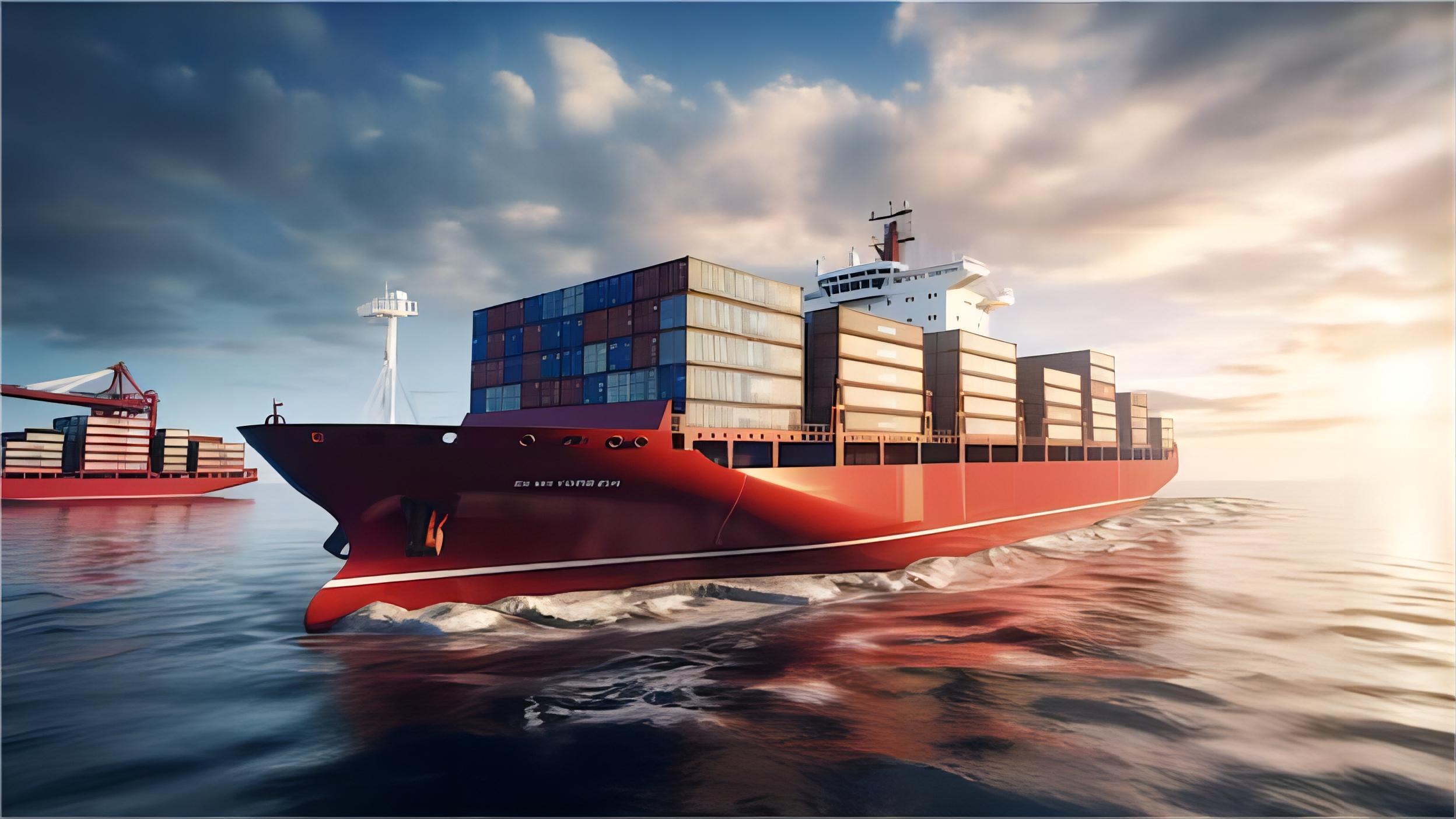
Recent market trends show a significant increase in the demand for diagnostic imaging tools and laboratory equipment. Therefore, logistics providers must offer robust tracking and specialized handling to prevent any damage to these expensive assets. Most importers prioritize reliability over the lowest price to avoid costly delays in the clinical supply chain.
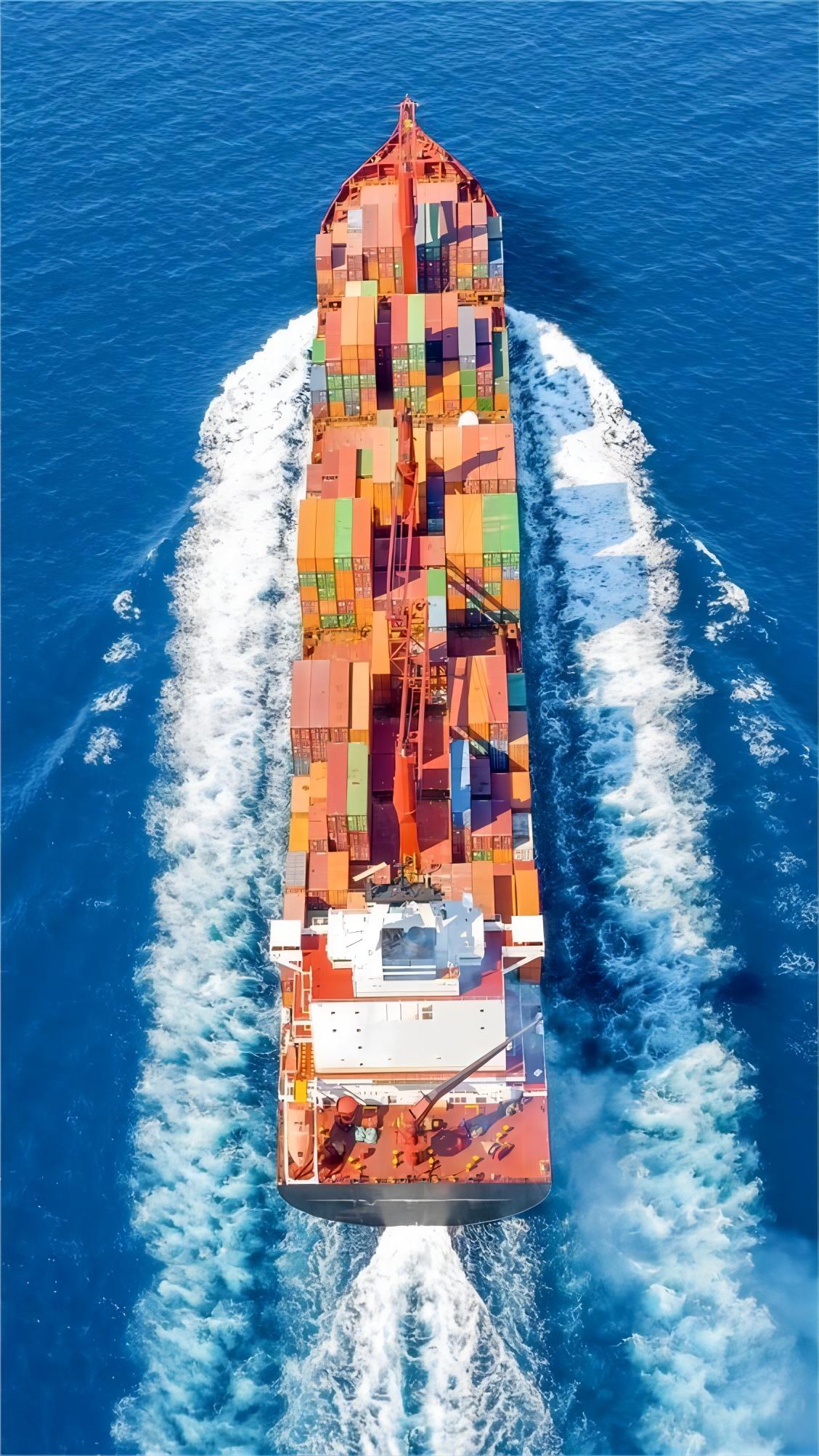
Maintaining a steady flow of medical goods ensures that the NHS and private clinics can meet their service obligations. Indeed, the transition from production in China to delivery in the UK must be seamless and fully documented for regulatory purposes.
What are the main shipping methods for medical supplies?
Choosing the right transportation mode depends on your budget, the urgency of the shipment, and the nature of the cargo. For instance, high-value surgical robots often travel via air freight to minimize time spent in transit and reduce the risk of vibration damage. On the other hand, bulk items like hospital beds or PPE are more suited for sea freight to keep costs manageable.
Rail freight has also emerged as a viable middle ground for shipments originating in northern China. Meanwhile, express services provide the fastest possible door-to-door delivery for small, urgent components or replacement parts. Each method has distinct advantages that you must weigh against your specific project requirements.
| Method | Transit Time | Cost Level | Best For |
|---|---|---|---|
| Air Freight | 3 to 7 Days | High | Urgent or High-Value |
| Sea Freight | 30 to 45 Days | Low | Bulk and Large Volume |
| Rail Freight | 18 to 22 Days | Medium | Heavy Mid-range Goods |
| Express | 2 to 4 Days | Very High | Small Critical Parts |
How do UK customs and MHRA regulations affect your shipment?
Importing medical devices into the UK requires strict adherence to the Medicines and Healthcare products Regulatory Agency (MHRA) guidelines. Specifically, all devices must be registered with the MHRA before they can be placed on the market. Additionally, the UKCA (UK Conformity Assessed) marking is now mandatory for most medical products sold in Great Britain.
Working with an experienced customs brokerage service is essential to navigate these legal hurdles. Moreover, you must ensure that your Chinese supplier provides all necessary documentation, including the Declaration of Conformity and technical files. Failure to provide these documents will result in significant delays at the port of entry.
Customs officials in the UK are particularly diligent when inspecting medical cargo to ensure public safety. Therefore, accurate labeling and classification using the correct HS codes are non-negotiable requirements for successful clearance.
How Does Air Freight Compare to Other Shipping Options?
Evaluating the different logistics strategies is crucial for optimizing your medical equipment freight China to UK. While air freight offers the highest speed, the cost per kilogram is significantly higher than ocean transport. For example, shipping a 500kg medical laser via air might cost $3,500, whereas sea freight for the same item might only be $600.
However, air freight reduces the need for extensive inventory storage and lowers insurance premiums due to shorter exposure to risks. In contrast, sea freight requires careful planning to account for the month-long journey across the ocean. Hybrid solutions, such as sea-air via Dubai, can sometimes offer a balance of speed and economy for non-urgent medical supplies.
| Shipping Method | Cost Range (per kg) | Transit Time | Limitations |
|---|---|---|---|
| Air Freight | $5.00 to $9.00 | 5 to 7 days | Weight limits |
| Sea Freight (LCL) | $0.20 to $0.50 | 35 to 40 days | Slow transit |
| Rail Freight | $1.50 to $2.50 | 20 to 25 days | Fixed routes |
| Sea-Air Hybrid | $2.50 to $4.00 | 15 to 18 days | Complex handling |
What is the typical transit time for medical equipment?
Transit times vary significantly based on the port of loading in China and the final destination in the UK. Generally, shipments from Shenzhen or Guangzhou arrive slightly faster at UK ports like Felixstowe or Southampton than those from northern ports like Tianjin. Furthermore, port congestion and seasonal peaks can add several days to the standard schedule.
Inland transport within the UK also plays a role in the total door-to-door timeline. Consequently, utilizing a door to door service can simplify the process by coordinating the final mile delivery directly to the hospital or warehouse. You should always build a buffer of 5 to 7 days into your supply chain planning to account for unforeseen delays.
| Origin Port | UK Destination | Sea Transit | Air Transit |
|---|---|---|---|
| Shanghai | Felixstowe | 32 Days | 4 Days |
| Shenzhen | Southampton | 28 Days | 3 Days |
| Ningbo | London Gateway | 34 Days | 5 Days |
| Qingdao | Liverpool | 38 Days | 6 Days |
Case Study 1: Shipping High-Precision MRI Machines
Case Study 01: MRI Equipment Logistics. Route: Shanghai, China to London, UK. Cargo: MRI scanner and components, 18 CBM, 4,500 kg. Container: 40HQ High Cube. Shipping Details: Carrier: Maersk. Port of Loading: Shanghai. Port of Discharge: Felixstowe. Route Type: Direct. Cost Breakdown: Ocean Freight: $3,850. Origin Charges: $450. Destination Charges: $600. Customs and Duties: $1,200. Total Landed Cost: $6,100. Timeline: Booking to Loading: 5 days. Sea Transit: 33 days. Customs Clearance: 2 days. Total Door-to-Door: 42 days. Key Insight: Using a 40HQ container allowed for extra protective padding and shock sensors, ensuring the sensitive magnets remained calibrated throughout the voyage.
Based on Q4 2024 market rates, this shipment utilized specialized bracing to prevent movement. Because the cargo was high-value, the importer opted for comprehensive marine insurance, which added a small but necessary cost to the total budget.
Case Study 2: Urgent PPE Air Freight During Peak Season
Case Study 02: Emergency Medical Supplies. Route: Shenzhen, China to Manchester, UK. Cargo: Medical grade masks and gowns, 12 CBM, 2,200 kg. Shipping Method: Air Freight. Shipping Details: Carrier: Cathay Pacific. Port of Loading: Shenzhen. Port of Discharge: Manchester Airport. Route Type: Direct. Cost Breakdown: Air Freight: $14,300. Origin Charges: $300. Destination Charges: $500. Customs and Duties: $800. Total Landed Cost: $15,900. Timeline: Booking to Loading: 2 days. Air Transit: 1 day. Customs Clearance: 1 day. Total Door-to-Door: 5 days. Key Insight: Despite the higher cost, air freight was necessary to meet a critical hospital contract deadline during a period of high demand in early 2025.
Typical rates as of early 2025 suggest that air freight remains the only viable option for restocking life-critical supplies on short notice. Furthermore, the use of a professional logistics partner ensured that all MHRA documentation was pre-cleared, preventing any airport storage fees.
What documents are required for medical imports into the UK?
Documentation is the most common cause of delay in medical equipment freight China to UK. Every shipment must include a detailed Commercial Invoice, a Packing List, and a Bill of Lading or Air Waybill. Additionally, for medical devices, you must provide a Certificate of Analysis or a Certificate of Conformity to prove the goods meet UK standards.
Importers must also have an EORI number (Economic Operator Registration and Identification) to trade with the UK. Moreover, if the equipment contains batteries or hazardous chemicals, a Material Safety Data Sheet (MSDS) is required for transport safety. Without a doubt, verifying these documents before the cargo leaves China is the best way to ensure a smooth transition through customs.
Which Option Should You Choose for Your Medical Cargo?
Determining the best logistics path requires a clear understanding of your priorities. If your primary goal is budget optimization and you have a long lead time, sea freight is the logical choice for large volumes. Conversely, if you are dealing with fragile, high-value diagnostic tools, air freight provides the security and speed required to protect your investment.
Volume thresholds also influence the decision; for example, shipments under 2 CBM are often more economical via air or LCL (Less than Container Load) sea freight. For mid-sized shipments that are not time-critical, rail freight offers a sustainable and cost-effective alternative. Always consult with your freight forwarder to evaluate the current market rates and capacity before making a final decision.
Note: Freight rates are subject to change based on fuel costs, carrier capacity, and seasonal demand. Contact us for a current quote tailored to your specific shipment.
Final Thoughts on Shipping Medical Equipment to the UK
To summarize, successful medical equipment freight China to UK depends on a combination of strategic planning, regulatory compliance, and choosing the right transport mode. Whether you opt for the speed of air freight or the cost-efficiency of sea freight, understanding the nuances of UK customs is essential.
By following the guidelines in this article and partnering with an experienced logistics provider, you can overcome the challenges of international shipping. Maintaining a reliable flow of medical devices ensures that the UK healthcare system remains robust and responsive to patient needs.
Ready to streamline your logistics?
Managing medical equipment freight China to UK requires a partner with deep industry expertise and a commitment to excellence. Contact Top China Freight today to receive a customized quote and ensure your medical supplies are handled with the care they deserve. Visit our website to start your inquiry and secure your supply chain for 2025. Send Inquiry.
Request Quote