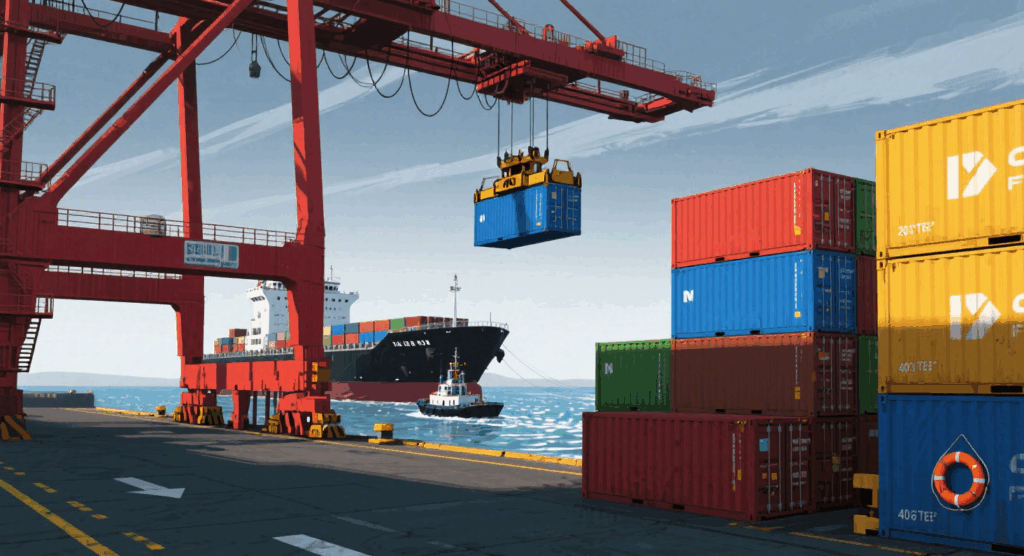
Berth shipping refers to the process of docking a vessel at a designated space (berth) in a port where it can be safely loaded, unloaded, or serviced. It plays a vital role in maritime logistics and port operations, impacting cost, efficiency, and vessel turnaround time.
2.Types of Berths
Berths vary based on vessel type, cargo, and port infrastructure:
Type of Berth
Used For
Key Features
Container Berth
Shipping containers
Gantry cranes, stacking yards
Bulk Cargo Berth
Grains, coal, ores
Conveyor belts, hoppers
Liquid Cargo Berth
Oil, gas, chemicals
Pipelines, loading arms, spill systems
Ro‑Ro Berth
Vehicles, trailers
Ramps, roll-on/roll-off platforms
Passenger Berth
Ferries, cruise ships
Gangways, customs facilities
Multi-purpose Berth
Mixed cargo types
Mobile cranes, forklifts
3.How Berth Scheduling Works
Berth scheduling is critical to port efficiency. It includes:
ETA Submission: Ship owners notify ports of arrival times.
Berth Allocation: Ports assign berths based on availability, cargo type, and ship specs.
Dynamic Adjustments: Weather, delays, or congestion may cause reassignments.
Real-Time Monitoring: AIS and port systems track arrivals, dockings, and departures.
4.Berthing Charges & Costs
Berthing comes with several standard charges:
Berth Occupancy Fee – Charged per hour or day based on vessel size.
Wharfage – Cost for moving cargo across the quay.
Mooring/Unmooring Fees – Charged for line handling and securing the vessel.
Pilotage & Tug Charges – Required for large vessels or congested ports.
Port Dues – General infrastructure usage fee.
Cost structures may vary by port and contract terms.
A vessel carrying grain to Rotterdam misses its allocated berth due to fog. As a result:
Demurrage fees are charged for delays beyond allowed time.
Downstream rail and trucking schedules collapse.
The buyer faces production delays waiting for raw materials.
Efficient berth scheduling could have mitigated this domino effect.
7.Best Practices for Berth Shipping
Use berth planning software to optimize schedules.
Set clear communication protocols between ship, agent, and port.
Pre-arrange berthing windows during peak seasons.
Understand local berth restrictions (tide, draft, cargo limits).
Conduct post-berthing reviews to improve future planning.
8.Summary: Why Berth Shipping Matters
Berth shipping is much more than a docking process. It affects port throughput, cargo timelines, vessel schedules, and overall logistics performance. Whether you’re a shipper, freight forwarder, or port operator, understanding berth shipping gives you a competitive edge in global trade.
Request a Quote
Need a tailored solution for your shipping from China? LetTJ China Freight Forwarder assist you with reliable, cost-effective service.