

Best Door to Door Delivery from China to UK: Complete 2025 Guide
Finding the best door to door delivery from China to UK is a critical step for businesses aiming to maintain a competitive edge in the global market. Navigating the complexities of international logistics often involves managing multiple carriers, customs documentation, and local transport networks. However, a comprehensive door to door solution simplifies this process by providing a single point of contact from the factory floor in China to your warehouse in the United Kingdom.
How Does Door to Door Compare to Other Shipping Options?
Choosing the right shipping method depends heavily on your budget, cargo volume, and required delivery schedule. While many importers consider port-to-port services, the best door to door delivery from China to UK offers unparalleled convenience by handling every leg of the journey. Consequently, you avoid the hidden costs and logistical headaches of coordinating independent haulage at both the origin and destination.
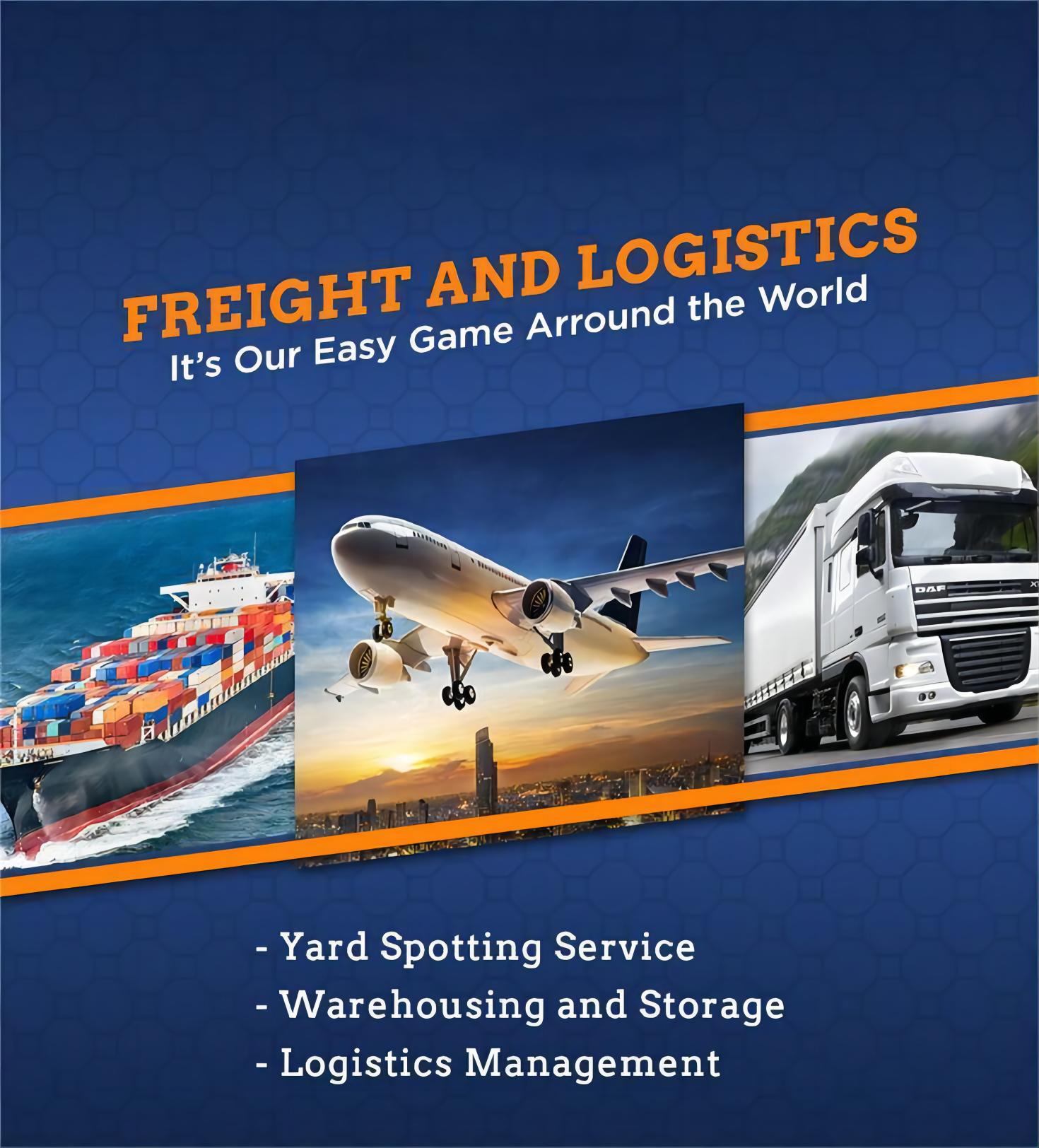
Moreover, comparing different modes of transport is essential to determine the most cost-effective strategy for your specific needs. For instance, large volume shipments are typically best suited for sea freight due to the lower cost per cubic meter. Meanwhile, urgent consignments may require faster alternatives despite the higher price point.
Below is a comprehensive comparison of available shipping methods for the China to UK route.
| Shipping Method | Cost Range | Transit Time | Best For |
|---|---|---|---|
| Sea Freight (FCL) | $3,000 – $4,500 per 40HQ | 30 – 40 Days | Bulk goods and large inventory |
| Air Freight | $5.50 – $9.00 per kg | 5 – 8 Days | High-value or urgent items |
| Express Service | $8.00 – $12.00 per kg | 3 – 5 Days | Small parcels and samples |
| Rail Freight | $150 – $250 per CBM | 18 – 25 Days | Mid-range volume and budget |
What Factors Influence the Best Door to Door Delivery from China to UK?
Several variables determine the efficiency and cost of your shipping route. Firstly, the geographic location of your supplier in China plays a major role in inland transit costs. For example, shipping from inland provinces like Sichuan will naturally incur higher trucking fees compared to coastal hubs like Shenzhen or Ningbo.
Secondly, the seasonal demand significantly impacts freight rates and vessel availability. During the peak season from August to October, prices often surge by 15 percent to 25 percent as retailers prepare for the holiday period. Indeed, booking your shipment at least 3 to 4 weeks in advance is highly recommended to secure space and avoid premium surcharges.
Additionally, the complexity of customs brokerage cannot be overlooked. Ensuring that all HS codes are accurate and that your EORI number is valid will prevent costly delays at Felixstowe or Southampton. Without a doubt, working with an experienced freight forwarder helps mitigate these risks effectively.
Sea vs Air Freight: Which Method Should You Choose?
Deciding between sea and air transport is often a trade-off between speed and expenditure. If you are shipping more than 15 CBM, sea freight is almost always the most economical choice. On the other hand, for shipments under 100kg, using an express service is frequently more efficient than ocean transport due to the minimal handling fees.
Furthermore, rail freight has emerged as a viable middle ground for those importing to the UK via European hubs. Although the UK is an island, cargo can be moved by rail to terminals in Germany or Poland before being trucked across the channel. This hybrid approach offers a faster transit than sea freight at a fraction of the cost of air transport.
To summarize, your choice should align with your inventory turnover requirements. If your supply chain can handle a 40-day lead time, the savings from ocean freight can significantly improve your profit margins. Conversely, if you are launching a new product with high demand, air freight provides the agility needed to restock quickly.
Real Case Studies: Successful Deliveries to the UK
Understanding how these services work in practice can help you visualize the logistics process. Below are three realistic scenarios based on market data from late 2024 and early 2025.
Case Study 1: Electronics from Shenzhen to London Route: Shenzhen, China to London, UK Cargo: Consumer Electronics, 2 CBM, 450 kg Method: Air Freight Door to Door Ocean Freight: N/A Origin Charges: $150 Destination Charges: $200 Customs and Duties: $1,200 Total Landed Cost: $4,850 Transit Time: 7 Days Key Insight: Using air freight allowed the client to meet a product launch deadline despite manufacturing delays.
Case Study 2: Furniture from Ningbo to Manchester Route: Ningbo, China to Manchester, UK Cargo: Home Furniture, 28 CBM Container: 40GP Method: Sea Freight Door to Door Ocean Freight: $3,600 Origin Charges: $350 Destination Charges: $500 Customs and Duties: $2,100 Total Landed Cost: $6,550 Transit Time: 38 Days Key Insight: FCL shipping provided the lowest cost per unit for this bulky cargo.
Case Study 3: Fashion Apparel from Shanghai to Birmingham Route: Shanghai, China to Birmingham, UK Cargo: Seasonal Clothing, 5 CBM, 800 kg Method: Rail Freight (Transshipment via Poland) Total Landed Cost: $2,400 Transit Time: 22 Days Key Insight: Rail freight offered a 15-day time saving over sea freight with only a marginal increase in cost.
Alternative Strategies for Cost-Saving
Implementing a few strategic changes can lead to significant savings on your logistics bill. One effective method is cargo consolidation, where multiple small orders from different suppliers are combined into a single shipment. Consequently, you benefit from the lower rates associated with larger volumes while reducing destination handling fees.
Another approach is to optimize your packaging to reduce volumetric weight. Since air freight carriers charge based on either actual weight or volumetric weight, minimizing empty space in your boxes can lower your costs by 10 percent or more. Additionally, consider shipping to less congested ports if your final destination allows for flexible trucking routes.
Finally, always request a DDP (Delivered Duty Paid) quote if you want to avoid the complexity of managing UK VAT and import duties yourself. This ensures that the price you see is the final price you pay, providing better budget certainty for your business operations.
The Decision Framework: Which Option Should You Choose?
To select the best door to door delivery from China to UK, evaluate your priorities using the following criteria. If budget is your primary concern and you have high-volume goods, sea freight is the clear winner. However, if your cargo is perishable or high-value, air freight is the safer and faster choice.
For those looking for a balance, rail freight serves as an excellent alternative. It is particularly effective for electronics and automotive parts that require faster delivery than sea but cannot justify the expense of air. Always consider the total landed cost rather than just the freight rate to get an accurate picture of your expenses.
Final Thoughts on UK Door to Door Logistics
In conclusion, finding the best door to door delivery from China to UK requires a clear understanding of your shipping needs and the various methods available. By weighing the pros and cons of sea, air, and rail freight, you can build a resilient supply chain that supports your business growth.
Reliability and transparency are the hallmarks of a great logistics partner. Whether you are a small startup or an established enterprise, choosing a provider that offers comprehensive tracking and expert customs support will ensure your goods move across borders without unnecessary delays.
Ready to streamline your logistics?
Are you ready to streamline your imports? Contact our team today to secure the best door to door delivery from China to UK and receive a customized quote for your next shipment. Send Inquiry link: Visit https://Top China Freight.com/contact-us/
Request Quote