

Fast Door to Door Delivery from China to Australia: The 2025 Shipping Guide
Logistics efficiency remains the cornerstone of successful international trade between Asian manufacturing hubs and the Australian market. If you are searching for fast door to door delivery from China to Australia, navigating the complexities of freight forwarding is essential for maintaining a competitive edge. This comprehensive guide provides actionable insights into streamlining your supply chain while ensuring your cargo arrives safely and on schedule.
What Defines Fast Door to Door Delivery from China to Australia?
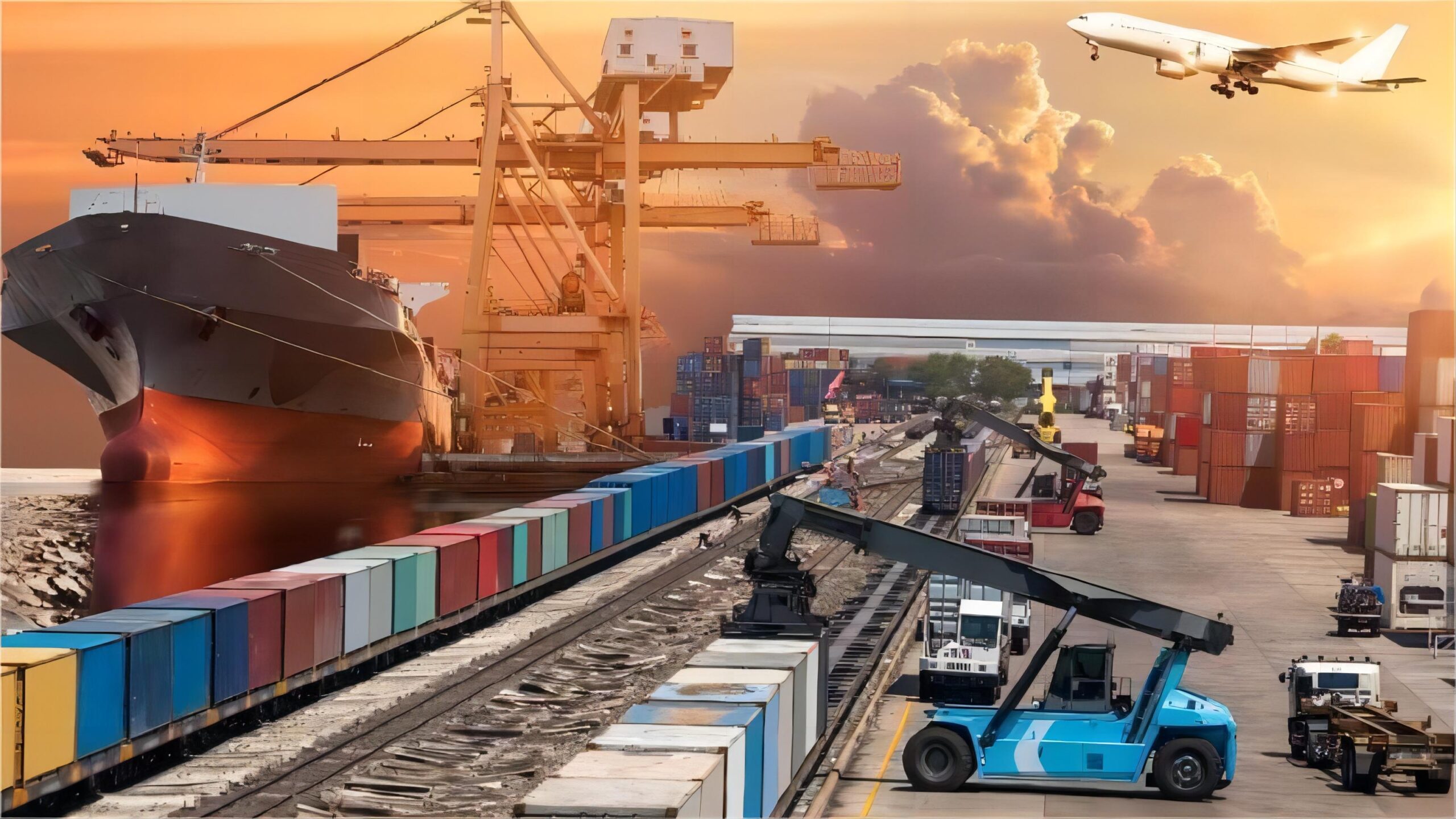
Door to door service simplifies the entire logistics chain by handling every stage from the supplier warehouse in China to the final destination in Australia. This comprehensive solution includes pickup, international transit, customs clearance, and final mile delivery.
Moreover, choosing this method eliminates the need for importers to manage multiple logistics providers or handle complex port documentation themselves. Consequently, businesses can focus on their core operations while experts manage the freight movement.
Speed is often the primary driver for selecting these services, especially for high-value or time-sensitive inventory. Indeed, the integration of all steps into a single workflow significantly reduces the risk of delays at transshipment points.
Additionally, a streamlined process ensures that communication remains clear between the shipper and the recipient. Therefore, you receive real-time updates without having to contact different agents for each leg of the journey.
Why Should You Choose Door to Door Shipping for Australian Imports?
Selecting a professional door to door service provides unparalleled convenience for both small businesses and large enterprises. This model provides a fixed price structure that often includes most handling fees and local charges.
Furthermore, the reduction in manual touchpoints minimizes the likelihood of cargo damage during transit. When a single provider oversees the entire process, accountability is much higher compared to fragmented shipping arrangements.
In addition, utilizing an express service can further accelerate the delivery timeline for urgent shipments. Such services prioritize your cargo through customs and utilize the fastest available flight paths.
Without a doubt, the peace of mind provided by a managed logistics solution is invaluable for maintaining customer satisfaction in Australia. As a result, your business builds a reputation for reliability and promptness.
How Does Fast Delivery Compare to Other Shipping Options?
Understanding the trade-offs between different logistics strategies is crucial for optimizing your shipping budget. While direct air freight is the fastest, sea freight offers significant cost savings for bulkier items.
Specifically, air freight might take 3 to 7 days, whereas sea freight typically requires 12 to 25 days depending on the specific Australian port. On the other hand, traditional port-to-port shipping requires you to arrange your own local transport, which often adds hidden costs and time.
Meanwhile, hybrid solutions like sea-air combinations are less common for the China-Australia route but can be explored for specific cost-saving scenarios. However, the geographic proximity of Australia to China usually makes direct sea or air the most logical choices.
To illustrate the differences, consider the following comparison of the primary shipping methods available for this specific trade lane.
| Shipping Method | Cost Range | Transit Time | Best For | Limitations |
|---|---|---|---|---|
| Air Express | High ($5-$10/kg) | 3-5 Days | Small, urgent parcels | Very expensive for bulk |
| Air Freight | Medium-High ($3-$6/kg) | 5-8 Days | High-value electronics | Weight/Size restrictions |
| Sea Freight (LCL) | Low ($80-$150/CBM) | 18-25 Days | Medium shipments | Shared container risks |
| Sea Freight (FCL) | Very Low ($800-$1800/Cont) | 12-18 Days | Large inventory | Requires full container |
Which Option Should You Choose for Your Business?
Determining the right method depends largely on your budget, cargo volume, and required delivery date. If you are shipping seasonal goods that must hit shelves immediately, air freight is the only viable path.
Alternatively, if you are managing a steady supply chain for furniture or construction materials, sea freight provides the necessary scale at a fraction of the cost. For shipments under 100kg, express couriers often provide the most competitive door-to-door rates.
Nevertheless, for shipments between 100kg and 500kg, traditional air freight usually becomes more economical than express services. In contrast, once your volume exceeds 1 or 2 cubic meters, sea freight LCL becomes the logical choice for cost efficiency.
Consequently, we recommend performing a total landed cost analysis before finalizing your shipping method. This analysis should include all duties, taxes, and local delivery fees to ensure an accurate comparison.
Navigating Customs Brokerage and Compliance in Australia
Australia has strict biosecurity and customs regulations that can cause significant delays if not managed correctly. Utilizing a professional customs brokerage service ensures that all paperwork is compliant with Australian Border Force requirements.
Moreover, certain goods require specific permits or treatments, such as timber products needing fumigation certificates. Failure to provide these documents can result in expensive storage fees or even the destruction of the cargo.
Indeed, the Goods and Services Tax (GST) and various import duties must be calculated accurately to avoid financial penalties. Professional brokers handle these calculations and ensure that you pay the correct amount to the authorities.
Therefore, having a partner who understands the nuances of shipping from China to Australia is essential for a smooth clearance process. They act as a bridge between your business and the regulatory bodies.
| Document Type | Purpose | Required For | Source |
|---|---|---|---|
| Commercial Invoice | Valuation of goods | All shipments | Supplier |
| Packing List | Content verification | All shipments | Supplier |
| Bill of Lading | Title of goods | Sea freight | Carrier |
| Packing Declaration | Biosecurity check | All sea freight | Supplier/Agent |
Strategic Cost-Saving Tips for China to Australia Shipping
Reducing your logistics expenses requires a combination of smart planning and choosing the right service levels. For example, booking your shipment at least two weeks in advance can help you secure better rates from carriers.
Additionally, optimizing your packaging to reduce dead space can significantly lower costs for both air and LCL sea freight. Since these methods charge based on weight or volume, every centimeter saved contributes to your bottom line.
Furthermore, consolidate multiple small orders from different suppliers into a single shipment whenever possible. This strategy reduces the fixed costs associated with documentation and customs entries for individual parcels.
Accordingly, consider using sea freight for non-urgent inventory to take advantage of lower per-unit shipping costs. Balancing speed and cost is the key to a healthy supply chain.
Understanding Transit Times by Destination City
Transit times vary significantly based on whether your cargo is heading to the East Coast or West Coast of Australia. Typically, shipments to Perth from Southern China ports like Shenzhen are faster than those heading to Sydney or Brisbane.
For instance, a direct sea freight vessel from Shanghai to Sydney might take 14 to 16 days. Meanwhile, the same vessel might take 18 to 21 days to reach Melbourne due to additional port calls along the coast.
In addition, air freight transit times are relatively consistent across major Australian airports. Most major cities like Sydney, Melbourne, and Brisbane receive daily flights from Chinese hubs like Hong Kong and Guangzhou.
However, local delivery from the airport or port to rural areas in Australia can add another 2 to 5 days to the total timeline. Always account for this final mile when planning your inventory distribution.
Real-World Case Studies: Successful Deliveries to Australia
Examining real-world examples helps illustrate how different shipping methods perform in practice. These cases reflect typical scenarios handled by professional freight forwarders during the 2024-2025 period.
Case Study 1: Urgent Electronics Delivery. A tech retailer in Sydney needed 450kg of high-end tablets from Shenzhen. By choosing Air Express, they achieved a total door-to-door time of 4 days, allowing them to meet a product launch deadline.
Case Study 2: Bulk Furniture Import. A commercial office fit-out company in Melbourne imported 12 CBM of ergonomic chairs from Foshan via Sea Freight LCL. The total landed cost was significantly lower than air options, with a transit time of 22 days.
Case Study 3: Full Container Load for Retail. A fashion brand in Brisbane moved a 20GP container of apparel from Ningbo. Using FCL sea freight ensured the goods remained untouched from the factory to their warehouse, arriving in just 17 days.
Case Study 1: Electronics from Shenzhen to Sydney
Route: Shenzhen, China to Sydney, Australia. Cargo: Tablets and accessories, 1.2 CBM, 450 kg. Method: Air Express. Carrier: Major express carrier. Port of Loading: Shenzhen (SZX). Port of Discharge: Sydney (SYD). Route Type: Direct.
Cost Breakdown: Air Freight: $2,450. Origin Charges: $150. Destination Charges: $200. Customs and Duties: $1,200. Total Landed Cost: $4,000. Timeline: Booking to Loading: 1 day. Air Transit: 1 day. Customs Clearance: 1 day. Total Door-to-Door: 4 days.
Key Insight: Using express services for high-value electronics minimizes the time capital is tied up in transit and ensures maximum security for the cargo.
Case Study 2: Furniture from Foshan to Melbourne
Route: Foshan, China to Melbourne, Australia. Cargo: Office Furniture, 15 CBM, 2,800 kg. Container: LCL. Carrier: COSCO. Port of Loading: Guangzhou. Port of Discharge: Melbourne. Route Type: Direct.
Cost Breakdown: Ocean Freight: $1,350. Origin Charges: $320. Destination Charges: $450. Customs and Duties: $900. Total Landed Cost: $3,020. Timeline: Booking to Loading: 4 days. Sea Transit: 19 days. Customs Clearance: 2 days. Total Door-to-Door: 28 days.
Key Insight: LCL shipping allowed the client to move a substantial volume without the cost of a full container, though it required extra time for consolidation.
Market Intelligence and Trends for 2025
The logistics landscape for the China-Australia route is influenced by fluctuating fuel prices and port capacity. As of early 2025, freight rates have stabilized compared to the volatility seen in previous years.
Furthermore, increased automation in Australian ports is beginning to reduce the time required for container processing. This trend is expected to shave 1 to 2 days off the total door-to-door timeline for sea freight shipments.
In addition, many carriers are introducing greener shipping options to help businesses meet their sustainability goals. While these services might carry a slight premium, they are becoming increasingly popular among Australian corporate importers.
Note: Freight rates are subject to change based on fuel costs, carrier capacity, and seasonal demand. Contact us for a current quote tailored to your specific shipment.
Final Thoughts on Australian Shipping Logistics
Navigating the path to fast door to door delivery from China to Australia requires a balance of speed, cost, and compliance. By choosing the right shipping method and a reliable partner, you can ensure your goods arrive efficiently.
Remember that thorough documentation and a clear understanding of transit times are the keys to avoiding unexpected delays. Whether you choose air or sea, professional management makes all the difference in your international trade success.
Ready to streamline your logistics?
Streamline your supply chain today with our expert logistics solutions. Contact us now for a personalized quote on fast door to door delivery from China to Australia and experience hassle-free shipping. Visit our inquiry page to get started.
Request Quote