

Best Rail Freight from China to France: 2025 Guide to Faster Shipping
Identifying the best rail freight from China to France is a critical step for modern businesses aiming to optimize their logistics. This transportation method offers a middle ground between the high cost of air transport and the slow transit times of ocean shipping. Consequently, more importers are turning to the China-Europe Railway Express to maintain a competitive edge in the French market.
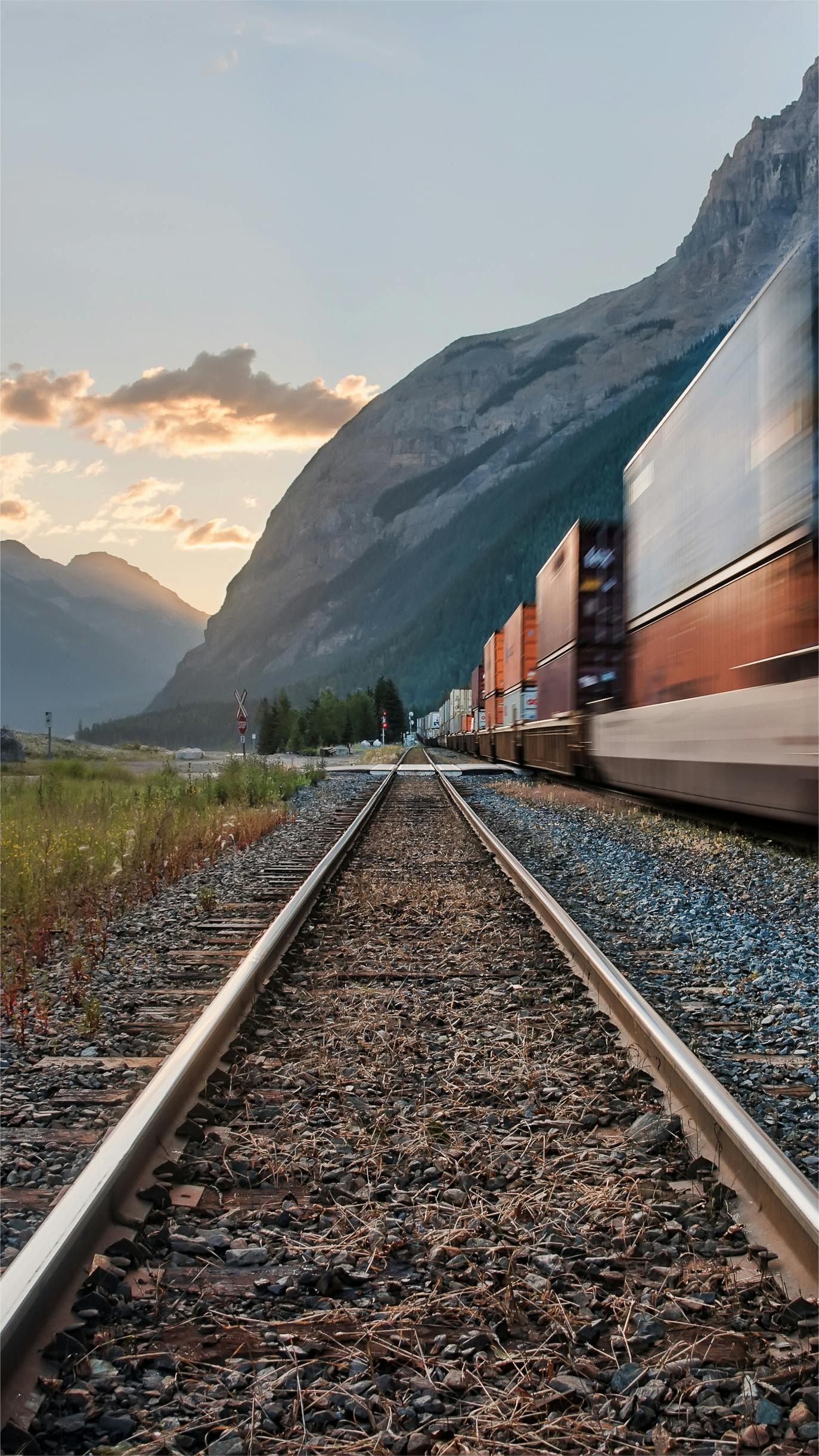
Why the Best Rail Freight from China to France is the Smart Choice
Selecting rail freight provides a unique combination of speed and affordability that other methods cannot match. While sea freight takes over a month, rail can deliver goods to French terminals in nearly half that time. Moreover, the environmental impact of rail is significantly lower than air transport, making it an eco-friendly choice for sustainable brands.

Reliability serves as another major advantage for businesses shipping across the Eurasian continent. Unlike ocean vessels that may face port congestion or weather delays at sea, trains follow strict schedules with fewer interruptions. Therefore, companies can plan their inventory cycles with much greater precision, reducing the need for expensive safety stock.
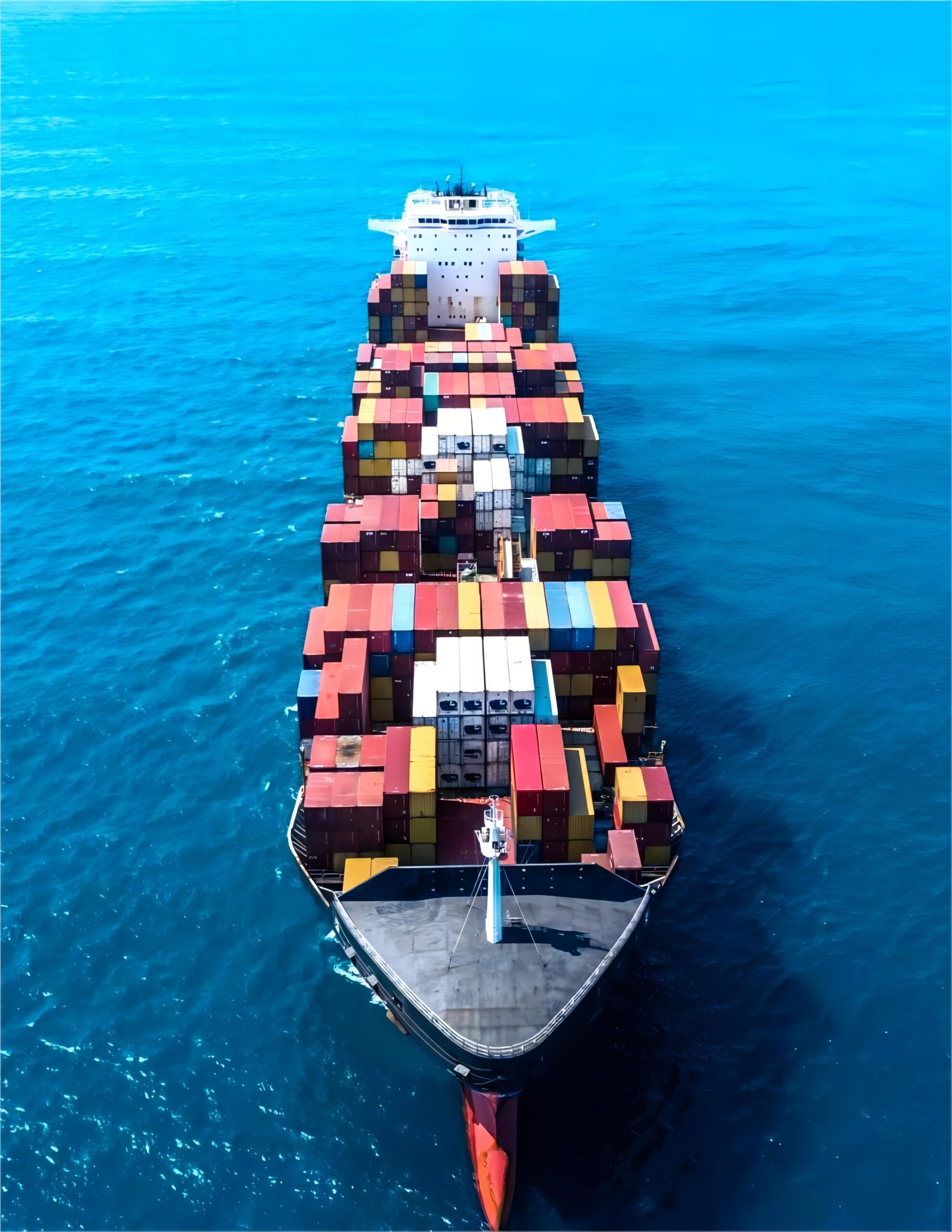
Security remains a top priority for high-value cargo such as electronics or automotive parts. Rail containers are sealed at the origin and rarely opened until they reach the final destination in France. Consequently, the risk of theft or damage during transit is minimized compared to multiple handling points in other logistics chains.
How Does Rail Freight Compare to Other Shipping Options?
Evaluating different transport modes is essential to ensure you are getting the best value for your logistics budget. Sea freight is often the cheapest option for massive volumes, but the long transit times can tie up capital for weeks. In contrast, rail freight offers a faster turnaround that helps improve cash flow for growing businesses.
Air transport is undoubtedly the fastest way to move goods, yet the costs are often prohibitive for standard commercial cargo. Specifically, air freight can cost five to ten times more than rail for the same weight. Rail provides a balanced alternative that satisfies the need for speed without draining the company’s financial resources.
Hybrid solutions are also gaining popularity among savvy supply chain managers. For instance, some companies use a mix of sea and rail to bypass congested ports while keeping costs lower than pure rail. However, for most direct shipments from inland China to France, the trans-Siberian or trans-Caspian rail routes remain the most efficient paths.
| Shipping Method | Cost Range | Transit Time | Best For |
|---|---|---|---|
| Rail Freight | $4,000 – $6,500 per 40HQ | 15 – 22 Days | Medium-value goods, urgent stock |
| Sea Freight | $2,200 – $4,500 per 40HQ | 35 – 45 Days | Bulk items, low-cost products |
| Air Freight | $5.00 – $9.00 per kg | 3 – 7 Days | High-value, perishable, urgent |
| Sea-Air Hybrid | Moderate | 20 – 25 Days | Balanced budget and speed |
Key Rail Routes from China to France
Several major hubs in China serve as starting points for the best rail freight from China to France. Xi’an, Chengdu, and Wuhan are the primary terminals that connect directly to the European rail network. From these cities, trains travel through Kazakhstan, Russia, and Belarus before entering the European Union via Poland.
France-bound cargo typically arrives at major logistics hubs like Paris, Lyon, or Marseille. Once the train reaches the Polish border, the gauge of the tracks changes, requiring a quick transfer of containers to European-standard rail cars. This process is highly automated and efficient, ensuring that the journey continues with minimal delay through Germany and into France.
Shipping to Europe via rail has seen massive infrastructure investment over the last decade. As a result, new routes are constantly being developed to reduce transit times even further. Some specialized services now offer express rail options that can reach French borders in as little as 14 days under ideal conditions.
Understanding Rail Freight Costs and Pricing Factors
Calculating the total cost of rail transport involves looking at more than just the base freight rate. Fuel surcharges, terminal handling fees, and seasonal demand all play a role in the final price you pay. For example, during the peak season before the Lunar New Year, rates can spike significantly due to limited container availability.
Full Container Load (FCL) pricing is generally more stable and cost-effective for large shipments. If you have enough cargo to fill a 20ft or 40ft container, you can benefit from a flat rate per box. On the other hand, Less than Container Load (LCL) rail freight is priced by volume or weight, which is ideal for smaller businesses.
Note: Freight rates are subject to change based on fuel costs, carrier capacity, and seasonal demand. Contact us for a current quote tailored to your specific shipment. Market data suggests that 2025 rail rates have remained competitive compared to the volatile ocean freight market.
Customs Clearance and Documentation for France
Navigating the legal requirements for importing goods into France is a vital part of the logistics process. You must provide a Commercial Invoice, a Packing List, and a Bill of Lading to the customs authorities. Additionally, a Certificate of Origin may be required to determine the applicable duty rates for your specific products.
Utilizing a professional customs brokerage service can prevent costly delays at the border. These experts ensure that your HS codes are classified correctly and that all VAT requirements are met. Indeed, many shipping delays are caused by simple paperwork errors that could have been easily avoided with professional oversight.
French customs are known for being thorough, especially regarding safety standards and intellectual property. Therefore, it is essential to ensure that your products comply with all EU regulations and carry the necessary CE markings. Failure to do so can result in cargo seizures or heavy fines that disrupt your entire supply chain.
| Document Name | Required For | Key Information Included |
|---|---|---|
| Commercial Invoice | Customs Valuation | Price, quantity, buyer/seller info |
| Packing List | Cargo Inspection | Weight, dimensions, packaging type |
| Bill of Lading | Title of Goods | Carrier details, route, destination |
| EORI Number | EU Importation | Unique ID for the importer |
Which Shipping Option Should You Choose?
Choosing the right method depends largely on your specific business priorities and the nature of your cargo. If your primary goal is to minimize costs and time is not a factor, sea freight remains the logical choice. However, if you need to restock inventory quickly to meet customer demand, rail is often the superior option.
Volume thresholds also play a significant role in the decision-making process. For shipments between 1 and 15 cubic meters, LCL rail freight often provides the best balance of speed and cost. Once you exceed 15 cubic meters, it may become more economical to book a full 20GP container via rail or sea.
Cargo type considerations are equally important when selecting a shipping mode. Heavy industrial machinery or bulk raw materials are best suited for the high capacity of ocean vessels. Meanwhile, high-tech components, fashion apparel, and consumer electronics benefit from the faster, more secure environment of the rail network.
Real-World Case Studies: Successful Rail Shipments
Case Study 1: Automotive Parts from Xi’an to Paris. A French manufacturer needed urgent components to keep their assembly line running. They chose a 40HQ rail container instead of sea freight to save 20 days of production downtime. The total landed cost was $5,800, and the door-to-door transit time was completed in 19 days.
Case Study 2: Consumer Electronics from Shenzhen to Lyon. An electronics retailer imported 12 CBM of tablets via LCL rail freight. By choosing rail over air, they saved nearly $4,000 in shipping costs while still receiving the goods in time for a major holiday promotion. The shipment arrived in 21 days with all customs cleared smoothly.
Case Study 3: Fashion Apparel from Chengdu to Marseille. A boutique chain utilized door to door rail service for their seasonal collection. This allowed them to move goods from the factory floor directly to their warehouse in 18 days. The efficiency of this route helped them maintain a fresh inventory without the high overhead of air transport.
Alternative Strategies for Cost-Saving and Efficiency
Implementing a multi-modal strategy can help businesses navigate periods of high demand or rail congestion. For example, during peak seasons, some shippers move goods by truck from China to Kazakhstan before loading them onto trains. This flexibility can shave days off the total transit time when major rail hubs are backed up.
Consolidating shipments is another effective way to reduce the best rail freight from China to France expenses. By combining smaller orders from multiple suppliers into a single FCL shipment, you can lower the per-unit shipping cost. Furthermore, working with a freight forwarder who offers weekly departures ensures that your goods are never sitting idle at the terminal.
Negotiating long-term contracts with logistics providers can also lead to significant savings. If you have a predictable shipping volume, carriers are often willing to offer discounted rates in exchange for a volume commitment. This approach provides budget stability and ensures you have guaranteed space on the train even during the busiest times of the year.
Final Thoughts on Choosing Rail Freight
Summarizing the benefits, the best rail freight from China to France offers an unparalleled mix of speed, cost-efficiency, and reliability. As global trade continues to evolve, the China-Europe Railway Express remains a cornerstone of modern Eurasian logistics. It provides businesses with a robust alternative to traditional shipping methods, ensuring that goods reach their destination on time.
Investing in a reliable rail partner will help you navigate the complexities of international trade with ease. By understanding the routes, costs, and customs requirements, you can build a more resilient supply chain that supports your long-term growth. Whether you are shipping small parcels or full containers, rail freight is a solution that delivers real results for the French market.
Ready to streamline your logistics?
Ready to streamline your supply chain with the best rail freight from China to France? Contact Top China Freight today to receive a customized quote and expert guidance on your next shipment. Our team is standing by to help you optimize your logistics for maximum efficiency and cost savings. Visit our website or send an inquiry to get started right now.
Request Quote