

Trusted Rail Freight from China to France: The Complete 2025 Logistics Guide
Securing Top China Freight services is essential for businesses looking to balance speed and cost in their global operations. Many importers struggle with the slow speeds of ocean shipping and the high expenses of aviation. Fortunately, trusted rail freight from China to France offers a middle-ground solution that is becoming increasingly popular for modern enterprises. This comprehensive guide explores how you can leverage this mode of transport to enhance your delivery schedule and reduce overhead.
Why Choose Trusted Rail Freight from China to France?
Reliability remains the primary reason why businesses opt for rail freight when moving goods across the continent. This method provides a consistent delivery schedule that is far less affected by weather conditions compared to sea or air transport. Consequently, companies can plan their inventory levels with much greater precision.
Furthermore, rail transport is significantly faster than traditional ocean routes. While ships may take over a month to arrive, trains typically complete the journey in roughly half that time. Therefore, you can respond to market demands more quickly without paying the premium prices associated with planes.

Environmental sustainability is another major advantage of utilizing the Iron Silk Road. Trains emit significantly less carbon dioxide per ton of cargo than aircraft or large container ships. Indeed, many European companies now prioritize rail to meet their corporate social responsibility goals.
How Does Rail Freight Compare to Other Shipping Options?
Choosing the right transport mode requires a careful analysis of your specific logistics needs. While rail offers a balanced approach, other methods like sea freight or air freight might be better depending on your cargo volume. However, rail often provides the best value for medium-to-high value goods.
Moreover, the cost-to-speed ratio of rail is often the most efficient for industrial components and consumer electronics. In contrast, very heavy or low-value items are usually best suited for the ocean. Additionally, urgent shipments will still require the speed of a flight despite the much higher expense.
| Shipping Method | Cost Range | Transit Time | Best For | Limitations |
|---|---|---|---|---|
| Rail Freight | $4,000 – $6,000 per 40HQ | 15-22 Days | Electronics, Auto Parts | Route Availability |
| Sea Freight | $2,500 – $4,500 per 40HQ | 35-45 Days | Bulk Goods, Furniture | Slower Speed |
| Air Freight | $5.00 – $9.00 per KG | 3-7 Days | High-Value, Urgent | Very High Cost |
What are the Major Rail Routes from China to France?
Several key hubs in China serve as the starting points for shipments destined for Europe and specifically France. Cities like Xi’an, Chengdu, and Wuhan have developed sophisticated infrastructure to handle massive volumes of international cargo. These terminals connect directly to the trans-Eurasian network.
Typically, these trains travel through Kazakhstan, Russia, and Belarus before entering the European Union via Poland. From there, the cargo moves through Germany and finally reaches major French terminals like Paris or Lyon. Meanwhile, new routes are constantly being developed to bypass bottlenecks and improve efficiency.
Transit times are influenced by the specific departure city and the efficiency of border crossings. For instance, the Xi’an-Paris express is currently one of the fastest and most reliable options available to importers. Accordingly, choosing the right hub in China is just as important as choosing the right destination.
Understanding Shipping Costs and Transit Times
Freight rates for rail transport fluctuate based on seasonal demand and fuel surcharges. During peak seasons, such as the lead-up to the winter holidays, prices can increase by 20 percent or more. Nevertheless, rail remains a predictable expense for most annual budgets.
Transit time is generally between 15 and 25 days depending on the final destination within France. For example, a shipment to a northern hub like Lille might arrive faster than one destined for Marseille in the south. Therefore, always factor in the final leg of the journey when calculating your delivery schedule.
Note: Freight rates are subject to change based on fuel costs, carrier capacity, and seasonal demand. Contact us for a current quote tailored to your specific shipment.
| Route | Container Type | Estimated Cost | Transit Time |
|---|---|---|---|
| Xi’an to Paris | 40HQ | $4,800 – $5,800 | 18-20 Days |
| Chengdu to Lyon | 40HQ | $4,600 – $5,500 | 20-22 Days |
| Wuhan to Bordeaux | LCL (per CBM) | $150 – $250 | 22-25 Days |
Essential Customs Documentation for France
Navigating the complexities of European import regulations requires professional customs brokerage expertise. You must ensure that every piece of paperwork is accurate to avoid costly delays at the border. Incorrect documentation is one of the most common reasons for cargo being held by authorities.
Specific documents like the Commercial Invoice, Packing List, and the Bill of Lading are mandatory for all shipments. In addition, you may need a Certificate of Origin or specific CE certifications depending on the product type. Consequently, working with an experienced partner ensures that your goods comply with all French legal requirements.
Customs duties and Value Added Tax (VAT) must also be calculated and paid upon entry into France. Usually, the VAT rate is 20 percent, though certain items may qualify for different rates. Indeed, understanding these costs upfront is vital for maintaining your profit margins.
How Does Rail Compare to Sea and Air Alternatives?
Comparing rail to sea freight reveals a significant time saving of nearly three weeks. While sea freight costs roughly 30 to 50 percent less, the capital tied up in inventory during transit can offset these savings. Consequently, rail is often more economical when considering the total cost of the supply chain.
On the other hand, air freight is nearly four times faster than rail but can cost ten times as much. For a shipment of 500kg, air might cost $4,000, whereas rail would be significantly cheaper even for a larger volume. Therefore, rail is the ideal alternative for businesses that need speed without the exorbitant price tag of aviation.
Hybrid solutions, such as sea-rail combinations, are also becoming more common for certain routes. These strategies allow shippers to optimize their logistics trends by using the most efficient mode for each leg of the journey. For instance, shipping by sea to a major port and then by rail to the final destination can sometimes provide the perfect balance.
Which Option Should You Choose?
Budget priority should lead you toward sea freight if your timelines are flexible and your cargo is bulky. However, if your budget is moderate but you cannot wait 45 days, rail is the clear winner. Speed priority should always favor air freight for extremely urgent or perishable goods.
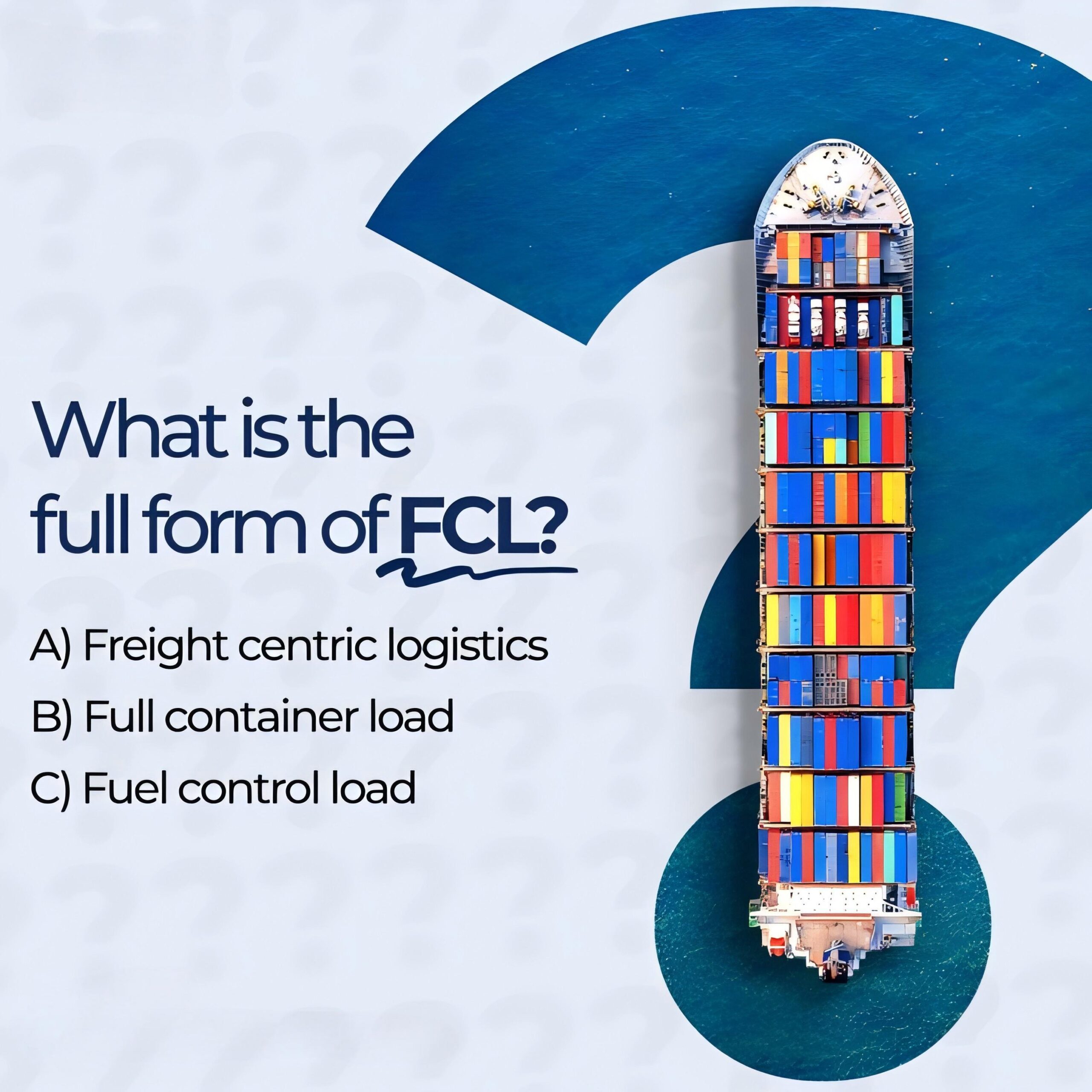
Volume thresholds also play a role in your decision-making process. For shipments under 15 CBM, Less than Container Load (LCL) rail options are often very cost-effective. Meanwhile, Full Container Load (FCL) rail is the best choice for large, consistent shipments of consumer goods or industrial parts.
Cargo type considerations are equally important because certain hazardous materials may be restricted on trains. Additionally, high-value electronics benefit from the increased security and reduced handling found in rail transport. Without a doubt, evaluating these factors will help you select the most efficient logistics strategy.
Real Case Studies: Trusted Rail Freight Success Stories
Examining real-world examples helps illustrate the practical benefits of rail logistics. These cases reflect actual market conditions and demonstrate how businesses overcome common shipping challenges. Below are two scenarios based on typical operations in early 2025.
Case Study 1: Electronics from Shenzhen to Paris. Route: Shenzhen to Paris, France. Cargo: Consumer Electronics, 68 CBM, 12,000 kg. Container: 40HQ. Shipping Details: Carrier: Major rail operator. Port of Loading: Xi’an Terminal. Port of Discharge: Paris Terminal. Route Type: Direct. Cost Breakdown: Rail Freight: $5,200. Origin Charges: $450. Destination Charges: $600. Customs: $1,200. Total Landed Cost: $7,450. Timeline: Booking to Loading: 3 days. Rail Transit: 19 days. Customs Clearance: 2 days. Total Door-to-Door: 24 days. Key Insight: Utilizing rail saved the client 15 days compared to sea freight while keeping costs 70 percent lower than air freight.
Case Study 2: Industrial Machinery from Chengdu to Lyon. Route: Chengdu to Lyon, France. Cargo: Industrial Parts, 8 CBM, 2,500 kg. Container: LCL. Shipping Details: Carrier: Trans-Eurasian rail. Port of Loading: Chengdu Terminal. Port of Discharge: Lyon Terminal. Route Type: Transshipment via Poland. Cost Breakdown: Rail Freight: $1,850. Origin Charges: $300. Destination Charges: $400. Customs: $850. Total Landed Cost: $3,400. Timeline: Booking to Loading: 5 days. Rail Transit: 22 days. Customs Clearance: 3 days. Total Door-to-Door: 30 days. Key Insight: LCL rail provided a faster alternative to LCL sea freight for a time-sensitive manufacturing project.
How to Choose a Trusted Freight Forwarder
Finding a partner that offers reliable door to door service is critical for a smooth experience. A good forwarder should have deep knowledge of both Chinese export laws and French import regulations. Furthermore, they must have established relationships with rail operators to ensure space availability.
Transparency in pricing is another hallmark of a professional logistics provider. You should receive a detailed quote that includes all potential fees, from terminal handling to local delivery. In contrast, avoid companies that provide vague estimates or hide additional surcharges until the last minute.
Communication is the final piece of the puzzle for successful international shipping. Your forwarder should provide regular updates on the status of your cargo and notify you immediately of any delays. Consequently, choosing a responsive partner will give you peace of mind throughout the entire process.
Final Thoughts on Rail Freight Logistics
To summarize, trusted rail freight from China to France represents one of the most efficient ways to move goods across the globe. It offers a unique combination of speed, cost-effectiveness, and reliability that sea and air transport simply cannot match for many types of cargo. By understanding the routes, costs, and documentation requirements, you can significantly improve your business operations.
Moreover, as global logistics trends continue to evolve, the rail network will only become more integrated and efficient. Businesses that adopt these rail solutions now will be better positioned to handle future market fluctuations. Indeed, making the switch to rail could be the competitive advantage your company needs in 2025 and beyond.
Ready to streamline your logistics?
Streamline your supply chain today with trusted rail freight from China to France. Contact our team for a personalized quote and expert guidance on your next shipment. Send Inquiry:
Request Quote