

Best Way to Ship Machinery from China to Europe: 2025 Guide
Finding the best way to ship machinery from China to Europe requires a strategic approach to balance speed, safety, and total landed costs. Top China Freight provides comprehensive logistics solutions designed to handle the complexities of industrial equipment transport across international borders. This guide explores the most efficient methods for moving your heavy cargo while ensuring compliance with European import regulations.
What Is the Best Way to Ship Machinery from China to Europe?
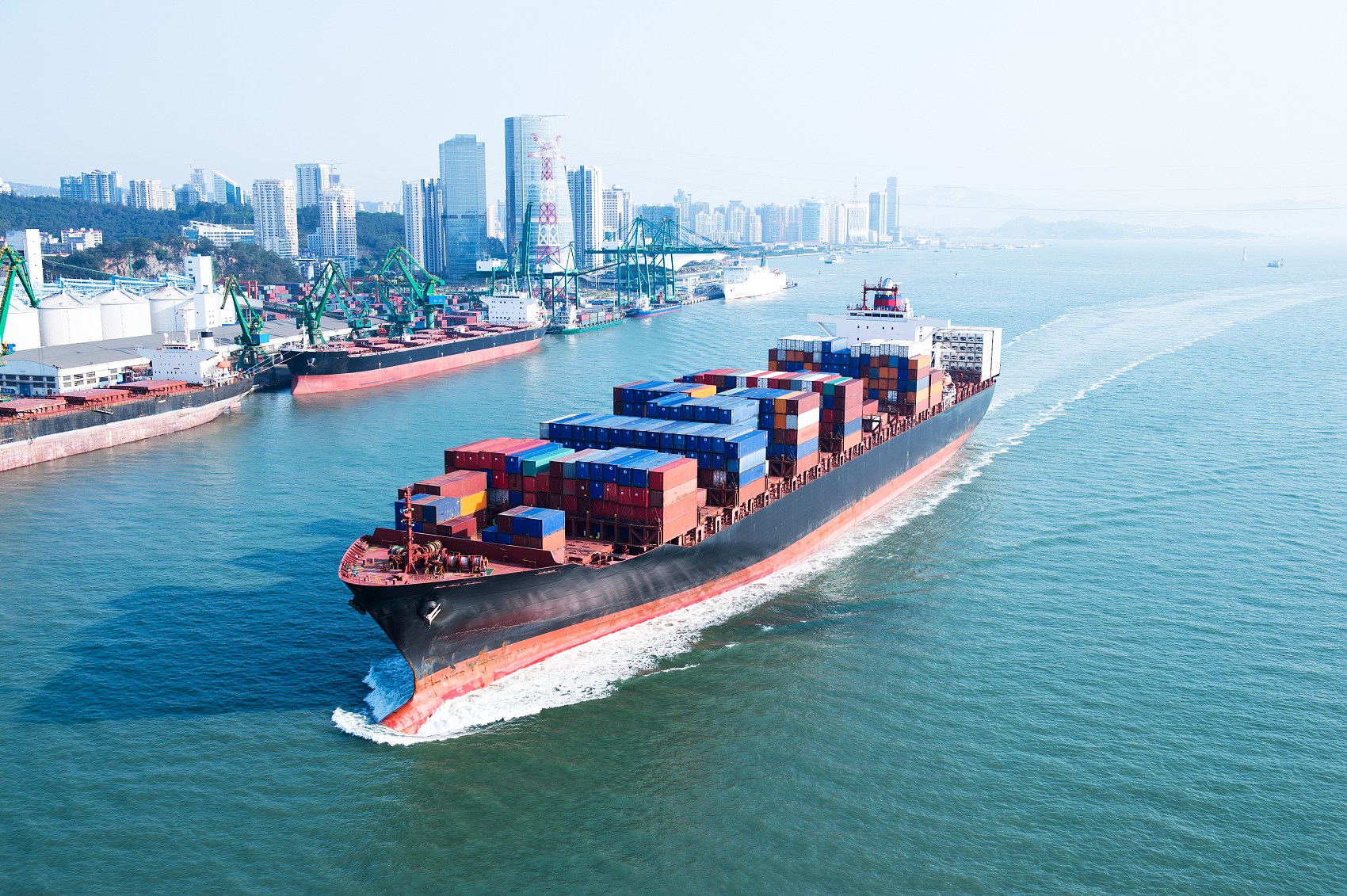
Determining the most effective logistics path depends largely on your specific cargo dimensions and delivery deadlines. Most importers choose sea freight for its cost-effectiveness, especially when dealing with heavy or oversized units that do not fit in standard containers. However, rail freight has emerged as a powerful alternative for those needing faster transit without the high price tag of air transport.
Choosing the right method involves analyzing the weight, volume, and sensitivity of your equipment. Industrial machines often require specialized handling, such as Flat Rack or Open Top containers, to accommodate their height or width. Consequently, you must work with a partner who understands the nuances of heavy-lift logistics to avoid costly delays at the port.
Additionally, the geographical location of your supplier in China and your destination in Europe influences the decision. Shipping from coastal hubs like Shanghai or Ningbo favors sea routes, while inland manufacturing centers may benefit more from direct rail connections to Germany or Poland. To summarize, the best way to ship machinery from China to Europe is the one that minimizes risk while meeting your production schedule.
Sea Freight: The Most Economical Solution for Heavy Equipment
For the majority of industrial shipments, sea freight remains the primary choice due to its high capacity and lower rates. This method is particularly suitable for heavy equipment shipping costs that would be prohibitive via other modes. You can choose between Full Container Load (FCL) for large machines or Less than Container Load (LCL) for smaller parts and components.
Moreover, sea transport offers various vessel types, including Roll-on/Roll-off (RoRo) for wheeled machinery and Breakbulk for exceptionally large items. These specialized services ensure that even the most cumbersome equipment can reach European ports like Rotterdam, Hamburg, or Felixstowe safely. Indeed, the flexibility of ocean shipping makes it indispensable for global supply chains.
Note: Freight rates are subject to change based on fuel costs, carrier capacity, and seasonal demand. Contact us for a current quote tailored to your specific shipment.
| Container Type | Best For | Max Payload | Typical Use |
|---|---|---|---|
| 20ft Standard | Dense Machinery | 28,000 kg | Small CNC Machines |
| 40ft High Cube | High Volume | 26,000 kg | Production Lines |
| Flat Rack | Oversized Cargo | Varies | Excavators/Boilers |
| Open Top | Tall Equipment | 28,000 kg | Tall Industrial Saws |
Rail Freight: The Fast Track to Central Europe
If your project requires a faster delivery than the ocean allows, rail freight offers a compelling middle ground. The Trans-Eurasian rail network connects major Chinese industrial hubs like Chengdu and Xi’an directly to European terminals. This route typically cuts transit time by half compared to sea freight, making it an excellent choice for time-sensitive industrial machinery logistics.
Furthermore, rail transport is less affected by weather conditions or port congestion compared to sea routes. It provides a stable schedule that helps manufacturers maintain tight delivery timelines for their European clients. Therefore, businesses often use rail for high-value machinery that needs to be operational as soon as possible.
Meanwhile, the cost of rail is significantly lower than air freight, providing a balanced solution for mid-range budgets. Many companies find that the time savings on the rail route justify the moderate price increase over ocean transport. Without a doubt, the Silk Road rail link has revolutionized how we view the best way to ship machinery from China to Europe.
Air Freight: Speed for Critical Spare Parts and Components
When a production line in Europe stops due to a broken part, air freight is the only viable solution. While this is the most expensive method, it reduces transit time to just a few days. Consequently, it is best reserved for urgent spare parts, high-precision instruments, or small, high-value components.
In addition, air shipping provides the highest level of security and reduced handling, which is vital for sensitive electronic machinery. Most air cargo arrives at major hubs like Frankfurt or Paris before being trucked to the final destination. For instance, a critical sensor or control unit can move from a factory in Shenzhen to a plant in Germany in under 72 hours.
However, the weight and size limitations of aircraft mean that most heavy industrial tools cannot be shipped this way. As a result, air transport usually complements other shipping methods rather than replacing them entirely. Always weigh the cost of downtime against the high price of air shipping to determine if this is the right move for your business.
How Does Sea Freight Compare to Other Shipping Options?
Choosing between sea, rail, and air requires an objective analysis of your priorities. Sea freight offers the lowest cost but takes the longest time, often 30 to 45 days. In contrast, rail freight takes 15 to 22 days, and air freight takes 3 to 7 days. Your choice should align with your inventory needs and budget constraints.
For shipments under 15 CBM, LCL sea freight may be more economical than a full container, though it adds time for consolidation. On the other hand, direct rail routes cost 15-20% more than sea but save nearly three weeks of transit. For each shipping scenario, consider these trade-offs to find the optimal path.
| Shipping Method | Cost Range | Transit Time | Best For |
|---|---|---|---|
| Sea Freight | $2,000 – $4,500 | 30-45 Days | Heavy/Bulky Cargo |
| Rail Freight | $4,000 – $7,000 | 15-22 Days | Mid-Value Machinery |
| Air Freight | $15,000+ | 3-7 Days | Urgent Parts |
| Sea-Air Hybrid | Medium | 18-25 Days | Balanced Priority |
Navigating Customs and Documentation for Machinery
Importing industrial equipment into Europe involves strict compliance with CE marking and safety standards. Utilizing a professional customs brokerage service is essential to ensure your paperwork is flawless. Failure to provide the correct HS codes or origin certificates can lead to expensive storage fees and legal complications.
Moreover, European customs authorities require detailed commercial invoices, packing lists, and Bill of Lading documents. You must also ensure that your machinery meets the specific technical regulations of the destination country. Consequently, preparing these documents well in advance of the cargo’s arrival is a critical step in the logistics process.
Additionally, many machines require specialized wooden crates that must be treated according to ISPM 15 standards. Customs officials will inspect these crates to prevent the spread of pests across borders. Therefore, your packaging strategy is just as important as your choice of carrier when shipping from China.
The Value of Door to Door Logistics Services
Managing multiple logistics providers can be overwhelming, which is why many importers prefer door to door services. This comprehensive approach covers everything from factory pickup in China to final delivery at your European facility. It simplifies the process by providing a single point of contact and one all-inclusive invoice.
In addition, door-to-door services often include inland trucking at both ends of the journey. This is particularly important for machinery that requires specialized trailers or cranes for loading and unloading. For example, moving a 20-ton lathe from a Shanghai warehouse to a factory in Lyon requires precision coordination that only a full-service provider can offer.
Furthermore, this method reduces the risk of damage during transshipment because the cargo is handled by a single coordinated team. As a result, you gain peace of mind and more time to focus on your core business operations. Investing in a seamless end-to-end solution is often the best way to ship machinery from China to Europe for growing enterprises.
Which Option Should You Choose?
To make the final decision, evaluate your shipment based on these clear criteria. If your budget is the top priority and you have a flexible timeline, sea freight is the clear winner. However, if you need to stock a showroom or fulfill an urgent order, rail freight provides the necessary speed without excessive costs.
For cargo that is exceptionally heavy or oversized, sea freight via RoRo or Flat Rack is often the only physical possibility. Conversely, for small, high-precision tools or emergency repairs, air freight is the logical choice. Use the following decision framework to guide your logistics strategy.
Budget priority: Recommend Sea Freight. Speed priority: Recommend Rail or Air Freight. Oversized cargo: Recommend Sea Freight (OOG). High-value/Sensitive: Recommend Air Freight or Premium Rail.
Real-World Logistics Case Studies
Case Study 1: CNC Machine Export. Route: Jinan, China to Hamburg, Germany. Cargo: 3 CNC Milling Machines, 18 CBM, 12,500 kg. Container: 1 x 40GP. Shipping Method: Rail Freight. Ocean Freight: $5,200. Origin Charges: $450. Destination Charges: $600. Customs and Duties: $1,200. Total Landed Cost: $7,450. Timeline: Booking to Loading: 3 days. Rail Transit: 18 days. Customs Clearance: 2 days. Total Door-to-Door: 23 days. Key Insight: Choosing rail saved the client 15 days compared to sea, allowing them to start production two weeks earlier.
Case Study 2: Heavy Excavator Transport. Route: Shanghai, China to Rotterdam, Netherlands. Cargo: 2 Hydraulic Excavators, 45 CBM, 22,000 kg. Container: 2 x 40ft Flat Rack. Shipping Method: Sea Freight (OOG). Ocean Freight: $8,400. Origin Charges: $900. Destination Charges: $1,100. Customs and Duties: $3,500. Total Landed Cost: $13,900. Timeline: Booking to Loading: 7 days. Sea Transit: 34 days. Customs Clearance: 3 days. Total Door-to-Door: 44 days. Key Insight: Using Flat Rack containers was the only way to accommodate the width of the machinery while maintaining a reasonable budget.
Based on Q3 2024 market rates. Note: Freight rates are subject to change based on fuel costs, carrier capacity, and seasonal demand. Contact us for a current quote tailored to your specific shipment.
Mastering Your Machinery Shipments
Selecting the best way to ship machinery from China to Europe involves a careful balance of time, cost, and logistics expertise. Whether you choose the economy of sea freight, the speed of rail, or the urgency of air, understanding the requirements of each method is key to success. By partnering with a dedicated freight forwarder, you can navigate customs and shipping complexities with confidence.
As market conditions evolve in 2025, staying informed about transit times and freight rates will help you maintain a competitive edge. Focus on thorough documentation and robust packaging to protect your investment during the long journey. With the right strategy, shipping heavy equipment can be a smooth and predictable part of your business operations.
Ready to streamline your logistics?
Ready to move your industrial equipment across the globe? Contact Top China Freight today for a customized quote and expert guidance on the best way to ship machinery from China to Europe. Our team is standing by to streamline your logistics and ensure your cargo arrives safely and on time. Visit our website to start your inquiry now.
Request Quote