


How to Ship Auto Parts from China to Europe: The Ultimate 2025 Logistics Guide
Developing a robust supply chain requires a deep understanding of international logistics, especially when you need to know how to ship auto parts from China to Europe. Many businesses face significant challenges with transit times and rising freight costs while trying to maintain inventory levels. By partnering with a reliable freight forwarder like Top China Freight, you can streamline your operations and ensure that your automotive components arrive safely and on schedule.
Understanding the Logistics of Shipping Auto Parts to Europe
Shipping automotive components involves navigating complex regulations and selecting the most efficient transport modes. Manufacturers in China produce a vast array of parts, ranging from small electronic sensors to heavy engine blocks and body panels. Consequently, the logistical requirements vary significantly depending on the weight, volume, and urgency of the shipment.
Europe represents a sophisticated market with strict quality and safety standards for imported vehicle parts. Furthermore, the geographical distance between Chinese manufacturing hubs like Guangzhou or Ningbo and European ports requires careful planning. You must consider factors such as port congestion, seasonal demand, and fuel surcharges when calculating your total landed cost.

Choosing the right partner is essential for managing these variables effectively. Professional logistics providers offer specialized services such as sea freight for bulk orders, which remains the most cost-effective solution for large-scale importers. This method allows for the transport of high volumes while keeping individual unit costs relatively low.
How Does Rail Freight Compare to Other Shipping Options?
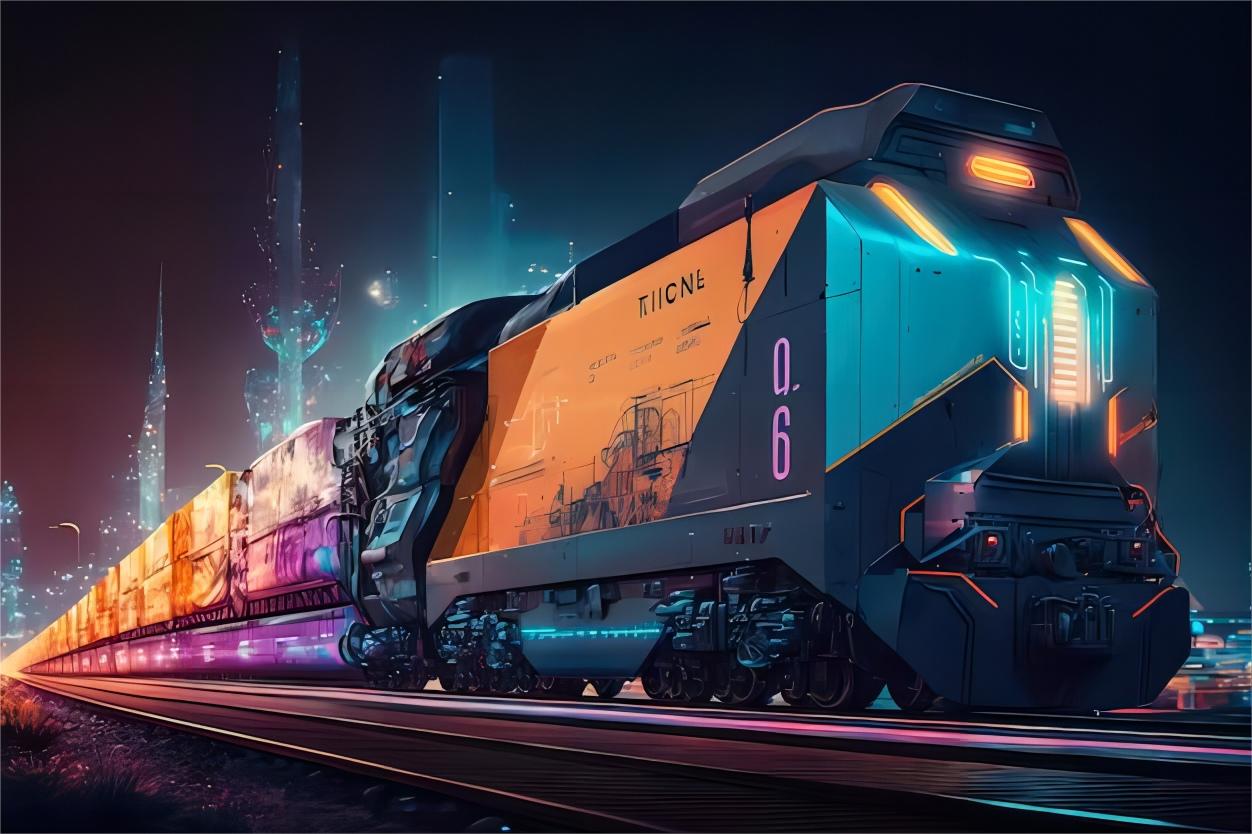
Rail transport has emerged as a powerful alternative for those looking for a middle ground between speed and cost. This method utilizes the Trans-Siberian or New Silk Road routes to connect Chinese industrial cities directly to European rail terminals. Moreover, it offers a significantly shorter transit time than ocean transport without the extreme expense of flying goods.
Comparing different modes of transport helps businesses align their logistics strategy with their budget and timeline. While rail freight provides stability and predictable schedules, it may not be suitable for all types of cargo. For instance, very large or oddly shaped body parts might still require the specialized handling equipment found at major seaports.
Additionally, air transport serves as the fastest possible route for urgent repairs or high-value components. Utilizing air freight can reduce transit times to just a few days, which is critical for maintaining production lines. However, the cost per kilogram is substantially higher, making it less viable for low-margin items.
| Shipping Method | Cost Range | Transit Time | Best For | Limitations |
|---|---|---|---|---|
| Sea Freight | $1,800 – $4,200 | 30 – 45 Days | Bulk/Heavy Parts | Longest transit time |
| Rail Freight | $2,500 – $5,500 | 15 – 22 Days | Mid-range volume | Limited to rail hubs |
| Air Freight | $4.50 – $9.00/kg | 3 – 7 Days | Urgent/High-value | Very high cost |
| Express Service | $7.00 – $12.00/kg | 2 – 5 Days | Small samples | Weight restrictions |
Navigating Customs and Documentation for European Imports
Customs clearance is often the most complex stage of the international shipping process. European Union member states follow harmonized rules, yet specific documentation requirements can vary slightly between countries. Therefore, you must ensure that all commercial invoices, packing lists, and certificates of origin are meticulously prepared and accurate.
Automotive parts frequently require specific certifications to prove they meet European safety and environmental standards. For example, parts may need an E-mark or CE marking depending on their function within the vehicle. Consequently, failing to provide the correct paperwork can lead to expensive delays at the border or even the seizure of your goods.
Engaging a professional customs brokerage service is the most effective way to mitigate these risks. These experts understand the latest tariff classifications and can help you take advantage of any available trade agreements. This expertise is particularly valuable when shipping to various regions across Europe, ensuring compliance with local tax laws.
Key Factors Influencing Shipping Costs from China
Market fluctuations play a major role in determining the final price you pay for logistics services. Fuel prices, currency exchange rates, and carrier capacity all contribute to the volatility of freight rates. Additionally, peak seasons such as the lead-up to the Golden Week in China or the Christmas holidays in Europe typically see a sharp increase in pricing.
Container availability can also impact your costs, especially during periods of global supply chain disruption. Importers must decide between Full Container Load (FCL) and Less than Container Load (LCL) based on their specific volume. While FCL offers better security and a lower cost per cubic meter, LCL is an excellent choice for smaller shipments that do not fill an entire container.
Distance to the final destination is another critical variable to consider. Shipping to a major port like Rotterdam or Hamburg is generally cheaper than shipping to inland locations that require additional trucking or rail legs. Furthermore, the type of auto parts being shipped, such as hazardous batteries or fragile glass, may incur additional handling surcharges.
The Benefits of Door to Door Logistics Solutions
Managing multiple vendors for trucking, ocean freight, and final delivery can be an administrative nightmare. To simplify this, many businesses now opt for door to door services that cover the entire journey from the Chinese factory to the European warehouse. This comprehensive approach provides a single point of contact and unified tracking for the entire shipment.
Efficiency is greatly enhanced when one logistics provider handles the entire chain of custody. As a result, the risk of communication errors between different carriers is minimized, and transit times are often more consistent. Moreover, these services typically include the coordination of local pickup in China and final mile delivery in Europe, saving you significant time and effort.
Cost transparency is another major advantage of integrated shipping solutions. Instead of receiving multiple invoices from various agents, you receive a single quote that covers all foreseeable expenses. This allows for better budgeting and financial planning, ensuring that you know exactly how to ship auto parts from China to Europe without hidden fees.
Which Option Should You Choose? A Decision Framework
Selecting the optimal shipping method requires a balanced evaluation of your priorities. If your primary goal is cost reduction and you have a flexible timeline, sea freight is the clear winner for bulk automotive parts. On the other hand, if you are facing a stockout or need to fulfill an urgent contract, the speed of air freight justifies the higher investment.
Volume thresholds often dictate the most economical choice for your business. For shipments smaller than 15 CBM, LCL sea freight or rail freight usually offers the best value. However, once your volume exceeds 15-20 CBM, booking a full 20GP container becomes more cost-effective and provides better protection for your cargo.
Cargo type also influences the decision-making process. High-value electronics or delicate sensors benefit from the shorter handling cycles of air or express transport. In contrast, heavy mechanical parts like transmissions or axles are perfectly suited for the robust environment of ocean or rail containers. Always consider the fragility and value-to-weight ratio of your components.
Case Study 1: Large Volume Engine Components to Germany
Route: Ningbo, China to Hamburg, Germany. Cargo: 150 sets of engine blocks and cylinder heads. Volume: 1 x 40HQ Container. Method: Sea Freight FCL. This shipment was a routine replenishment for a major automotive distributor. By using a 40HQ container, the client maximized the space and achieved a very low cost per unit.
Shipping Details: Carrier: COSCO. Port of Loading: Ningbo. Port of Discharge: Hamburg. Route Type: Direct. Cost Breakdown: Ocean Freight: $3,200. Origin Charges: $450. Destination Charges: $600. Customs and Duties: $1,200. Total Landed Cost: $5,450. Timeline: Booking to Loading: 4 days. Sea Transit: 34 days. Customs: 2 days. Total Door-to-Door: 42 days.
Key Insight: Planning the shipment six weeks in advance allowed the client to lock in a lower freight rate before the Q4 peak season. This proactive approach saved approximately 15 percent compared to spot market rates during the holiday rush. Based on late 2024 market data, this remains a highly efficient way to move heavy automotive inventory.
Case Study 2: Urgent Spare Parts to Poland via Rail
Route: Xi’an, China to Warsaw, Poland. Cargo: Specialized suspension components for luxury vehicles. Volume: 5 CBM (LCL). Method: Rail Freight. The client needed these parts faster than sea freight could deliver but could not afford the high cost of air freight for such heavy items.
Shipping Details: Service: China-Europe Railway Express. Port of Loading: Xi’an Rail Terminal. Port of Discharge: Małaszewicze/Warsaw. Route Type: Direct Rail. Cost Breakdown: Rail Freight: $1,150. Origin Charges: $200. Destination Charges: $350. Customs and Duties: $800. Total Landed Cost: $2,500. Timeline: Booking to Loading: 3 days. Rail Transit: 16 days. Customs: 1 day. Total Door-to-Door: 22 days.
Key Insight: Rail freight provided the perfect balance, arriving two weeks earlier than a sea shipment would have. This allowed the distributor to meet their service level agreements without sacrificing their entire profit margin on shipping costs. Typical rates as of early 2025 show rail continues to be a reliable alternative for Central European destinations.
Packaging and Safety Standards for Automotive Cargo
Protecting your goods during transit is paramount to preventing damage and financial loss. Auto parts are often heavy, oily, or sharp, requiring specialized packaging materials and techniques. For instance, using high-quality wooden crates or reinforced pallets ensures that heavy components do not shift inside the container during rough sea conditions.
Moisture protection is another critical factor, especially for metal parts prone to corrosion. Utilizing VCI (Vapor Corrosion Inhibitor) bags or desiccant packs inside the packaging can prevent rust during the long journey across the ocean. Additionally, you should ensure that all parts are securely braced and cushioned to withstand the vibrations of rail or road transport.
Labeling must be clear and compliant with international shipping standards. Each package should clearly state the contents, weight, and handling instructions, such as ‘This Side Up’ or ‘Fragile’. Proper labeling not only protects the goods but also speeds up the customs inspection process by making it easier for officials to verify the shipment.
Mastering Your Auto Parts Shipping Strategy
Successfully managing how to ship auto parts from China to Europe requires a strategic blend of planning, choosing the right transport mode, and ensuring compliance. By understanding the differences between sea, air, and rail freight, you can make informed decisions that protect your bottom line. Remember that the cheapest option is not always the best if it leads to production delays or damaged goods.
Staying updated on market trends and customs regulations will give your business a competitive edge in the European market. Partnering with a dedicated freight forwarder ensures that you have the support needed to overcome logistical hurdles. As the automotive industry continues to evolve, a flexible and efficient shipping strategy remains the foundation of a successful international trade operation.
Ready to streamline your logistics?
Optimizing your automotive supply chain starts with choosing the right logistics partner. Whether you need urgent air transport or cost-effective sea freight, our team is ready to help you navigate how to ship auto parts from China to Europe with ease. Contact us today to receive a customized quote and expert advice for your next shipment. Visit Top China Freight to get started on your inquiry.
Request Quote