

Cheap FCL Shipping from China to Canada: 2025 Guide for Businesses
Finding Top China Freight solutions is the first step toward securing cheap FCL shipping from China to Canada for your growing business. Many importers struggle with fluctuating ocean freight rates, yet full container load options remain the most cost-effective method for high-volume cargo. Consequently, understanding the nuances of international logistics can significantly improve your supply chain efficiency and overall profit margins.

Understanding Cheap FCL Shipping from China to Canada
Full Container Load (FCL) shipping involves renting an entire 20-foot or 40-foot container for your exclusive use. This method typically offers the most competitive pricing per unit when you have enough goods to fill at least half of a container. Moreover, sea freight remains the backbone of trade between these two nations due to its massive capacity.
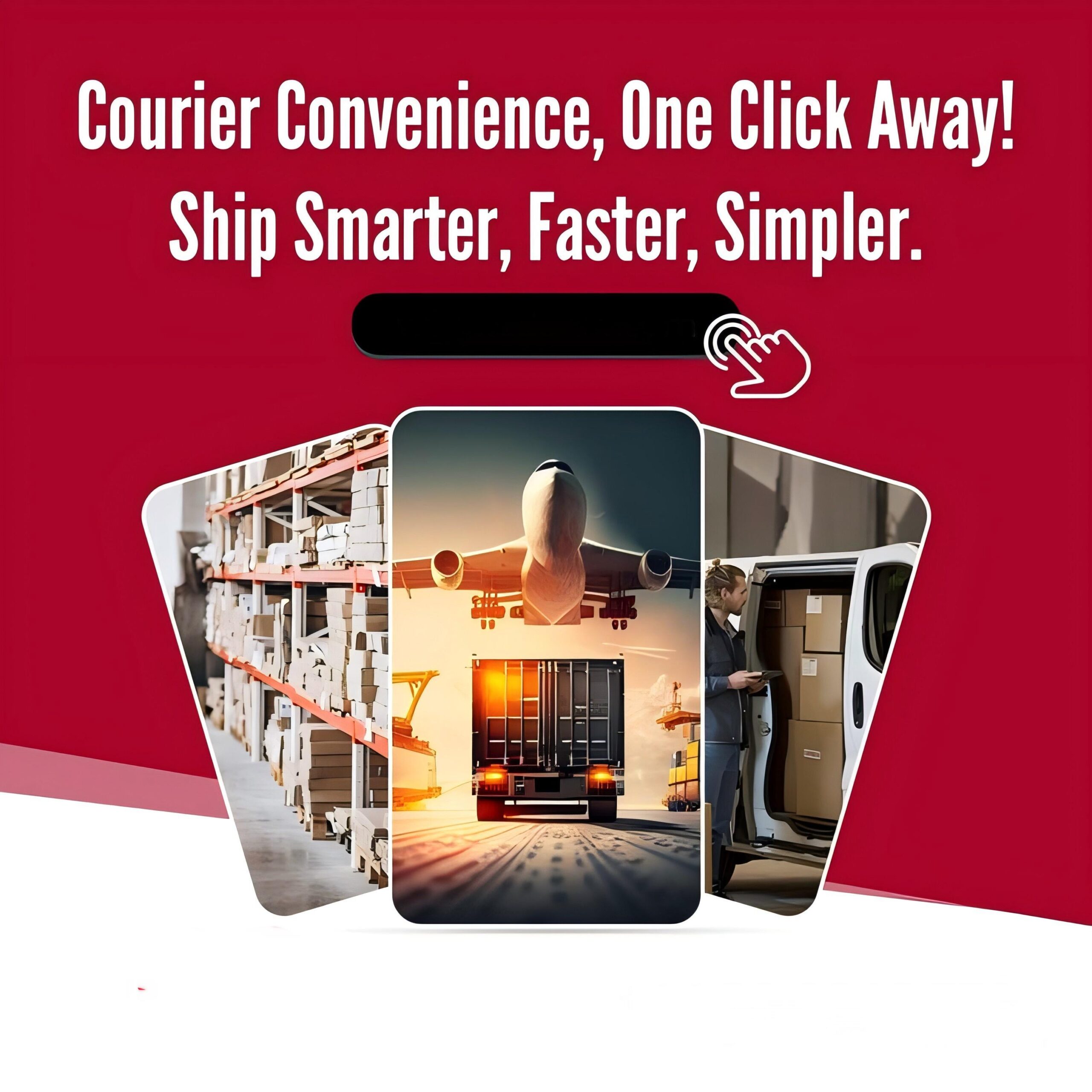
Choosing FCL over other methods ensures your cargo stays together throughout the journey, reducing the risk of damage or loss during handling. Additionally, the fixed cost of the container makes budgeting more predictable for large-scale importers. Therefore, businesses often prefer this route to maintain consistent inventory levels in the Canadian market.

How Does FCL Compare to Other Shipping Options?
Comparing different logistics strategies is essential for any business shipping to North America. While FCL is ideal for large volumes, Less than Container Load (LCL) or air freight might suit smaller or urgent shipments. However, the cost-per-kilogram for FCL is almost always lower than any other alternative.
Air freight provides unmatched speed but comes with a premium price tag that can eat into your margins. In contrast, sea freight takes longer but allows for much heavier and bulkier items. The following table illustrates the objective trade-offs between these common shipping methods.
| Shipping Method | Cost Range | Transit Time | Best For |
|---|---|---|---|
| FCL (Full Container) | $1,800 – $4,500 | 15 – 35 Days | Bulk goods and large inventory |
| LCL (Shared Container) | $50 – $150 per CBM | 20 – 40 Days | Small shipments (1-10 CBM) |
| Air Freight | $5 – $12 per KG | 3 – 7 Days | High-value or urgent cargo |
| Express Courier | $8 – $15 per KG | 2 – 5 Days | Samples and small parcels |
Key Factors Influencing Your FCL Shipping Costs
Several variables dictate the final price you pay for cheap FCL shipping from China to Canada. Fuel surcharges, also known as Bunker Adjustment Factors, fluctuate based on global oil prices. Furthermore, seasonal demand during the peak season from August to October often leads to significant rate hikes.
Port congestion at major hubs like Vancouver or Prince Rupert can also impact costs through unexpected storage fees. Meanwhile, the distance between the Chinese port of loading and the Canadian port of discharge plays a primary role in the base freight rate. Consequently, savvy importers always request quotes well in advance to lock in better pricing.
Which Option Should You Choose?
Deciding on the best shipping method requires a clear understanding of your budget and timeline. If your priority is keeping costs at an absolute minimum, FCL is the clear winner for volumes exceeding 15 cubic meters. On the other hand, if you need goods delivered within a week, you must prioritize speed over cost and choose air services.
Consider door to door solutions if you want to minimize the administrative burden of managing multiple logistics providers. This comprehensive service handles everything from the factory floor in China to your warehouse in Canada. Indeed, many modern businesses find this integrated approach saves both time and money.
Real-World Case Studies for China to Canada FCL
Examining real-world examples helps clarify what to expect regarding costs and timelines. Below are two scenarios based on typical market conditions in early 2025. These cases reflect actual routes and cargo types frequently moved by Canadian importers.
Case Study 1: Electronics from Shenzhen to Vancouver. A Canadian retailer shipped a 20GP container filled with consumer electronics. The total ocean freight cost was $2,150, with a transit time of 16 days. As a result, the retailer maintained a high profit margin by utilizing the most direct route available.
Case Study 2: Furniture from Ningbo to Toronto. An e-commerce business used Amazon FBA logistics to move a 40HQ container of home office furniture. The total landed cost, including customs and local trucking, was $5,800. Despite the longer 32-day transit time via the Port of Montreal, the cost per unit remained exceptionally low.
Strategies to Secure the Most Affordable Freight Rates
Securing cheap FCL shipping from China to Canada requires proactive planning and negotiation. One effective strategy is to book your shipment at least 3-4 weeks before the cargo ready date. Additionally, try to avoid shipping during the weeks immediately following the Chinese New Year when capacity is often tight.
Consolidating shipments from multiple suppliers into a single FCL container can also yield massive savings. Furthermore, choosing a freight forwarder with strong carrier relationships allows you to access contract rates that are not available to the general public. Without a doubt, these small adjustments can lead to thousands of dollars in annual savings.
Essential Documentation for Smooth Customs Clearance
Navigating the customs brokerage process is a critical step in international shipping. Missing or incorrect paperwork can lead to expensive delays and fines at the Canadian border. Therefore, you must ensure that your Commercial Invoice, Packing List, and Bill of Lading are all perfectly synchronized.
Canada Customs requires specific declarations for different types of imported goods. For instance, wood packaging must meet heat-treatment standards to avoid quarantine issues. Accordingly, working with an experienced broker ensures that your cheap FCL shipping from China to Canada does not turn into an expensive legal headache.
| Document Name | Purpose | Required By | Key Details |
|---|---|---|---|
| Bill of Lading | Title of goods | Carrier/Customs | Container number, seal number |
| Commercial Invoice | Value declaration | CBSA | Unit price, currency, HS codes |
| Packing List | Cargo details | Warehouse/Customs | Weight, dimensions, piece count |
| Certificate of Origin | Tax/Duty assessment | CBSA | Manufacturing location |
Final Thoughts on FCL Shipping to Canada
Achieving cheap FCL shipping from China to Canada is entirely possible with the right knowledge and partnerships. By focusing on container optimization, early booking, and choosing the correct ports, you can significantly reduce your overhead. Moreover, the stability offered by FCL makes it the superior choice for most established businesses.
Remember that freight rates are subject to change based on fuel costs, carrier capacity, and seasonal demand. Always consult with a professional freight forwarder to get a current quote tailored to your specific shipment needs. Start planning your next shipment today to take advantage of current market trends.
Ready to streamline your logistics?
Ready to optimize your supply chain with cheap FCL shipping from China to Canada? Contact our expert team today to receive a personalized quote and streamline your international logistics. Visit Top China Freight to get started now.
Request Quote