

Professional FCL Shipping from China to Australia: The Ultimate Guide
Navigating the complexities of international trade requires a reliable logistics partner to ensure your cargo arrives safely and on time. When businesses seek high-quality solutions, they often turn to Top China Freight for expert guidance. Utilizing professional FCL shipping from China to Australia offers a secure and efficient way to transport large volumes of goods across the ocean. This comprehensive guide will explore every aspect of full container load shipping to help you make informed decisions for your business.

What is Professional FCL Shipping from China to Australia?
Professional FCL shipping from China to Australia refers to Full Container Load services where an importer utilizes an entire shipping container for their goods. This method is distinct from LCL shipping because the container is not shared with other shippers. Consequently, the risk of contamination or damage from other cargo is significantly reduced during transit.
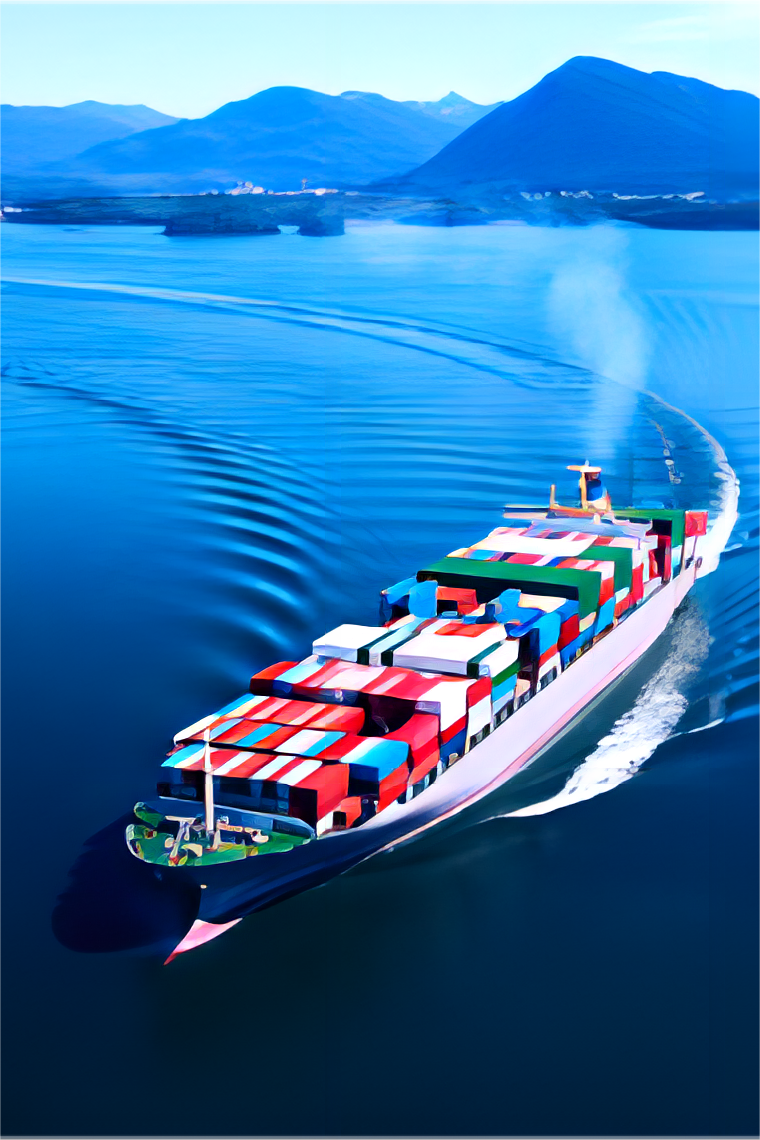
Choosing this service ensures that your shipment remains sealed from the point of origin until it reaches its final destination. Moreover, it allows for faster handling at ports since the container does not need to be deconsolidated. Businesses often prefer this method when they have enough volume to fill at least half of a 20ft container.

Furthermore, sea freight remains the backbone of trade between these two nations. It provides a balance between cost-efficiency and the ability to move massive quantities of products. Indeed, most industrial equipment and consumer electronics move via this reliable logistics channel.
Additionally, professional forwarders manage the entire lifecycle of the shipment. They handle everything from container booking to final delivery at the Australian warehouse. This end-to-end management minimizes the administrative burden on the importer while maximizing supply chain transparency.
Why Choose FCL Over Other Shipping Methods?
One of the primary advantages of FCL is the increased security it provides for high-value or fragile items. Since the container is dedicated to your cargo, there is less physical handling involved compared to consolidated shipments. Therefore, the likelihood of transit-related damage is much lower for your valuable inventory.
In addition, FCL shipping is generally faster than LCL because it bypasses the time-consuming consolidation and deconsolidation processes. As a result, your goods can clear the port and reach your warehouse several days sooner. This speed is crucial for maintaining inventory levels and meeting customer demand in the Australian market.
However, cost is often the deciding factor for many growing businesses. While the total price for a full container is higher, the cost per unit of cargo is usually much lower than other methods. This economy of scale makes professional FCL shipping from China to Australia the most logical choice for bulk shipments.
Nevertheless, importers should also consider the flexibility of container types. You can choose between 20GP, 40GP, or 40HQ containers based on your specific volume requirements. This variety allows you to optimize your shipping strategy and reduce wasted space during transport.
Major Shipping Routes and Transit Times to Australia
Shipping routes from China to Australia are well-established and highly efficient. Most vessels depart from major northern ports like Tianjin or central hubs like Shanghai and Ningbo. Additionally, southern ports such as Shenzhen and Guangzhou offer frequent departures to Australian coastal cities.
Transit times vary depending on the specific port of loading and the destination in Australia. For example, a direct route from Shenzhen to Sydney typically takes between 12 and 15 days. On the other hand, shipping from northern China to Melbourne might take 18 to 22 days due to the longer distance.
Specifically, Australia has several major ports that handle the bulk of international container traffic. Sydney, Melbourne, Brisbane, and Fremantle are the primary gateways for goods entering the country. Each port has its own customs procedures and local transport networks.
Meanwhile, seasonal factors can influence these schedules. During peak seasons or around the Lunar New Year, port congestion may lead to slight delays. Therefore, it is essential to plan your shipments well in advance to avoid disruptions in your delivery schedule.
| Departure Port | Destination Port | Transit Time (Days) | Frequency |
|---|---|---|---|
| Shenzhen | Sydney | 12-14 Days | Daily |
| Shanghai | Melbourne | 16-18 Days | Bi-weekly |
| Ningbo | Brisbane | 15-17 Days | Weekly |
| Qingdao | Fremantle | 20-25 Days | Weekly |
Understanding the Costs of Professional FCL Shipping
Calculating the total cost of professional FCL shipping from China to Australia involves several different components. The base ocean freight rate is the most significant part, but it is not the only expense you will encounter. Importers must also account for local charges at both the origin and destination ports.
For instance, air freight is much more expensive and usually reserved for urgent shipments. In contrast, FCL sea freight offers a more sustainable budget for long-term operations. You should also consider terminal handling charges and documentation fees when budgeting.
Moreover, freight rates are subject to market fluctuations based on fuel costs and carrier capacity. As of early 2025, rates have remained relatively stable compared to previous years. However, it is always wise to obtain a real-time quote to ensure accuracy for your specific shipment parameters.
Note: Freight rates are subject to change based on fuel costs, carrier capacity, and seasonal demand. Contact us for a current quote tailored to your specific shipment.
| Container Type | Average Cost (USD) | Max Weight (kg) | Volume (CBM) |
|---|---|---|---|
| 20GP Container | $800 – $1,200 | 28,000 | 33 CBM |
| 40GP Container | $1,200 – $1,800 | 26,000 | 67 CBM |
| 40HQ Container | $1,400 – $2,000 | 26,000 | 76 CBM |
How Does Professional FCL Shipping from China to Australia Compare to Other Shipping Options?
Comparing FCL to other methods is essential for optimizing your logistics strategy. While FCL offers the best unit price for large volumes, LCL might be better for small trial shipments. Similarly, express services are ideal for documents or small samples but are cost-prohibitive for bulk goods.
Furthermore, it is important to note that rail freight is not a viable option for this specific route. Unlike the China-Europe corridor, there are no tracks connecting China to the Australian continent. Consequently, sea and air remain the only two primary modes of transport available.
Choosing the right method depends on your priorities regarding speed, budget, and cargo safety. For most established importers, the reliability of FCL outweighs the higher upfront cost of renting a full container. Indeed, the reduced risk of damage alone can save thousands of dollars in potential losses.
To summarize, a hybrid approach is sometimes used where urgent items go by air while the bulk of the stock follows by sea. This strategy ensures that you never run out of stock while keeping your overall shipping costs manageable.
| Method | Cost Range | Transit Time | Best For |
|---|---|---|---|
| FCL Sea | $800 – $2,000 | 12-25 Days | Bulk Goods |
| LCL Sea | $50 – $150/CBM | 15-30 Days | Small Loads |
| Air Freight | $4 – $8/kg | 3-7 Days | Urgent Cargo |
| Express | $10 – $15/kg | 2-5 Days | Samples/Docs |
Navigating Customs and Regulatory Requirements
Clearing customs in Australia requires strict adherence to local regulations and accurate documentation. The Australian Border Force is known for its thoroughness, especially regarding biosecurity and prohibited items. Therefore, working with a professional customs brokerage is highly recommended for new importers.
Specifically, you must provide a commercial invoice, a detailed packing list, and a Bill of Lading. Additionally, certain products may require specific permits or certificates of origin to qualify for reduced tariffs. Failure to provide correct paperwork can lead to expensive storage fees and significant delays.
Moreover, Australia has strict wood packaging requirements to prevent the introduction of pests. All wooden pallets or crates must be treated and marked according to ISPM 15 standards. Consequently, ensuring your supplier in China complies with these rules is vital for a smooth entry.
Indeed, understanding the Goods and Services Tax (GST) and import duties is also crucial for your financial planning. Most goods imported into Australia are subject to a 10 percent GST. However, certain trade agreements between China and Australia can provide significant duty concessions for eligible products.
Step-by-Step Guide to the FCL Shipping Process
The process begins with selecting a reputable freight forwarder who understands the China-Australia trade lane. Once you have a quote, you can book your container and arrange for the cargo to be picked up. Professional door to door services can simplify this entire sequence for you.
Next, the container is loaded at the factory or a designated warehouse in China. It is then transported to the port of loading where it undergoes export customs clearance. After clearing, the container is loaded onto the vessel for its journey across the Pacific Ocean.
During the voyage, you can track your shipment using the container number provided by the carrier. Upon arrival at the Australian port, the container is unloaded and prepared for import customs clearance. Finally, once the duties are paid and the cargo is released, a local truck delivers it to your door.
Accordingly, maintaining clear communication with your logistics provider at every step is key. They will notify you of any changes in the schedule or additional requirements from customs officials. This proactive approach ensures that your supply chain remains resilient and predictable.
Real-World Case Studies of FCL Shipments to Australia
Case Study 1: Electronics from Shenzhen to Sydney. A retail business imported 25 CBM of consumer electronics using a 20GP container. The route was a direct service from Shenzhen to Sydney with a total transit time of 14 days. Ocean freight cost $1,100, and the total landed cost was $1,450. The shipment was successful due to accurate documentation and efficient port handling.
Case Study 2: Furniture from Ningbo to Melbourne. A home decor company shipped 55 CBM of wooden furniture in a 40HQ container. The transit took 18 days from Ningbo to Melbourne with a total door-to-door timeline of 25 days. The total cost, including ocean freight and destination charges, was $2,300. The key insight was the importance of ISPM 15 compliance for the wooden packaging to avoid biosecurity delays.
Based on Q3 2024 market rates, these examples reflect typical scenarios for businesses importing from China. Each case highlights the importance of choosing the right container size to maximize space utilization. Furthermore, proactive planning helped these companies avoid peak season surcharges and port congestion issues.
Which Option Should You Choose? A Decision Framework
Deciding on the best shipping method requires an analysis of your specific business needs and cargo characteristics. If your shipment volume exceeds 15 CBM, FCL is almost always the most economical choice. However, if you are shipping small quantities of high-value goods, air freight might be more appropriate.
For budget-conscious businesses, sea freight is the clear winner for long-term sustainability. On the other hand, if speed is your top priority to meet a strict deadline, express or air services are necessary. You must weigh the trade-offs between cost and transit time carefully.
Cargo type also plays a significant role in your decision-making process. Fragile or hazardous materials often require the dedicated space and security of a full container. Conversely, durable goods in smaller quantities can be safely handled through LCL consolidation without significant risk.
Finally, consider the stability of your supply chain and the reliability of your logistics partner. A professional forwarder can provide a hybrid solution that combines different methods to optimize both cost and speed. Without a doubt, expert advice is the most valuable tool in navigating international shipping.
Summary of Professional FCL Shipping Benefits
In conclusion, professional FCL shipping from China to Australia remains the most efficient way to move large volumes of goods. By utilizing an entire container, businesses benefit from enhanced security, faster transit times, and lower unit costs. Throughout this guide, we have explored the essential factors including costs, transit times, and customs requirements.
Success in international trade depends on meticulous planning and choosing the right logistics partners. Whether you are importing electronics, furniture, or industrial machinery, FCL provides the reliability your business needs. We encourage you to apply the insights from this guide to optimize your shipping strategy and grow your operations in the Australian market.
Ready to streamline your logistics?
If you are looking for professional FCL shipping from China to Australia, contact our team today for a customized quote. We provide end-to-end support to ensure your cargo reaches its destination safely and on time. Send Inquiry
Request Quote