


Cheap Shipping from China Factory Shipping: 2025 Cost Optimization Guide. Options: 1. Cheap Shipping from China Factory
Finding cheap shipping from china factory shipping remains a top priority for global importers looking to maximize their profit margins in a volatile market. Top China Freight offers specialized logistics solutions that simplify the complex process of transporting goods from Chinese manufacturing hubs to international destinations. This comprehensive guide provides actionable insights into reducing freight expenditures while maintaining a reliable and efficient delivery schedule for your business operations.
Why is Cheap Shipping from China Factory Shipping Critical in 2025?
Global trade dynamics have shifted significantly over the past year, making cost-effective logistics more important than ever for small and large enterprises alike. Consequently, businesses must scrutinize every aspect of their supply chain to identify potential savings without sacrificing the safety of their cargo.
High freight rates can quickly erode the advantages of low manufacturing costs found in Chinese factories. Therefore, understanding the nuances of international logistics is the first step toward achieving a sustainable competitive advantage in your specific industry.
Moreover, the volatility of fuel prices and seasonal demand requires a proactive approach to booking and carrier selection. Indeed, those who plan ahead and utilize data-driven strategies often secure the most favorable rates available in the current market.
Primary Methods for Cheap Shipping from China Factory Shipping
Selecting the right transportation mode is the most influential factor in determining your total landed cost. While speed is often a requirement, choosing a slower method like sea freight can result in substantial savings for bulk shipments.
Air transport offers unparalleled speed but comes with a much higher price tag, making it suitable only for high-value or time-sensitive items. Alternatively, rail freight provides a balanced middle ground for shipments moving toward European destinations.
Meanwhile, express services are ideal for small parcels and samples that require door-to-door convenience. Each method has distinct advantages that must be weighed against your specific budget and delivery timeline requirements.
| Method | Cost Level | Transit Time | Best For |
|---|---|---|---|
| Sea Freight | Very Low | 30-45 Days | Bulk Goods |
| Rail Freight | Moderate | 15-22 Days | Mid-sized Cargo |
| Air Freight | High | 5-10 Days | Urgent Items |
| Express | Very High | 3-5 Days | Small Parcels |
How Does Sea Freight Compare to Other Shipping Options?
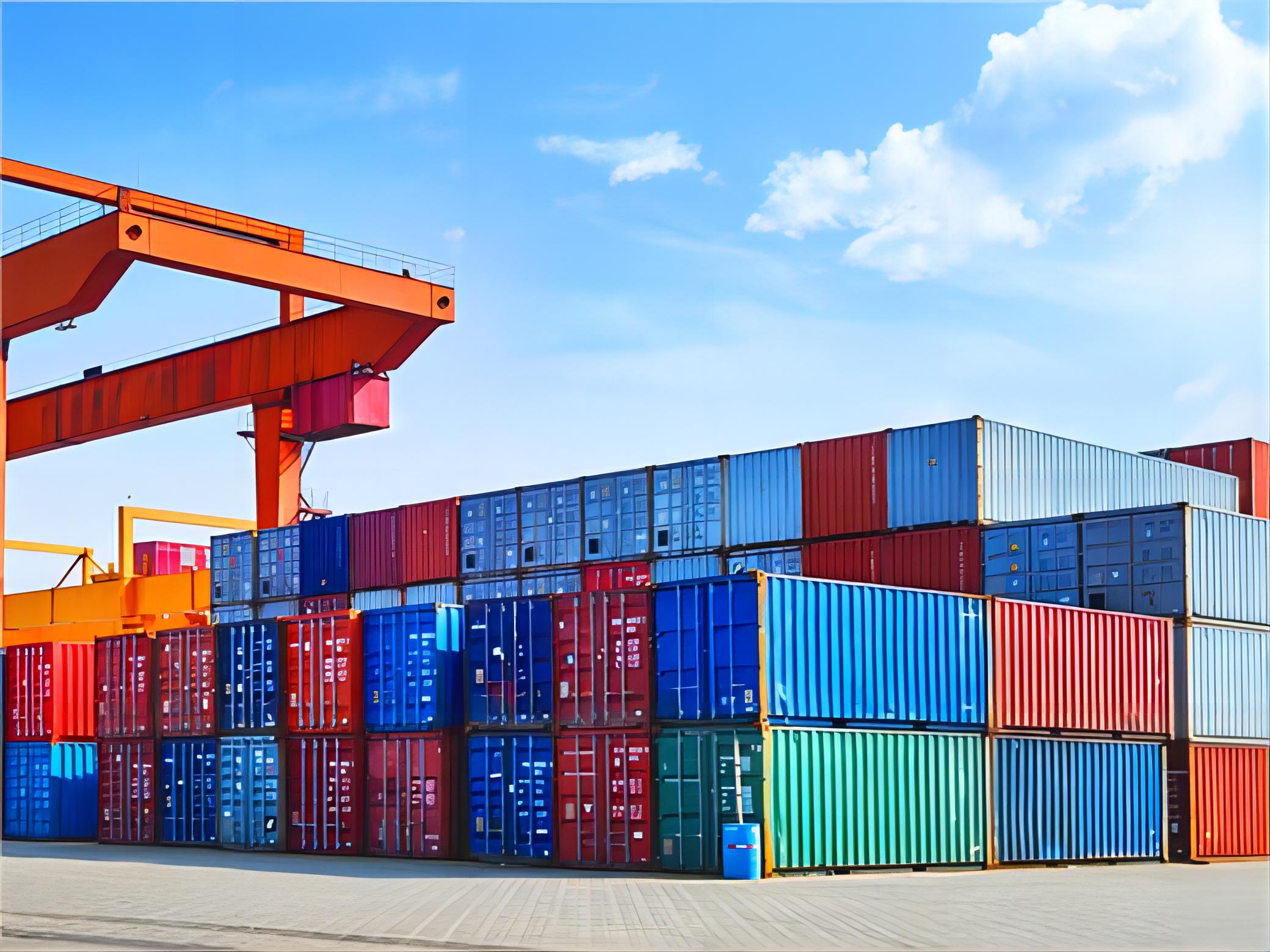
Ocean transport remains the backbone of international trade due to its massive capacity and economical pricing structures. However, importers must choose between Full Container Load (FCL) and Less than Container Load (LCL) based on their total cargo volume.
For shipments exceeding 15 cubic meters, FCL is generally more cost-effective because it provides a dedicated space and reduces handling risks. On the other hand, LCL allows smaller businesses to share container space, though it may involve slightly longer processing times at consolidation hubs.
Specifically, sea freight costs for a 40HQ container to Europe might range from $3,000 to $4,200, whereas air freight for the same volume would be prohibitively expensive. This makes maritime transport the undisputed leader for achieving cheap shipping from china factory shipping.
| Method | Avg Cost | Best For | Limitations |
|---|---|---|---|
| Sea FCL | $1,500-$4,000 | Large Inventory | Slow Speed |
| Sea LCL | $50-$150/CBM | Small Batches | Handling Delay |
| Rail Cargo | $2,000-$3,500 | Europe Routes | Limited Access |
| Air Cargo | $4-$8/kg | Electronics | High Expense |
Navigating Customs Brokerage for Cost Savings
Hidden costs often emerge during the clearance process if documentation is incomplete or inaccurate. Utilizing a professional customs brokerage service ensures that your goods comply with all local regulations and tariff requirements.
Furthermore, experienced brokers can help you identify specific trade agreements that might reduce or eliminate import duties. Consequently, this expertise prevents costly delays and potential fines that could otherwise negate your shipping savings.
Accuracy in Harmonized System (HS) code classification is vital for determining the correct duty rates. Accordingly, double-checking these codes with your supplier before the cargo leaves the factory can save significant amounts of money.
Real Case Studies in Cheap Shipping from China Factory Shipping
Examining real-world examples provides a clearer picture of how logistics strategies translate into actual savings. These cases reflect market conditions from late 2024 and early 2025, highlighting the importance of route selection and method choice.
Case Study 1: Electronics to North America Route: Shenzhen, China to Los Angeles, USA Cargo: Consumer Electronics, 28 CBM, 4500 kg Container: 40GP Shipping Details: – Carrier/Service: Major Ocean Carrier – Port of Loading: Shenzhen – Port of Discharge: Los Angeles – Route Type: Direct Cost Breakdown: – Ocean Freight: $2,800 – Origin Charges: $450 – Destination Charges: $600 – Customs and Duties: $1,200 – Total Landed Cost: $5,050 Timeline: – Booking to Loading: 4 days – Sea Transit: 16 days – Customs Clearance: 3 days – Total Door-to-Door: 23 days Key Insight: Using a direct route to the West Coast saved 12 days compared to East Coast ports.
Case Study 2: Home Decor to Europe Route: Ningbo, China to Hamburg, Germany Cargo: Wooden Furniture, 65 CBM, 8000 kg Container: 40HQ Shipping Details: – Carrier/Service: COSCO – Port of Loading: Ningbo – Port of Discharge: Hamburg – Route Type: Transshipment via Singapore Cost Breakdown: – Ocean Freight: $3,850 – Origin Charges: $500 – Destination Charges: $750 – Customs and Duties: $900 – Total Landed Cost: $6,000 Timeline: – Booking to Loading: 6 days – Sea Transit: 34 days – Customs Clearance: 4 days – Total Door-to-Door: 44 days Key Insight: Transshipment offered a $400 saving over direct routes during peak season.
Additional routes to North America and Europe demonstrate that costs vary significantly based on port congestion and regional demand. Therefore, always request a current quote to reflect the most recent market fluctuations.

Which Option Should You Choose?
Determining the best logistics path requires a careful analysis of your business priorities and cargo characteristics. If your primary goal is to minimize expenditure, sea freight is almost always the superior choice for large volumes.
However, if you are shipping to Amazon FBA, you must also consider strict delivery windows and labeling requirements. In these cases, a hybrid solution or a dedicated FCL shipment might be necessary to avoid platform penalties.
Consider the following decision framework: Budget priority leads to sea freight, while speed priority necessitates air freight. For balanced needs, rail freight or sea-air combinations offer a viable alternative for many importers.
Strategies for Reducing Landed Costs and Shipping Fees
Consolidating shipments from multiple suppliers into a single container is one of the most effective ways to lower your per-unit cost. Instead of paying for multiple LCL shipments, you can combine them at a warehouse near the port of loading.
Negotiating Incoterms is another critical strategy for securing cheap shipping from china factory shipping. While many factories offer CIF (Cost, Insurance, and Freight), choosing FOB (Free on Board) gives you more control over the carrier selection and pricing.
Additionally, optimizing your packaging to reduce dead space can significantly lower your volume-based charges. Indeed, even a small reduction in box dimensions can lead to thousands of dollars in annual savings for high-volume importers.
Market Trends and Forecasts for 2025
As of early 2025, freight rates from China have shown signs of stabilization following the disruptions of previous years. Nevertheless, environmental regulations and fuel surcharges continue to influence the baseline cost of global logistics.
Digitalization in the supply chain is also helping importers track their cargo more accurately and identify bottlenecks in real-time. Consequently, businesses that embrace these technological tools can respond more quickly to changes in the delivery schedule.
Finally, the growth of regional trade hubs in Southeast Asia is creating new transshipment opportunities that may offer lower rates for certain routes. Staying informed about these logistics trends is essential for any business relying on international trade.
Final Thoughts on Achieving Cheap Shipping from China Factory Shipping
Securing cheap shipping from china factory shipping requires a combination of strategic planning, method selection, and expert partnership. By understanding the trade-offs between speed and cost, businesses can build a resilient supply chain that supports long-term growth.
Remember that the cheapest option is not always the most efficient if it results in damaged goods or missed deadlines. Therefore, focus on finding the best value by considering the total landed cost and the reliability of your logistics provider.
To summarize, stay proactive, monitor market trends, and always verify your documentation to ensure a smooth and cost-effective shipping experience from China to your warehouse.

Ready to streamline your logistics?
Take control of your logistics costs today by partnering with experts who understand the complexities of international trade. Contact Top China Freight to receive a customized quote for cheap shipping from china factory shipping that meets your specific business needs. Send Inquiry: https://Top China Freight.com/contact-us/
Request Quote