- By Della tj
- September 4, 2025
- Uncategorized
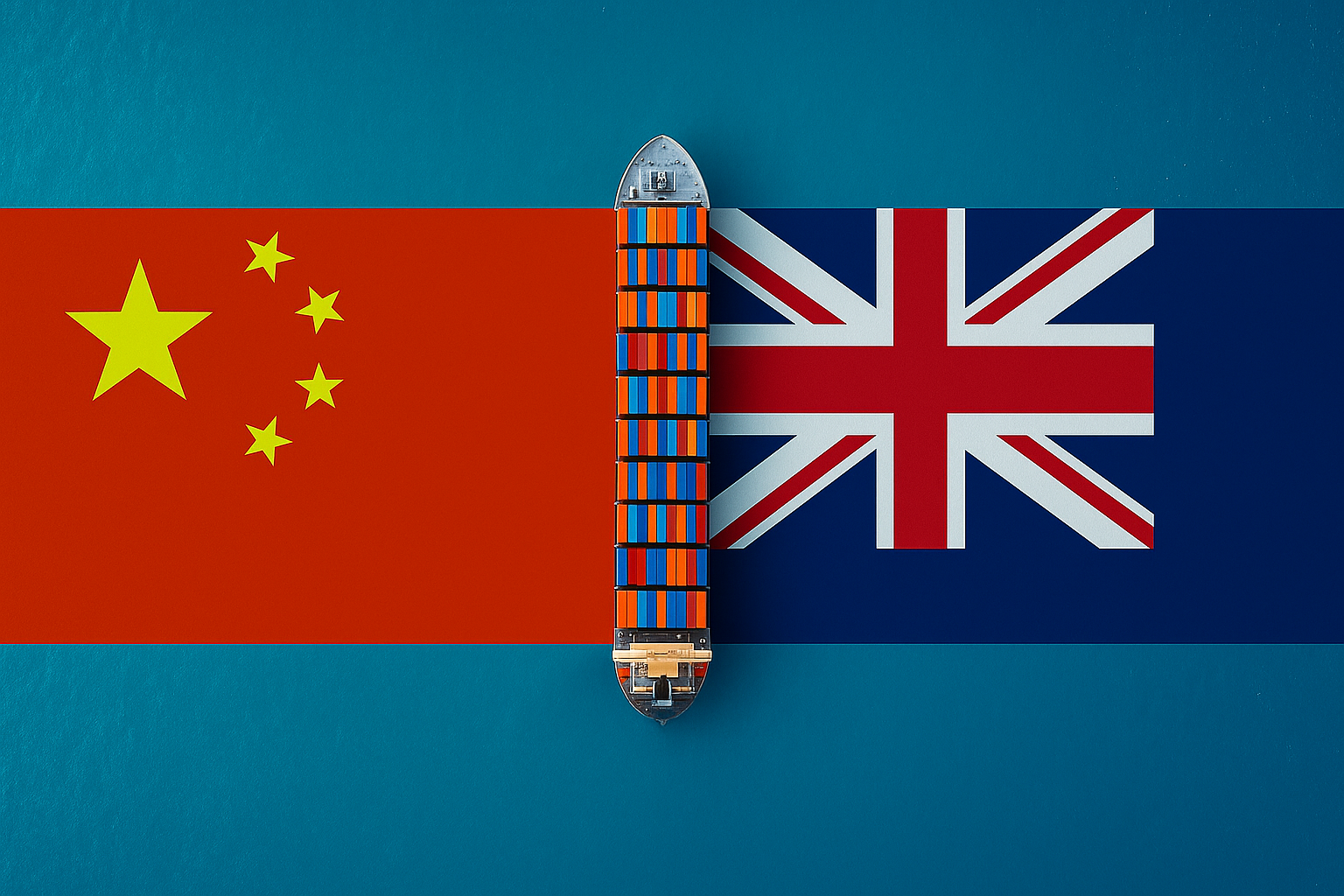
Trade between China and the UK continues to grow as e-commerce, industrial machinery, and consumer goods dominate imports. Finding the cheapest shipping from China to UK is critical for businesses and individuals who want to reduce logistics costs without compromising delivery reliability. However, understanding freight options, customs procedures, and transit times can be confusing. This article explains the costs, methods, documents, and strategies to help you achieve cost-efficient shipping.
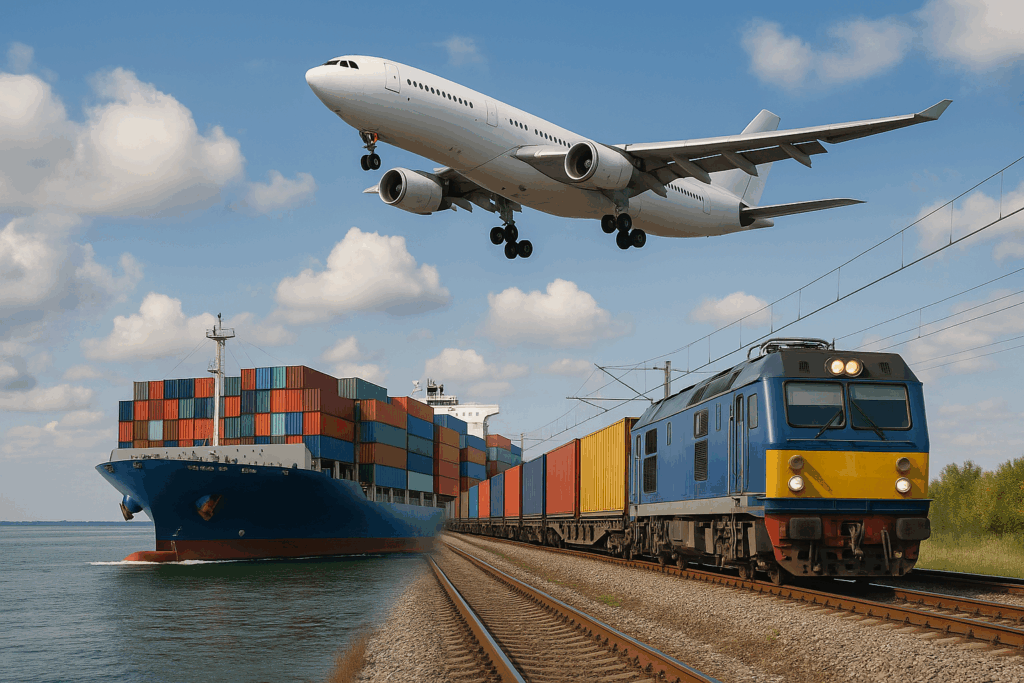
There are three primary shipping methods available: sea freight, air freight, and rail freight. Each comes with its own cost, time, and suitability.
| Factor | Sea Freight (FCL/LCL) | Air Freight | Rail Freight (via Europe) |
|---|---|---|---|
| Cost per kg/unit | Lowest (bulk cargo) | Highest (3–6x more) | Mid-range (cheaper than air) |
| Transit Time | 30–40 days | 5–10 days | 18–22 days |
| Cargo Type | Heavy, bulky goods | Urgent, high-value items | General consumer goods |
| Environmental Impact | Low per unit | High carbon footprint | Moderate footprint |
Accordingly, most importers choose sea freight for bulk orders, while SMEs often use rail or air depending on urgency.
Freight charges depend on cargo weight, volume, and shipping method.
| Method | Rate Type | Estimated Cost (USD) |
|---|---|---|
| FCL 20GP | Per container | $2,000 – $2,400 |
| FCL 40GP | Per container | $3,700 – $4,200 |
| LCL | Per CBM | $80 – $120 |
| Air Freight | Per kg | $5.00 – $8.50 |
| Rail Freight (LCL) | Per CBM | $140 – $180 |
| Rail Freight (FCL) | Per container | $5,000 – $5,500 |
In addition, handling, customs, and delivery charges apply at both origin and destination.
Goods from China typically move through major seaports and airports.
| Origin (China) | Route / Hub | Destination (UK) | Average Transit |
|---|---|---|---|
| Shanghai | Suez Canal | Felixstowe / London | 32–36 days |
| Shenzhen | Via Singapore / Rotterdam | Southampton | 30–35 days |
| Ningbo | Direct via Suez | Felixstowe | 34–38 days |
| Beijing | Air freight (direct flights) | London Heathrow | 6–8 days |
| Chengdu | Rail via Kazakhstan & Poland | Felixstowe / London | 18–22 days |
On the other hand, multimodal options combine sea, rail, and trucking to reduce overall lead time.
| Shipping Method | Average Transit Time |
|---|---|
| Sea Freight (FCL) | 30–40 days |
| Sea Freight (LCL) | 35–45 days (with consolidation) |
| Air Freight | 5–10 days |
| Rail Freight | 18–22 days |
| Express Courier | 3–5 days |
Although air is the fastest, sea freight remains the cheapest for large shipments.
Proper paperwork ensures smooth customs clearance.
| Document | Purpose |
|---|---|
| Bill of Lading (B/L) | Proof of shipment and ownership |
| Commercial Invoice | Declares product value for duties |
| Packing List | Detailed breakdown of cargo |
| Certificate of Origin | Confirms where goods were produced |
| Import License (if needed) | Required for restricted goods |
| Customs Entry Form (C88) | Used by HMRC for clearance |
Without a doubt, accurate documentation prevents costly delays and fines.
Several factors determine final charges:
- Cargo Weight & Volume – Heavier shipments cost more in air freight.
- Container Type – Standard, reefer, or special equipment impact pricing.
- Seasonality – Peak seasons (Chinese New Year, Christmas) push up rates.
- Fuel Prices – Oil fluctuations affect bunker adjustment factors.
- Port Charges – UK port handling fees add to landed cost.
- Incoterms – FOB, CIF, or DDP define who pays what.
Moreover, global shipping alliances and trade policies can influence rates.
| Mode | Pros | Cons |
|---|---|---|
| Sea Freight | Cheapest, scalable, good for bulk cargo | Slow, risk of congestion delays |
| Air Freight | Fast, reliable, best for urgent goods | Expensive, weight restrictions |
| Rail Freight | Balanced cost/time, eco-friendly | Limited capacity, route dependency |
| Courier | Door-to-door, fast, simplified clearance | Very costly for large shipments |
To summarize, the cheapest shipping from China to UK is generally by sea, while express courier is only ideal for small urgent packages.
Several strategies can help lower costs:
- Book Early: Carriers offer discounts for early reservations.
- Consolidate Shipments: Combine multiple orders into FCL to save per unit.
- Avoid Peak Seasons: Ship off-peak to avoid high rates.
- Optimize Packaging: Reduce CBM to minimize wasted space.
- Use FOB Terms: Gain flexibility in selecting forwarders.
For example, many importers save 10–15% by consolidating LCL cargo in Shenzhen before departure.
Case 1: Electronics Shenzhen → London
- Cargo: 40HQ, 65 CBM of electronics
- Freight Cost: $4,600
- Mode: Sea Freight
- Transit: 33 days
- Result: Saved 12% by booking during off-peak season.
Case 2: Garments Ningbo → Manchester
- Cargo: 20GP, 22 tons of textiles
- Freight Cost: $2,300
- Mode: Sea Freight
- Transit: 35 days
- Result: Reduced per-unit costs by consolidating orders.
The cheapest shipping from China to UK is usually via sea freight, especially for full containers. Nevertheless, rail freight offers a balanced alternative, while air suits urgent shipments. To summarize, costs are influenced by volume, seasonality, Incoterms, and carrier choice. Importers who consolidate cargo, plan ahead, and select experienced forwarders achieve significant savings and reliable supply chains.
- Consult TJ China Freight Forwarding for the lowest quote. They will provide you with reliable, cost-effective service.
FAQ:
Q1.What is the cheapest shipping method from China to UK?
Sea freight FCL is the cheapest shipping from China to UK for bulk goods. Although slower, it reduces per-unit costs significantly compared to air freight or courier services.
Q2.Can I ship small cargo without booking a full container?
Yes, LCL shipping allows you to share container space with others. This option is affordable for smaller loads, but consolidation and handling fees slightly increase delivery time.
Q3.How long does it take for international shipping from China to UK?
Sea freight takes 30–40 days, rail freight 18–22 days, air freight 5–10 days, and express courier 3–5 days. Choosing depends on urgency and budget.
Q4.What customs duties should I expect when importing from China?
Duties vary by HS code, declared value, and product category. Electronics often carry higher tariffs, while textiles may be lower. Always confirm with HMRC before shipping.
Q5.Can I get door-to-door shipping from China to UK?
Yes, many freight forwarders offer DDP services covering pickup, sea or air freight, customs clearance, and final delivery in the UK. This option simplifies logistics but adds cost.