


Cheapest Way to Ship Machinery from China to UK: 2025 Logistics Guide
Importing heavy equipment from Asian manufacturing hubs requires a strategic approach to manage high logistics expenses effectively. Finding the cheapest way to ship machinery from China to UK is essential for businesses looking to maintain a competitive edge in the modern market. This guide provides a detailed breakdown of shipping methods, cost-saving strategies, and market insights to help you navigate the complexities of international freight.

What is the Cheapest Way to Ship Machinery from China to UK?
Sea freight remains the most economical solution for transporting heavy machinery across long distances. Specifically, ocean transport offers the lowest cost per unit when compared to air or rail alternatives. Most importers utilize this method because it accommodates oversized cargo that would be physically impossible to move via other channels.
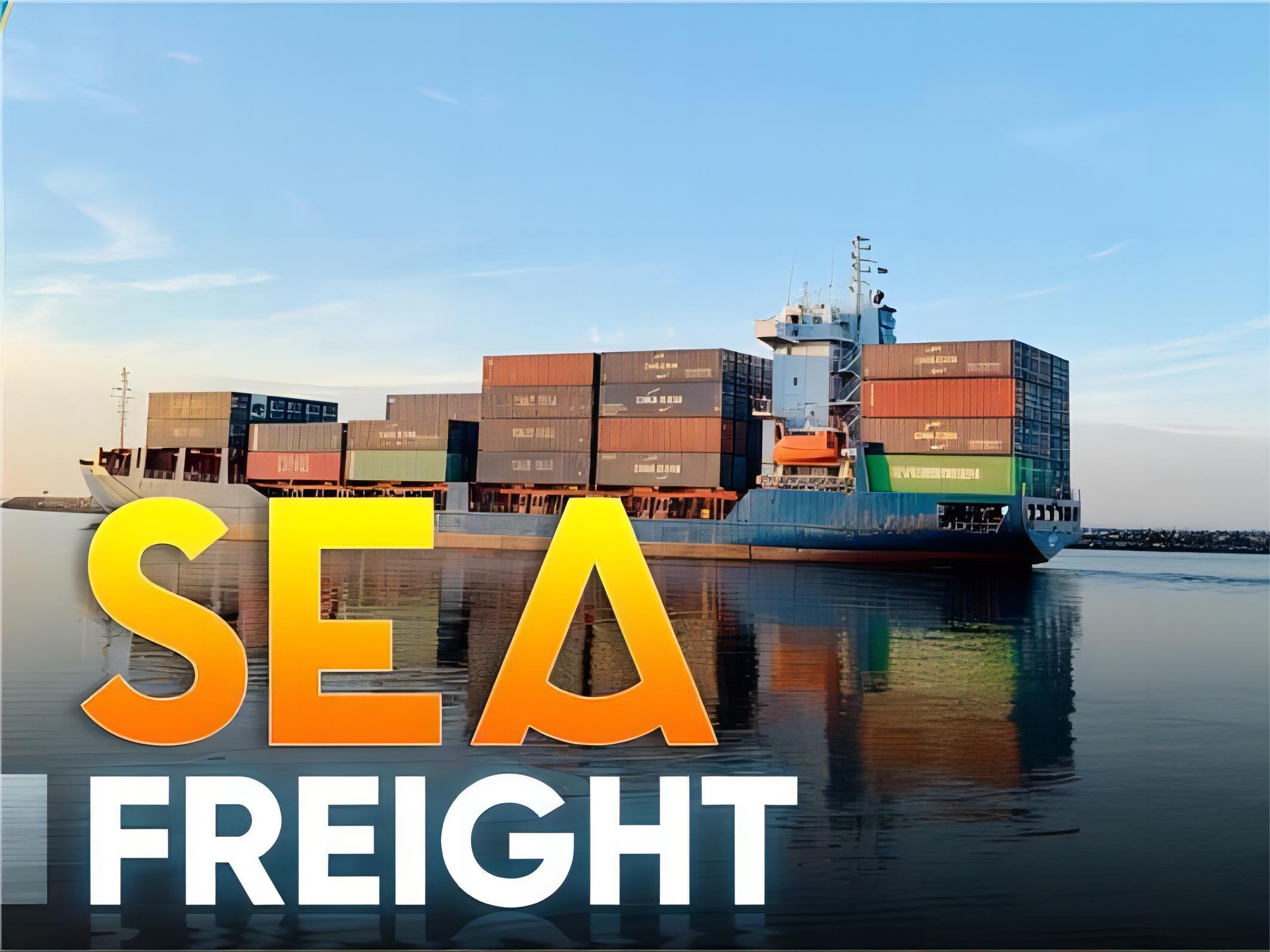
Moreover, the vast network of shipping lanes between major Chinese ports and the UK ensures competitive pricing. Carriers like COSCO and Maersk frequently offer tiered rates that benefit high-volume shippers. Consequently, businesses can leverage these economies of scale to reduce their total landed costs significantly.
Choosing between different container options is the first step in optimizing your budget. While air freight is faster, the price difference for heavy equipment is often several thousand dollars per shipment. Therefore, planning your supply chain around sea transit times is the most effective way to save money.
How Does Sea Freight Compare to Other Shipping Options?
Comparing different logistics modes is vital for determining which method aligns with your budget and timeline. While sea freight is the cheapest, it is also the slowest, taking upwards of 35 days. In contrast, air freight offers rapid delivery but at a premium that often exceeds the value of the machinery itself.
Rail freight has emerged as a viable middle ground for many UK-based importers. It provides a faster transit time than the ocean while remaining significantly cheaper than air transport. However, it is important to note that rail capacity can be limited during peak seasons, affecting overall reliability.
The following table illustrates the primary differences in cost and speed for a standard machinery shipment.
| Shipping Method | Cost Range | Transit Time | Best For |
|---|---|---|---|
| Sea Freight | $2,000 – $4,500 | 30 – 40 Days | Heavy/Bulky Cargo |
| Rail Freight | $4,000 – $7,000 | 18 – 22 Days | Mid-range Budget |
| Air Freight | $15,000 – $25,000 | 5 – 8 Days | Urgent Repairs |
| Express | $20,000+ | 3 – 5 Days | Small Spare Parts |
Why Choose FCL Over LCL for Heavy Machinery?
Full Container Load (FCL) shipping is generally the preferred method for machinery due to safety and cost efficiency. When you book an entire container, your equipment remains undisturbed from the point of loading to the final destination. This reduces the risk of damage that often occurs during the consolidation process in LCL shipments.
Furthermore, FCL rates are often more stable than LCL rates, which are subject to various handling and documentation fees. If your machinery occupies more than 15 cubic meters, paying for a full 20ft container is usually cheaper than paying for individual space. This threshold is a critical decision point for logistics managers aiming to minimize expenses.
Additionally, FCL shipments typically move faster through customs because they do not require deconsolidation. This efficiency helps avoid port storage fees that can accumulate if an LCL shipment is delayed due to another shipper’s paperwork issues. Thus, FCL offers both financial and operational advantages for large-scale imports.
Can Rail Freight Be a Cost-Effective Alternative?
Utilizing rail freight can be a strategic move when project deadlines are tight. Although the base rate is higher than sea freight, the reduced transit time can save money on inventory holding costs. For many businesses, getting machinery operational two weeks earlier justifies the additional transport expense.
Nevertheless, rail transport is subject to specific weight and size restrictions that may not apply to ocean vessels. It is crucial to verify that your machinery fits within standard rail gauge dimensions before booking. If your equipment is oversized, sea freight remains the only viable and cheapest option.
Market data suggests that rail rates have stabilized in early 2025, making it a predictable alternative for transcontinental shipping. Importers should consider this option during the sea freight peak season when ocean rates spike and port congestion increases. In these scenarios, rail can actually become the more economical choice when factoring in potential delay costs.
Understanding Customs and Documentation Costs
Navigating the legal requirements of the UK government is a major component of your total shipping budget. Engaging a professional customs brokerage service can prevent costly errors in HS code classification. Incorrect codes can lead to overpaying on VAT or facing significant fines from HMRC.
Documentation such as the Bill of Lading, Commercial Invoice, and Packing List must be meticulously prepared. Any discrepancies between these documents can result in customs holds and expensive demurrage charges at the port. Consequently, investing in expert document review is a cost-saving strategy in the long run.
Typical customs documents for machinery include the EORI number, proof of origin, and safety compliance certificates. Ensuring these are ready before the ship docks in Felixstowe or Southampton is vital for a smooth transition. Delaying this process is one of the most common reasons for budget overruns in machinery logistics.
| Document Name | Purpose | Required By | Cost Impact |
|---|---|---|---|
| Bill of Lading | Title of Goods | Carrier/Customs | High (if lost) |
| HS Code | Tax Classification | HMRC | Variable Duties |
| Packing List | Cargo Detail | Port Authorities | Inspection Fees |
| Certificate of Origin | Trade Agreements | Customs | Duty Reductions |
Which Option Should You Choose for Your Equipment?
Determining the best route depends on your specific cargo dimensions and your required delivery schedule. If your priority is the absolute lowest price and your timeline is flexible, sea freight is the clear winner. For businesses with urgent operational needs, the speed of rail or air may outweigh the initial cost savings of the ocean.
Consider the volume thresholds when making your decision. For shipments under 15 CBM, LCL might be cheaper, but for anything larger, FCL is almost always better. You should also evaluate the destination port in the UK, as inland haulage costs from the port to your warehouse can vary significantly.
Typical rates as of early 2025 indicate that shipping to Europe and the UK has remained relatively stable. However, seasonal fluctuations during the Golden Week or Chinese New Year can increase costs by 20%. Therefore, booking your shipment at least 4-6 weeks in advance is a proven way to secure the best rates.
Real-World Case Studies for Machinery Shipping
Examining actual shipping scenarios provides a realistic view of what to expect regarding costs and timelines. These cases reflect market conditions from late 2024 and early 2025 for common machinery types. They highlight how different choices impact the total landed cost for UK importers.
Note: Freight rates are subject to change based on fuel costs, carrier capacity, and seasonal demand. Contact us for a current quote tailored to your specific shipment.
Case Study 1: Industrial CNC Machine
Route: Shanghai, China to Felixstowe, UK. Cargo: CNC Milling Machine, 12 CBM, 4,500 kg. Container: 20GP Full Container Load.
Shipping Details: Carrier: Major carrier. Route Type: Direct. Ocean Freight: $2,400. Origin Charges: $350. Destination Charges: $450. Customs and Duties: $1,200. Total Landed Cost: $4,400.
Timeline: Booking to Loading: 5 days. Sea Transit: 33 days. Customs Clearance: 2 days. Total Door-to-Door: 40 days. Key Insight: Choosing FCL instead of LCL saved the client $300 in handling fees and reduced the risk of damage.
Case Study 2: Construction Excavator
Route: Ningbo, China to Southampton, UK. Cargo: Hydraulic Excavator, 28 CBM, 8,200 kg. Container: 40HC (High Cube) Container.
Shipping Details: Carrier: COSCO. Route Type: Direct. Ocean Freight: $3,800. Origin Charges: $500. Destination Charges: $600. Customs and Duties: $2,500. Total Landed Cost: $7,400.
Timeline: Booking to Loading: 7 days. Sea Transit: 35 days. Customs Clearance: 3 days. Total Door-to-Door: 45 days. Key Insight: Using a 40HC container allowed for extra attachments to be shipped in the same unit, maximizing the value of the freight spend.
Tips to Reduce Your Total Landed Cost
Optimizing your packaging can lead to substantial savings by reducing the overall volume of the shipment. If a machine can be partially disassembled to fit into a smaller container, the cost difference can be thousands of dollars. Always consult with your engineers to see if compact packing is a viable option for your equipment.
Furthermore, utilizing a door to door service often results in better overall rates. Freight forwarders who manage the entire journey can negotiate better deals with local truckers and port handlers. This holistic approach also reduces the administrative burden on your staff, allowing them to focus on core business activities.
Finally, always compare quotes from multiple freight forwarders to ensure you are getting the current market rate. Avoid the temptation to choose the lowest quote without verifying the included services, as hidden fees can quickly erase any initial savings. Consistency and transparency are key to finding a long-term logistics partner.
Final Thoughts on Shipping Machinery Economically
Securing the cheapest way to ship machinery from China to UK requires a combination of early planning, correct container selection, and professional customs management. While sea freight is the most affordable option, rail freight provides a valuable alternative for those needing a balance of speed and cost. By understanding the variables that influence freight rates, you can make informed decisions that protect your bottom line.
Remember to factor in all costs, including duties and inland transport, to calculate an accurate landed cost for your equipment. Working with an experienced freight forwarder is the best way to navigate these complexities and avoid common pitfalls. Start planning your next shipment today to take advantage of current market opportunities.
Ready to streamline your logistics?
Ready to secure the most competitive rates for your next machinery shipment? Our team of experts specializes in finding the cheapest way to ship machinery from China to UK while ensuring maximum safety and reliability. Contact Top China Freight today for a personalized quote and let us optimize your international supply chain. Visit our website to get started with your inquiry.
Request Quote