

Food Products Air Freight from China: The Ultimate Logistics Guide
Shipping perishable goods requires a high degree of precision and speed to maintain quality and safety standards. Many businesses rely on food products air freight from china to move time-sensitive inventory across global borders efficiently. By partnering with Top China Freight, you can navigate the complexities of international logistics and ensure your products arrive in peak condition.

Why is food products air freight from China the preferred choice for exporters?
Speed remains the primary reason why global importers choose air transport for their food supplies. Since most food items have a limited shelf life, reducing time in transit is essential to prevent spoilage and financial loss. Consequently, food products air freight from china has become the standard for high-value items like fresh produce, seafood, and premium snacks.
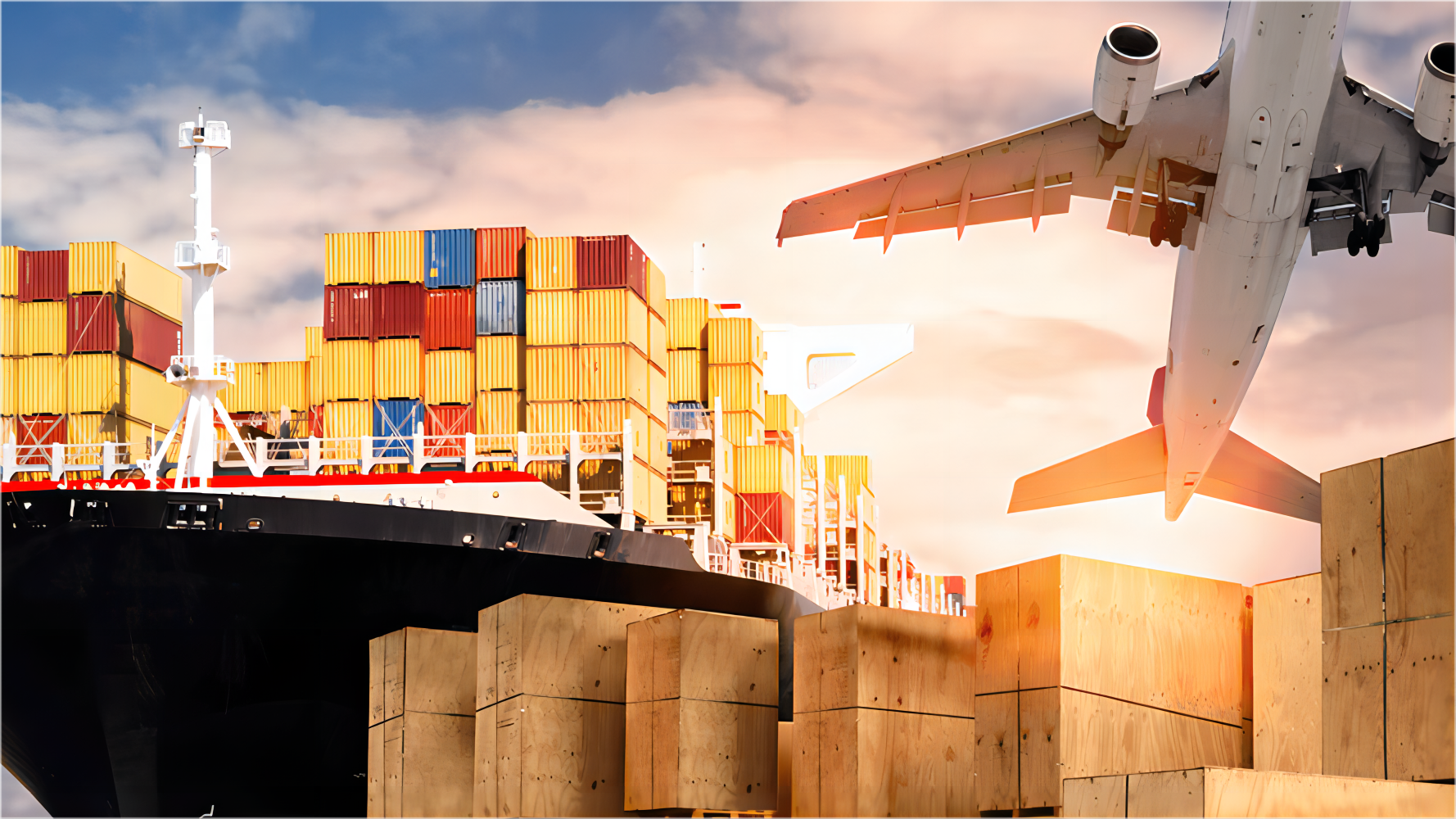
Additionally, air transport offers a more stable environment compared to long ocean voyages. Aircraft cabins are pressurized and temperature-controlled, which helps in maintaining the structural integrity of delicate packaging. Therefore, businesses can reduce the risk of damage that often occurs during the rough handling associated with other shipping methods.
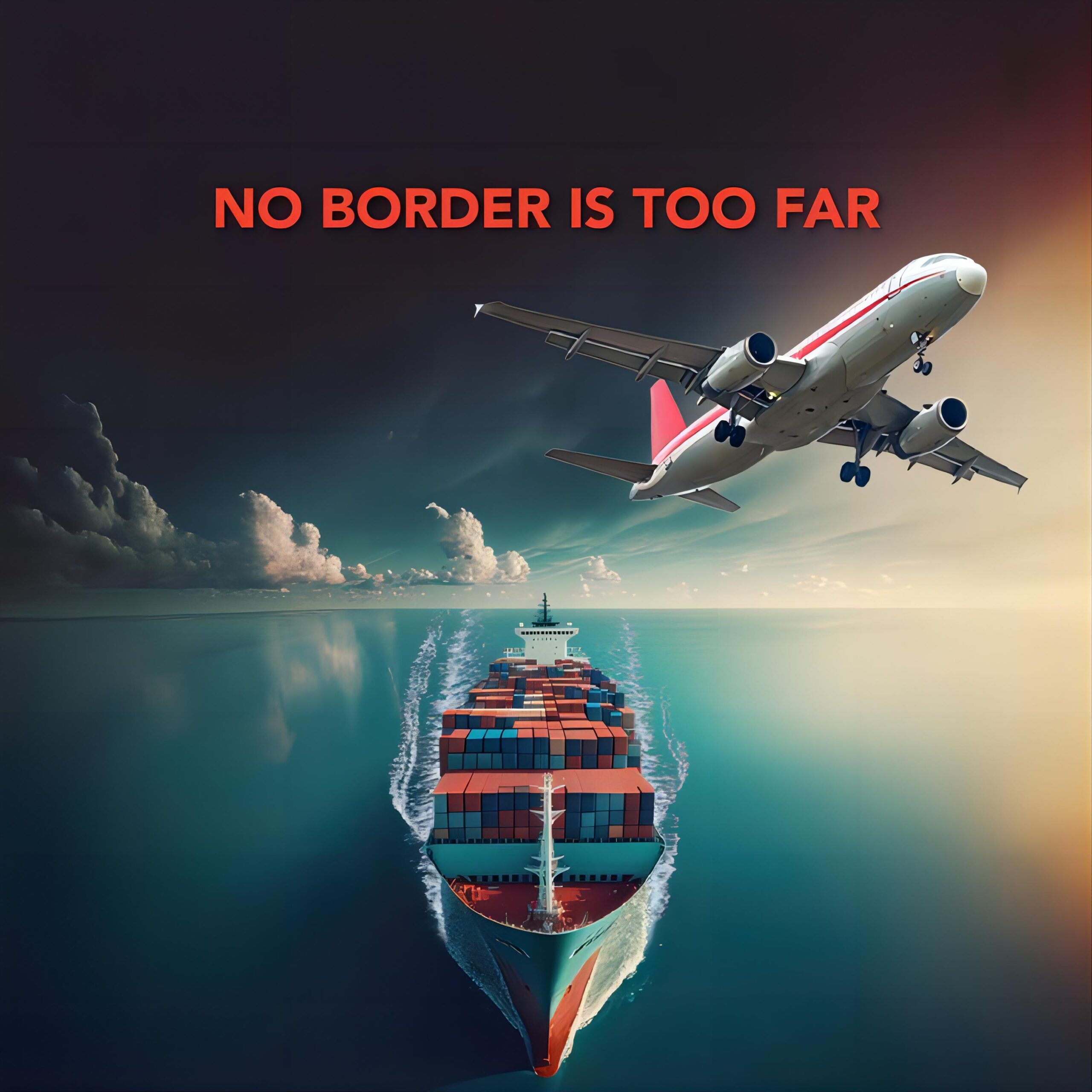
Moreover, the frequent flight schedules between major Chinese hubs and global cities provide unparalleled flexibility. This allows companies to maintain a lean inventory and respond quickly to market demands without waiting for weekly vessel departures. Indeed, the reliability of flight times makes it easier to coordinate the entire supply chain with precision.
What types of food products are suitable for air transportation?
Fresh fruits and vegetables are among the most common items shipped via air freight due to their highly perishable nature. For instance, exotic fruits that ripen quickly must reach their destination within days to remain marketable. Consequently, air cargo provides the necessary speed to bridge the gap between Chinese farms and international grocery shelves.
Frozen seafood and high-quality meats also benefit significantly from the rapid transit times offered by air carriers. These products require strict cold chain management to prevent bacterial growth and ensure consumer safety. Furthermore, specialty processed foods, such as gourmet teas and traditional Chinese snacks, often use air transport to preserve their unique flavors and aromas.
Meanwhile, seasonal delicacies like mooncakes or fresh hairy crabs are almost exclusively moved by air. These items have a very narrow window of peak demand, making any delay costly for the retailer. Accordingly, utilizing air cargo ensures these products hit the market exactly when consumers are looking for them.
How to handle temperature control for food products air freight from China?
Maintaining a consistent temperature is the biggest challenge in food logistics. Logistics providers use specialized active and passive cooling systems to protect the cargo during the flight. For example, active containers use mechanical refrigeration powered by batteries to keep the internal environment at a specific set point.
On the other hand, passive systems rely on insulated packaging and coolants like dry ice or gel packs to maintain temperatures. This method is often more cost-effective for shorter flights or products that are less sensitive to minor fluctuations. Nevertheless, choosing the right packaging material is vital for the success of the shipment.
Furthermore, modern tracking technology allows importers to monitor the temperature of their cargo in real-time. If a deviation occurs, alerts are sent to the logistics team to take corrective action immediately. As a result, the transparency provided by these tools increases the overall security of the food supply chain.
| Food Category | Required Temp Range | Packaging Type | Max Transit Time |
|---|---|---|---|
| Fresh Produce | 2 to 8 Celsius | Insulated Boxes | 72 Hours |
| Frozen Seafood | -18 to -25 Celsius | Dry Ice / Reefers | 96 Hours |
| Chilled Meats | 0 to 4 Celsius | Gel Packs | 48 Hours |
| Dry Goods | 15 to 25 Celsius | Standard Air Cargo | 7 Days |
What documents are required for food products air freight from China?
Navigating the regulatory landscape is a critical step in the shipping process. Every shipment must be accompanied by a comprehensive set of documents to pass through customs smoothly. For instance, a commercial invoice and a detailed packing list are the basic requirements for any international trade.
Specifically, food items require a Health Certificate issued by the relevant Chinese authorities to prove they are fit for consumption. Additionally, a Certificate of Origin is often needed to determine the applicable tariffs and trade agreements. Without these documents, your cargo may face significant delays or even destruction at the port of entry.
Moreover, working with a professional customs brokerage service can help you avoid common pitfalls. They ensure that all labeling requirements, such as ingredient lists and expiration dates, comply with the destination country’s laws. Consequently, you can reduce the risk of costly fines and shipment rejections.
How does food products air freight from China compare to other shipping options?
While air freight is the fastest option, it is also the most expensive. Businesses must weigh the cost against the value of the goods and the urgency of the delivery. For example, low-value bulk items are usually better suited for sea freight, which offers much lower rates per kilogram.
In contrast, rail freight provides a middle ground for shipments moving from China to land-based destinations like Central Asia or Europe. It is faster than the sea but cheaper than the air, making it a viable alternative for non-perishable food items. However, for fresh or frozen goods, the extended transit time of rail usually makes it an impractical choice.
Therefore, the decision often comes down to the specific needs of the product. If the shelf life is less than 30 days, air freight is almost always the mandatory choice. For items with longer shelf lives, a hybrid approach or sea-air solution might offer the best balance of cost and speed.
| Method | Cost Range | Transit Time | Best For | Limitations |
|---|---|---|---|---|
| Air Freight | $5.00 – $12.00 / kg | 3 – 7 Days | Perishables | High Cost |
| Sea Freight | $0.50 – $1.50 / kg | 25 – 45 Days | Bulk Goods | Very Slow |
| Rail Freight | $1.50 – $3.00 / kg | 15 – 22 Days | Processed Food | Limited Routes |
| Express | $8.00 – $20.00 / kg | 2 – 4 Days | Samples | Small Volume |
Which Option Should You Choose for Your Food Shipment?
Choosing the right method depends on several factors including budget, volume, and the nature of the goods. If your priority is speed and the products are highly perishable, then air freight is the only logical solution. This ensures that the goods reach the consumer while they are still fresh and safe.
However, if you are shipping large quantities of canned goods or dried snacks, sea freight might be more economical. This allows you to lower your landed cost and offer more competitive pricing to your customers. Additionally, consider the destination; for example, shipping to Europe via rail is a growing trend for stable food products.
Ultimately, a door to door service can simplify the entire process regardless of the method chosen. This service handles everything from the factory pickup in China to the final delivery at your warehouse. As a result, you can focus on your core business while the logistics experts manage the transit details.
Real-world case studies for food logistics
To illustrate how these concepts work in practice, we have compiled two real-world scenarios. These examples reflect the actual costs and timelines associated with food products air freight from china in the current market. Please note that rates fluctuate based on fuel surcharges and seasonal demand.
Case Study 1: Fresh Organic Tea from Hangzhou to Paris. The client needed to move 350kg of premium spring tea quickly to catch the peak sales season. By utilizing a direct flight from Shanghai, we ensured the product arrived in just 4 days. The total cost was approximately $2,800, including local handling and customs clearance.
Case Study 2: Frozen Dumplings from Shenzhen to Sydney. This shipment involved 800kg of frozen goods that required strict -18 Celsius temperature maintenance. We used specialized active cooling containers and prioritized the cargo for the first available flight. The total transit time was 5 days, with a landed cost of roughly $6,200.
Case Study 1: Premium Tea Export
Case Study 2: Frozen Dim Sum Logistics
Final Thoughts on Shipping Food from China
In conclusion, food products air freight from china is an indispensable service for businesses that prioritize speed and quality. While the costs are higher than other methods, the benefits of reduced spoilage and faster market entry often outweigh the expense. By understanding the documentation and temperature requirements, you can build a resilient supply chain.
Indeed, the success of your food export business depends on the reliability of your logistics strategy. Always stay informed about current market trends and regulatory changes to maintain a competitive edge. With the right planning and professional support, you can successfully navigate the world of international food shipping.
Ready to streamline your logistics?
Managing food products air freight from china requires an experienced partner who understands the nuances of cold chain logistics and international regulations. Contact Top China Freight today to receive a customized quote and ensure your perishable cargo reaches its destination safely and on time.
Request Quote