


China FCL DDP shipping to Norway: A Complete Logistics Guide
Navigating the complexities of international trade requires a reliable partner to manage your logistics needs from start to finish. When you choose Top China Freight, you gain access to streamlined solutions for China FCL DDP shipping to Norway. This comprehensive guide explores how businesses can leverage Full Container Load services and Delivered Duty Paid terms to simplify their import processes. Consequently, you can focus on growing your business while we handle the intricate details of sea freight and customs clearance.
What is China FCL DDP shipping to Norway?
China FCL DDP shipping to Norway represents a specialized logistics arrangement where the seller assumes all responsibilities for the shipment. FCL stands for Full Container Load, meaning your goods occupy an entire container, ensuring better security and faster handling. In addition, DDP or Delivered Duty Paid means the forwarder handles everything including freight, taxes, and duties.
This method is highly beneficial for businesses that prefer a hands-off approach to international logistics. For instance, the freight forwarder manages the pickup from the factory, the ocean voyage, and the final delivery to your warehouse in Oslo or Bergen. Therefore, you do not need to worry about hidden fees or complex Norwegian customs regulations upon arrival.
Choosing this service ensures that your supply chain remains predictable and efficient throughout the year. Moreover, the integration of door to door services eliminates the need for multiple middle-men. As a result, the risk of communication errors or cargo damage during transshipment is significantly reduced.
How Does FCL DDP Compare to Other Shipping Options?
When planning your logistics strategy, it is vital to understand how different methods impact your bottom line and delivery schedule. While FCL DDP is the most comprehensive service, other options like LCL or air freight might suit specific needs. However, for large volumes, FCL remains the industry standard for cost-effectiveness and safety.
Air freight offers the fastest transit times but comes at a significantly higher price point compared to sea-based solutions. On the other hand, rail freight via the New Silk Road provides a middle ground in terms of speed and cost, though it is subject to geopolitical stability. Specifically, FCL DDP provides the best balance for bulk shipments of consumer goods, machinery, or electronics.
The following table provides an objective analysis of the viable alternatives for the China to Norway route. Indeed, selecting the right method depends on your specific cargo volume and urgency requirements.
| Shipping Method | Cost Range | Transit Time | Best For |
|---|---|---|---|
| FCL Sea Freight | $3,000 – $4,800 | 35-45 Days | Bulk goods and large volumes |
| LCL Sea Freight | $150 – $300 per CBM | 40-50 Days | Small shipments under 15 CBM |
| Air Freight | $5.50 – $9.00 per kg | 5-8 Days | High-value or urgent items |
| Rail Freight | $2,500 – $4,000 | 20-25 Days | Time-sensitive bulk cargo |
Why choose FCL over LCL for Norway shipments?
Selecting sea freight in the form of a full container offers several distinct advantages over consolidated shipping. Firstly, FCL shipments are not handled as frequently as LCL shipments, which reduces the possibility of accidental damage. Furthermore, you avoid the delays associated with waiting for other shippers’ goods to fill a container.
Cost efficiency is another major factor when choosing between these two sea-based methods. For shipments exceeding 15 cubic meters, the cost per unit in an FCL container is usually lower than LCL rates. Consequently, businesses with consistent high-volume needs find FCL to be the most sustainable long-term logistics solution.
Moreover, the documentation process for FCL is often simpler because the entire container belongs to one consignee. This leads to faster processing at the port of loading in China and the port of discharge in Norway. Therefore, your cargo moves through the supply chain with fewer administrative hurdles.
What are the primary shipping routes to Norway?
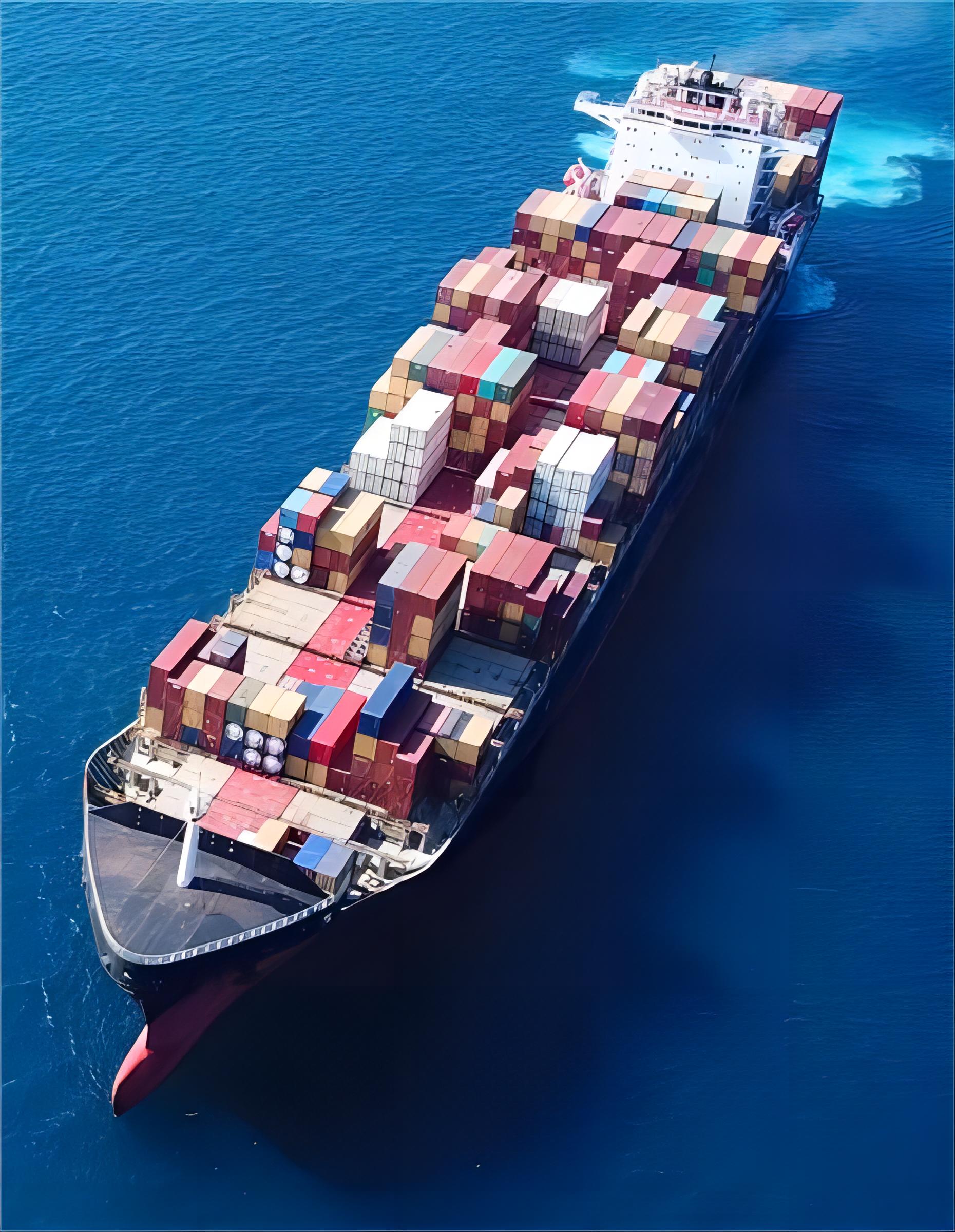
Most shipments from China to Europe and specifically Norway originate from major ports like Shanghai, Ningbo, or Shenzhen. These ports offer frequent departures and competitive rates due to their high volume of traffic. From these locations, vessels typically travel through the Suez Canal before heading north toward Scandinavia.
The main entry points into Norway include the Port of Oslo, the Port of Bergen, and the Port of Stavanger. Depending on the final destination, transshipment may occur at major European hubs like Rotterdam or Hamburg. Nevertheless, a direct booking to a Norwegian port is often preferred to minimize transit time and handling risks.
Transit times for China FCL DDP shipping to Norway generally range from 35 to 45 days. However, factors such as weather conditions and port congestion can influence the final delivery date. Accordingly, it is wise to plan your inventory replenishment well in advance to account for potential seasonal delays.
How to calculate shipping costs for China FCL DDP to Norway?
Calculating the total landed cost for a DDP shipment involves more than just the ocean freight rate. You must account for origin charges, fuel surcharges, and the essential Norwegian VAT and import duties. In addition, the size of the container, whether a 20GP or a 40HQ, significantly impacts the base price.
As of early 2025, market rates have seen some stabilization, yet they remain sensitive to global economic shifts. For example, a 40HQ container from Shenzhen to Oslo might range between $3,500 and $4,500 depending on the carrier and season. Meanwhile, peak seasons often see a price hike of 15-20% due to increased demand.
Note: Freight rates are subject to change based on fuel costs, carrier capacity, and seasonal demand. Contact us for a current quote tailored to your specific shipment.
| Container Type | Capacity (CBM) | Estimated Rate (USD) | Ideal Usage |
|---|---|---|---|
| 20GP Container | 28-30 CBM | $2,000 – $3,000 | Heavy machinery or dense goods |
| 40GP Container | 56-58 CBM | $3,200 – $4,200 | General consumer merchandise |
| 40HQ Container | 68-70 CBM | $3,500 – $4,500 | Lightweight or bulky items |
Which documents are required for Norway customs clearance?
Even with a DDP service, providing accurate documentation is critical for a smooth customs brokerage process. The Norwegian Customs Authority requires specific paperwork to verify the value and origin of the imported goods. Therefore, ensuring all details match the physical cargo is paramount to avoiding fines or delays.
Standard documents include the Commercial Invoice, Packing List, and the Bill of Lading. Furthermore, certain products may require certificates of origin or safety compliance documents like CE marking for electronics. Consequently, working with an experienced freight forwarder ensures that all paperwork is filed correctly before the ship arrives.
The following checklist outlines the essential documents needed for most commercial shipments entering Norway from China. Indeed, having these ready in advance can save days of processing time at the border.
| Document Name | Purpose | Required By |
|---|---|---|
| Commercial Invoice | Value verification and tax calculation | Customs Authority |
| Packing List | Detailed description of container contents | Port Authorities |
| Bill of Lading | Contract of carriage and title to goods | Shipping Line |
| Certificate of Origin | Proof of where goods were manufactured | Trade Regulators |
Real Case Studies of Norway FCL Shipments
Case Study 1: Electronics from Shenzhen to Oslo. A technology retailer imported a 40HQ container of smart home devices. The cargo size was 65 CBM with a total weight of 12,000 kg. Utilizing a major carrier, the shipment moved from Shenzhen to Oslo via transshipment in Rotterdam. The ocean freight cost was $4,200, with total landed costs including duties reaching $6,800. The door-to-door timeline was 42 days, including 3 days for customs clearance. Key Insight: Early booking during the Q3 peak season saved the client approximately 10% on freight rates.
Case Study 2: Furniture from Ningbo to Bergen. A local distributor required a 20GP container for high-end office furniture. The shipment was 26 CBM and weighed 8,500 kg. This was a direct route to Bergen to minimize inland transport costs within Norway. The total ocean freight was $2,400, and the total door-to-door time was 48 days. Key Insight: Choosing a direct port of discharge in Bergen reduced local trucking fees by $500 compared to shipping via Oslo.
These examples reflect typical rates as of early 2025 and demonstrate the importance of selecting the right port and container size. Without a doubt, professional planning is the key to successful international logistics.
Which Option Should You Choose?
Choosing the right logistics strategy depends on your specific business priorities. If budget is your primary concern and you have large volumes, FCL Sea Freight is the undisputed winner. However, if you are shipping smaller quantities or testing a new product line, LCL might be more appropriate initially.
For those who prioritize speed, air freight remains the best option despite the higher cost. Meanwhile, if you want a hassle-free experience where all costs are known upfront, the DDP model is the most effective choice. Specifically, it protects you from fluctuating exchange rates and unexpected local fees in Norway.
Finally, consider the nature of your cargo. Fragile or high-value items benefit from the reduced handling of FCL. In contrast, durable goods in small quantities can often be shipped via LCL without significant risk. To summarize, evaluate your volume, budget, and timeline before making a final decision.
Final Thoughts on Norway FCL DDP Logistics
Successfully managing China FCL DDP shipping to Norway requires a blend of strategic planning and reliable partnerships. By understanding the costs, transit times, and documentation requirements, you can significantly reduce the risks associated with international trade. Furthermore, the DDP model offers unparalleled convenience for businesses looking to simplify their import operations.
As market conditions continue to evolve in 2025, staying informed about logistics trends and freight rates is essential. Whether you are shipping electronics, furniture, or industrial machinery, the right FCL solution will ensure your goods arrive safely and on time. Indeed, investing in quality freight forwarding services is an investment in the long-term growth of your business.
Ready to streamline your logistics?
Streamline your international supply chain today with expert China FCL DDP shipping to Norway solutions. Our team at Top China Freight is ready to provide you with a competitive quote and personalized logistics support. Send Inquiry
Request Quote