

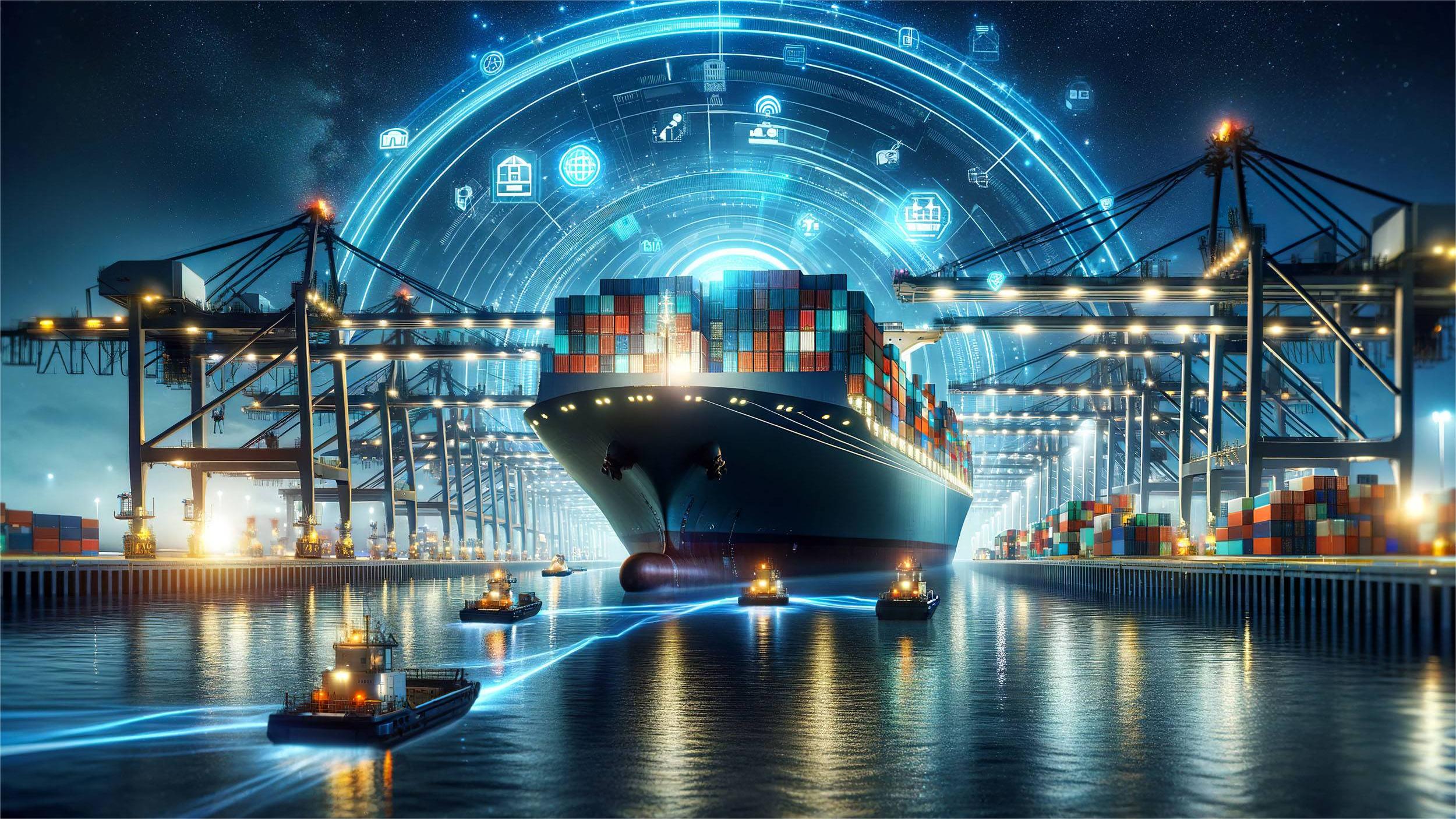
China FCL Export Documentation to Norway: The Essential Guide
Managing international logistics requires a deep understanding of complex paperwork and regulatory standards. When you partner with a professional like Top China Freight, the process becomes significantly more manageable. This comprehensive guide details every aspect of China FCL export documentation to Norway to ensure your cargo moves without delays.
What Is China FCL Export Documentation to Norway?
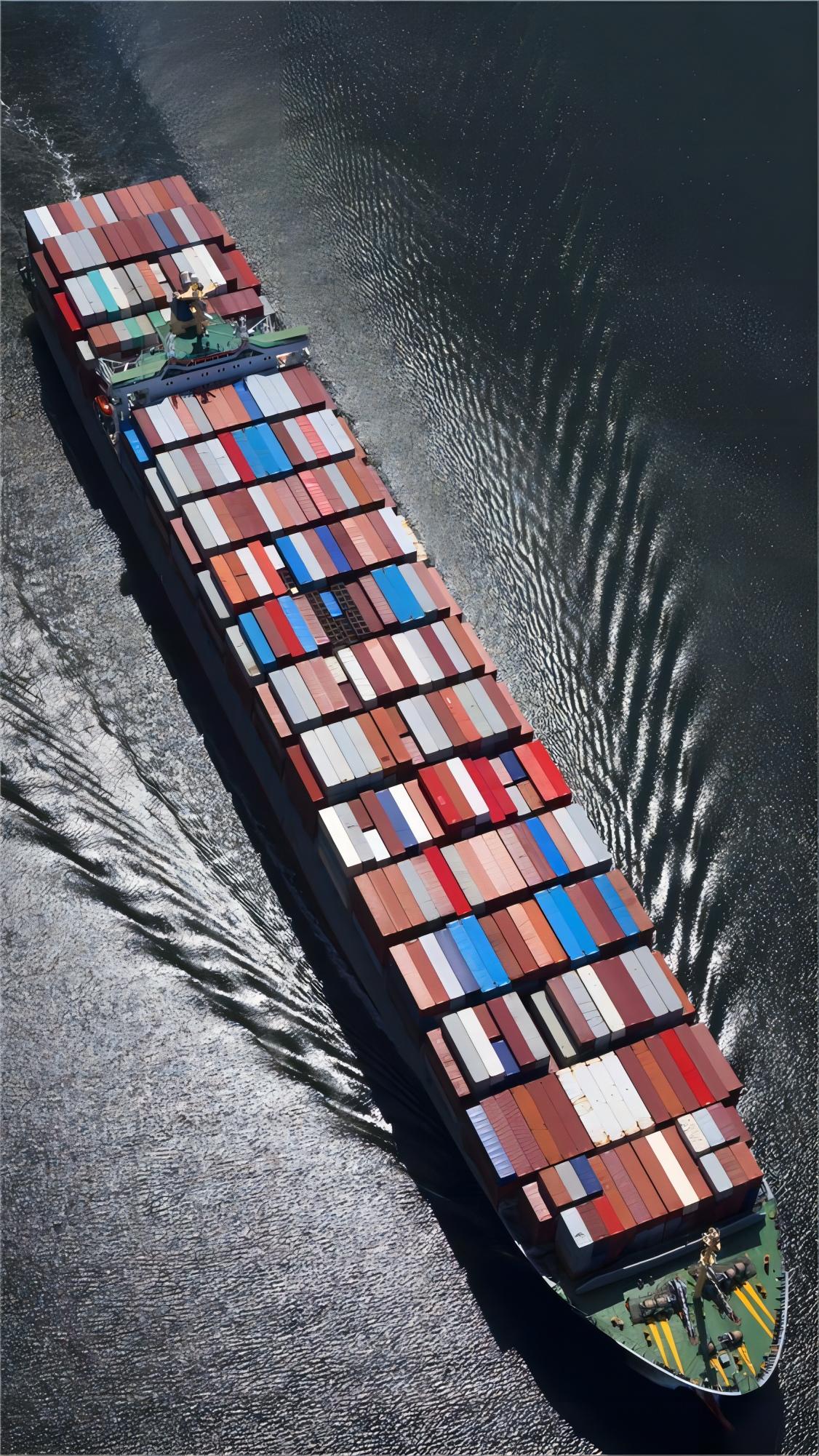
Full Container Load (FCL) shipping involves reserving an entire container for your goods alone. Consequently, the documentation required must reflect the specific volume, weight, and nature of the entire container contents.
Documentation serves as the legal backbone for the transaction between the exporter and the Norwegian importer. Moreover, it provides the necessary data for customs authorities in both countries to assess duties and ensure safety compliance.
Failure to provide accurate China FCL export documentation to Norway can result in severe penalties. Therefore, shippers must prioritize precision when preparing these essential files.
Mandatory Documents for Your FCL Shipment
The Commercial Invoice is perhaps the most critical document in your shipping folder. It details the transaction value, description of goods, and the Incoterms used for the shipment.
Additionally, the Packing List provides a breakdown of how the items are packed within the container. This document is vital for customs brokerage agents to verify the physical cargo against the invoice.
The Bill of Lading (B/L) acts as a title to the goods and a contract of carriage. Without a correctly issued B/L, the consignee in Norway cannot claim the container at the port of discharge.
| Document Name | Primary Purpose | Required By | Key Details Included |
|---|---|---|---|
| Commercial Invoice | Valuation of goods | Customs / Bank | Price, Currency, HS Code |
| Packing List | Physical verification | Port / Customs | Weight, Dimensions, Units |
| Bill of Lading | Ownership transfer | Carrier / Consignee | Vessel Name, Port Info |
| Certificate of Origin | Duty assessment | Norway Customs | Manufacturing location |
How Does FCL Compare to Other Shipping Options?
Choosing between FCL and other methods depends largely on your volume and budget. While FCL offers the best security for large loads, sea freight also includes LCL (Less than Container Load) for smaller shipments.
In contrast, air freight is significantly faster but carries a much higher price tag. Shippers often choose FCL when they have more than 15 cubic meters of cargo because it becomes more cost-effective than LCL.
Furthermore, FCL reduces the risk of damage since the container is sealed at the origin and only opened at the destination. This makes it the preferred choice for high-value or fragile industrial goods.
| Shipping Method | Cost Range | Transit Time | Best For |
|---|---|---|---|
| FCL (20GP) | 1,800 – 2,500 USD | 30 – 40 Days | Large bulk orders |
| LCL (per CBM) | 80 – 150 USD | 35 – 45 Days | Small shipments |
| Air Freight | 5 – 9 USD per kg | 5 – 8 Days | Urgent samples |
| Rail Freight | 2,500 – 3,500 USD | 18 – 25 Days | Mid-range speed |

Navigating Norway Customs and Import Regulations
Norway is not a member of the European Union but belongs to the European Economic Area (EEA). Accordingly, it follows many EU standards while maintaining its own unique customs portal called TVINN.
Importing goods requires a Norwegian organization number or a registered representative. Indeed, having a local partner can simplify the China FCL export documentation to Norway process immensely.
Value Added Tax (VAT) in Norway is typically 25 percent for most commercial goods. Consequently, your documentation must clearly state the value to ensure correct tax calculation at the border.
Transit Times and Route Planning for Norway
Most containers leaving China for Norway will depart from major ports like Shanghai, Ningbo, or Shenzhen. These vessels usually transit through the Suez Canal before reaching Northern European hubs.
Transshipment often occurs in ports like Rotterdam or Hamburg before the final leg to Oslo or Bergen. Meanwhile, direct services are rarer but can save several days of transit time.
Standard transit times for shipping from China to Europe destinations like Norway range between 30 and 45 days. However, seasonal weather and port congestion can influence these schedules.
| Origin Port | Destination Port | Transit Days | Route Type |
|---|---|---|---|
| Shanghai | Oslo | 35 – 38 Days | Transshipment |
| Shenzhen | Bergen | 38 – 42 Days | Transshipment |
| Ningbo | Stavanger | 36 – 40 Days | Transshipment |
| Qingdao | Oslo | 40 – 45 Days | Transshipment |
Case Study 1: Electronics from Shenzhen to Oslo
Case Study 1: High-Tech Electronics Distribution. Route: Shenzhen, China to Oslo, Norway. Cargo: 450 units of high-end tablets and accessories. Container: 20GP container. Shipping Details: Carrier: Maersk. Port of Loading: Shenzhen. Port of Discharge: Oslo. Route Type: Transshipment via Rotterdam.
Cost Breakdown: Ocean Freight: 2,100 USD. Origin Charges: 450 USD. Destination Charges: 600 USD. Customs and Duties: 4,200 USD (Estimated). Total Landed Cost: 7,350 USD. Timeline: Booking to Loading: 4 days. Sea Transit: 34 days. Customs Clearance: 2 days. Total Door-to-Door: 40 days.
Key Insight: The client saved 15 percent on costs by choosing FCL over LCL due to the high volume. Proper China FCL export documentation to Norway ensured that the high-value electronics cleared customs in under 48 hours.
Case Study 2: Industrial Machinery from Ningbo to Bergen
Case Study 2: Heavy Industrial Equipment. Route: Ningbo, China to Bergen, Norway. Cargo: Precision CNC machinery. Container: 40HQ container. Shipping Details: Carrier: COSCO. Port of Loading: Ningbo. Port of Discharge: Bergen. Route Type: Transshipment via Hamburg.
Cost Breakdown: Ocean Freight: 3,400 USD. Origin Charges: 550 USD. Destination Charges: 800 USD. Customs and Duties: 5,500 USD (Estimated). Total Landed Cost: 10,250 USD. Timeline: Booking to Loading: 6 days. Sea Transit: 39 days. Customs Clearance: 3 days. Total Door-to-Door: 48 days.
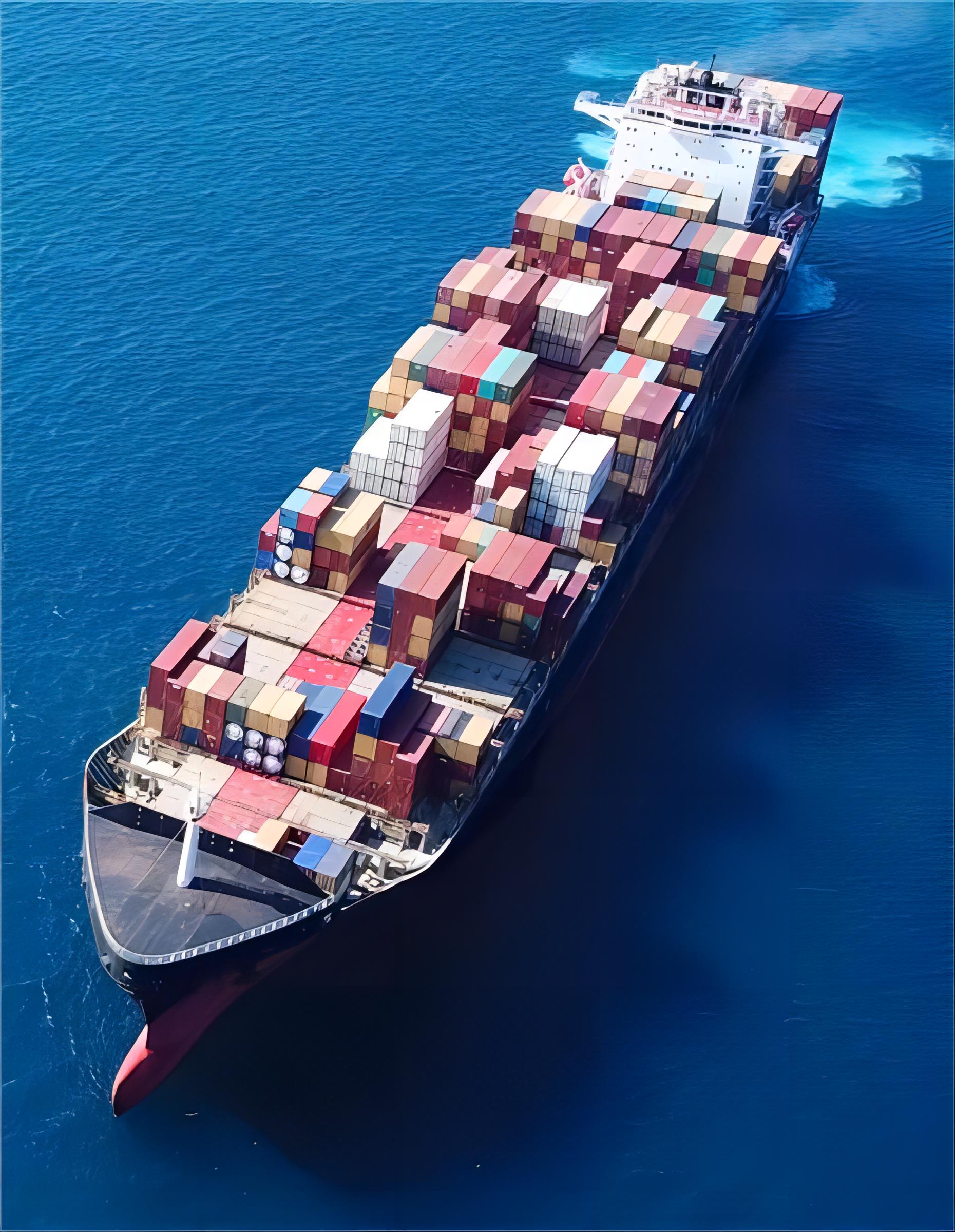
Key Insight: Using a 40HQ allowed the shipper to include extra spare parts at no additional freight cost. Moreover, the use of door to door service minimized the risk of damage during local drayage in Norway.
Which Option Should You Choose?
Budget priority: If your main goal is minimizing costs, sea freight FCL is the undisputed winner for large volumes. For shipments over 15 CBM, the cost per unit drops significantly compared to LCL.
Speed priority: When time is of the essence, air freight is the only viable solution despite the high cost. It is ideal for high-margin products or urgent supply chain gaps.
Cargo type considerations: Heavy machinery or bulky furniture are best suited for FCL containers. In contrast, very small parcels are better handled via express service for maximum efficiency.
Alternative Strategies for Shipping to Norway
Hybrid solutions like sea-air can offer a middle ground between cost and speed. For instance, goods can be shipped by sea to Dubai or Singapore and then flown to Oslo.
Furthermore, rail freight via the New Silk Road is an emerging alternative. Although it typically terminates in Central Europe, connecting road transport can reach Norway in about 22-28 days.
Cost-saving strategies include consolidating multiple suppliers into one FCL container at a China warehouse. This approach reduces the number of individual China FCL export documentation to Norway filings required.
Final Thoughts on Exporting to Norway
Successfully navigating the requirements for China FCL export documentation to Norway is essential for any growing business. By understanding the mandatory forms and choosing the right shipping method, you can avoid costly delays and penalties.
Remember that freight rates and regulations are subject to change based on global market conditions. Always consult with a professional freight forwarder to get the most accurate and up-to-date information for your specific cargo.
Note: Freight rates are subject to change based on fuel costs, carrier capacity, and seasonal demand. Contact us for a current quote tailored to your specific shipment.

Ready to streamline your logistics?
Are you ready to streamline your logistics and ensure your China FCL export documentation to Norway is handled with expert care? Contact our team today for a customized quote and professional guidance on your next shipment. Send Inquiry: info@Top China Freight.com
Request Quote