

China Logistics Company With Tracking Mexico: A Complete Guide
Finding a reliable china logistics company with tracking mexico is the most critical step for businesses importing goods into the Latin American market. Many importers struggle with visibility and unexpected delays during the transpacific transit process. Consequently, this comprehensive guide explores how to secure efficient freight services that provide real-time updates and professional cargo handling.
How to Choose a China Logistics Company With Tracking Mexico?
Selecting the right partner requires a deep understanding of the north america shipping corridor and specific Mexican regulations. You should prioritize companies that offer integrated digital platforms for shipment monitoring. Moreover, a firm with a local presence in both China and Mexico can resolve customs issues much faster than a remote agent.
Experienced providers understand the nuances of the Port of Manzanillo and the Port of Lazaro Cardenas. They will offer various container options based on your specific volume requirements. Furthermore, verify that the company has a valid business license and positive industry reviews before signing any long-term contracts.
Communication serves as the backbone of a successful international supply chain. Therefore, your chosen logistics provider must offer 24/7 support to account for the significant time zone difference between Beijing and Mexico City. Indeed, quick responses can prevent minor logistical hiccups from becoming expensive port storage fees.
Security remains a top concern for many businesses shipping to this region. Accordingly, ensure your logistics partner offers comprehensive cargo insurance and secure inland transport once the goods arrive at the Mexican port. This proactive approach minimizes risks associated with theft or damage during the final leg of the journey.
Primary Shipping Methods for Mexico-Bound Cargo
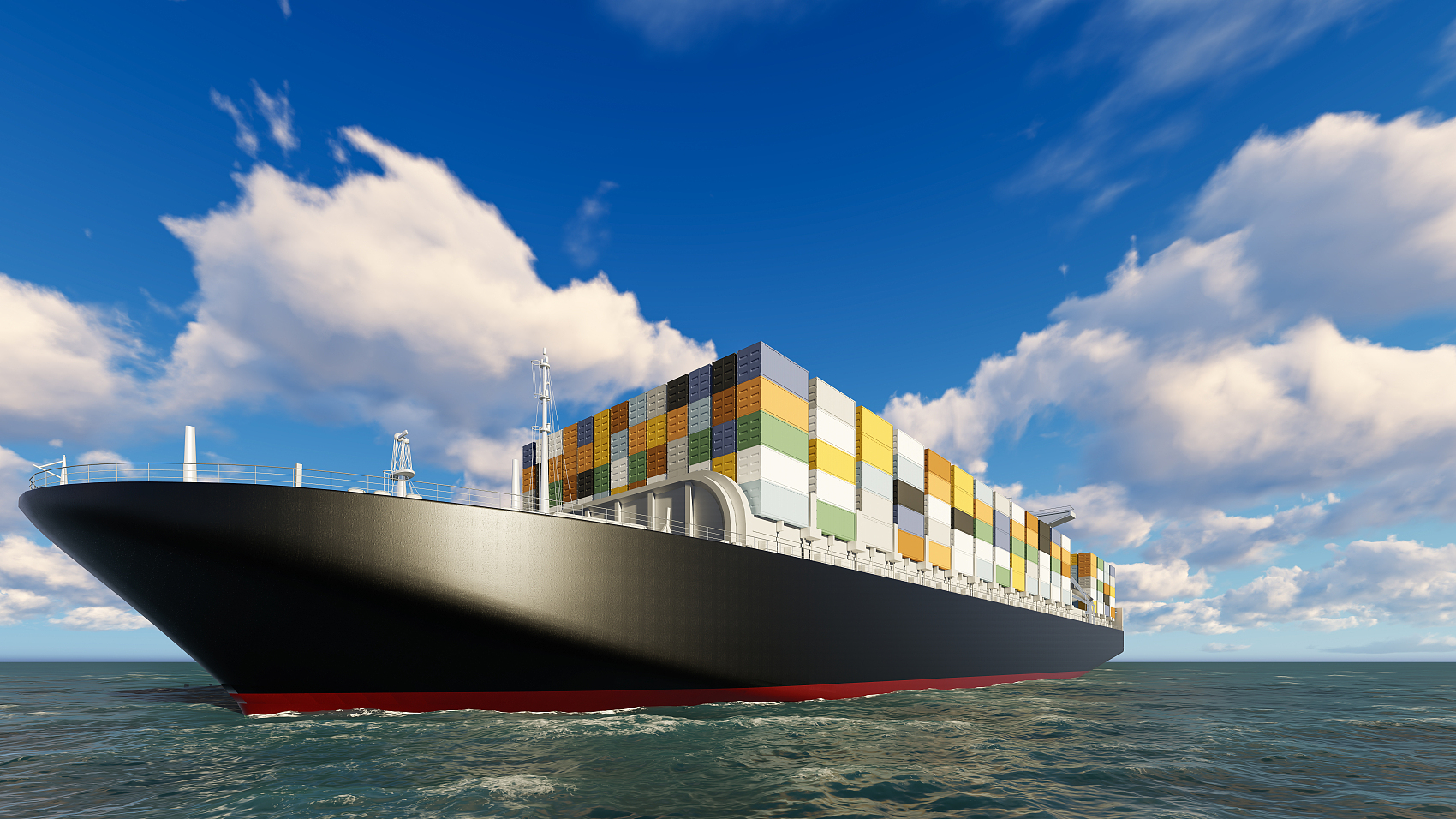
Most businesses utilize sea freight as their primary method for moving high-volume goods. This option provides the best balance between cost and capacity for large industrial orders. However, the transit time is significantly longer compared to other transport modes.
Urgent shipments typically require air freight to meet tight market deadlines or seasonal demands. While the cost per kilogram is higher, the speed and security of air transport are unmatched for high-value electronics or pharmaceuticals. Additionally, air transport reduces the need for extensive inventory holding.
Smaller parcels and e-commerce orders are best handled via express service providers. These couriers handle the entire process from pickup in China to delivery at the customer doorstep in Mexico. Consequently, this method is ideal for samples and low-weight commercial shipments.
| Method | Transit Time | Cost Level | Best For |
|---|---|---|---|
| Sea Freight (FCL) | 25-35 Days | Low | Bulk Goods |
| Sea Freight (LCL) | 30-40 Days | Medium | Small Pallets |
| Air Freight | 5-10 Days | High | Urgent Items |
| Express | 3-7 Days | Very High | Small Samples |
How Does Sea Freight Compare to Other Shipping Options?
Analyzing the differences between sea freight and its alternatives is essential for budget optimization. While sea freight costs roughly $2,500 to $4,000 for a 40HQ container, air freight for the same volume would be prohibitively expensive. Nevertheless, sea freight involves more complex documentation and longer exposure to maritime risks.
Alternative strategies include hybrid sea-air solutions which can reduce transit times without the full cost of air transport. For instance, goods might be shipped by sea to a hub like Los Angeles and then trucked or flown to Mexico. This approach often saves 10-15 days compared to a direct sea route to Mexican ports.
LCL shipping represents another alternative for those who do not have enough cargo to fill a whole container. In this scenario, you only pay for the space you use, which is measured in cubic meters. Although LCL is cost-effective for small loads, it often takes longer due to the consolidation and deconsolidation processes.
| Shipping Method | Cost Range | Transit Time | Limitations |
|---|---|---|---|
| Full Container (FCL) | $1,800-$4,200 | 25-35 Days | Requires high volume |
| Less Container (LCL) | $80-$150/CBM | 35-45 Days | Higher risk of damage |
| Standard Air | $5-$9/kg | 7-10 Days | Strict weight limits |
| Sea-Air Hybrid | Moderate | 15-20 Days | Complex coordination |

Which Option Should You Choose?
Budget Priority
If your primary goal is to minimize expenditure, sea freight is the clear winner. Specifically, FCL shipping offers the lowest unit cost for large shipments. You should choose this if your delivery schedule allows for a month-long transit period.
Speed Priority
When time is of the essence, air freight or express shipping is mandatory. These methods bypass the slow port operations and provide rapid customs clearance. Therefore, choose this for product launches or inventory stock-outs.
Cargo Type Considerations
Hazardous materials or oversized industrial equipment often require specialized sea freight handling. In contrast, fragile and high-tech components benefit from the smoother handling found in air transport. Always consult with your logistics provider regarding specific cargo restrictions.
The Importance of Real-Time Tracking for Supply Chains
Modern supply chain management relies heavily on data accuracy and timely information. A door to door service with integrated tracking allows you to anticipate arrivals and schedule warehouse labor accordingly. Furthermore, tracking data helps in identifying bottlenecks at specific ports or transit hubs.
Visibility also improves customer satisfaction by providing end-users with accurate delivery estimates. If a delay occurs due to weather or port congestion, you can inform your clients immediately. Consequently, this transparency builds trust and strengthens your brand reputation in the Mexican market.
Advanced tracking systems now use GPS and IoT sensors to monitor cargo conditions like temperature and humidity. This is particularly important for perishable goods or sensitive chemicals. Indeed, having access to this data ensures that your china logistics company with tracking mexico is maintaining the integrity of your products.
Navigating Customs and Documentation in Mexico
Customs clearance in Mexico is notoriously rigorous and requires precise documentation. You must provide a commercial invoice, packing list, and a bill of lading for every shipment. Additionally, certain products may require specific NOM certifications to enter the country legally.
Working with a professional broker can prevent your cargo from being seized or heavily fined. They will ensure that the HS codes are classified correctly to avoid overpaying duties. Moreover, they can guide you through the ‘Pedimento’ process, which is the official customs entry document in Mexico.
Delays often occur when the information on the paperwork does not match the physical cargo. Therefore, it is vital to double-check all weights, counts, and descriptions before the goods leave the factory in China. A reliable logistics partner will perform this audit as part of their standard service.
Case Studies: Successful Shipments to Mexico
Reviewing real-world examples helps in understanding the practical costs and timelines involved. These cases represent typical scenarios for various industries shipping from major Chinese hubs to Mexican destinations.
Note: Freight rates are subject to change based on fuel costs, carrier capacity, and seasonal demand. Contact us for a current quote tailored to your specific shipment.
Case Study 1: Electronics Distribution
Route: Shenzhen, China to Mexico City, Mexico. Cargo: Consumer Electronics, 8 CBM, 1200 kg. Method: LCL Sea Freight. Ocean Freight: $1,100. Origin Charges: $250. Destination Charges: $400. Customs and Duties: $1,800. Total Landed Cost: $3,550. Timeline: 38 Days Door-to-Door. Key Insight: Consolidating multiple small orders into one LCL shipment saved the client 30% compared to air freight.
Case Study 2: Industrial Machinery
Route: Shanghai, China to Manzanillo, Mexico. Cargo: CNC Machine, 1 x 20GP Container. Method: FCL Sea Freight. Ocean Freight: $2,400. Origin Charges: $350. Destination Charges: $500. Customs and Duties: $4,500. Total Landed Cost: $7,750. Timeline: 29 Days Port-to-Port. Key Insight: Direct sailing from Shanghai minimized handling risks for the sensitive machinery.
Cost-Saving Strategies for China-Mexico Logistics
Reducing your total landed cost requires a strategic approach to shipping and procurement. One effective method is to optimize your packaging to fit more units into a single container. Furthermore, booking your shipments at least two weeks in advance can help you secure lower ‘Early Bird’ rates from carriers.
Avoid shipping during peak seasons like the Chinese New Year or the golden week in October. During these times, demand skyrockets and carriers often implement peak season surcharges. Accordingly, planning your inventory cycles around these holidays can save you thousands of dollars annually.
Consolidating shipments from different suppliers into one full container is another excellent way to save. Instead of paying multiple LCL fees, you can use a warehouse in China to gather all goods before shipping. This strategy not only reduces costs but also simplifies the tracking process as you only have one bill of lading to monitor.
Final Thoughts on Mexico Logistics
Successfully navigating the route from China to Mexico requires a combination of local expertise and global tracking technology. By choosing a professional china logistics company with tracking mexico, you ensure that your goods are handled with care and delivered on time. Remember to consider all shipping methods and prepare your documentation carefully to avoid unnecessary delays.
Whether you choose sea, air, or express, the key to success lies in maintaining clear communication with your freight forwarder. Utilize the strategies discussed in this guide to optimize your costs and improve your delivery schedules. Your business growth in Mexico depends on a stable and visible logistics network.

Ready to streamline your logistics?
Streamline your supply chain today with a reliable china logistics company with tracking mexico. Our team provides transparent pricing and dedicated support for all your shipping needs. Contact us now to receive a customized freight quote and start moving your cargo with confidence.
Request Quote