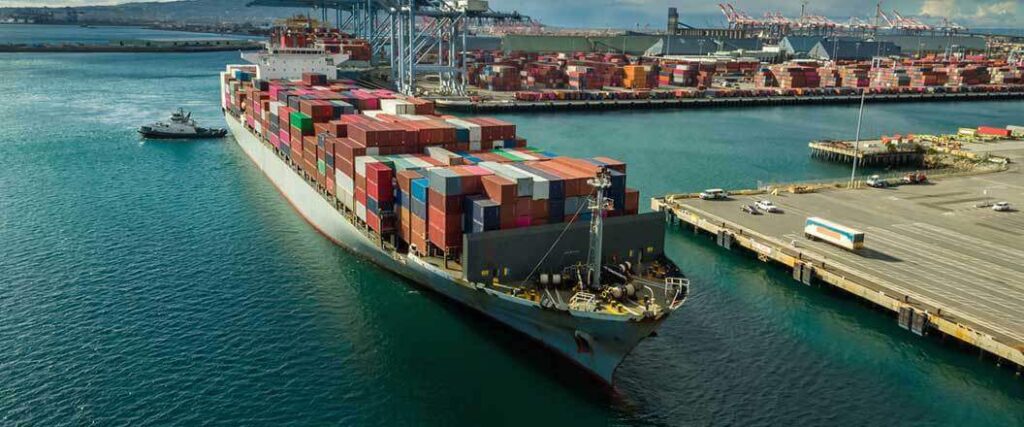
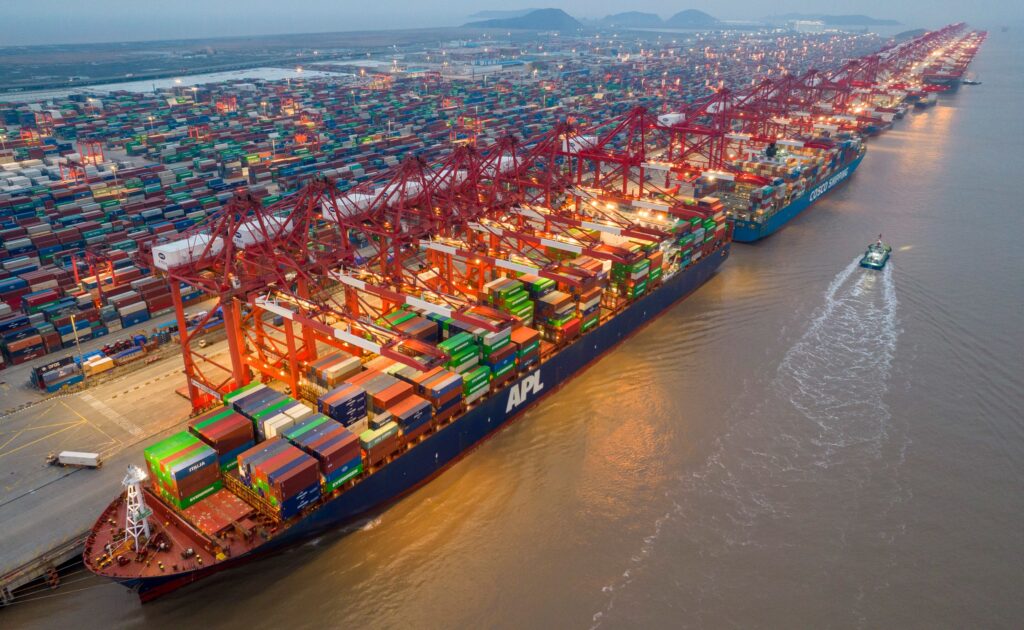
Moving goods from China to Australiarequires balancing cost, time, and compliance. Sea freight remains the most practical solution for bulky or heavy cargo. This guide explains costs, transit times, customs, documents, and case studies—helping importers plan effectively.
Lower cost compared to air freight.
Suitable for heavy or oversized cargo.
Multiple Australian ports ensure wide coverage.
More sustainable than air transport.
Container Type
Average Cost (USD)
Suitable Cargo
20GP
$1,200 – $1,600
28m³ goods, small shipments
40GP
$2,200 – $2,800
Standard full load
40HQ
$2,300 – $3,000
Light but bulky goods
LCL (per CBM)
$50 – $75
Small volumes <15m³
Rates change with season, fuel prices, and carrier capacity.
FCL offers lower unit cost, while LCL provides flexibility.
Importers should always request a Certificate of Origin.
Port Congestion → Plan early, avoid peak months.
Customs Delays → Provide accurate paperwork.
Hidden Costs → Clarify port and handling charges.
Currency Fluctuations → Fix rates with forwarders when possible.
China to Australia sea freight remains the most cost-effective and scalable option for global importers. By choosing the right method, securing proper documents, and partnering with experienced freight forwarders, businesses reduce risks and save money. Ultimately, sea freight enables companies to keep supply chains stable, predictable, and competitive in international trade.
Consult TJ China Freight Forwarding for the lowest quote. They will provide you with reliable, cost-effective service.