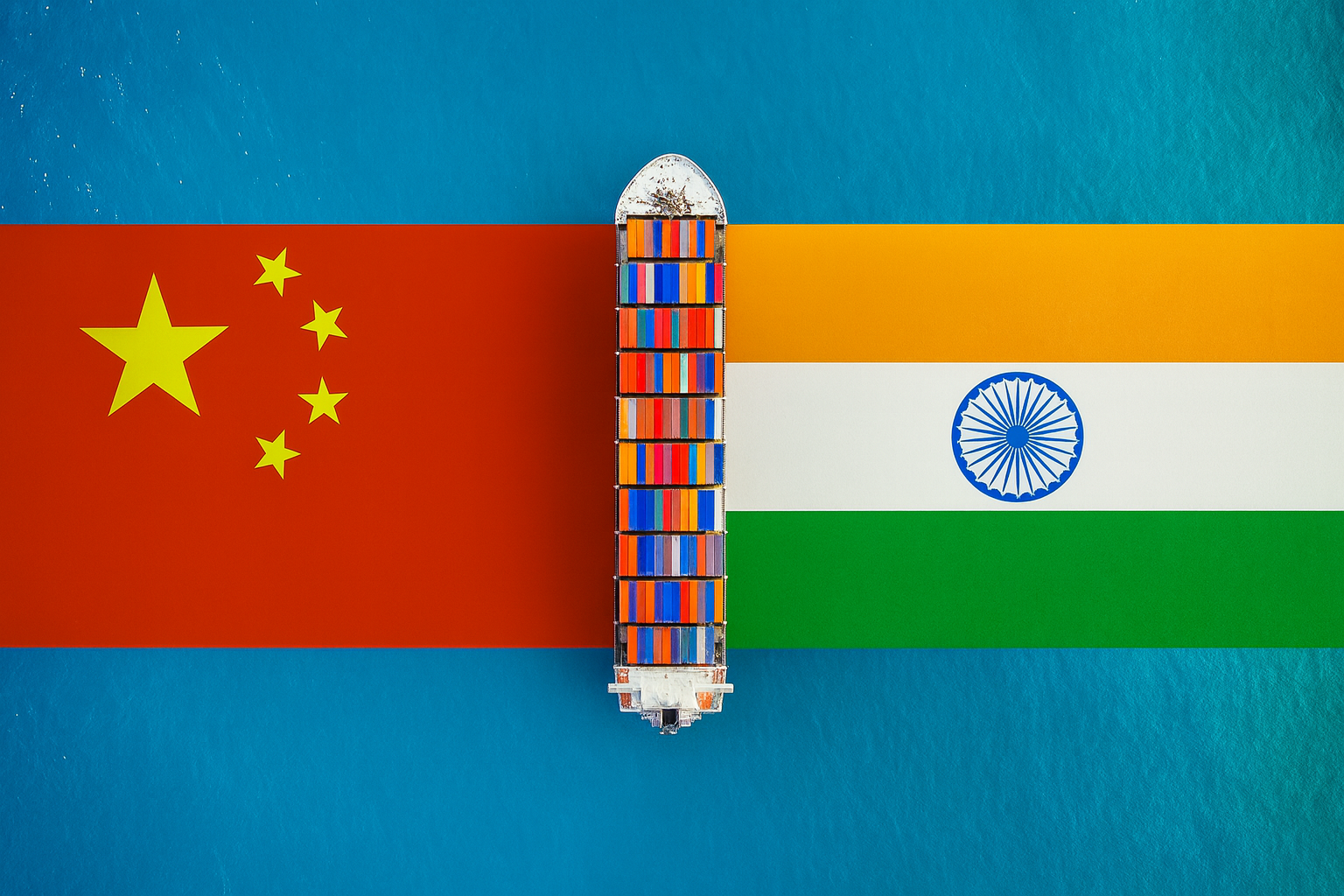
The China to India freight charges remain one of the most important considerations for businesses trading between these two fast-growing economies. Since both countries are key manufacturing hubs, importers and exporters must carefully evaluate freight costs, transit times, and customs regulations to manage supply chains effectively.
What Are China to India Freight Charges?
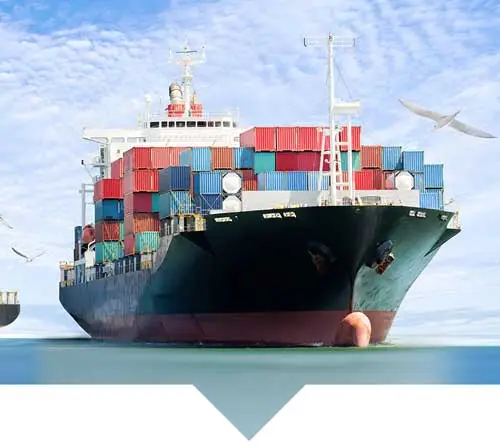
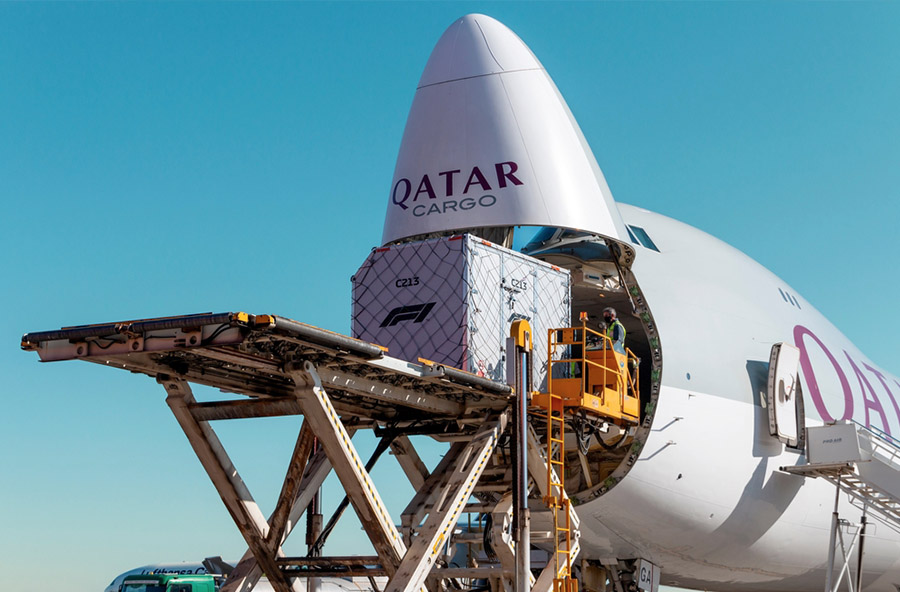
Freight charges cover the cost of transporting goods by sea, air, or multimodal services between Chinese and Indian ports or airports. They include basic shipping fees, surcharges, fuel costs, and customs expenses. For businesses, understanding these charges is crucial for budgeting and calculating landed costs.
Outcome: Saved 40% over air freight while meeting retail deadlines.
Case 2: Shenzhen – Delhi (Air Freight)
Cargo: Fashion garments, 3 tons
Mode: Air shipment
Cost: $5.8/kg, total $17,400
Transit Time: 5 days
Outcome: Met urgent seasonal demand despite higher costs.
What Are the Key Benefits and Challenges?
Benefits:
Affordable bulk shipping by sea
Reliable air freight for urgent needs
Flexible options for LCL cargo
Expanding logistics infrastructure in both countries
Challenges:
Seasonal price volatility
Customs clearance complexity
Port congestion in Mumbai and Chennai
Documentation errors leading to delays
How to Choose the Right Freight Forwarder?
When selecting a partner for China to India freight charges, businesses should consider:
Experience handling both Indian and Chinese customs
Transparent breakdown of costs and surcharges
Real-time cargo tracking
Options for FCL, LCL, and air freight
Multimodal solutions combining sea, air, and trucking
A professional forwarder ensures reduced risks and smoother logistics operations.
Future Outlook for Freight Charges
As trade between China and India expands, freight costs will remain influenced by global fuel prices, container availability, and seasonal demand. Furthermore, digital customs systems, improved port facilities, and green logistics initiatives will shape future pricing trends.
Without a doubt, freight planning will become more transparent and technology-driven, benefiting importers and exporters alike.
Conclusion
To summarize, the China to India freight charges vary widely depending on mode, cargo type, and seasonality. Sea freight provides the lowest costs for large volumes, while air freight ensures speed for urgent shipments. By preparing accurate customs documents, choosing the right freight forwarder, and understanding pricing structures, businesses can optimize their supply chains. Ultimately, container and air freight solutions offer flexibility to match both cost efficiency and delivery deadlines.
Consult TJ China Freight Forwarding for the lowest quote. They will provide you with reliable, cost-effective service.